Artwork
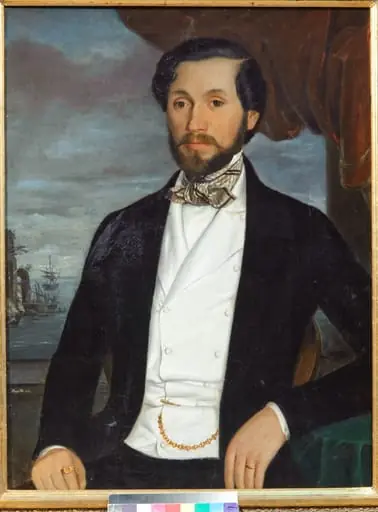
Portretul nobilului Demetrius Poynar
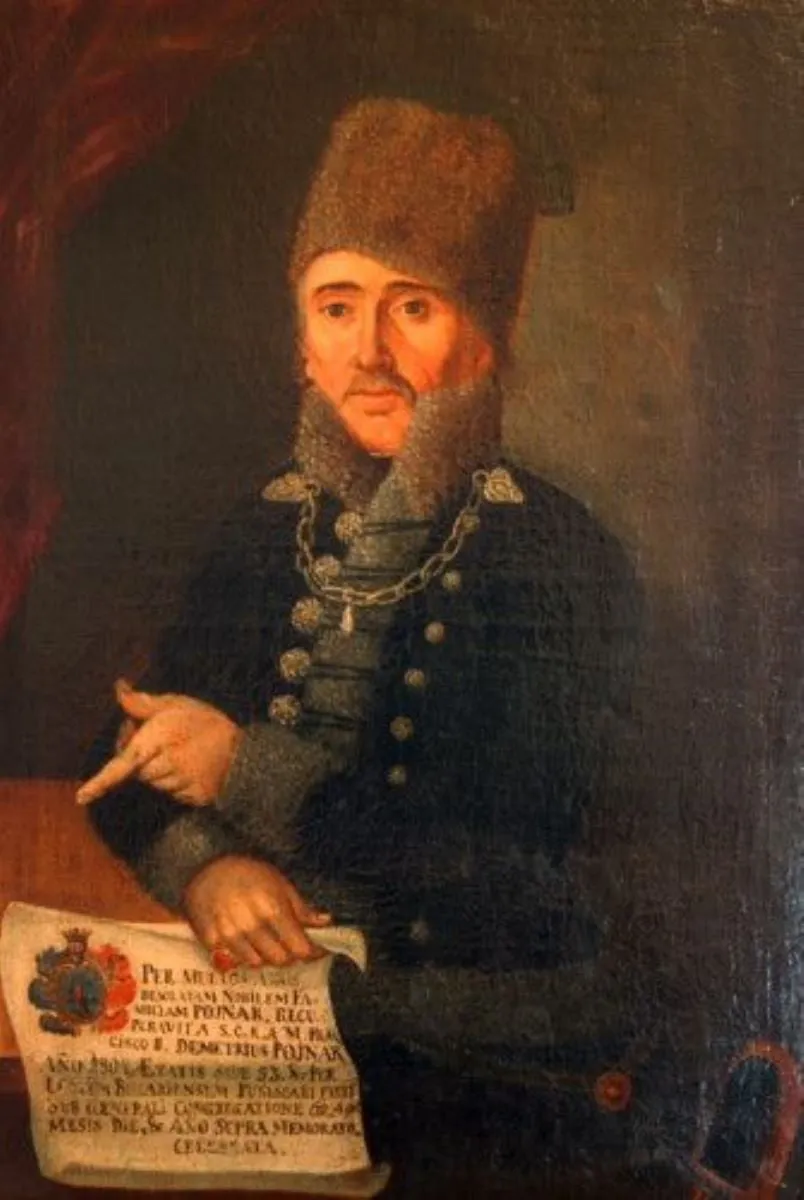
Portretul nobilului Demetrius Poynar is an unspecified painting by anonim transilvănean. It dates from 1850 and is held in the collection of the Țării Crișurilor Museum.
About this work
Overview
Created around the middle of the nineteenth century by an unidentified Transylvanian artist, this portrait presents a formally attired gentleman. The work is part of the collection of the Museum of Ethnography, where it is displayed among other regional representations.
Subject & Meaning
The sitter, identified as the noble Demetrius Poynar, is shown in dark clothing, a chain draped over his chest and a hat, suggesting status. He holds a sheet of paper, pointing to it with his left index finger; the document bears a coat of arms and inscription, hinting at a legal or ceremonial matter tied to his rank.
Technique & Style
Executed in a realistic manner typical of mid‑nineteenth‑century portraiture, the painting emphasizes precise rendering of fabric texture and facial features. The subdued palette and careful modeling convey a solemn atmosphere, while the compositional focus on the gesture toward the paper adds narrative tension.
History & Provenance
The portrait entered the Museum of Ethnography’s holdings after being acquired in the early twentieth century, though exact acquisition details remain undocumented. Its attribution to an anonymous Transylvanian painter reflects the limited archival information on regional artists of that period.
Context
Portraits of local aristocracy were common in Transylvania during the 1800s, serving both as personal commemoration and as visual records of social hierarchy. This work aligns with that tradition, illustrating the visual language of authority through attire, insignia, and the inclusion of official documents.
Artist & collection
Artist
This painter left behind only two signed portraits from Transylvania in the late 1600s.

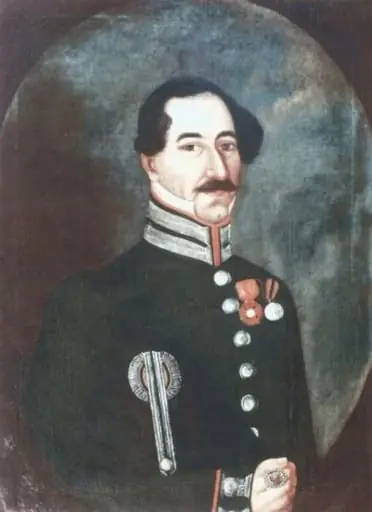 Generalul Negulici
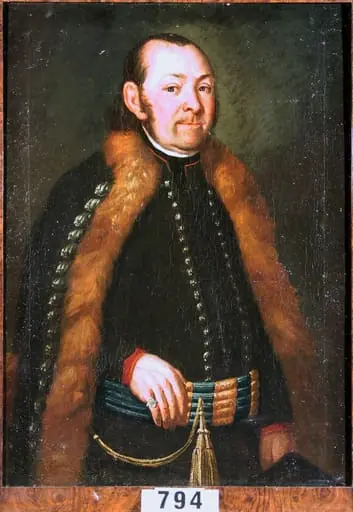 Măcelarul sibian Georg Hinzmann
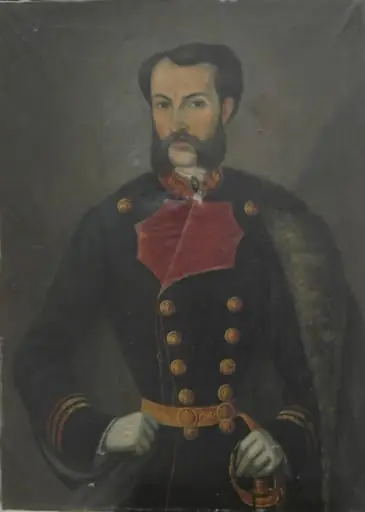 Radu Fărcășanu
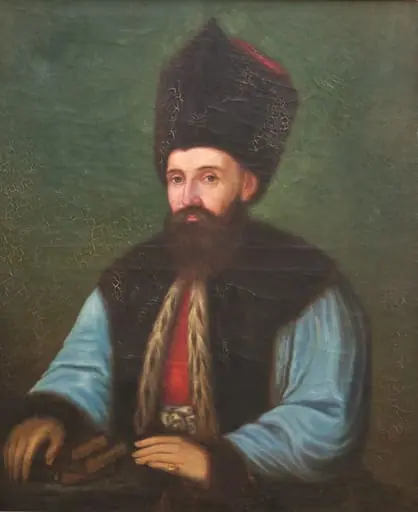 Portretul lui Grigore Brâncoveanu
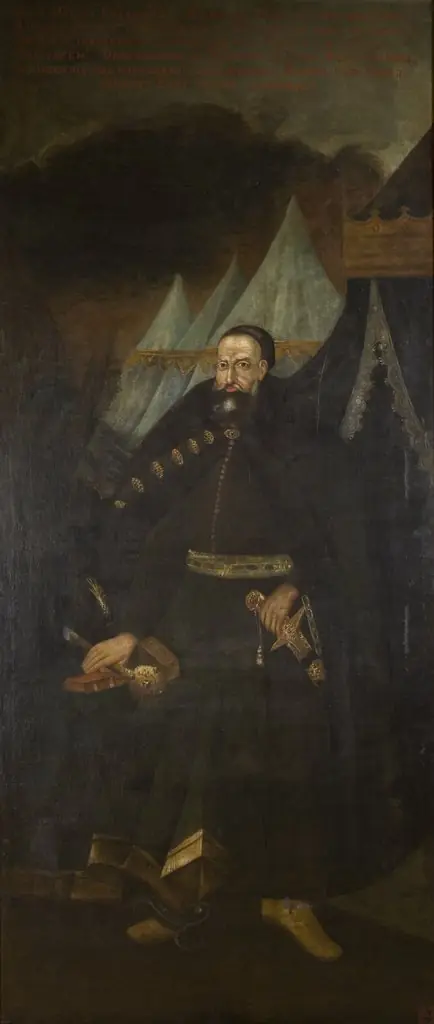 Portrait of Marcin Kazanowski (ca. 1563–1636), Field Crown Hetman
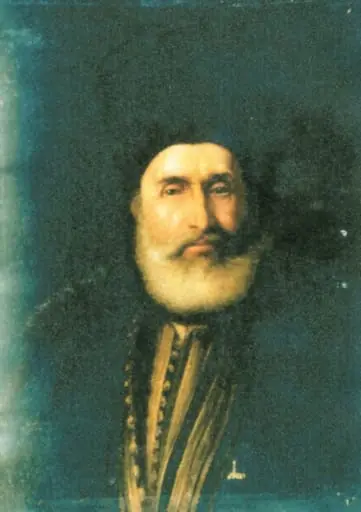 Marele Ban Năsturel Herescu
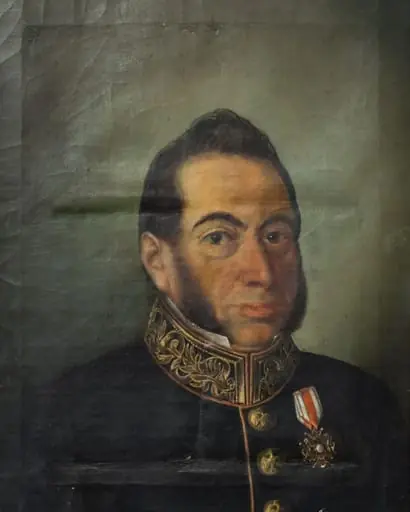 Portret (de) militar
 Portretul lui Valentin Hirscher
 Portrait of Krzysztof II Radziwiłł (1585–1640), Great Hetman of Lithuania
 Rődl András
 Portrait of an unknown man
 Portretul pictorului Carol Popp de Szathmári