Artwork
Alexander More
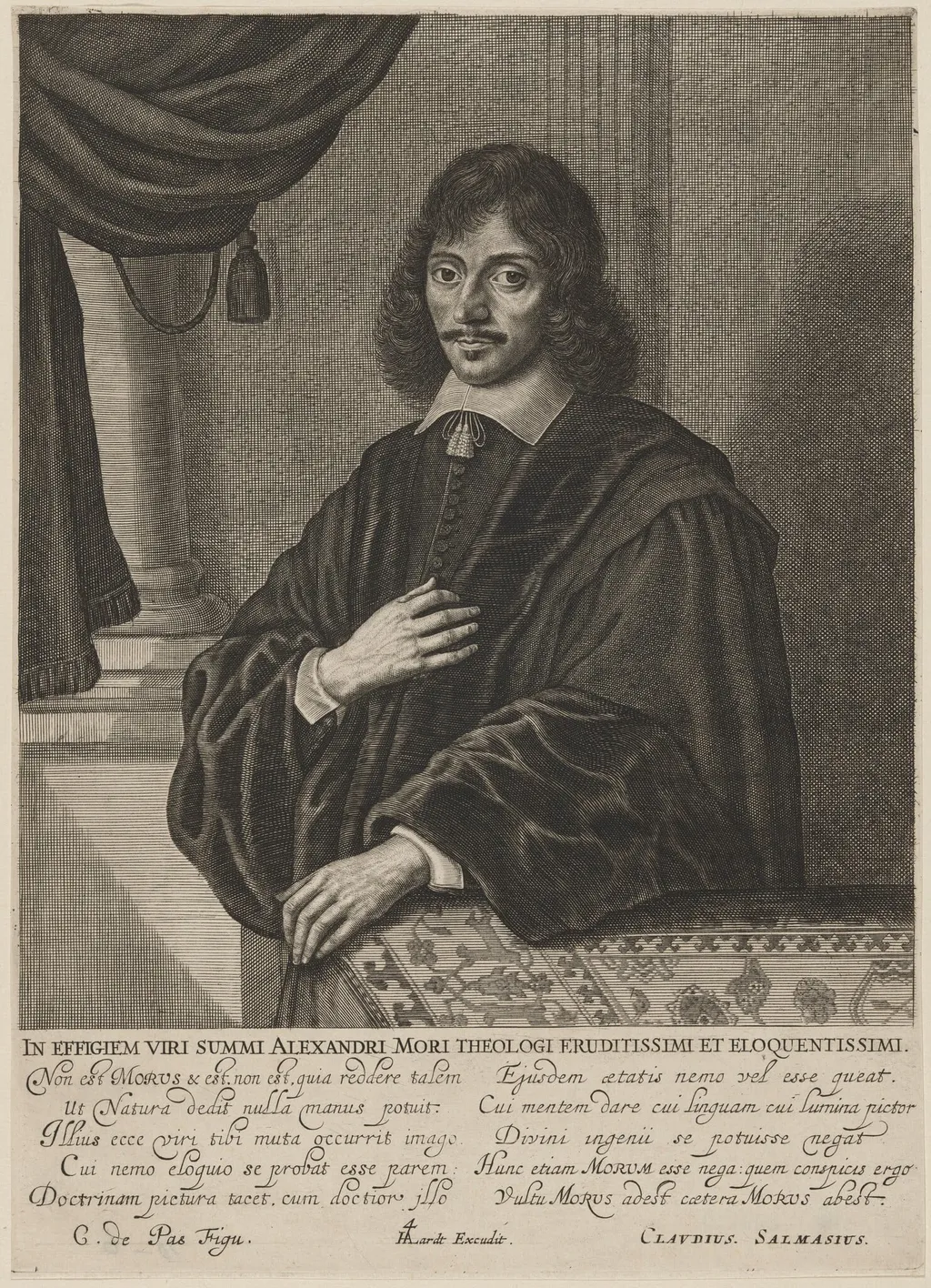
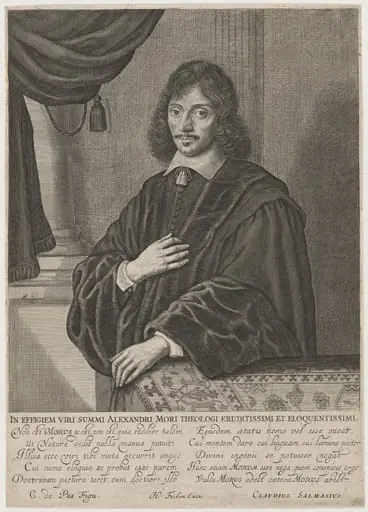
Alexander More is an ink print by the Renaissance artist Unknown. It dates from 1601 and is held in the collection of the National Gallery of Art.
About this work
Overview
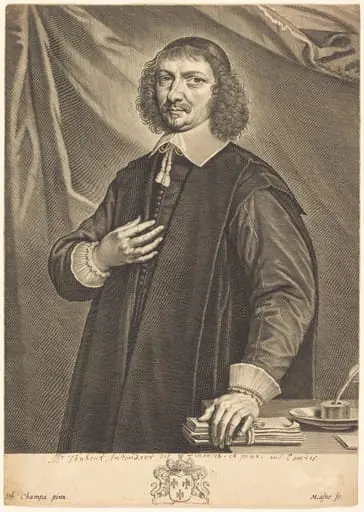
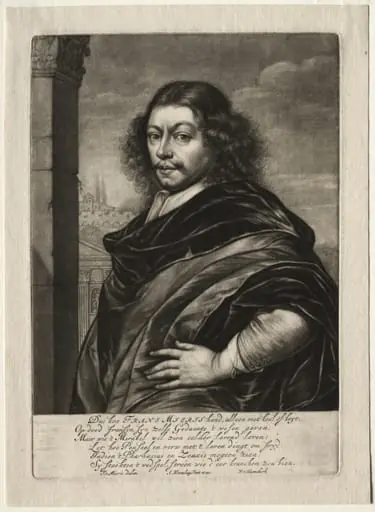
The composition emphasizes stillness and dignity, with the subject’s gaze directed outward and his hand resting gently on his chest, suggesting contemplation.
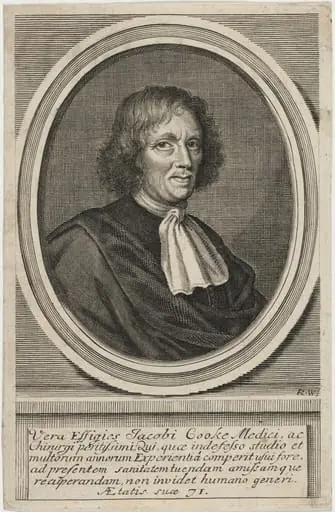
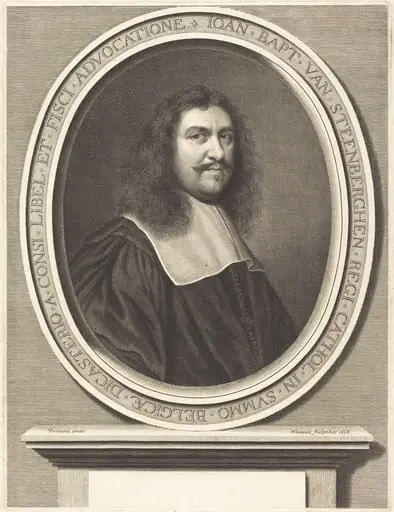
This black-and-white engraving depicts a man identified as Alexander More, rendered with fine linear precision typical of Renaissance printmaking. The portrait is framed by Latin inscriptions that honor his intellect and accomplishments. The composition emphasizes stillness and dignity, with the subject’s gaze directed outward and his hand resting gently on his chest, suggesting contemplation. The background includes a draped curtain and a small sculptural form, adding depth without distraction.
Subject & Meaning
Alexander More is portrayed not merely as a likeness but as an embodiment of humanist ideals—scholarly, composed, and morally grounded. The placement of his hand over the heart may signify sincerity or inner conviction, while the Latin text elevates his reputation beyond mere appearance. The inclusion of a bust behind him subtly links him to classical antiquity, reinforcing his intellectual stature within a cultural tradition that revered ancient wisdom.
Technique & Style
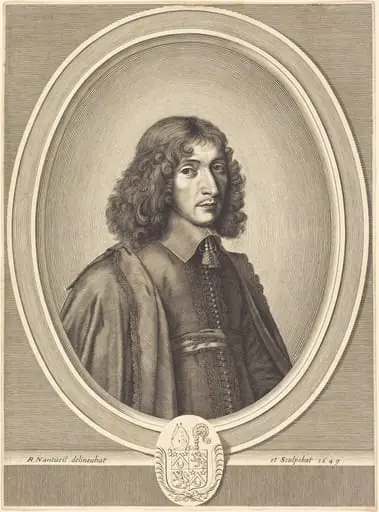
The image was created using engraving, a method involving incised lines on a metal plate inked and pressed onto paper. Fine, controlled strokes define the folds of the robe, the texture of hair and beard, and the subtle contours of the face. The absence of tone or shading relies entirely on line weight and density to model form, demonstrating the artist’s mastery of precision. This technique allowed for clear reproduction, making such portraits widely distributable among educated audiences.
History & Provenance
The print likely originated in the 16th century, during a period when engraved portraits of scholars and public figures were produced for private collections and academic circles. While the exact origin and printer remain uncertain, its stylistic features align with Northern European traditions of the time. The Latin inscriptions suggest a humanist context, possibly commissioned by a university or patron seeking to commemorate intellectual achievement.
Context
In Renaissance Europe, engraved portraits served as tools of cultural memory and social affirmation. They circulated among scholars, linking individuals to broader networks of learning. The emphasis on facial expression and symbolic objects—like the bust—reflected a shift toward individualism and the celebration of personal merit. This print fits within a larger trend of using print media to immortalize intellectual figures beyond the reach of commissioned paintings.
Legacy
As a product of early print culture, this engraving exemplifies how mechanical reproduction democratized access to portraiture. Though not widely known today, such works played a key role in shaping public perception of scholars and thinkers. The precision and restraint of its execution influenced later generations of printmakers, preserving the visual language of intellectual authority well into the Baroque era.
Artist & collection

 Domestic Scene
 Giacomo and Cardinal Marco, investing Andrea, Abbot of San Zeno, with his Benefice
 The Nymph of Fontainebleau
 Portrait of a Woman
 Madonna and Child with Saints in the Enclosed Garden
 Venus and Minerva
 Family Group of Four on Sofa
 Wall painting from Room H of the Villa of P. Fannius Synistor at Boscoreale