Artwork
Adriaen Heereboord
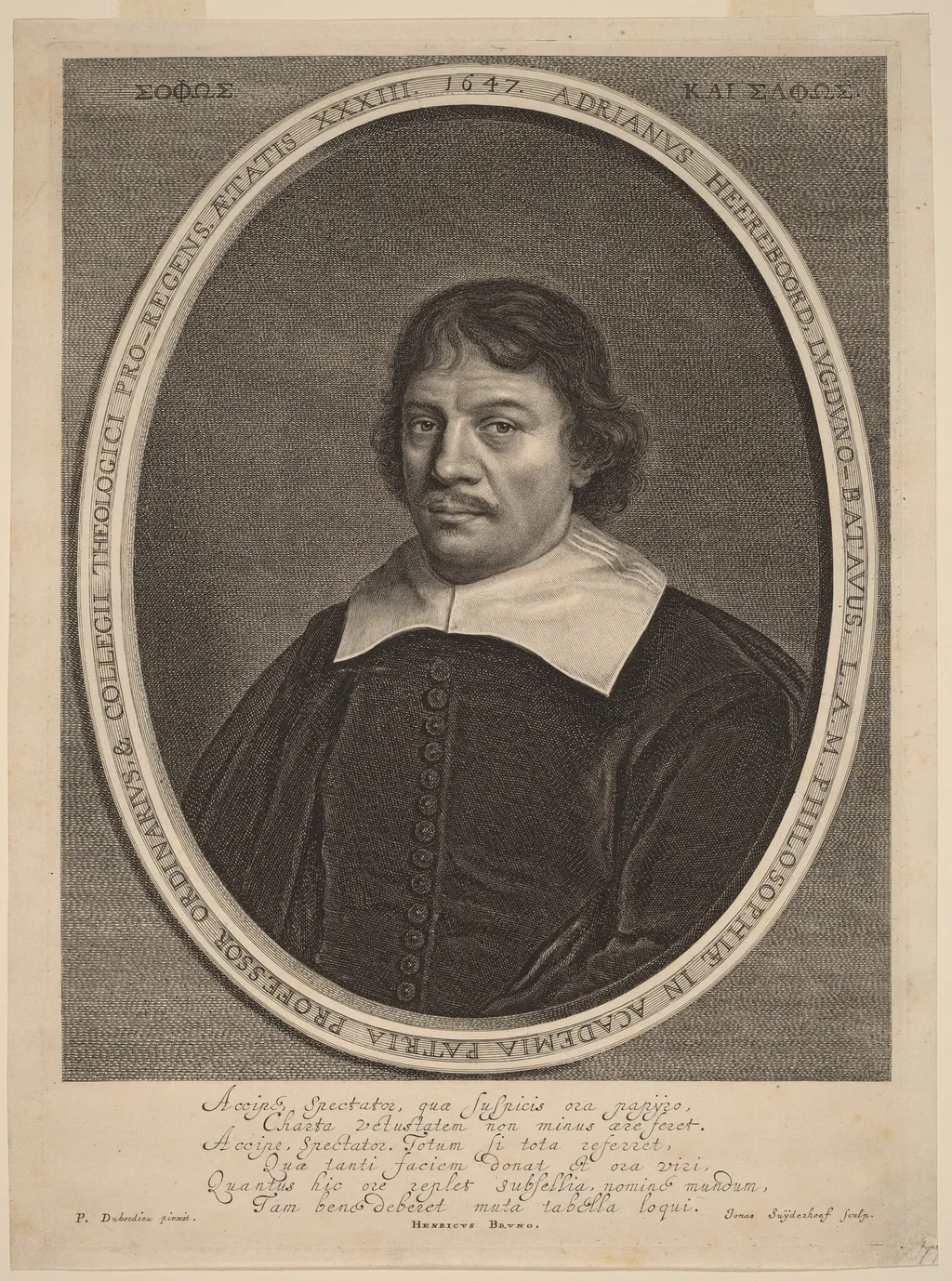
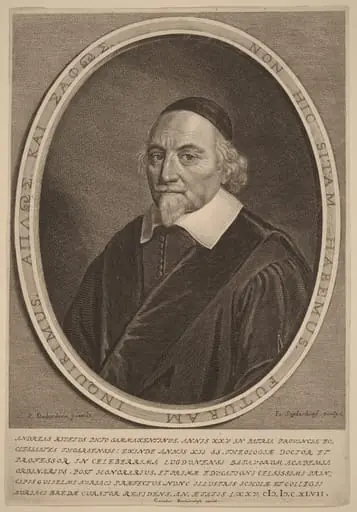
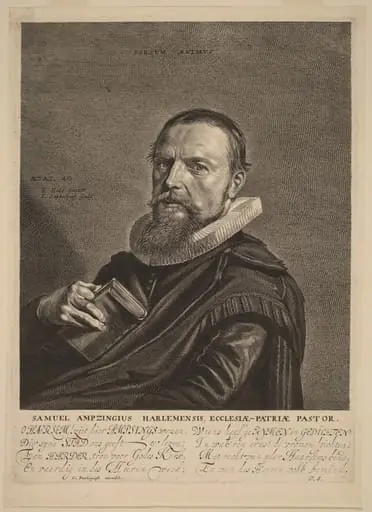
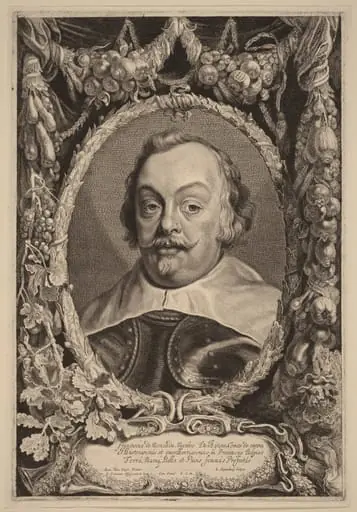
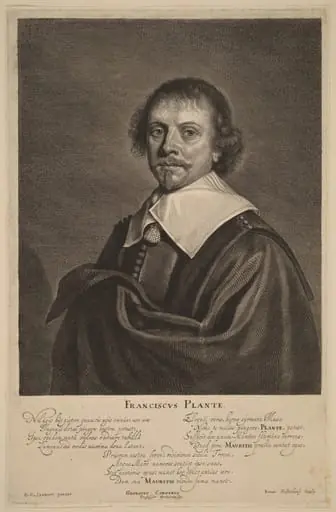
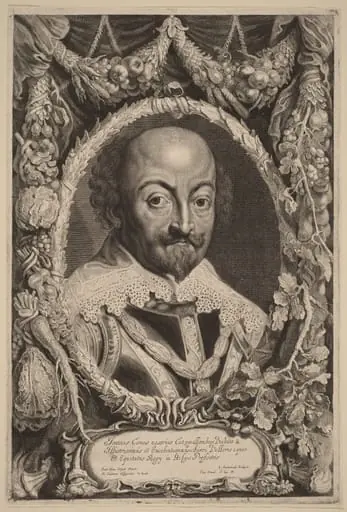
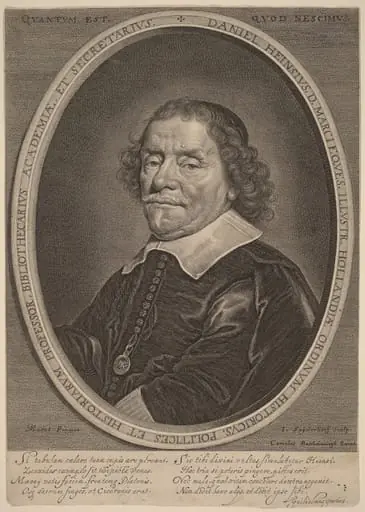
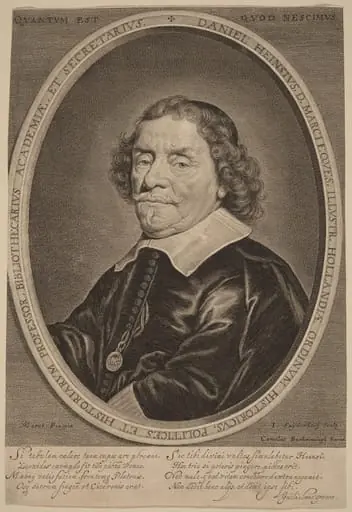
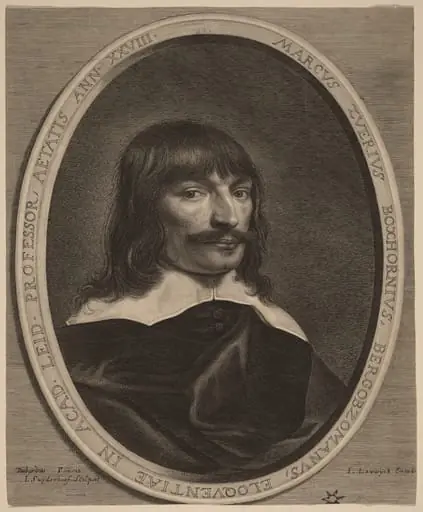
Adriaen Heereboord is an ink print by the Baroque artist Jonas Suyderhoff. It dates from 1647 and is held in the collection of the National Gallery of Art.
About this work
Overview
This 1647 copperplate engraving, executed by Jonas Suyderhoff, presents a monochrome portrait of a seated gentleman. The figure is dressed in a dark coat with a white collar and a row of buttons, his expression solemn, hair short, and beard neatly trimmed. The composition is bounded by an oval frame that bears ornamental Latin text, rendered in a flowing, curved script.
Subject & Meaning
The sitter appears to be a learned or civic individual, suggested by his formal attire and composed demeanor. The inclusion of a Latin inscription, possibly a poem or dedication, reinforces an intellectual or commemorative purpose, typical of 17th‑century portraiture that sought to convey status, education, and moral seriousness.
Technique & Style
Suyderhoff employs fine parallel hatching to model the face, clothing, and background, creating subtle tonal variations without the use of cross‑hatching. The delicate line work defines the texture of the coat and the softness of the skin, while the ornamental border demonstrates the engraver’s skill in integrating text and image within a unified visual field.
History & Provenance
Created in the Dutch Republic during the mid‑17th century, the print reflects the period’s demand for portable portraiture. While specific ownership records are scarce, the work survives in several museum collections, indicating its circulation among collectors of printed portraiture and its preservation as an example of Suyderhoff’s oeuvre.
Context
The engraving belongs to a broader tradition of Dutch portrait prints that served both documentary and decorative functions. In the 1640s, engravers often reproduced painted likenesses or produced original designs for patrons seeking affordable yet durable representations of notable individuals.
Legacy
Although not widely known beyond specialist circles, the print illustrates the technical proficiency of mid‑Baroque Dutch engravers and contributes to the understanding of portrait conventions in print media. It remains a reference point for scholars studying the interplay of text, line, and portraiture in early modern visual culture.
Artist & collection