Artwork
Omer Talon
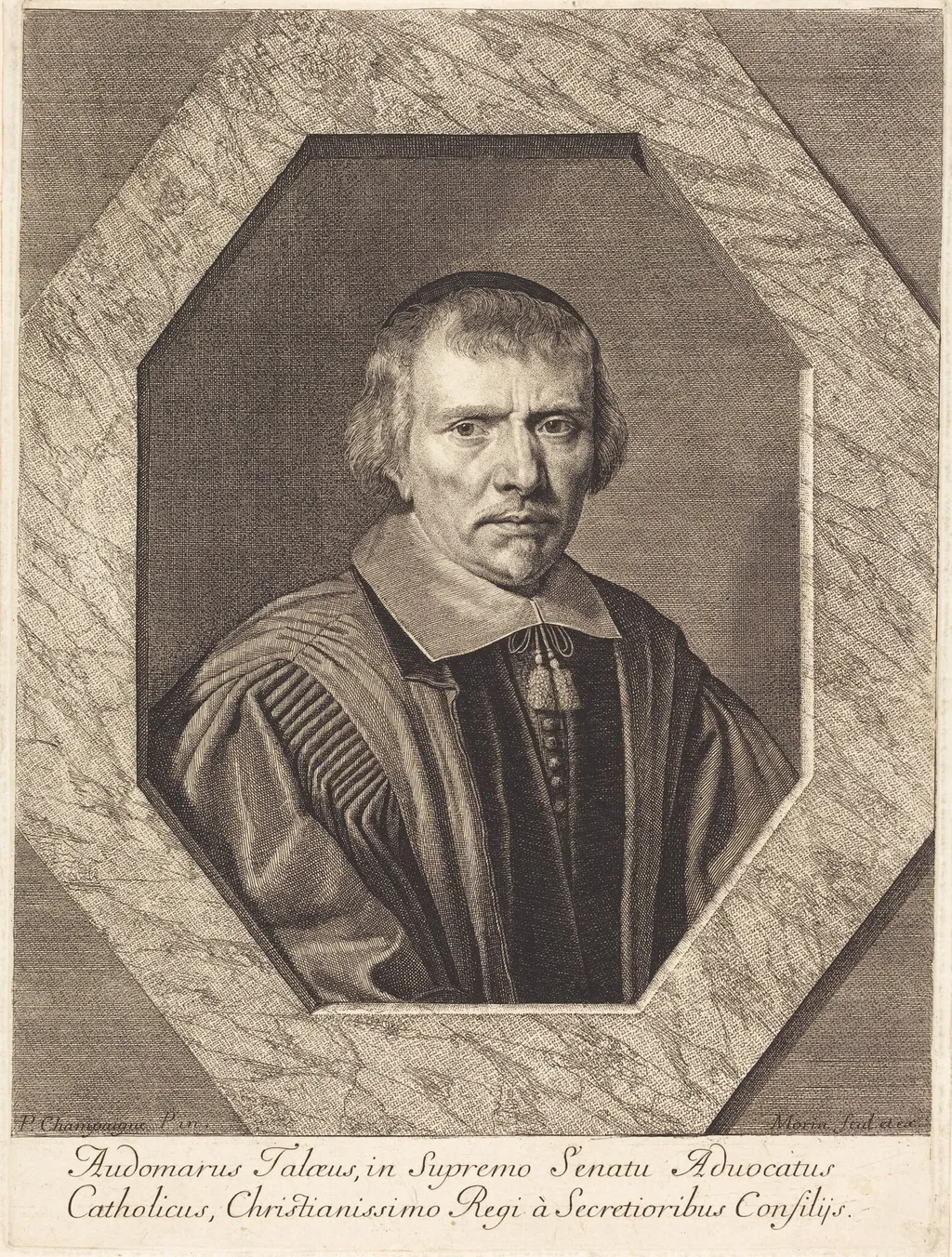
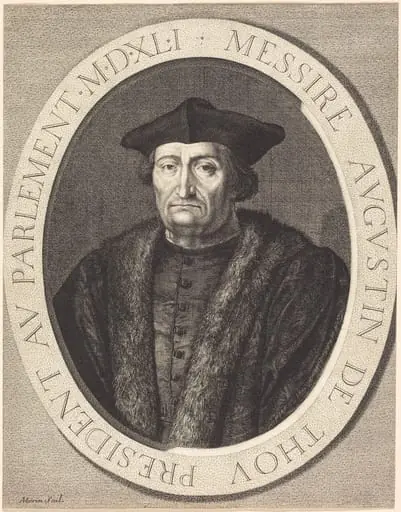
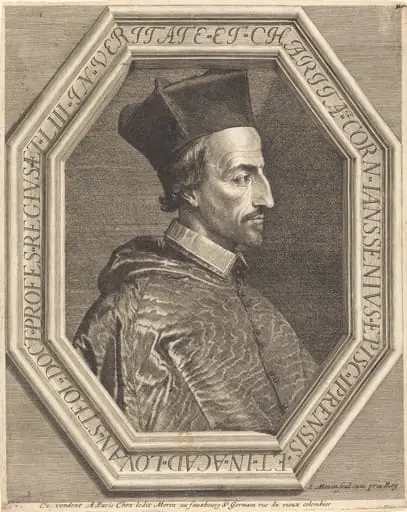
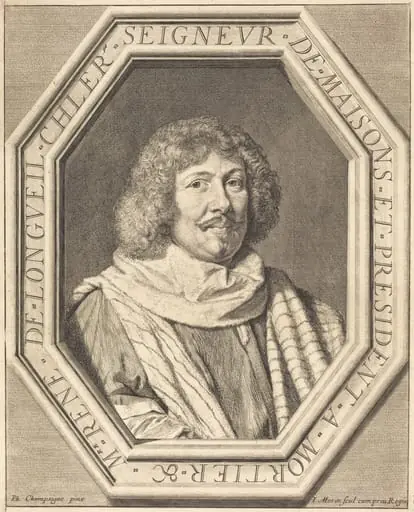
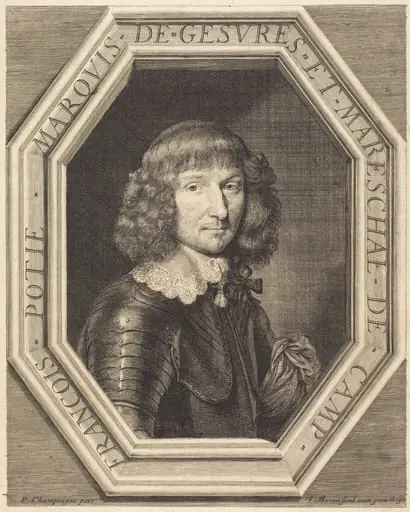
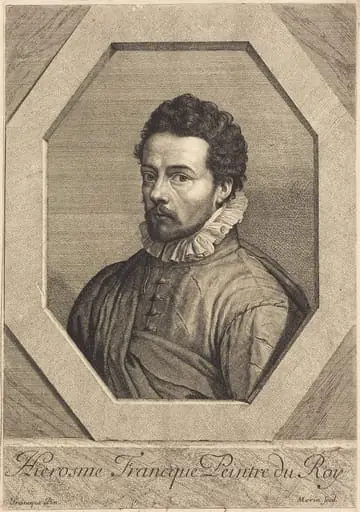
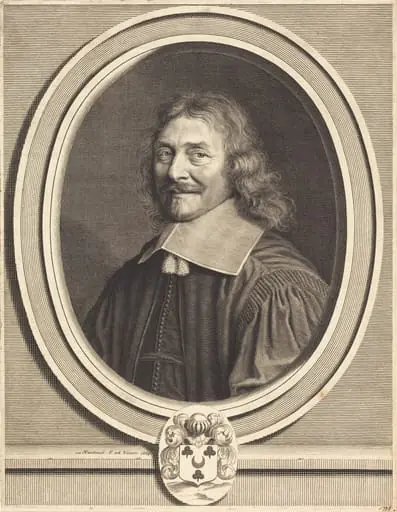
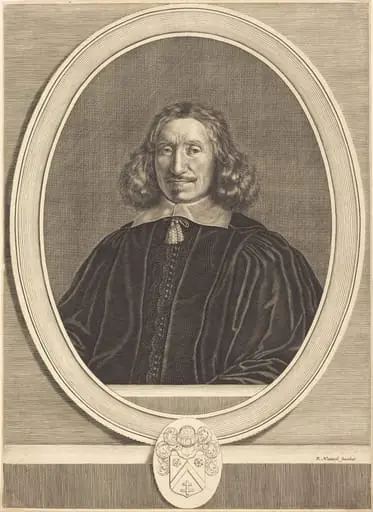
Omer Talon is an ink print by the Baroque artist Jean Morin. It dates from 1625 and is held in the collection of the National Gallery of Art. Created in 1625, this black‑and‑white print presents a dignified male figure dressed in a high collar and ruffled shirt.
About this work
Overview
Created in 1625, this black‑and‑white print presents a dignified male figure dressed in a high collar and ruffled shirt. The portrait is enclosed within a diamond‑shaped border against an unadorned background, emphasizing the sitter’s features through crisp, finely rendered lines that capture folds in the clothing and subtle facial wrinkles.
Subject & Meaning
The sitter, identified as Omer Talon, appears to be a person of status, likely a legal or administrative professional, as suggested by his formal attire and composed pose. The straightforward composition and lack of decorative elements focus attention on his visage, conveying a sense of authority and seriousness typical of early‑modern portraiture.
Technique & Style
Jean Morin employed a hybrid method that merges etching and engraving on a single copper plate, a practice he helped popularize in the early seventeenth century. Etching provided the fluid, spontaneous lines for texture, while engraving added precise, controlled strokes, resulting in a print noted for its sharp detail and tonal contrast.
History & Provenance
Printed by Morin, a French Baroque artist active in the first half of the 1600s, the work exemplifies his dual role as creator and publisher within the French print market. The portrait circulated among contemporaries as a representation of a notable individual, reflecting the period’s growing demand for portrait prints as both documentary and decorative objects.
Artist & collection
Artist
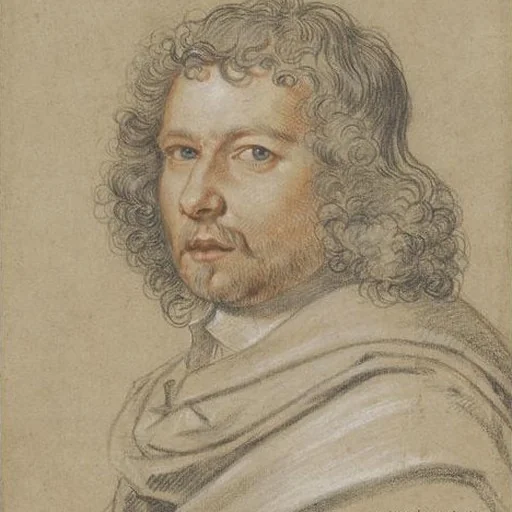
Jean Morin (c.1595 or 1605 – 1650) was a French baroque painter, printmaker, painter, etcher, engraver and publisher.