Artwork
Francois Mole
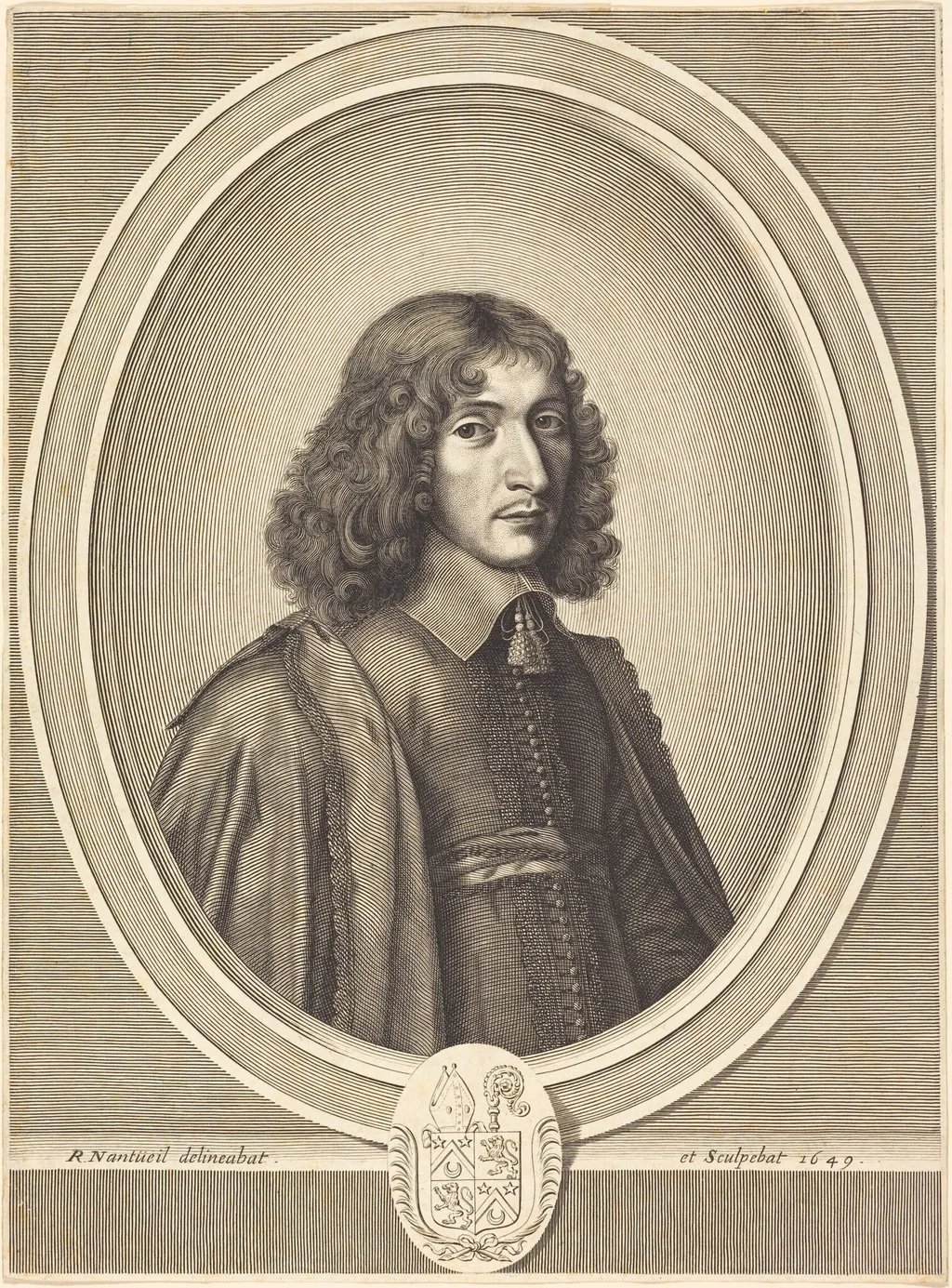
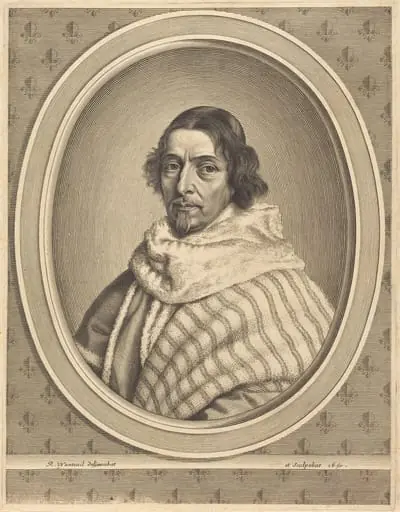
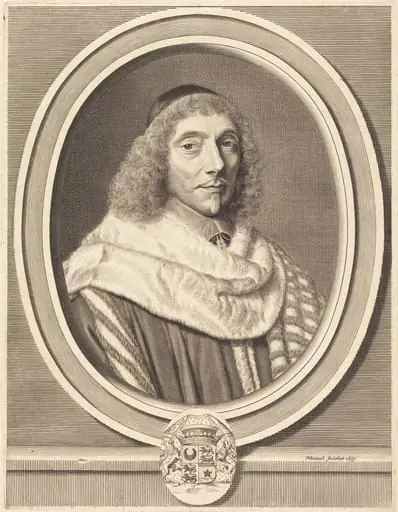
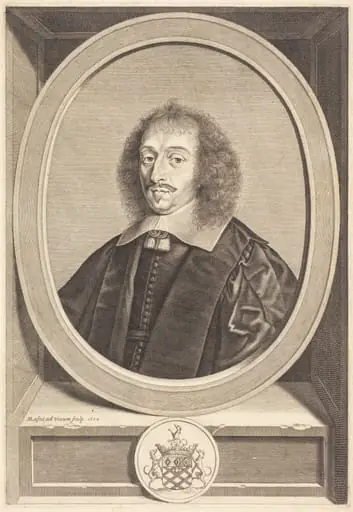
Francois Mole is an ink print by the Baroque artist Robert Nanteuil. It dates from 1649 and is held in the collection of the National Gallery of Art.
About this work
Overview
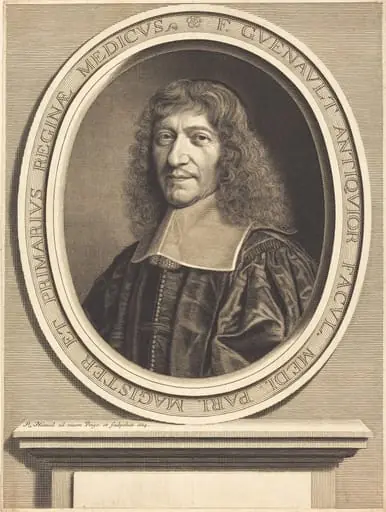
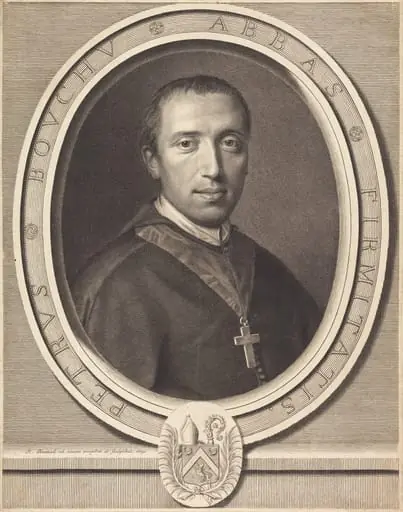
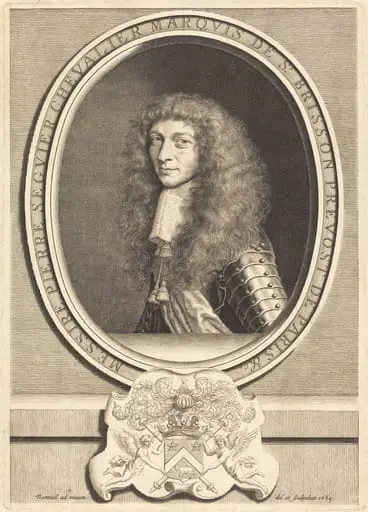
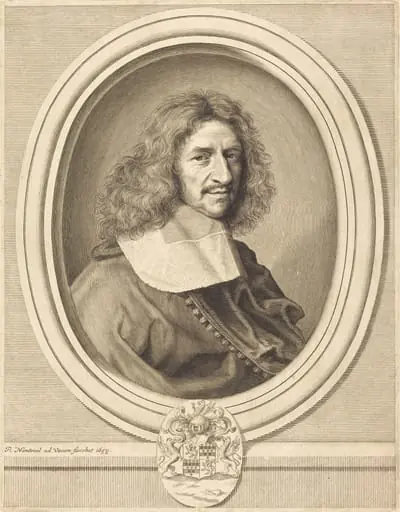
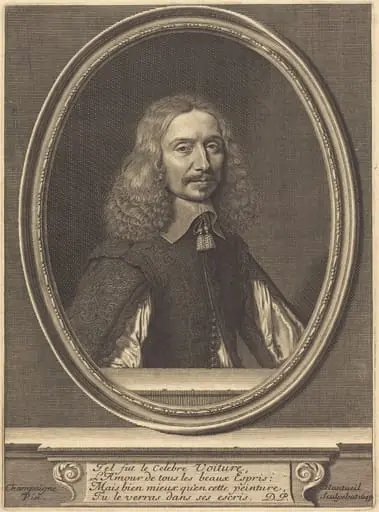
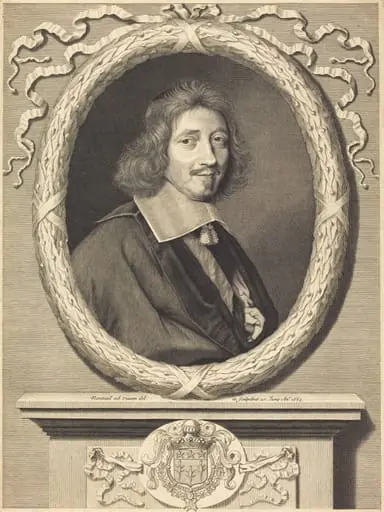
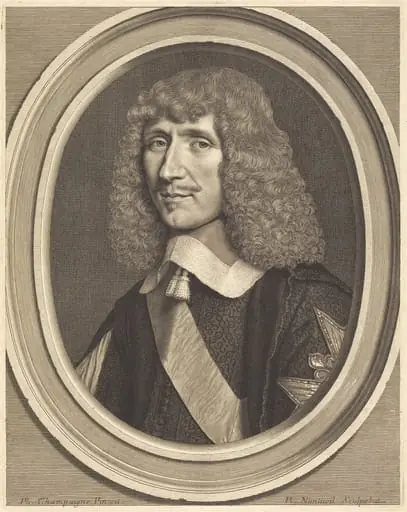
This 1649 engraving by Robert Nanteuil depicts François Mole, a figure associated with the French royal court. Executed in black ink on paper, the work exemplifies Nanteuil’s precision as a portrait engraver during the reign of Louis XIV. The composition is restrained, focusing on the sitter’s face and upper torso against a minimal background, emphasizing formal dignity over narrative detail.
Subject & Meaning
The small heraldic crest at the base implies noble lineage or official position, reinforcing the sitter’s social identity.
François Mole is portrayed with a composed, introspective gaze, suggesting his status and gravitas. His attire—a high-collared, dark jacket with visible buttoning—reflects the conservative dress of courtly officials. The small heraldic crest at the base implies noble lineage or official position, reinforcing the sitter’s social identity. The portrait functions as a record of personal standing rather than a display of personal emotion.
Technique & Style
Nanteuil employed fine, controlled lines and cross-hatching to model form and texture, particularly in the fabric of the jacket and the curls of the sitter’s hair. The shading is subtle yet precise, creating volume without heavy contrast. The background is left largely unadorned except for delicate decorative borders, directing attention to the face and upper body. The engraving’s clarity reflects the technical mastery expected in courtly portraiture.
History & Provenance
Created in 1649, the engraving was likely commissioned as part of a series documenting court figures. Nanteuil, appointed as official engraver to Louis XIV, produced numerous likenesses of nobility and officials during this period. While the original commissioning context is undocumented, the work’s survival in institutional collections suggests early recognition of its technical and historical value.
Context
In mid-17th-century France, engraved portraits served as tools of social documentation and political representation. Nanteuil’s work aligned with the monarchy’s interest in visualizing authority through controlled, repeatable images. His style, characterized by clarity and restraint, contrasted with more ornate Baroque traditions elsewhere in Europe, reflecting French aesthetic priorities of the time.
Legacy
Nanteuil’s engravings, including this one, set a standard for French portrait printmaking in the 17th century. His technique influenced later engravers and contributed to the development of a distinctly French mode of portraiture that prioritized precision and dignity. Though not widely reproduced today, his works remain key references in the study of early modern visual culture.
Artist & collection
Artist
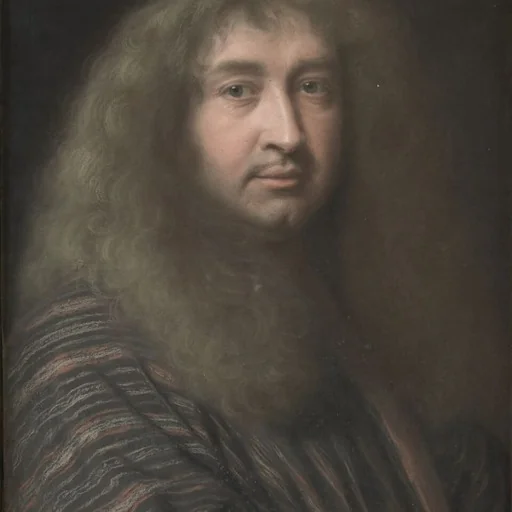
Robert Nanteuil (French pronunciation: ; 1623 – 9 December 1678) was a French portrait artist: engraver, draughtsman and pastellist to the court of Louis XIV.