Artwork
Preaching of John the Baptist in the Wilderness
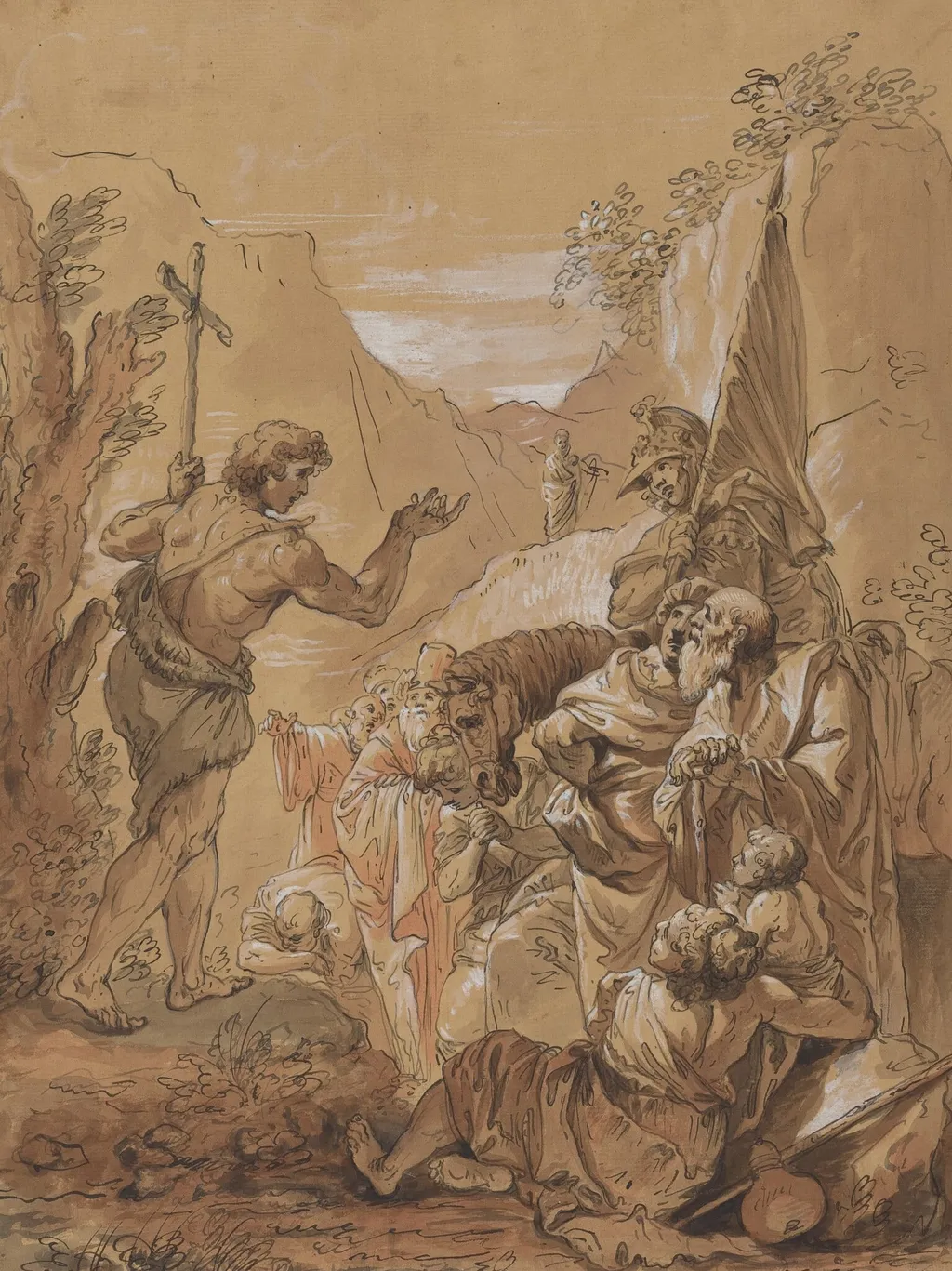
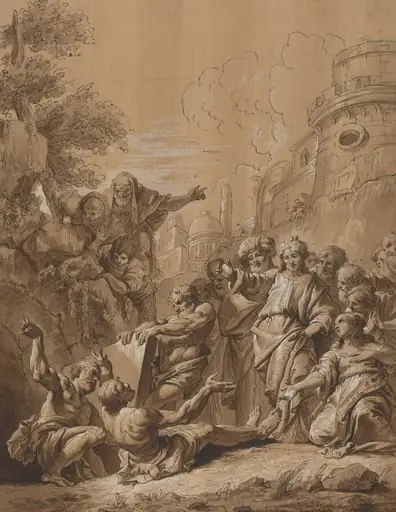
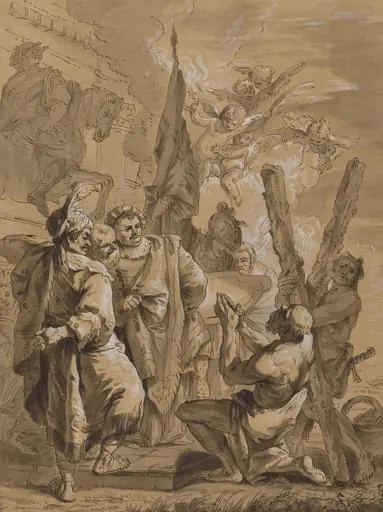
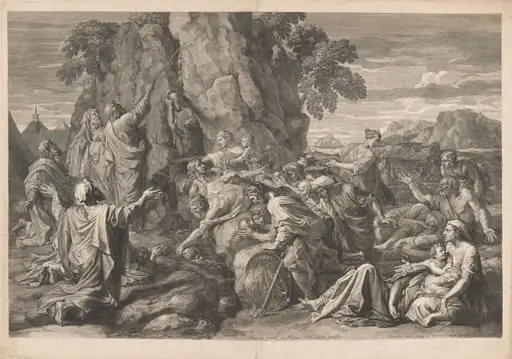
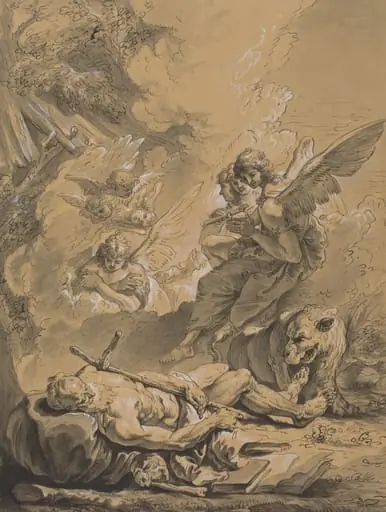
Preaching of John the Baptist in the Wilderness is an ink drawing by the Baroque artist Unknown. It dates from 1701 and is held in the collection of the National Gallery of Art. This 18th-century drawing depicts the preaching of John the Baptist in a rugged wilderness setting.
About this work
The use of brown ink and wash gives the image a sense of depth and dimension.
The painting is called Preaching of John the Baptist in the Wilderness.
It's from the 18th century and is an allegory.
The artist used a mix of pen, brown ink, and brush to create the image, which is a notable aspect of this work, as it showcases the artist's skill in combining different mediums.
This combination of mediums allowed for a range of tones and textures.
The use of brown ink and wash gives the image a sense of depth and dimension.
To learn more about this style, look into the movement: Baroque.
Overview
This 18th-century drawing depicts the preaching of John the Baptist in a rugged wilderness setting. Executed in pen and brown ink with brushwork and wash, it is heightened with white pigment on prepared laid paper. The layered application of media creates subtle tonal variations, emphasizing texture and spatial depth. The work belongs to a tradition of religious allegory common in early modern European draftsmanship.
Subject & Meaning
The scene illustrates John the Baptist delivering his message of repentance amid a desolate landscape, a common biblical motif symbolizing spiritual preparation. Figures are arranged to draw attention to the central prophet, while the barren terrain reinforces themes of isolation and divine calling. The composition reflects theological interpretations of John as a forerunner to Christ, framed within a moralizing visual language.
Technique & Style
The artist employed pen for fine linear detail, brush for broader ink strokes, and wash to model form and shadow. White highlights were added to suggest light striking surfaces, enhancing the three-dimensionality of figures and terrain. This layered approach to ink and wash demonstrates a refined command of monochromatic media, aligning with Baroque draftsmanship that valued expressive contrast and atmospheric effect.
History & Provenance
The drawing’s origin is tied to 18th-century European artistic circles, though the specific artist and early ownership remain undocumented. Its survival suggests it was valued as a study or independent work, possibly created for private devotion or as a preparatory sketch. The paper’s laid texture and preparation indicate it was made for archival quality, typical of serious draftsmen of the period.
Context
Produced during a time when religious themes persisted in art despite secularizing trends, this drawing reflects the enduring influence of biblical narratives in visual culture. Its technique echoes Baroque practices seen in the works of Dutch and Flemish draftsmen, who used ink and wash to convey emotional intensity and naturalistic detail without color.
Legacy
As a well-executed example of monochrome religious drawing, it contributes to the understanding of how biblical subjects were interpreted through graphic media in the 18th century. Though not widely known, it exemplifies the continued relevance of preparatory and devotional drawing in an era increasingly dominated by painting and printmaking.
Artist & collection

 Domestic Scene
 Giacomo and Cardinal Marco, investing Andrea, Abbot of San Zeno, with his Benefice
 The Nymph of Fontainebleau
 Portrait of a Woman
 Madonna and Child with Saints in the Enclosed Garden
 Venus and Minerva
 Family Group of Four on Sofa
 Wall painting from Room H of the Villa of P. Fannius Synistor at Boscoreale