Artwork
The Flagellation
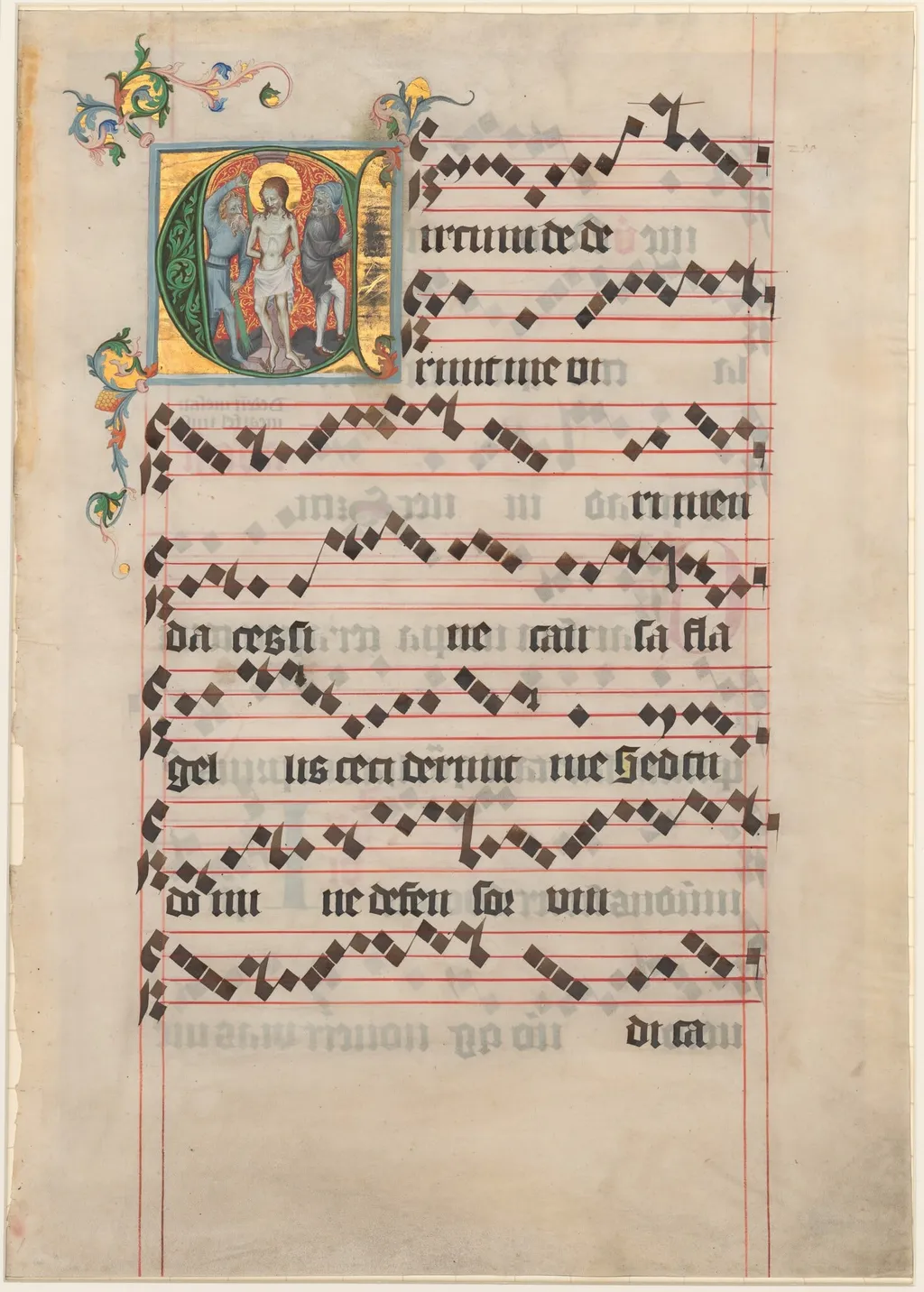
The Flagellation is a drawing by the Renaissance artist Unknown. It dates from 1402 and is held in the collection of the National Gallery of Art. The work is a miniature drawing executed on vellum, depicting a moment of flagellation.
About this work
Overview
The work is a miniature drawing executed on vellum, depicting a moment of flagellation. Its compact size invites close inspection, while the subject draws from a dramatic episode traditionally found in biblical narratives. The piece exemplifies how early modern artists employed intimate formats to convey intense religious scenes.
Subject & Meaning
The composition centers on a figure undergoing flogging, a motif linked to the Passion of Christ and related martyrdom stories. By focusing on the physical act of punishment, the artist emphasizes themes of suffering, penitence, and redemption, inviting contemplation of the spiritual significance behind the visceral portrayal.
Technique & Style
Rendered with meticulous, fine lines, the drawing achieves a sense of texture and spatial depth despite its modest scale. The artist’s handling of tonal transitions hints at the sfumato approach, softening edges to model forms subtly. This delicate line work on vellum demonstrates the precision required for miniature execution.
Context
Created during a period when visual art served as a primary vehicle for biblical storytelling, the piece reflects the era’s devotional focus. Miniatures on vellum were often used for private contemplation or as components of illuminated manuscripts, situating this work within the broader tradition of religious illustration in early modern Europe.
Artist & collection

 Domestic Scene
 Giacomo and Cardinal Marco, investing Andrea, Abbot of San Zeno, with his Benefice
 The Nymph of Fontainebleau
 Portrait of a Woman
 Madonna and Child with Saints in the Enclosed Garden
 Venus and Minerva
 Family Group of Four on Sofa
 Wall painting from Room H of the Villa of P. Fannius Synistor at Boscoreale
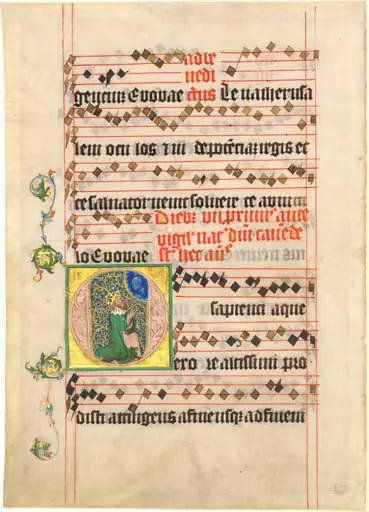 David in Prayer
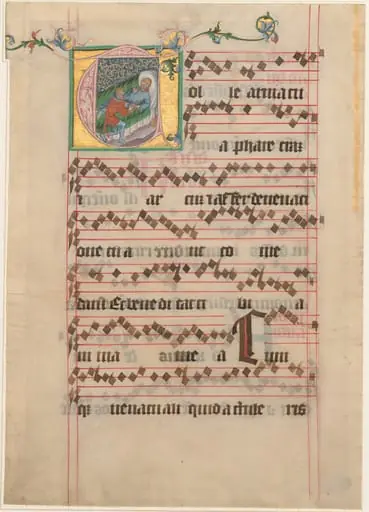 Isaac Blessing Jacob
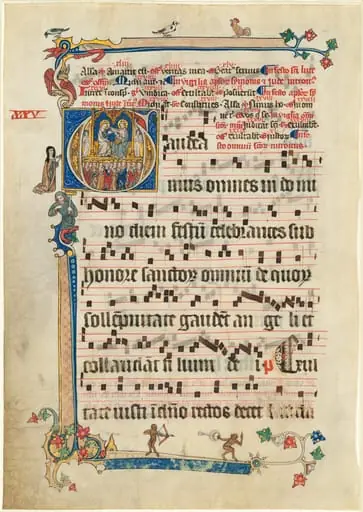 Coronation of the Virgin with Attendant Saints
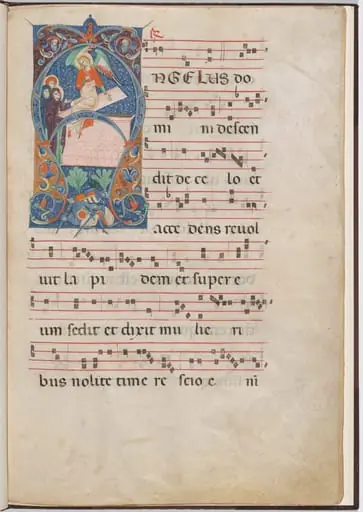 The Three Maries at the Tomb with the Angel of the Resurrection
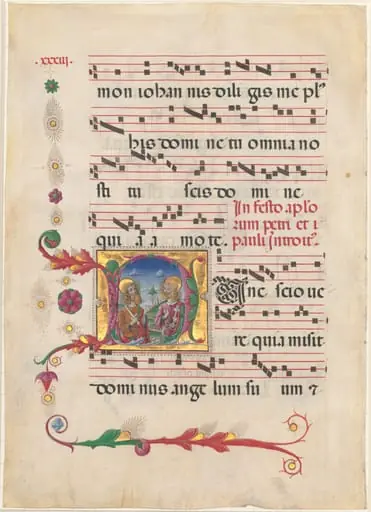 Saints Peter and Paul
 Leaf 3 from an antiphonal fragment
 Leaf 4 from an antiphonal fragment
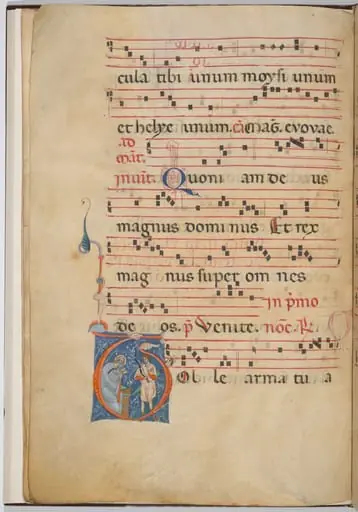 Isaac Sending Esau Out to Hunt
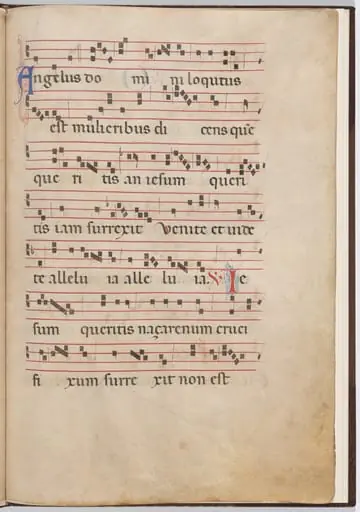 Leaf 2 from an antiphonal fragment
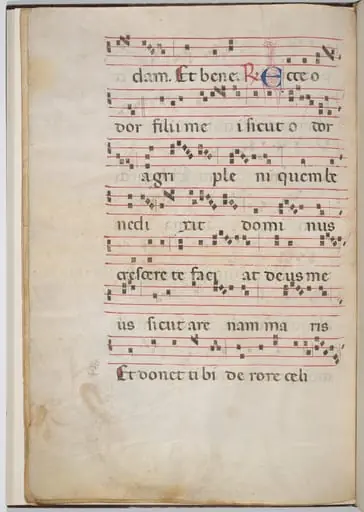 Leaf 8 from an antiphonal fragment (verso)
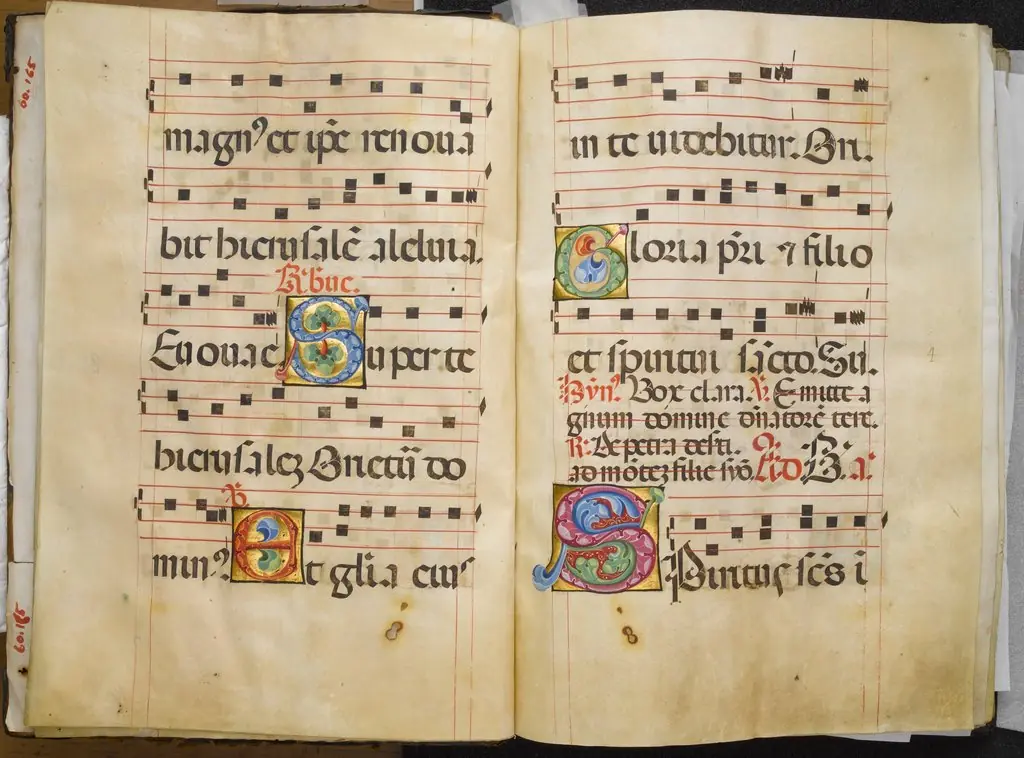 Benedictine Antiphonary
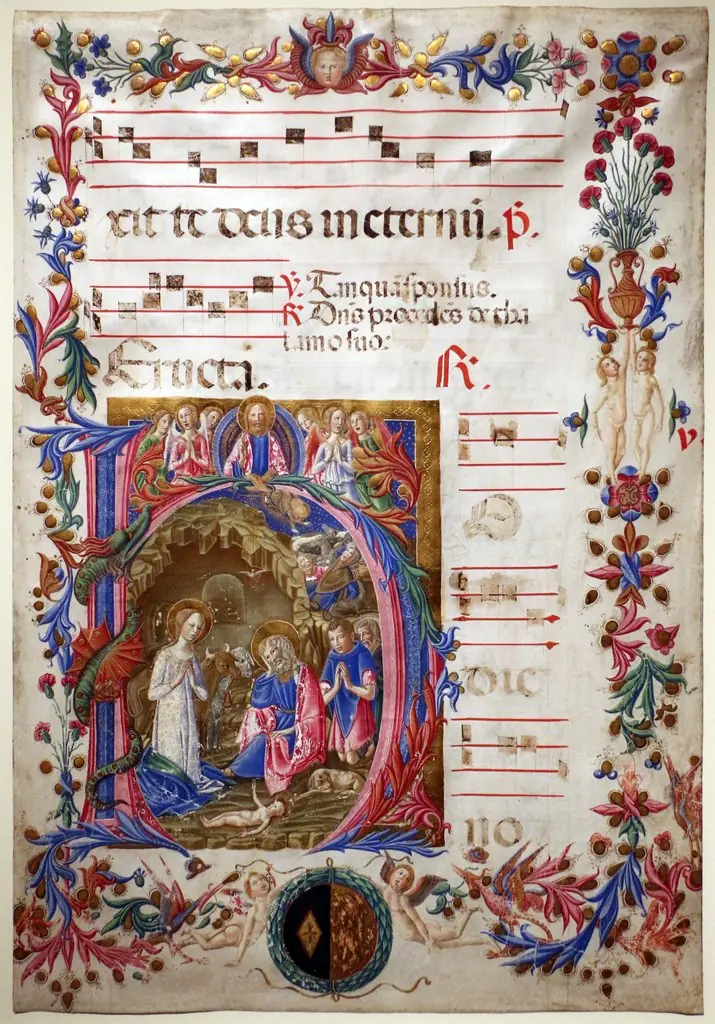 pagina di antifonario con iniziale H e la natività