Artwork
Hell
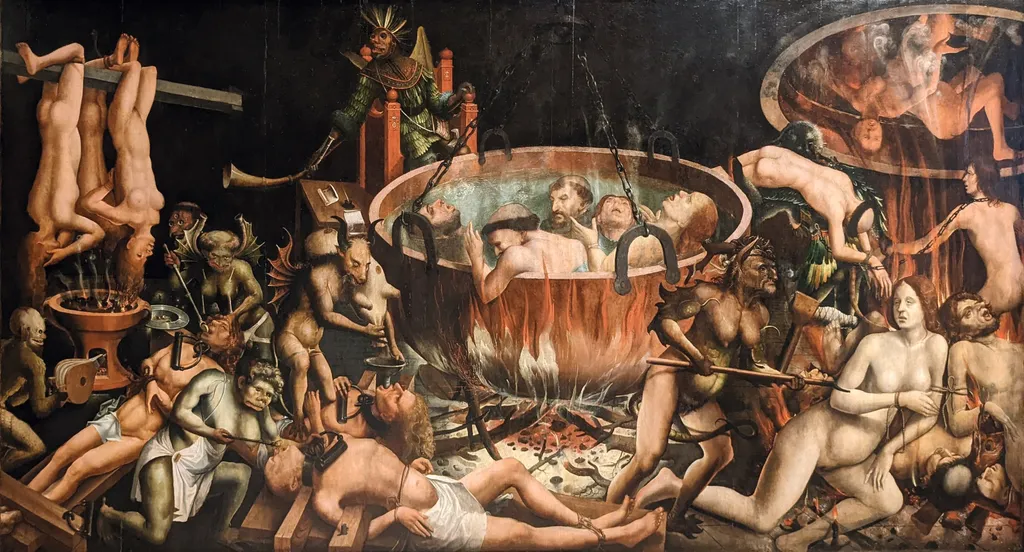
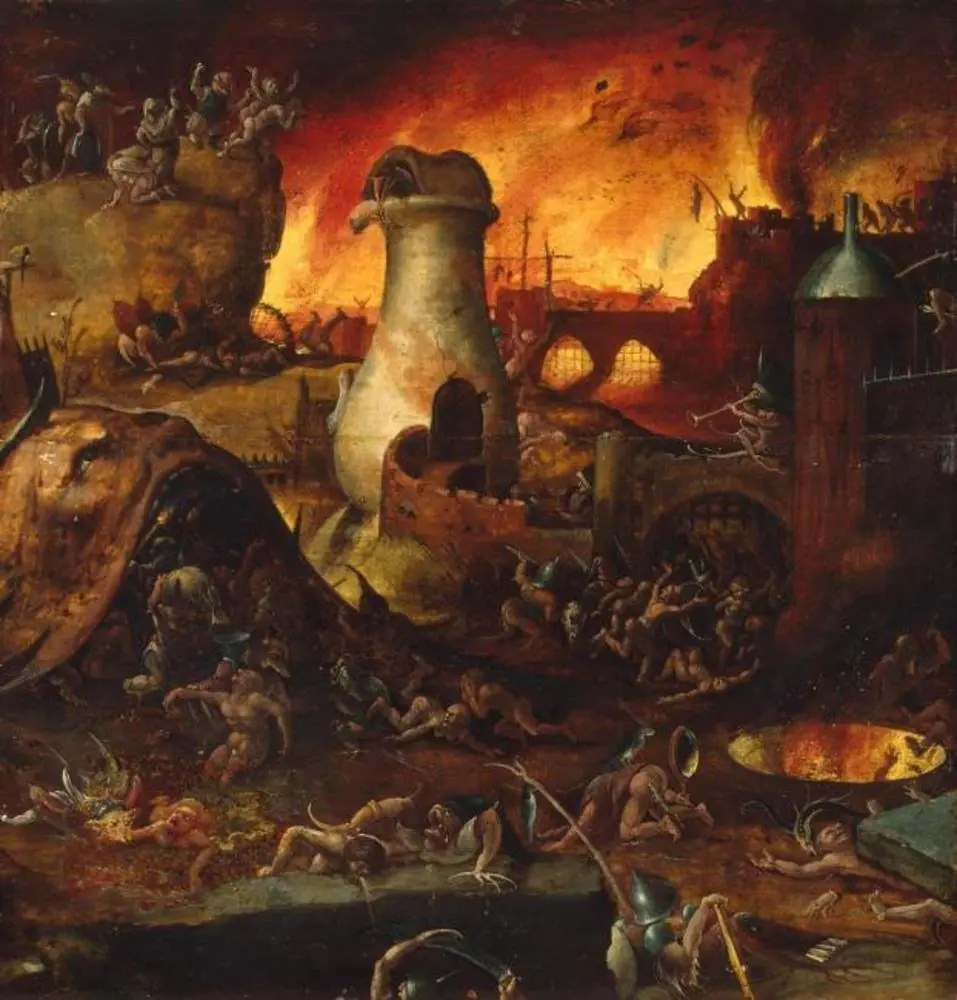
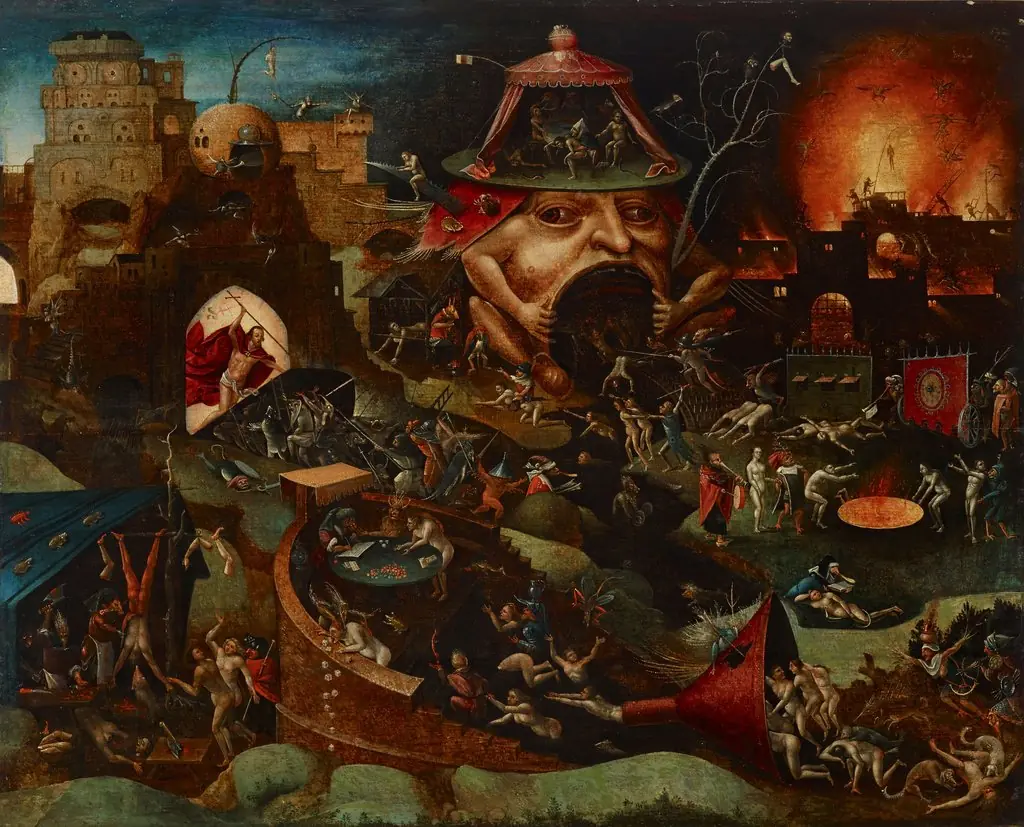
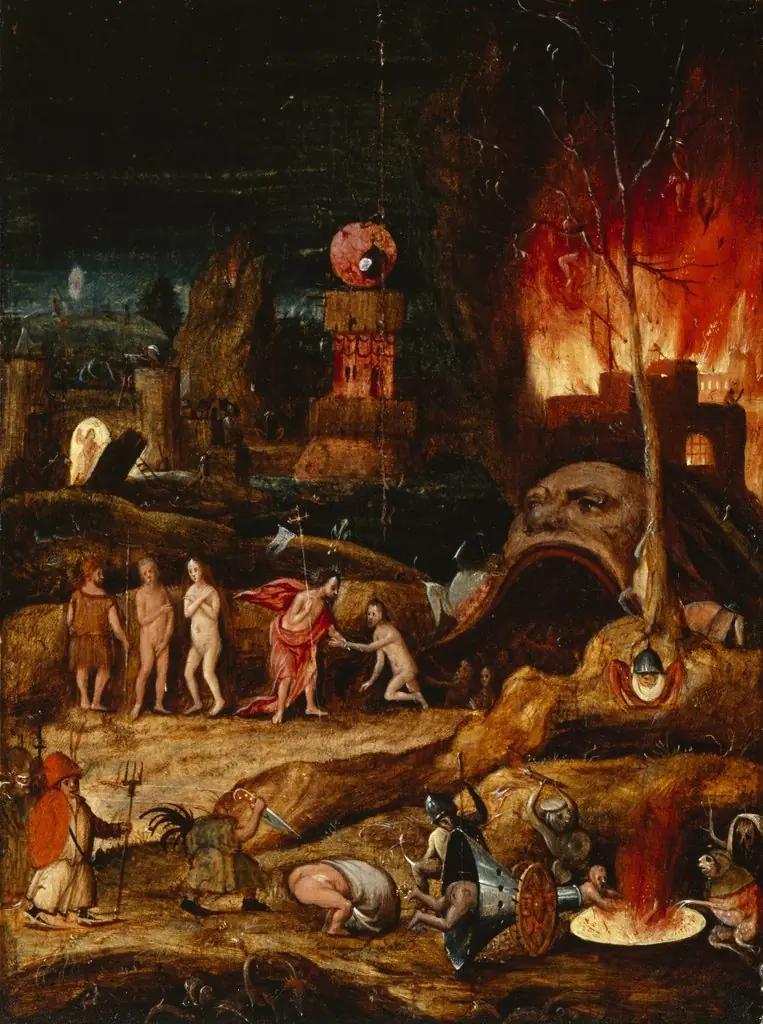
Hell is an oil painting by the Northern Renaissance artist Anonymous master of Hell. It dates from 1505 and is held in the collection of the National Museum of Ancient Art.
About this work
Overview
The work presents a densely populated scene of torment, rendered with meticulous detail and a vivid palette to convey anguish and chaos.
This oil painting, dated around 1505, portrays a vision of hell as a turbulent, infernal realm. Attributed to an anonymous artist known as the Master of Hell, it is held in the collection of the National Museum of Ancient Art. The work presents a densely populated scene of torment, rendered with meticulous detail and a vivid palette to convey anguish and chaos. Its scale and intensity reflect the devotional and moral concerns of its time.
Subject & Meaning
The painting illustrates divine punishment through a multitude of figures enduring violent, grotesque fates—boiling in cauldrons, pierced by weapons, or consumed by flames. Naked bodies signify vulnerability and moral exposure, while the absence of redemption underscores a theological message of eternal consequence. The scene functions as a warning, aligning with medieval and early Renaissance teachings on sin and judgment.
Technique & Style
Executed in oil paint, the work employs layered glazes to achieve depth and luminosity amid darkness. The artist renders textures with precision—charred flesh, molten metal, twisted limbs—enhancing the visceral impact. Dynamic, overlapping figures create a sense of relentless motion, while a limited but intense color range heightens emotional dissonance. The composition lacks spatial logic, prioritizing symbolic overload over naturalism.
History & Provenance
The painting entered the collection of the National Museum of Ancient Art in Lisbon, though its earlier history remains undocumented. Its attribution to an anonymous master reflects the common practice of the period, where workshop production and religious commissions often obscured individual authorship. No records of its original commission or location have survived, leaving its patronage and intended audience speculative.
Context
Created during a period of heightened religious anxiety in late medieval Europe, the painting responds to widespread fears of damnation and the Church’s emphasis on moral accountability. Similar imagery appears in illuminated manuscripts and altarpieces of the era, particularly in regions influenced by Northern Renaissance iconography. It served not merely as decoration but as a didactic tool for the faithful.
Legacy
Though the artist’s identity is lost, the painting endures as a significant example of early 16th-century moral allegory. It contributes to scholarly understanding of how visual culture conveyed theological concepts to largely illiterate audiences. Its preservation in a major museum ensures continued study, offering insight into the visual language of sin and punishment in pre-Reformation Europe.
Artist & collection
Artist