Artwork
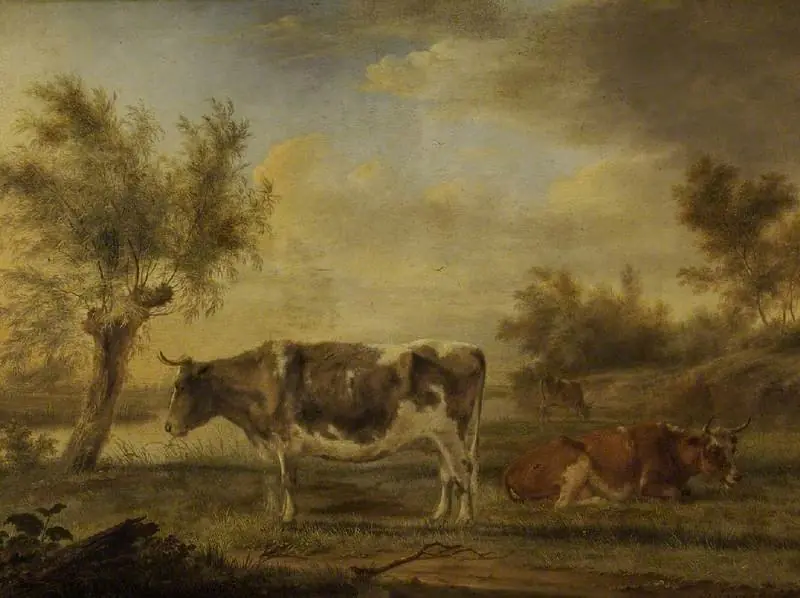
Landscape with cattle
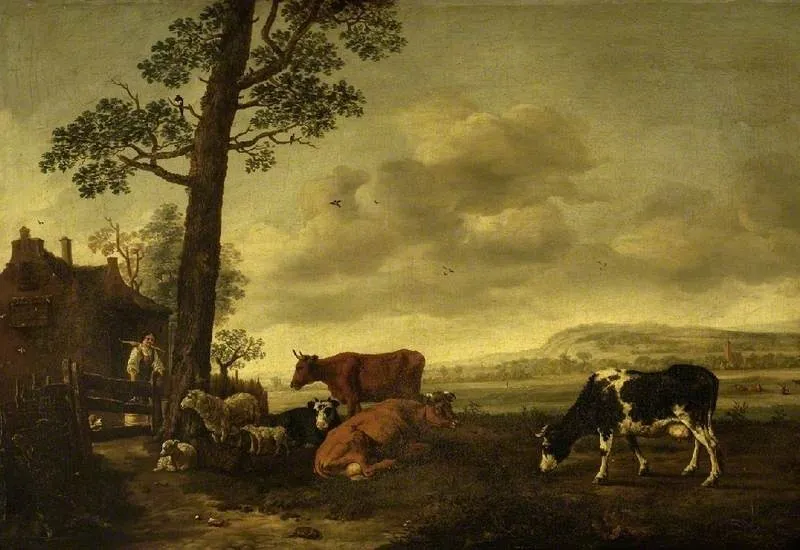
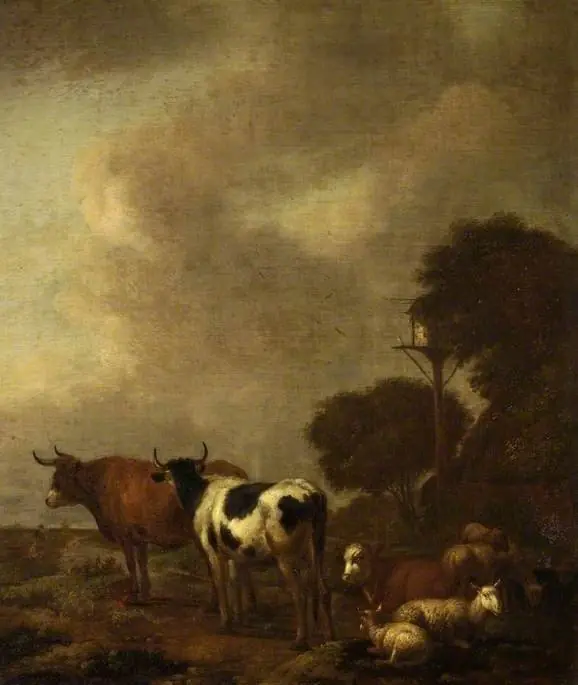
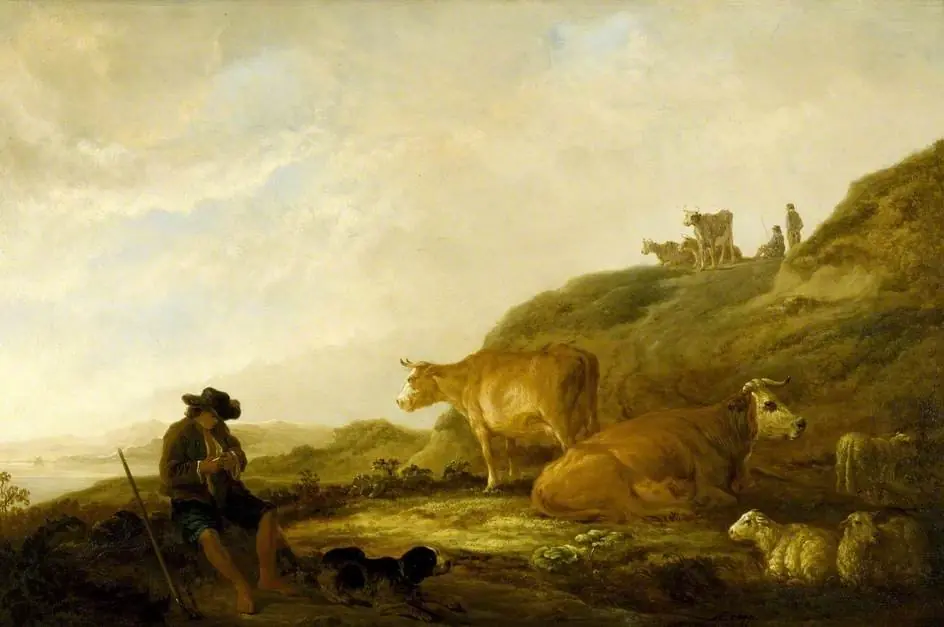
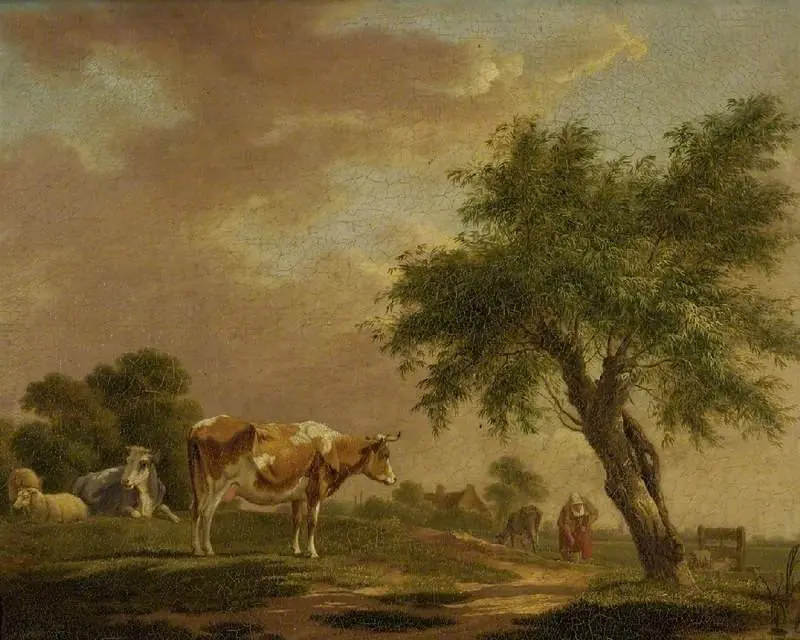
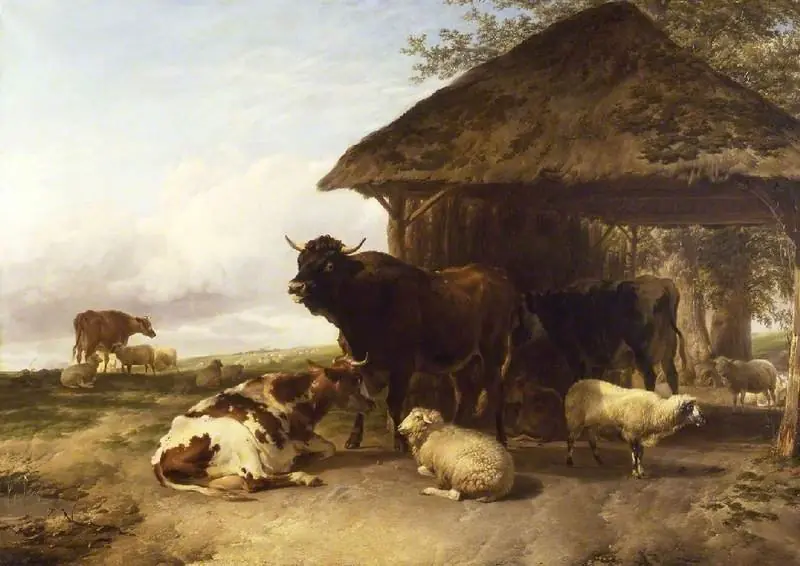
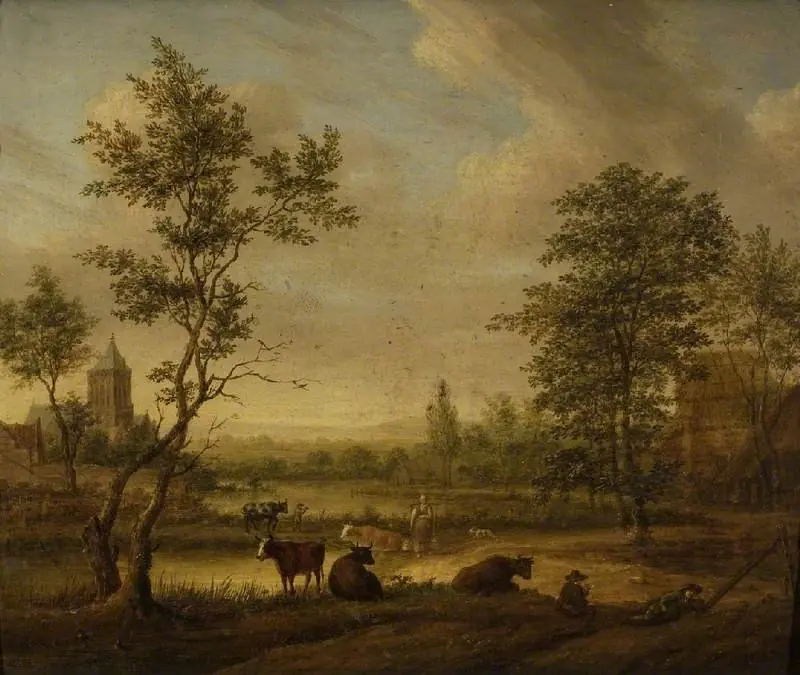
Landscape with cattle is an oil painting by the Dutch Golden Age artist Anthonie van Borssom. It dates from 1664 and is held in the collection of the Fitzwilliam Museum.
About this work
If you're interested in learning more about the artist's techniques, you might want to look into the use of chiaroscuro, impasto, and glazing in his work.
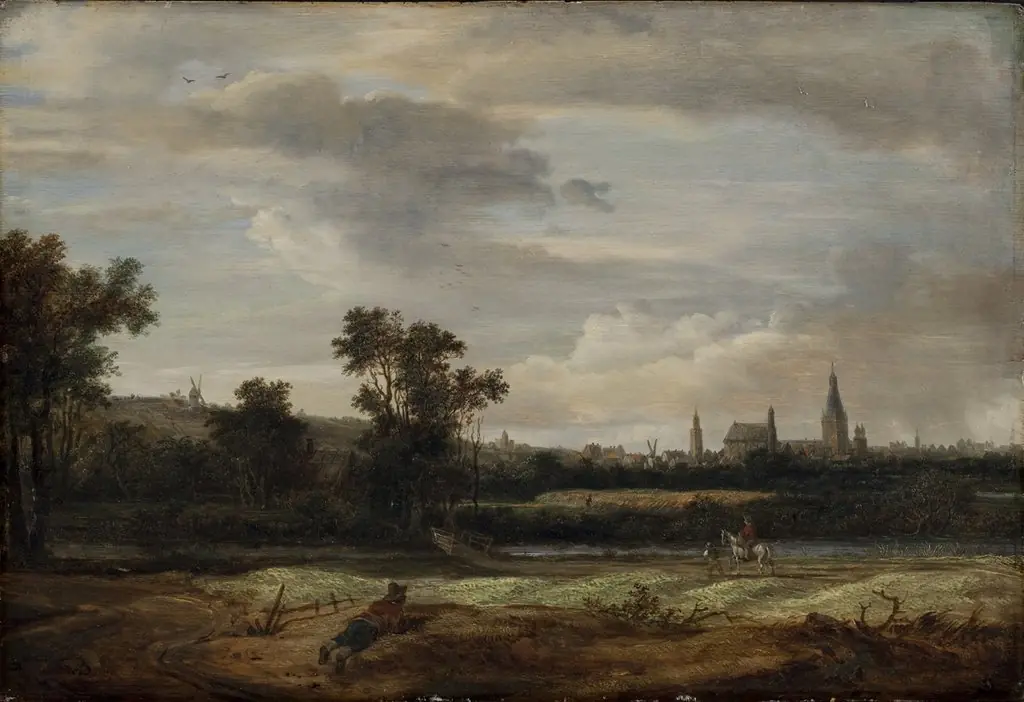
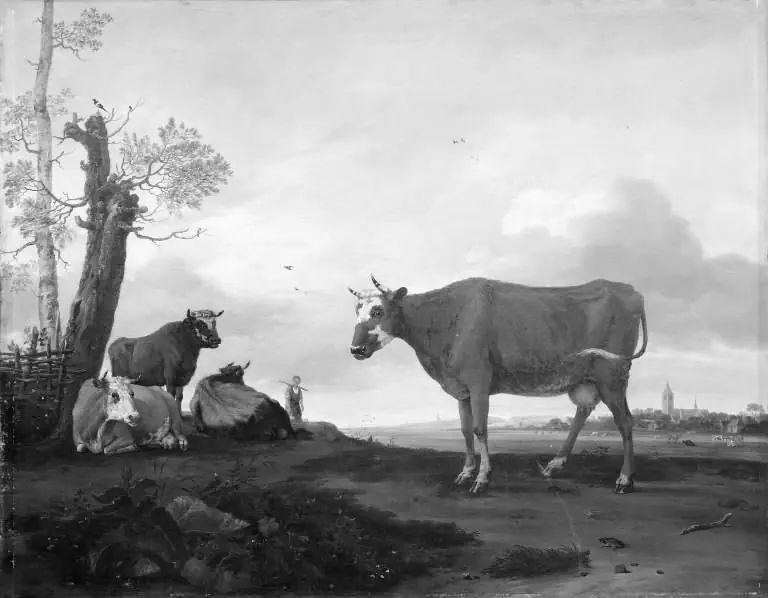
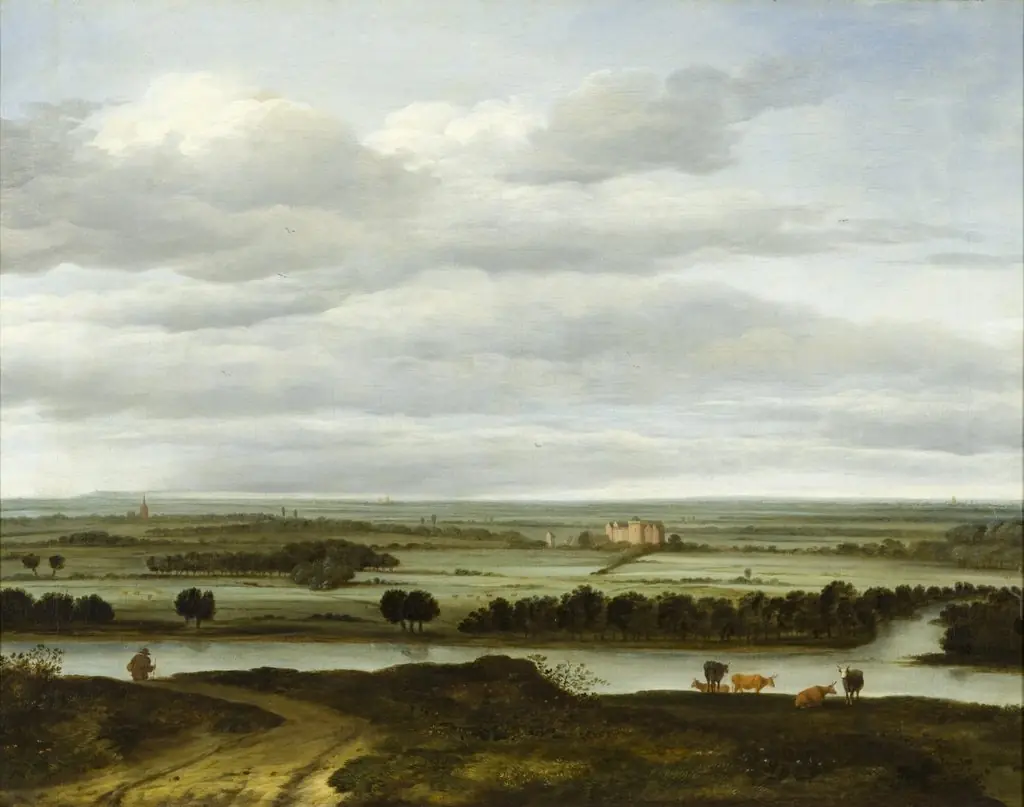
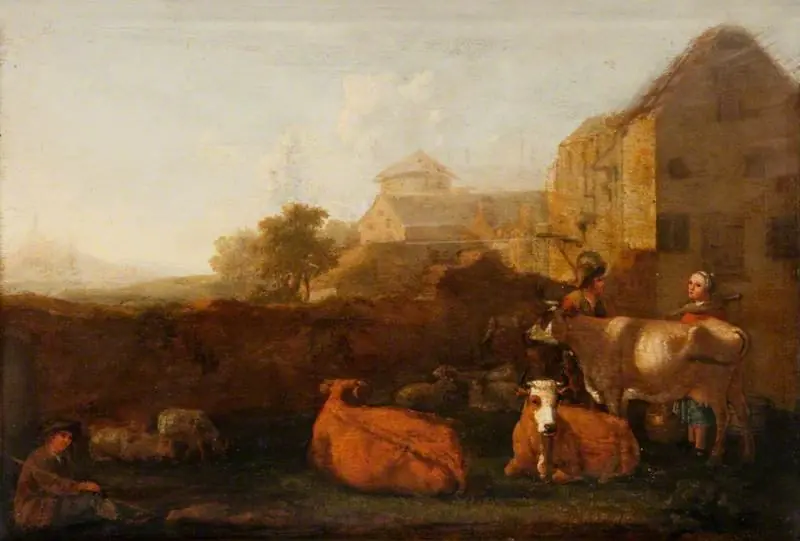
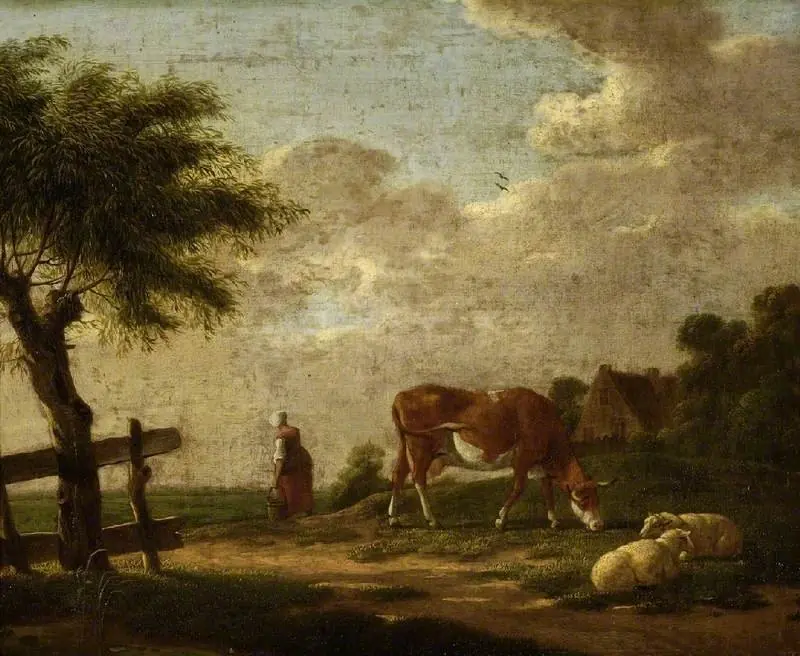
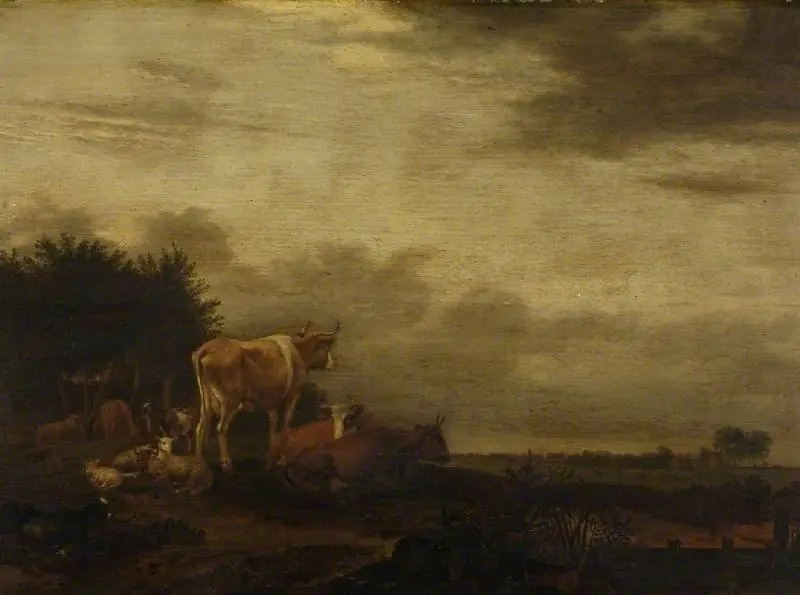
This painting shows a landscape with cattle. In the foreground, a few cows and sheep are gathered near a large tree, with a man standing nearby. The background features a cloudy sky and rolling hills.
The artist has used oil paint to create this scene, which is held at the Fitzwilliam Museum. The painting's style is reminiscent of Dutch landscape paintings from the 17th century.
If you're interested in learning more about the artist's techniques, you might want to look into the use of chiaroscuro, impasto, and glazing in his work.
Overview
Landscape with cattle, painted around 1664 by Anthonie van Borssom, is an oil-on-canvas work depicting a quiet rural scene. It resides in the Fitzwilliam Museum’s collection and exemplifies the Dutch landscape tradition of the mid-seventeenth century. The composition balances natural elements with subtle human presence, reflecting a calm, observational approach to the countryside.
Subject & Meaning
The painting presents a pastoral moment: a group of cattle and sheep gather beneath a large tree, while a solitary figure stands nearby. There is no narrative drama—only the quiet rhythm of daily life. The scene suggests an appreciation for the ordinary, aligning with Dutch values of modesty and harmony with nature during the Golden Age.
Technique & Style
Van Borssom employed oil paint with restrained brushwork to render textures of fur, foliage, and sky. Subtle gradations of light suggest atmospheric depth, and the sky’s cloud formations are softly modeled. While not overtly dramatic, the use of tonal contrast and layered glazes enhances the painting’s quiet realism, typical of regional Dutch landscape practices.
History & Provenance
The painting entered the Fitzwilliam Museum’s collection in the 19th century, though its earlier ownership remains undocumented. It has been consistently attributed to van Borssom since its acquisition, with no evidence of significant alteration or restoration. Its preservation reflects its status as a representative example of a lesser-known but skilled contemporary of more famous Dutch landscapists.
Context
Created during the Dutch Golden Age, the work reflects a broader cultural interest in depicting the everyday landscape. Unlike grand historical or mythological scenes, such paintings celebrated the domestic and rural environment. Van Borssom’s focus on humble animals and unremarkable terrain aligns with the tastes of middle-class patrons who valued authenticity over spectacle.
Legacy
Though van Borssom did not achieve widespread fame, his work contributes to the understanding of regional Dutch painting beyond its most celebrated figures. Landscape with cattle remains a quiet testament to the period’s devotion to natural observation. It continues to be studied for its technical restraint and its role in the evolution of landscape as an independent genre.
Artist & collection