Artwork
Cattle-piece
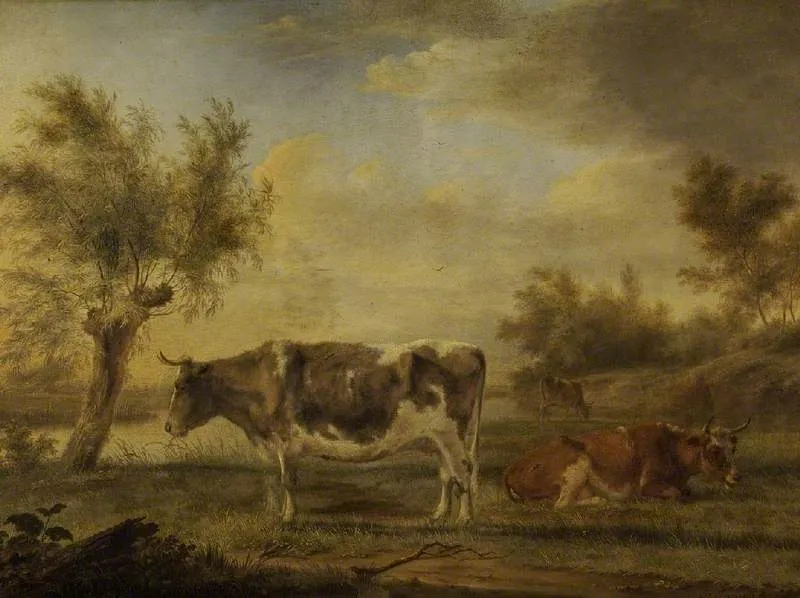
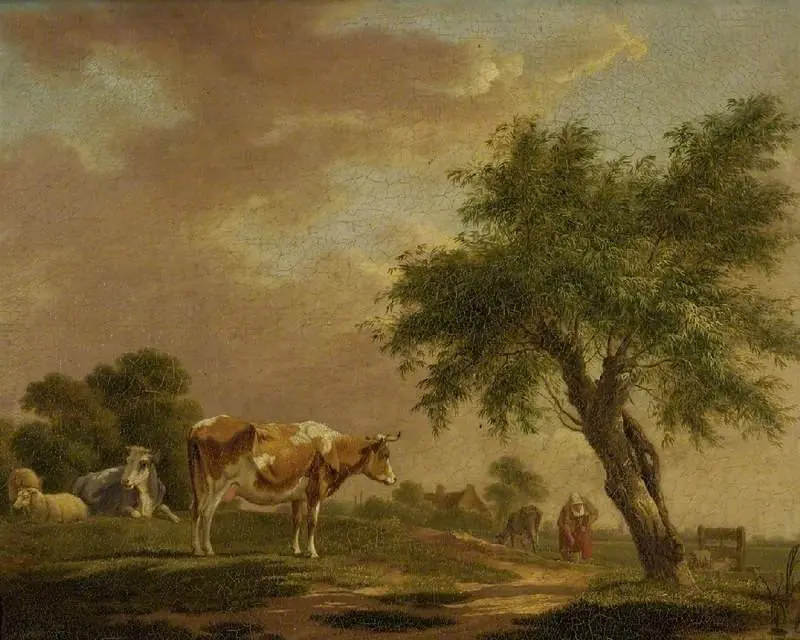
Cattle-piece is an oil painting by Johannes Janson. It dates from 1766 and is held in the collection of the Fitzwilliam Museum.
About this work
Overview
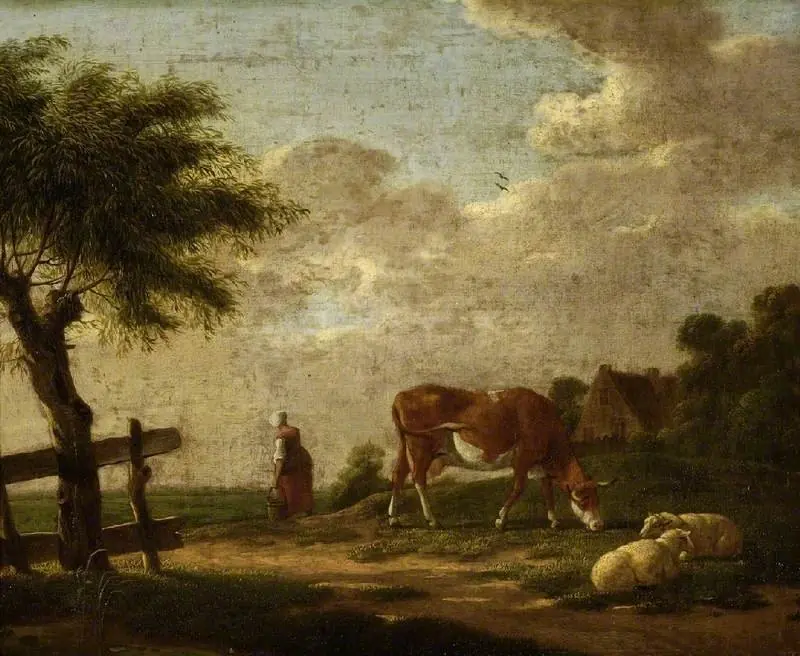
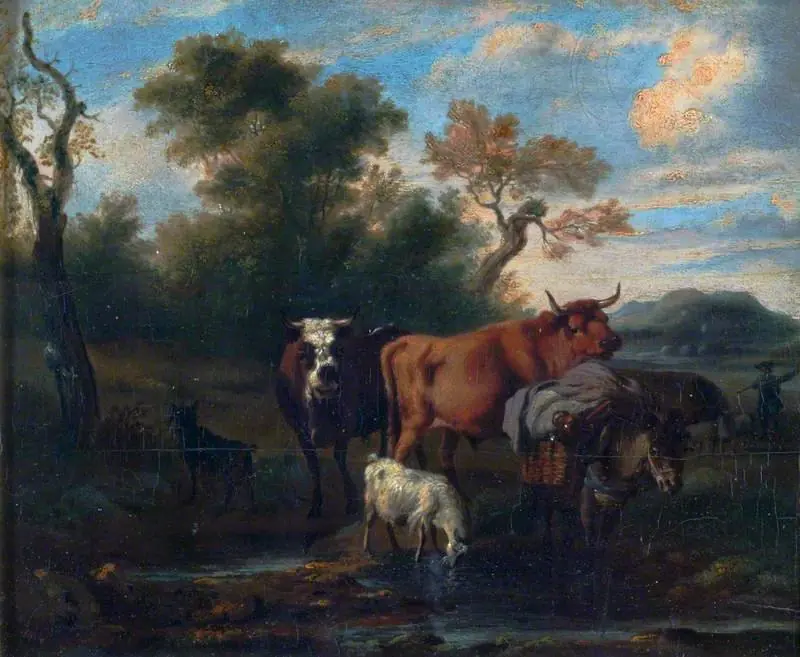
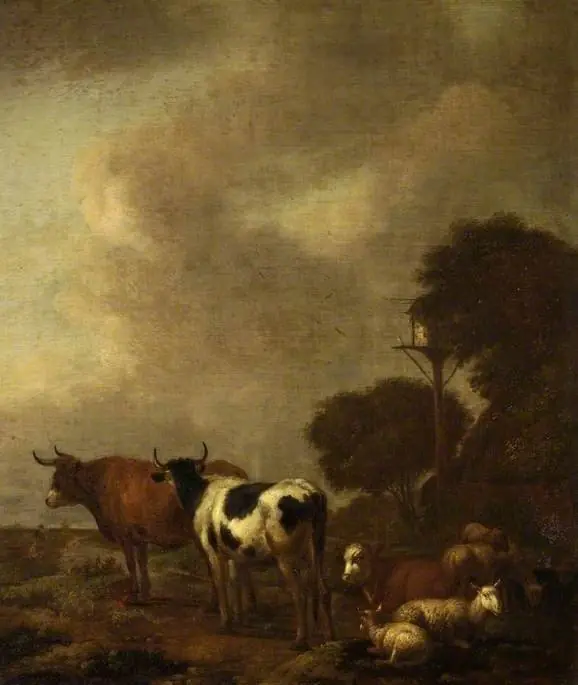
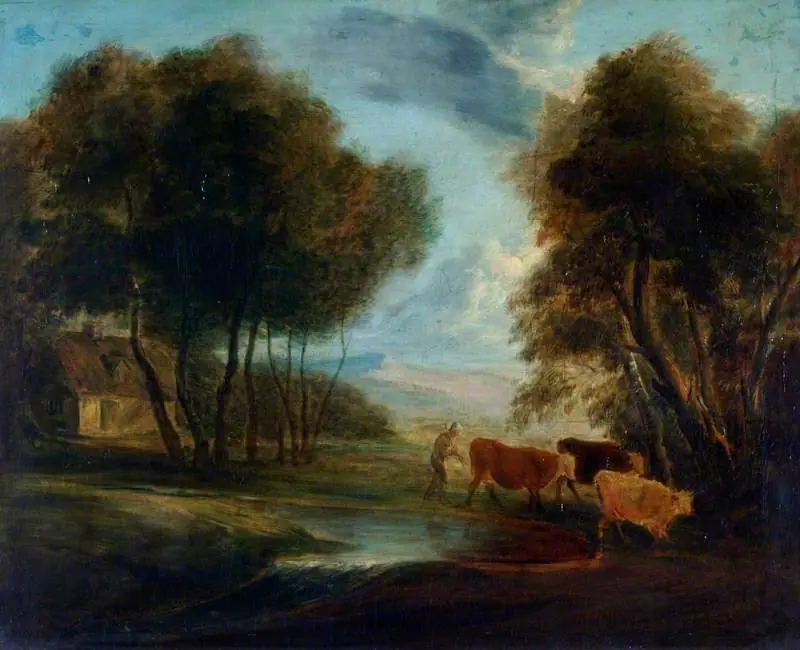
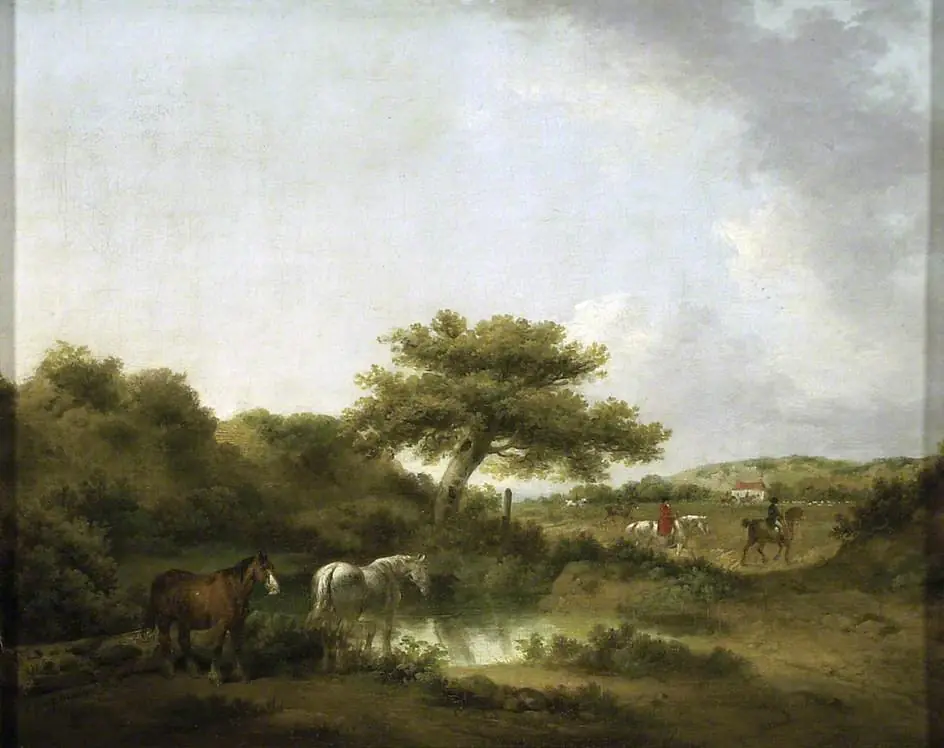
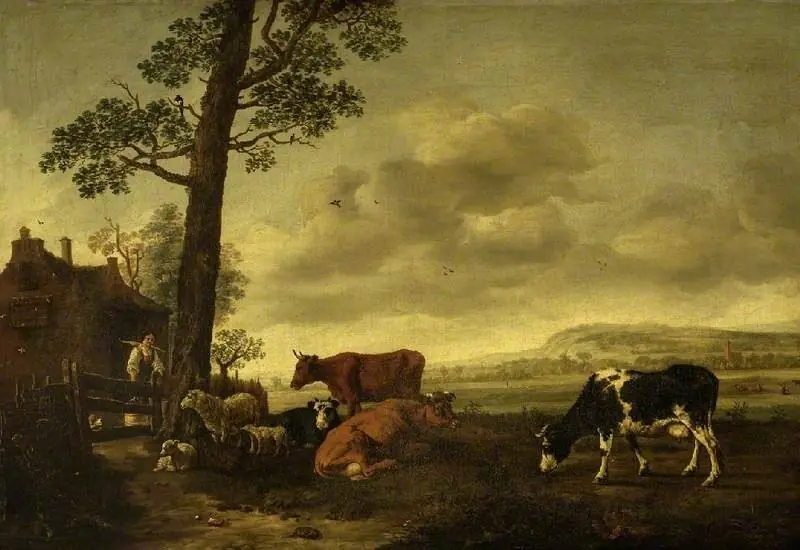
Cattle-piece, dated around 1766, is an oil painting by Johannes Janson, a Dutch artist known for rural scenes. The work depicts a quiet pastoral setting with a small herd of cattle standing in a grassy field. It is part of the collection at the Fitzwilliam Museum in Cambridge, where it is preserved as an example of 18th-century Dutch animal painting.
Subject & Meaning
The painting presents a tranquil agricultural scene, emphasizing the quiet presence of livestock within a natural landscape. There is no narrative or human figure, suggesting a focus on the dignity and stillness of farm animals. The composition reflects an appreciation for everyday rural life, common in Dutch art of the period, where nature and husbandry were observed with quiet reverence.
Technique & Style
Janson rendered the cattle with careful attention to fur texture and varied tonal tones, distinguishing each animal through subtle shifts in color and shading.
Janson rendered the cattle with careful attention to fur texture and varied tonal tones, distinguishing each animal through subtle shifts in color and shading. The trees in the background are rendered in layered greens, suggesting depth without sharp detail. The sky, softly modeled in pale blue and white, contributes to a calm atmospheric mood, characteristic of Dutch landscape traditions that prioritize naturalism over drama.
History & Provenance
The painting has been held by the Fitzwilliam Museum since at least the 19th century, though its earlier ownership is undocumented. It was likely acquired during a period when British collectors sought Dutch genre works. No significant alterations or restorations are recorded, and it remains in stable condition, preserving the artist’s original brushwork and color palette.
Context
In mid-18th century the Netherlands, depictions of livestock and farmland were common among artists who catered to urban patrons nostalgic for rural life. Janson’s work aligns with this trend, reflecting a broader cultural interest in agrarian stability and the quiet beauty of the countryside, even as industrialization began to reshape European society.
Legacy
While Johannes Janson is not widely known today, Cattle-piece contributes to the understanding of lesser-known Dutch painters who documented rural life with quiet precision. The work stands as a modest but representative example of provincial animal painting, offering insight into the aesthetic values of its time without seeking grandeur or spectacle.
Artist & collection