Artwork
Archbishop Laud
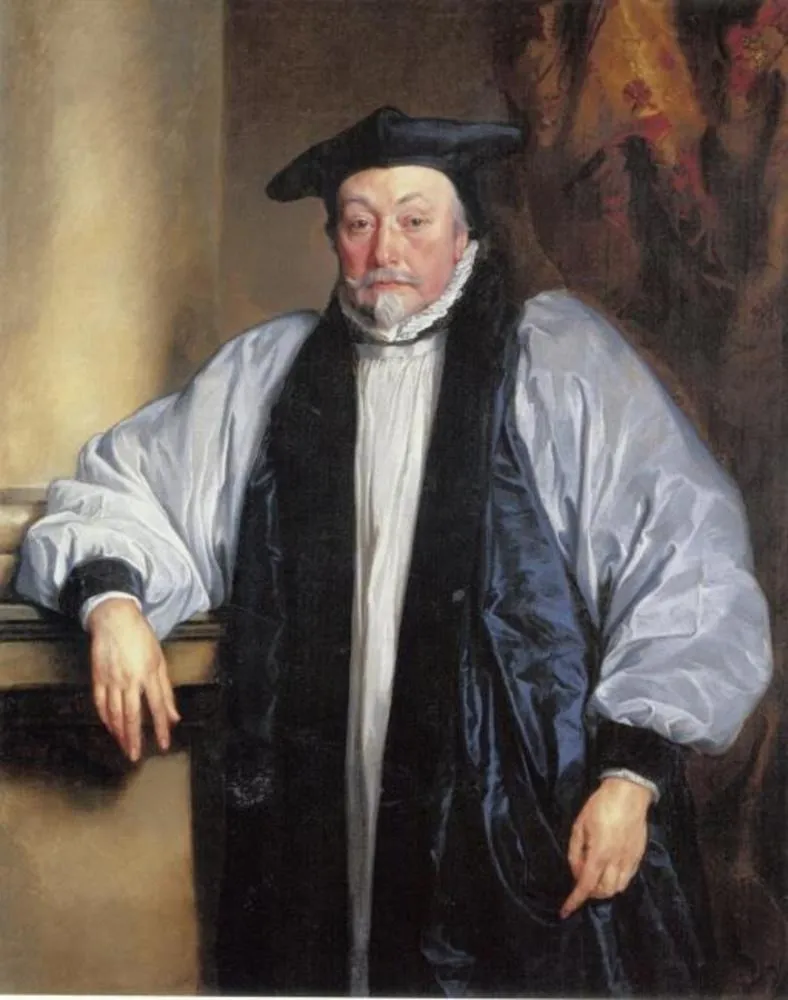
Archbishop Laud is an oil painting by the Flemish Baroque painting artist Anthony van Dyck. It dates from 1638 and is held in the collection of the Fitzwilliam Museum.
About this work
Overview
The figure is clothed in a black ecclesiastical robe with a broad white ruff, his left hand resting on a low ledge, and a black hat perched on his head.
Anthony van Dyck’s 1638 oil portrait presents the English Archbishop William Laud seated against an unadorned dark backdrop. The figure is clothed in a black ecclesiastical robe with a broad white ruff, his left hand resting on a low ledge, and a black hat perched on his head. The composition is restrained, emphasizing Laud’s dignified bearing and the painter’s skill in rendering texture and form.
Subject & Meaning
William Laud, a leading figure in the Church of England during the early Stuart period, is shown with a calm yet authoritative expression, reflecting his reputation as a decisive administrator and theological reformer. The solemn pose and austere attire convey both his clerical office and the gravitas associated with his role in shaping religious policy under King Charles I.
Technique & Style
Van Dyck employs a subtle chiaroscuro, allowing the illuminated face to emerge from the surrounding darkness while the black robe creates a strong tonal contrast. The brushwork is smooth and refined, characteristic of his courtly portraiture, and the muted background eliminates distraction, focusing attention on the sitter’s features and the delicate rendering of fabric and flesh.
History & Provenance
Created shortly after van Dyck’s appointment as court painter in England, the portrait entered the collection of the Fitzwilliam Museum, where it remains on display. The work exemplifies the artist’s adaptation of Flemish Baroque techniques to English patronage, marking a significant moment in the visual documentation of the nation’s ecclesiastical hierarchy.
Artist & collection
Artist
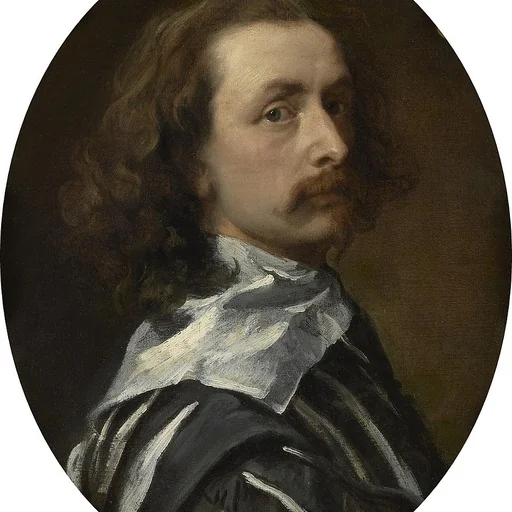
Sir Anthony van Dyck (; Dutch: Antoon van Dijck ; 22 March 1599 – 9 December 1641) was a Flemish Baroque artist, who became the leading court painter in England after success in the Spanish Netherlands and Italy.

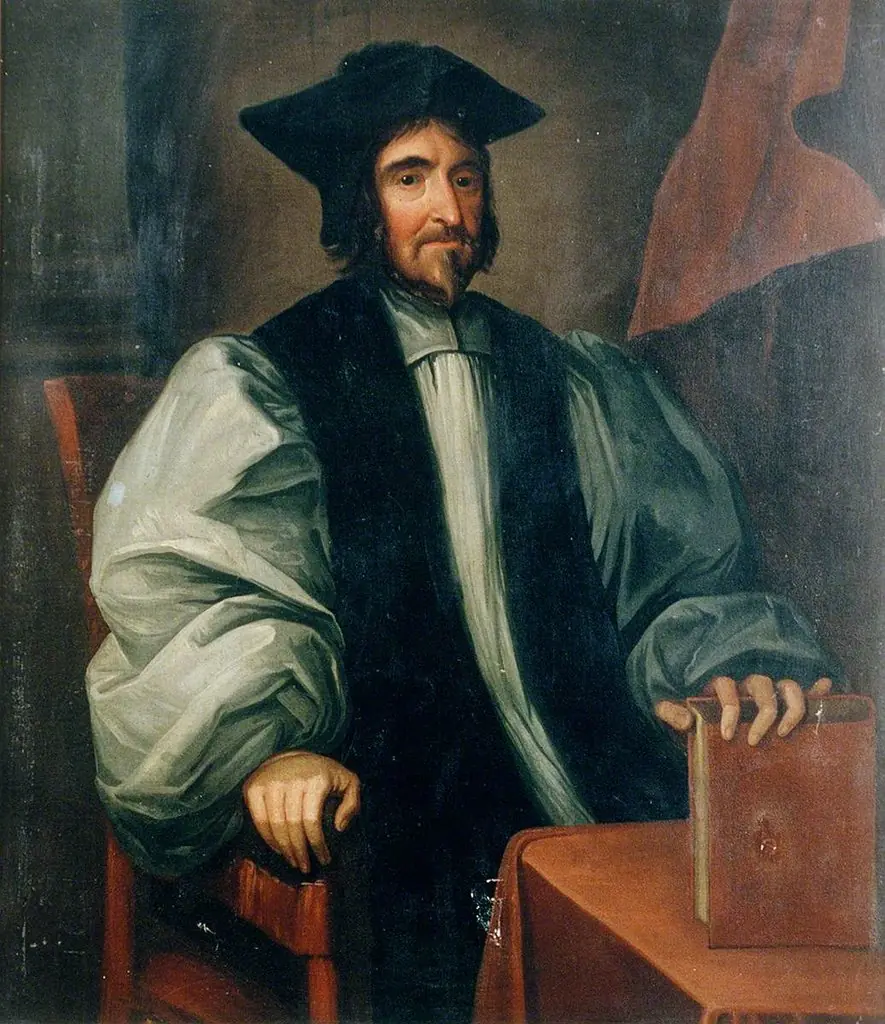 Robert Morgan (1608-1673), Bishop of Bangor
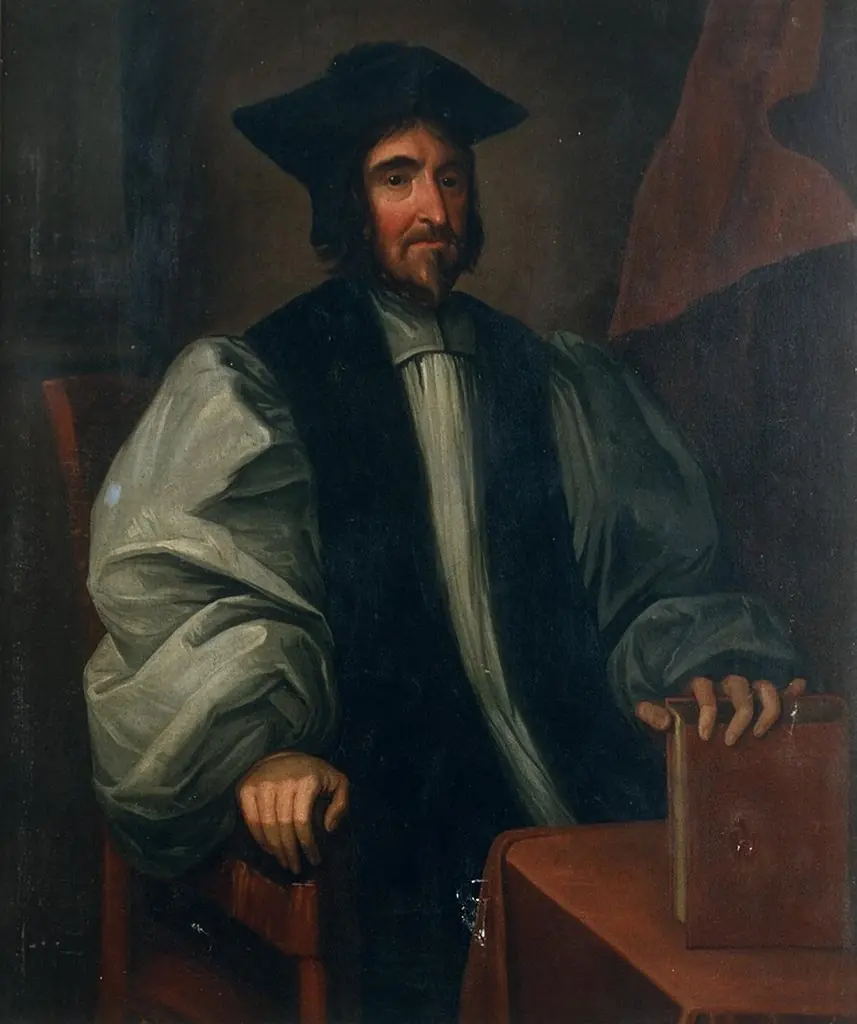 Robert Morgan, Bishop of Bangor (1608-73)
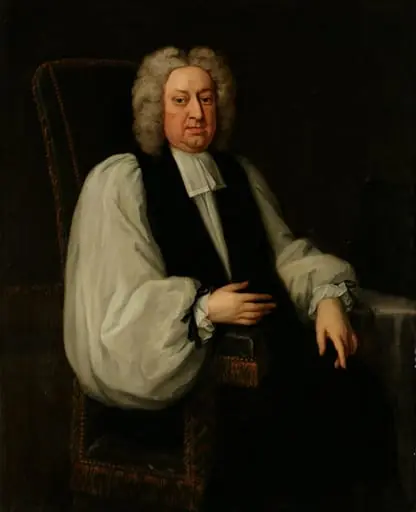 Jonathan Swift
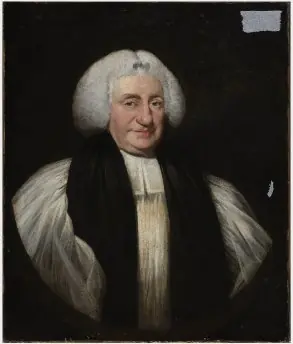 Possibly Henry Maule, Bishop of Cloyne (1676-1758)
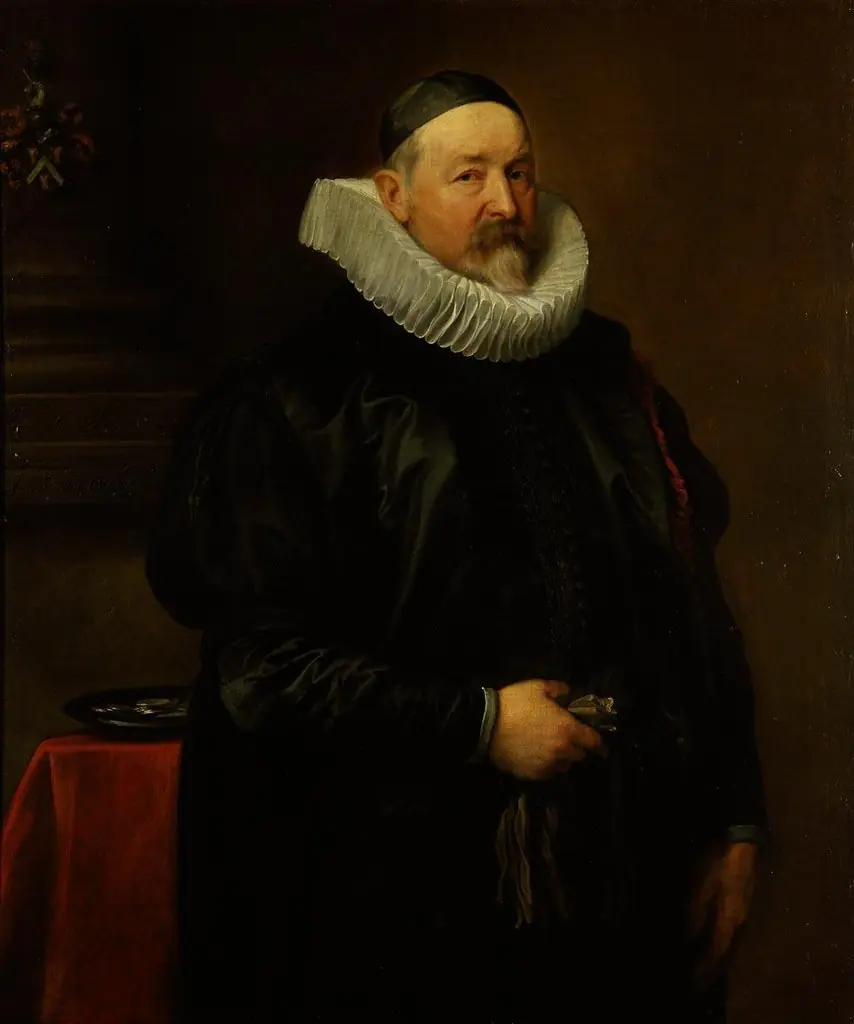 Portrait of the Antwerp city almoner Adriaen Stevens, aged 68
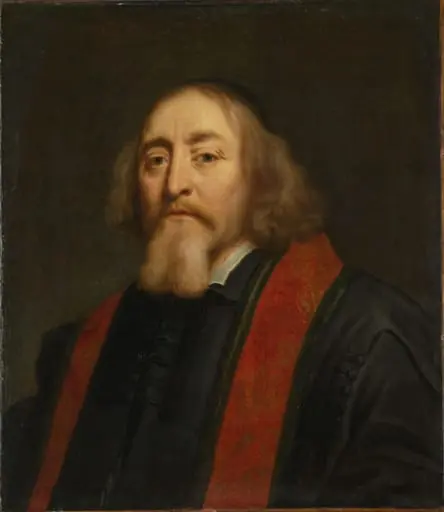 Portrait of Jan Amos Comenius
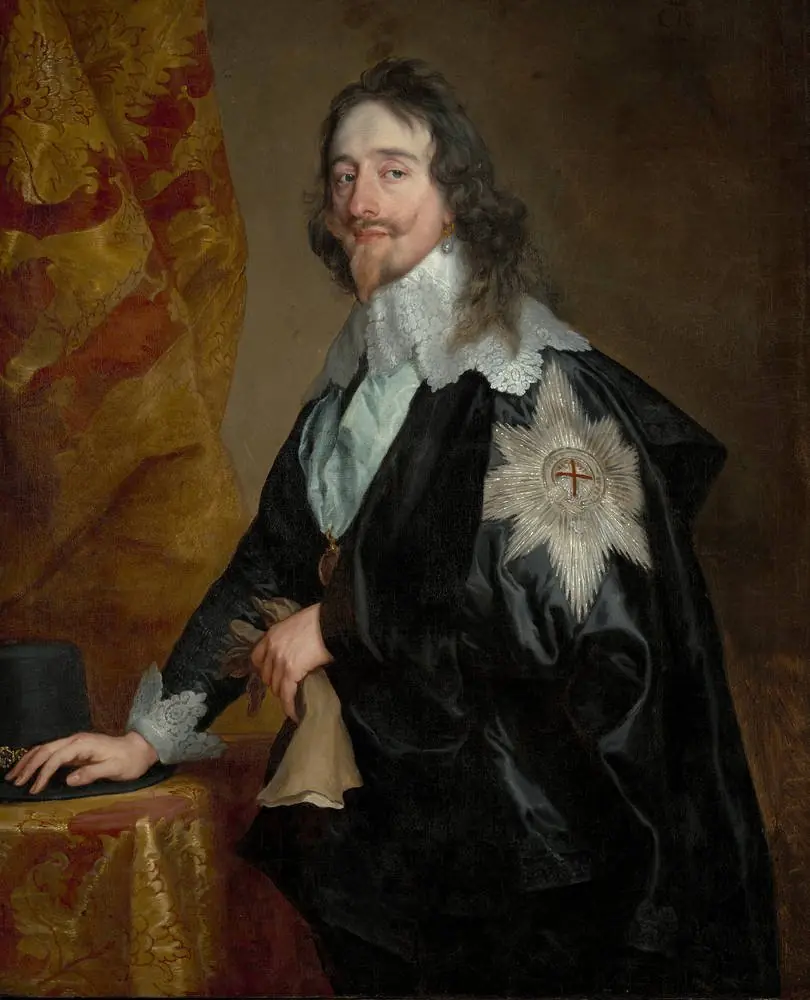 Portrait of King Charles I (1600-1649), with the Order of the Garter
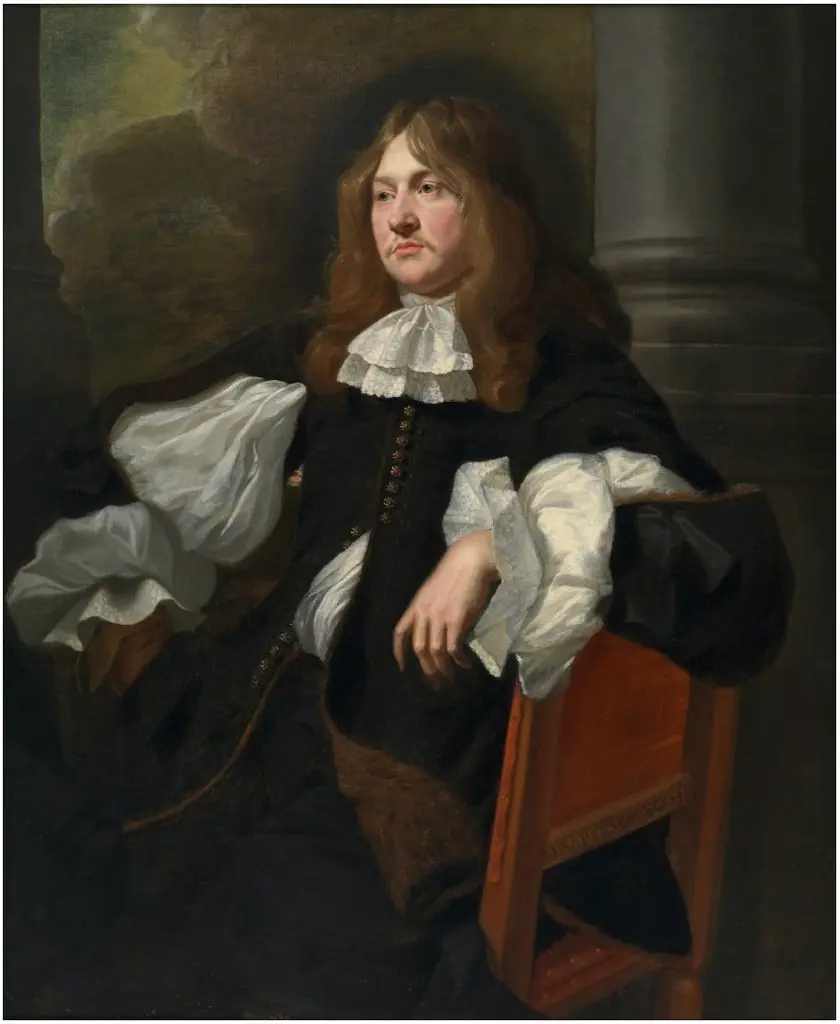 Portrait of Edward Hyde