Artwork
Descent from the Cross
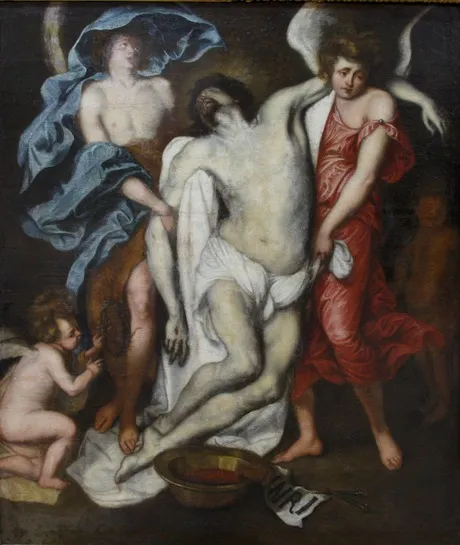
Descent from the Cross is an oil painting by the Flemish Baroque painting artist Anthony van Dyck. It is held in the collection of the National Gallery of Armenia.
About this work
Overview
It is currently held in the National Gallery of Armenia, where it stands as one of the few van Dyck works in the region's public collection.
Painted around 1650, *Descent from the Cross* is an oil-on-canvas work by Anthony van Dyck, reflecting his mature style developed after years of travel and service in European courts. Though rooted in the Flemish Baroque tradition, the painting reveals a restrained emotional tone, distinct from the dramatic intensity of his earlier influences. It is currently held in the National Gallery of Armenia, where it stands as one of the few van Dyck works in the region's public collection.
Subject & Meaning
The painting portrays the moment Christ’s body is carefully lowered from the cross, a scene of quiet mourning rather than overt spectacle. Surrounding figures—likely Joseph of Arimathea, Nicodemus, and the Virgin Mary—engage in solemn ritual, their gestures conveying grief without theatricality. A cherub hovers above, symbolizing divine presence, while a bowl of blood at the foreground underscores the physical reality of sacrifice, reinforcing the spiritual gravity of the moment.
Technique & Style
Van Dyck employs oil paint with refined brushwork, emphasizing texture in fabric and skin. The figures are illuminated against a deep, neutral background, heightening their three-dimensionality. Rich reds and blues in the garments contrast with the pale shroud of Christ, directing focus to the central form. The composition is tightly controlled, avoiding excess motion; even the cherub’s placement feels deliberate, contributing to the painting’s meditative rhythm.
History & Provenance
Created late in van Dyck’s career, the painting likely dates to his final years in England, though its exact commission and early ownership remain undocumented. It entered the National Gallery of Armenia’s collection in the 20th century, possibly through state acquisition or diplomatic exchange. Its presence there reflects broader Soviet-era efforts to assemble Western European art in public institutions, though its journey from 17th-century Europe to Yerevan is not fully traced.
Context
Van Dyck painted this work during a period when religious imagery was still vital in Catholic and Protestant regions, despite growing secularization. His style, shaped by Rubens and Italian Renaissance models, blended emotional restraint with aristocratic elegance. In this piece, the absence of crowds or dramatic lighting signals a shift toward intimate devotion, aligning with Counter-Reformation ideals that favored personal piety over public spectacle.
Legacy
Though less celebrated than van Dyck’s portraits, *Descent from the Cross* exemplifies his ability to convey spiritual gravity through subtlety. Its presence in Armenia underscores the global dispersion of Flemish art beyond its origins. The painting’s quiet dignity influenced later generations of religious painters who sought emotional depth without melodrama, preserving van Dyck’s legacy beyond courtly commissions.
Artist & collection
Artist
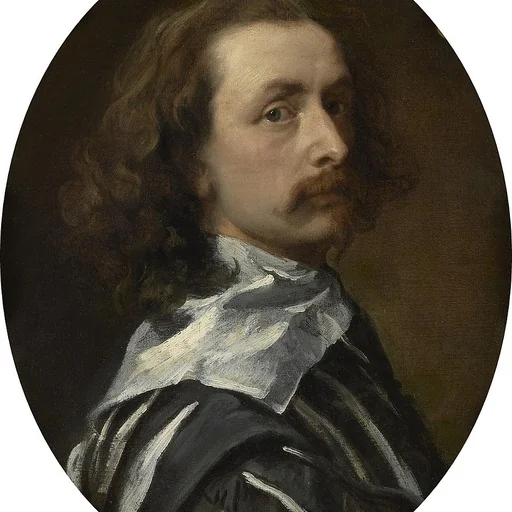
Sir Anthony van Dyck (; Dutch: Antoon van Dijck ; 22 March 1599 – 9 December 1641) was a Flemish Baroque artist, who became the leading court painter in England after success in the Spanish Netherlands and Italy.

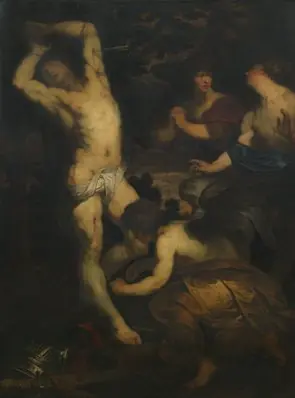 Saint Sebastian
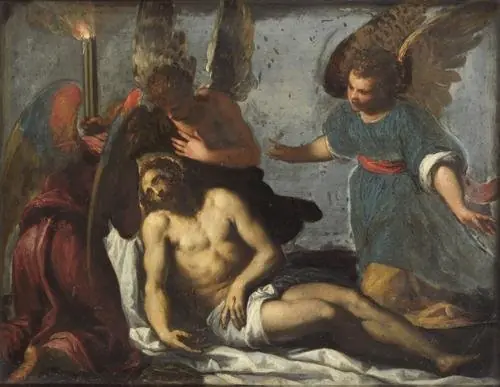 Lamentation with angels
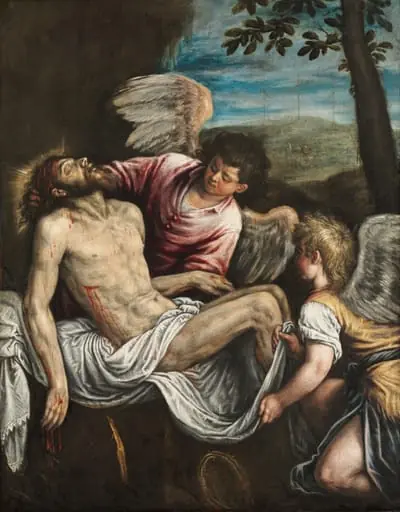 The Dead Christ with Angels
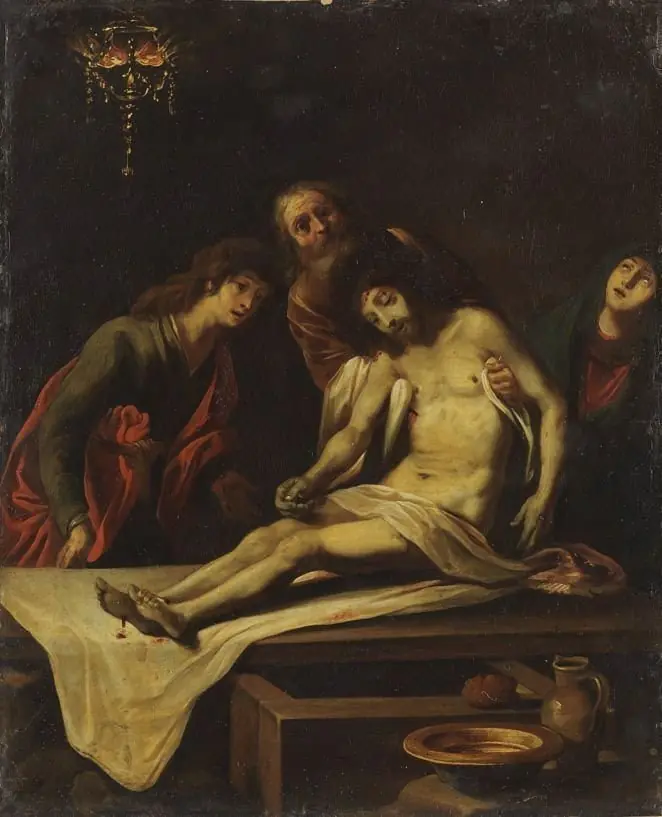 Grablegung Christi
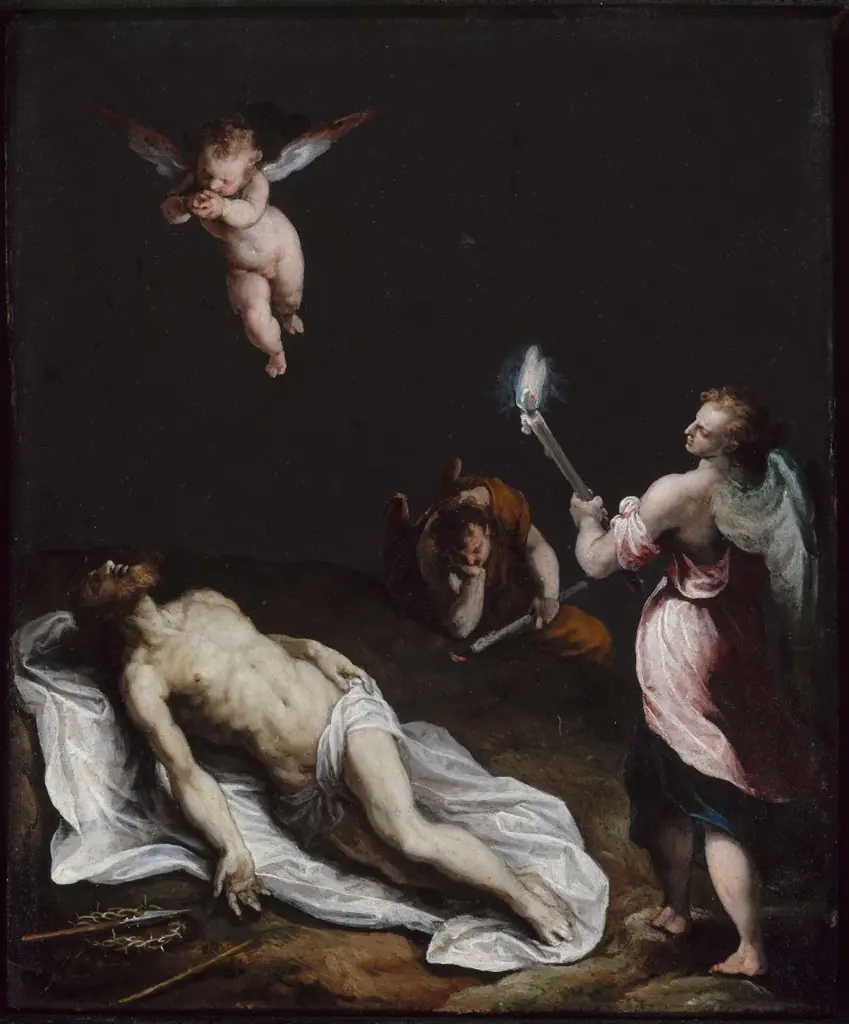 Dead Christ Mourned by Angels
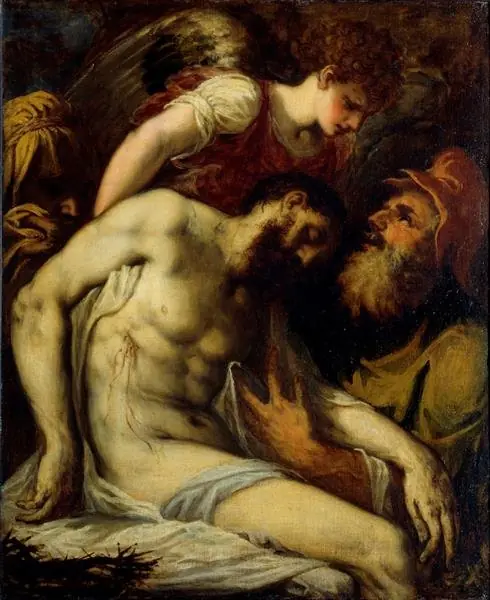 Dead Christ supported by Angels
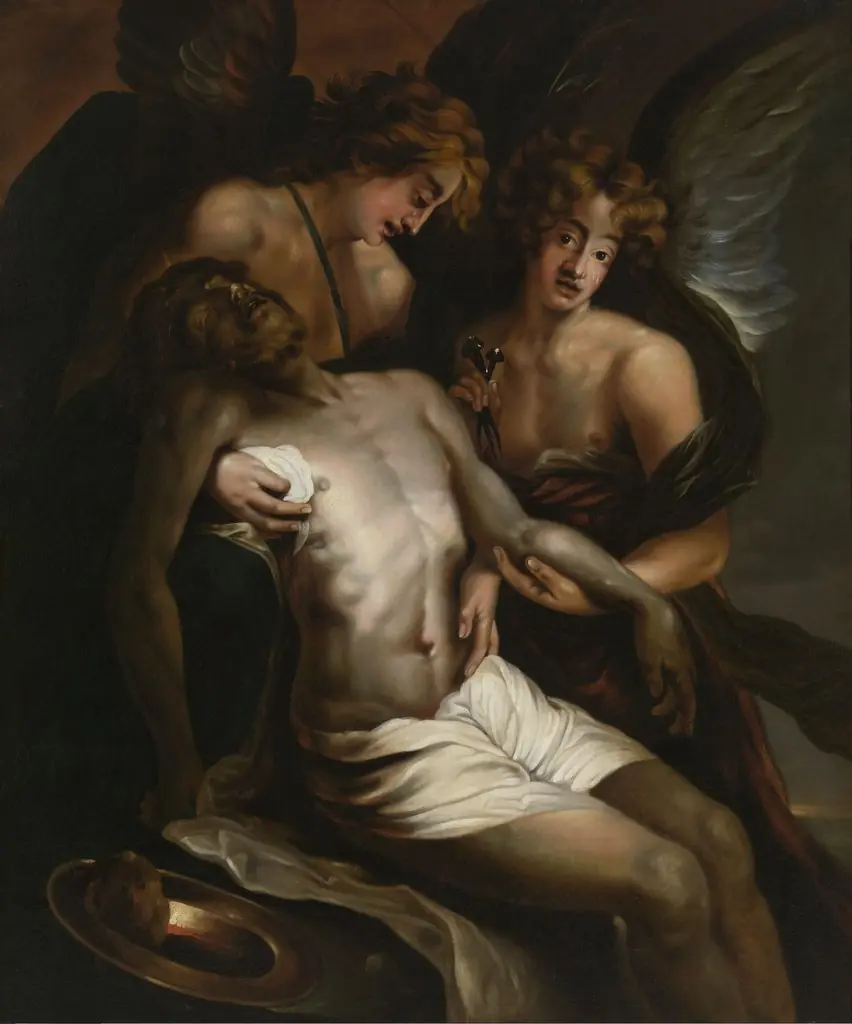 Angel pieta
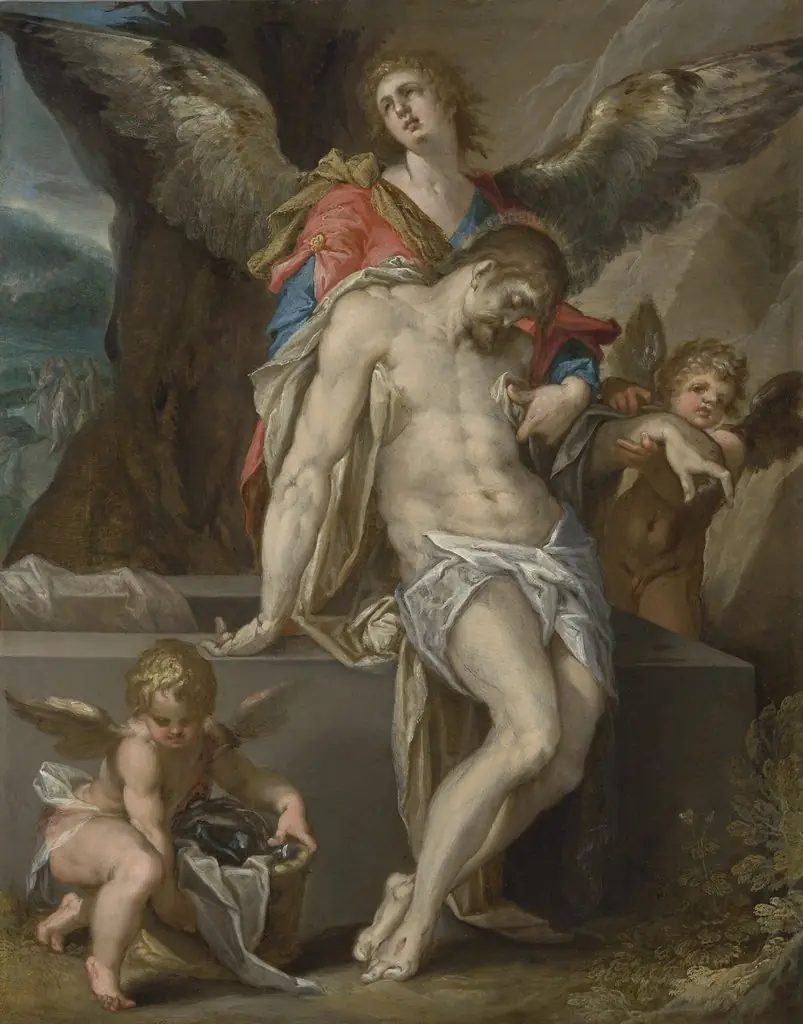 The Body of Christ Supported by Angels
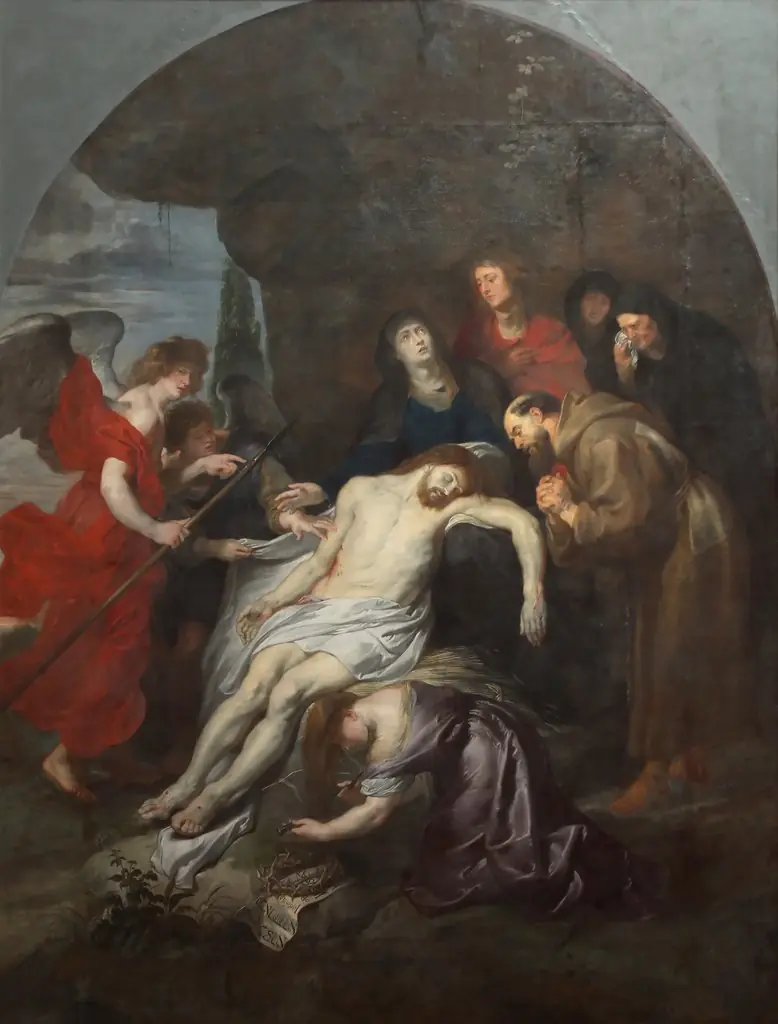 The lamentation of Christ with Saint Francis, 1617-1620
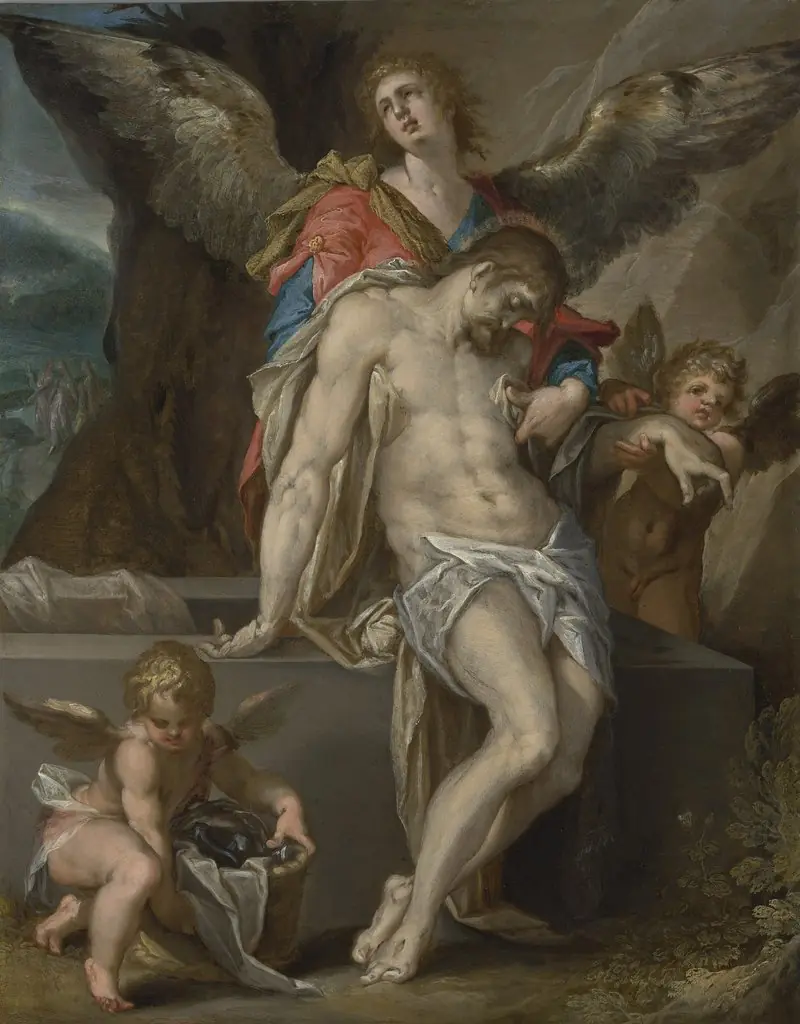 Engelen dragen het lichaam van Christus (Engelenpietà)
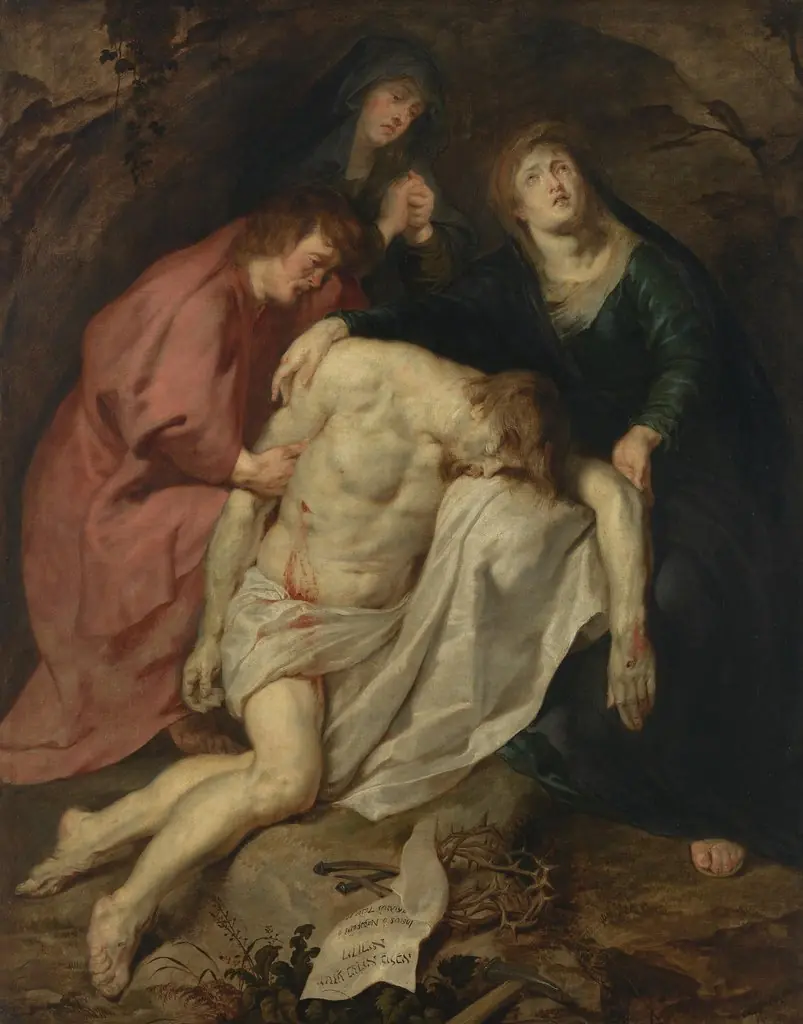 Deposition
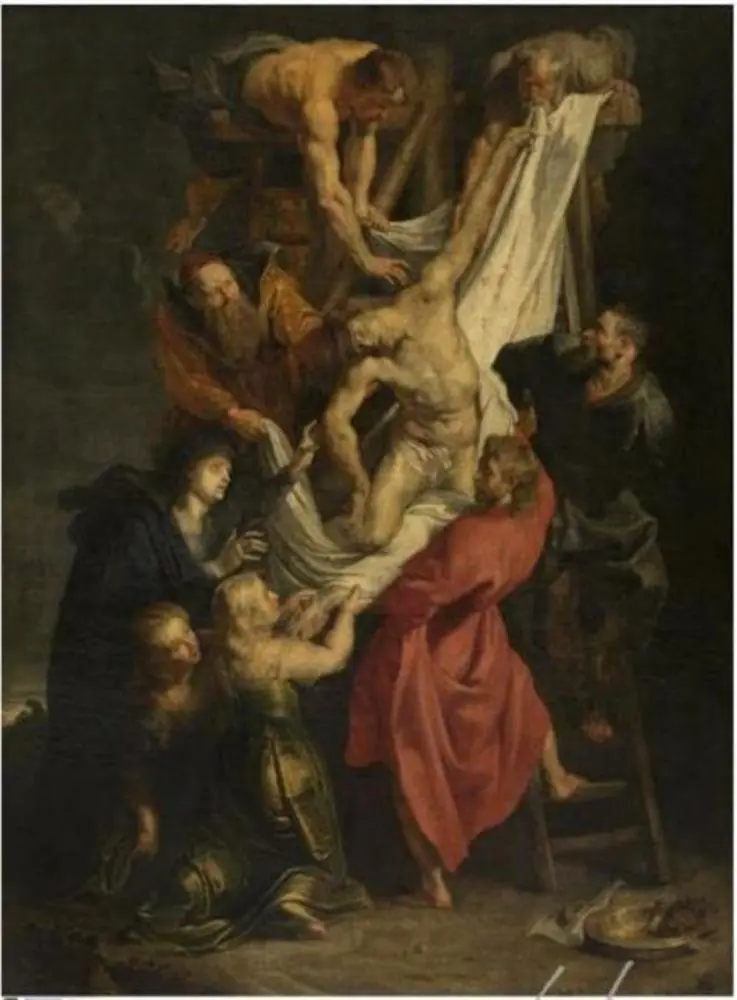 Descent from the Cross