Artwork
Self-Portrait
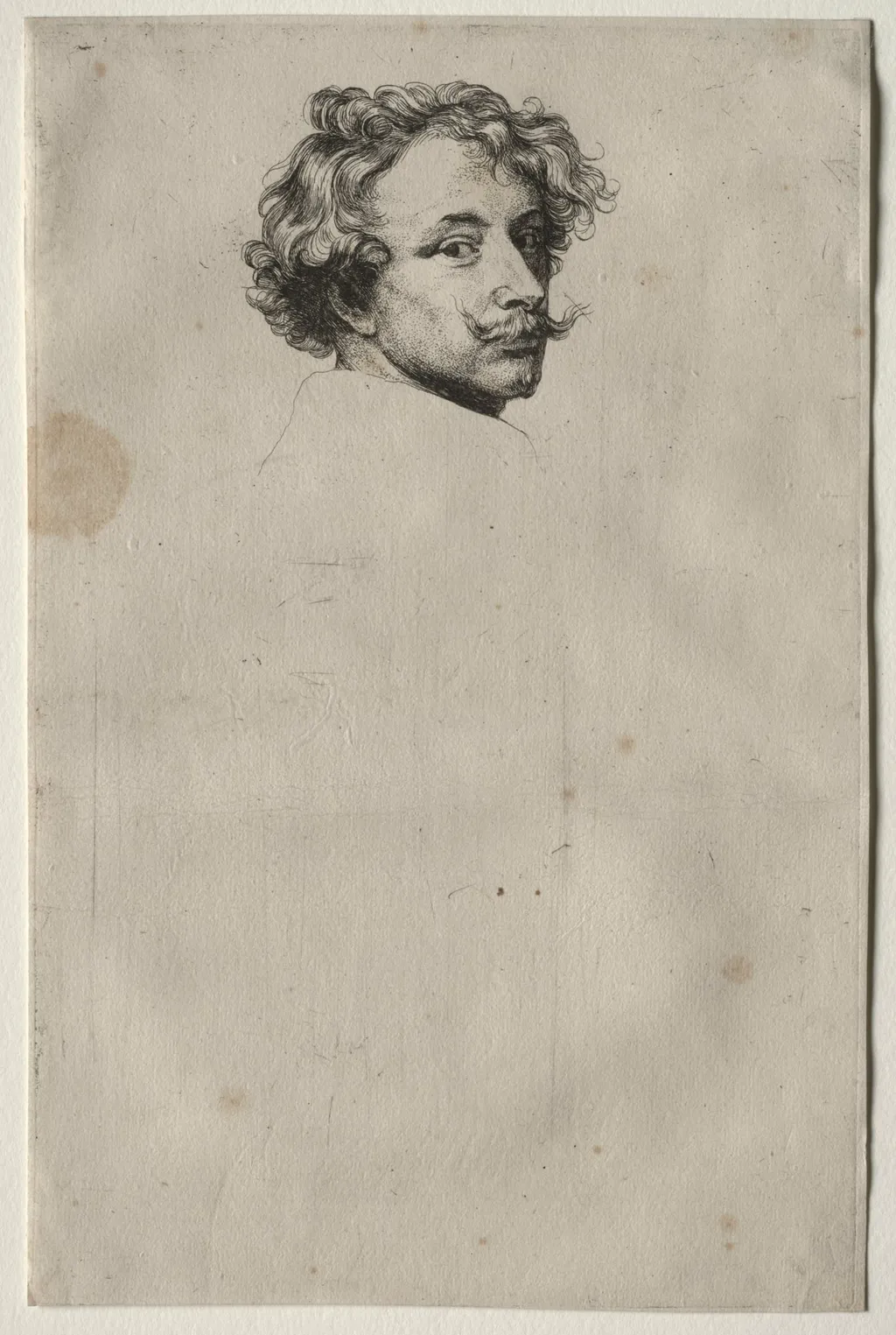
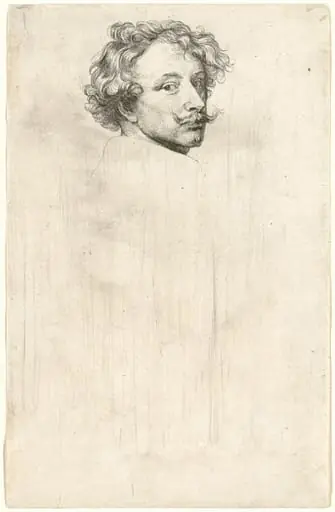
Self-Portrait is a print by the Baroque artist Anthony van Dyck. It is held in the collection of the Cleveland Museum of Art.
About this work
Overview
Though rendered in a modest medium, it reflects his mastery of visual economy and psychological presence, typical of his later years in England.
Created in 1645, this print is a self-portrait by Anthony van Dyck, a Flemish artist renowned for his portraiture in the English court. Executed with delicate lines and subtle tonal gradations, the work captures the artist in profile, emphasizing his refined features. Though rendered in a modest medium, it reflects his mastery of visual economy and psychological presence, typical of his later years in England.
Subject & Meaning
Van Dyck depicts himself in middle age, his face turned slightly to the side with a calm, introspective gaze. The soft mustache and curled hair suggest a cultivated demeanor, aligning with his status as a court painter. The portrait conveys dignity without grandeur, offering a quiet assertion of identity rather than a display of power, consistent with his evolving self-image after years in royal service.
Technique & Style
The artist employed chiaroscuro through fine hatching and controlled shading to model the contours of his face, creating a sense of volume with minimal strokes. The technique, rooted in Baroque conventions, enhances the three-dimensionality of the form without overt drama. The simplicity of the medium—likely pen and ink or chalk on paper—underscores his confidence in line and tone over elaborate detail.
History & Provenance
Van Dyck produced this self-portrait during his final years in England, shortly before his death in 1641. It entered the collection of The Cleveland Museum of Art through documented acquisitions in the 20th century, tracing back to European private collections. Its survival as a printed study reflects its value as a personal record rather than a commissioned work.
Context
In mid-17th century England, van Dyck’s portraiture redefined aristocratic representation, blending Flemish precision with courtly elegance. This self-portrait aligns with a broader trend among artists to assert intellectual and professional identity through intimate self-representation, moving beyond mere likeness toward psychological nuance.
Legacy
The print stands as a testament to van Dyck’s skill in conveying character with restraint. Though less known than his oil portraits, such works influenced later generations of draftsmen who valued understated realism. Its presence in a major American museum underscores its role in the transnational circulation of Baroque artistic practice.
Artist & collection
Artist
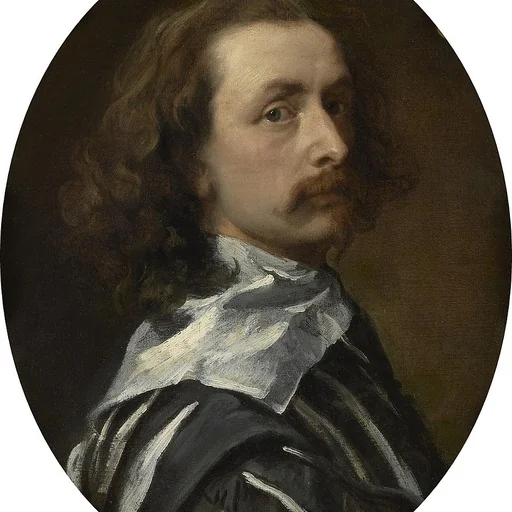
Sir Anthony van Dyck (; Dutch: Antoon van Dijck ; 22 March 1599 – 9 December 1641) was a Flemish Baroque artist, who became the leading court painter in England after success in the Spanish Netherlands and Italy.

 Self-Portrait
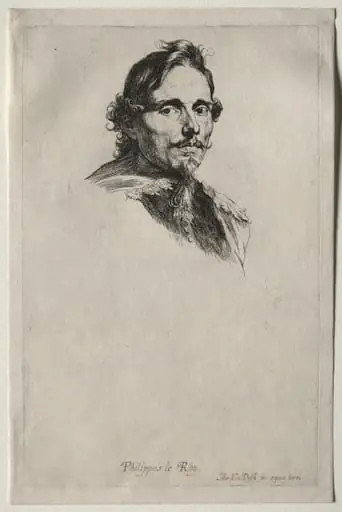 Philippe Le Roy
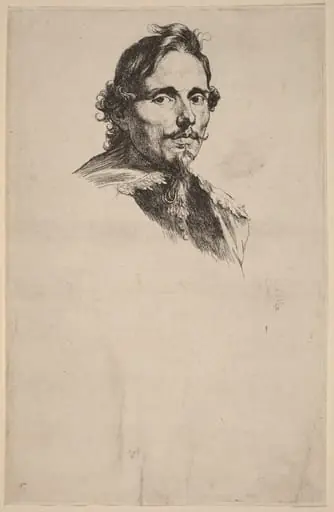 Philippe le Roy, Lord of Ravels
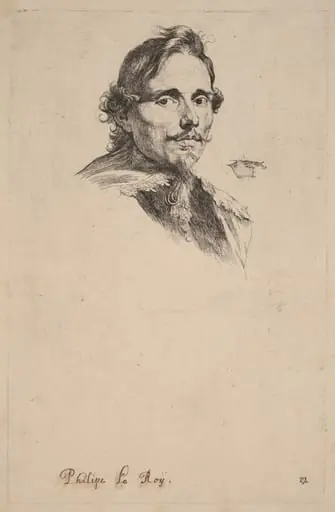 Philippe le Roy, Lord of Ravels
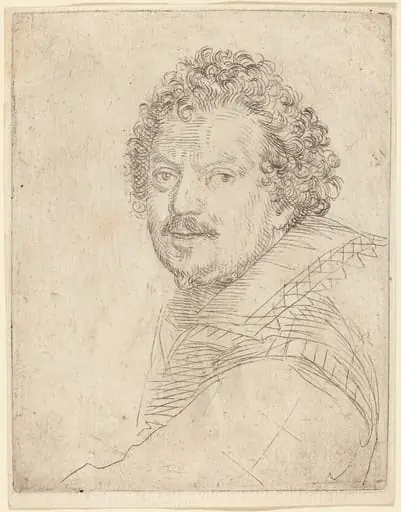 A Man with a Moustache and Goatee, Facing Forward
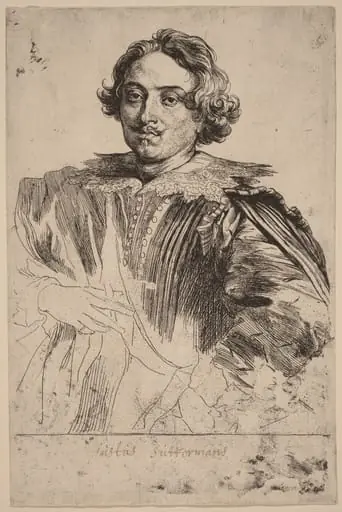 Justus Suttermans
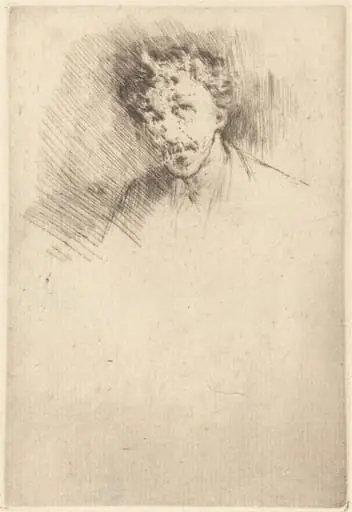 Whistler with the White Lock
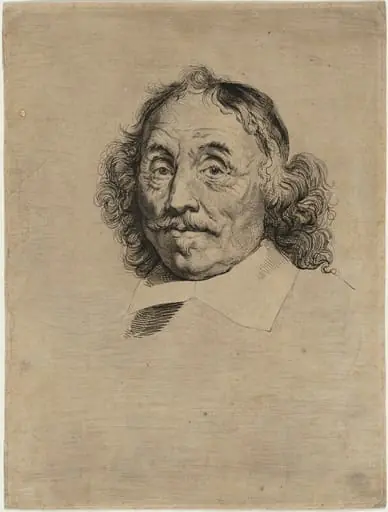 Martin Harpertzoon Tromp
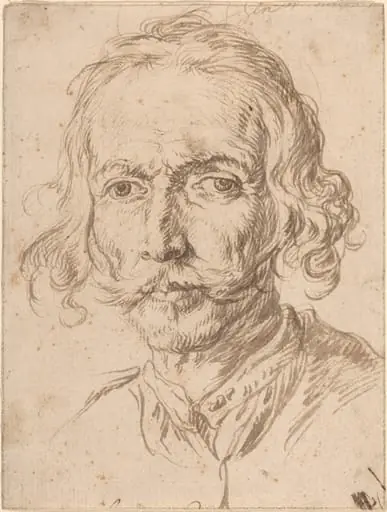 Portrait of a Man
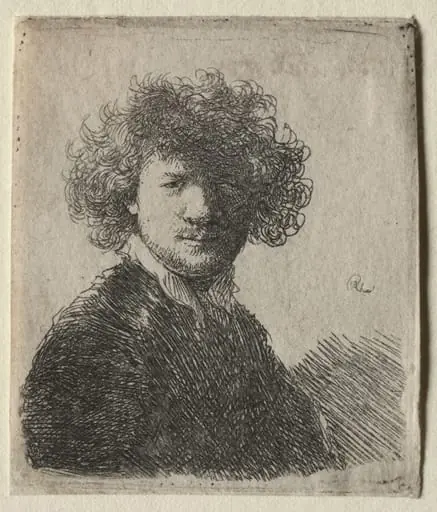 Self-Portrait with curly hair and white collar: Bust
 A moustachio'd man
 Paulus Pontius