Artwork
Martin Harpertzoon Tromp
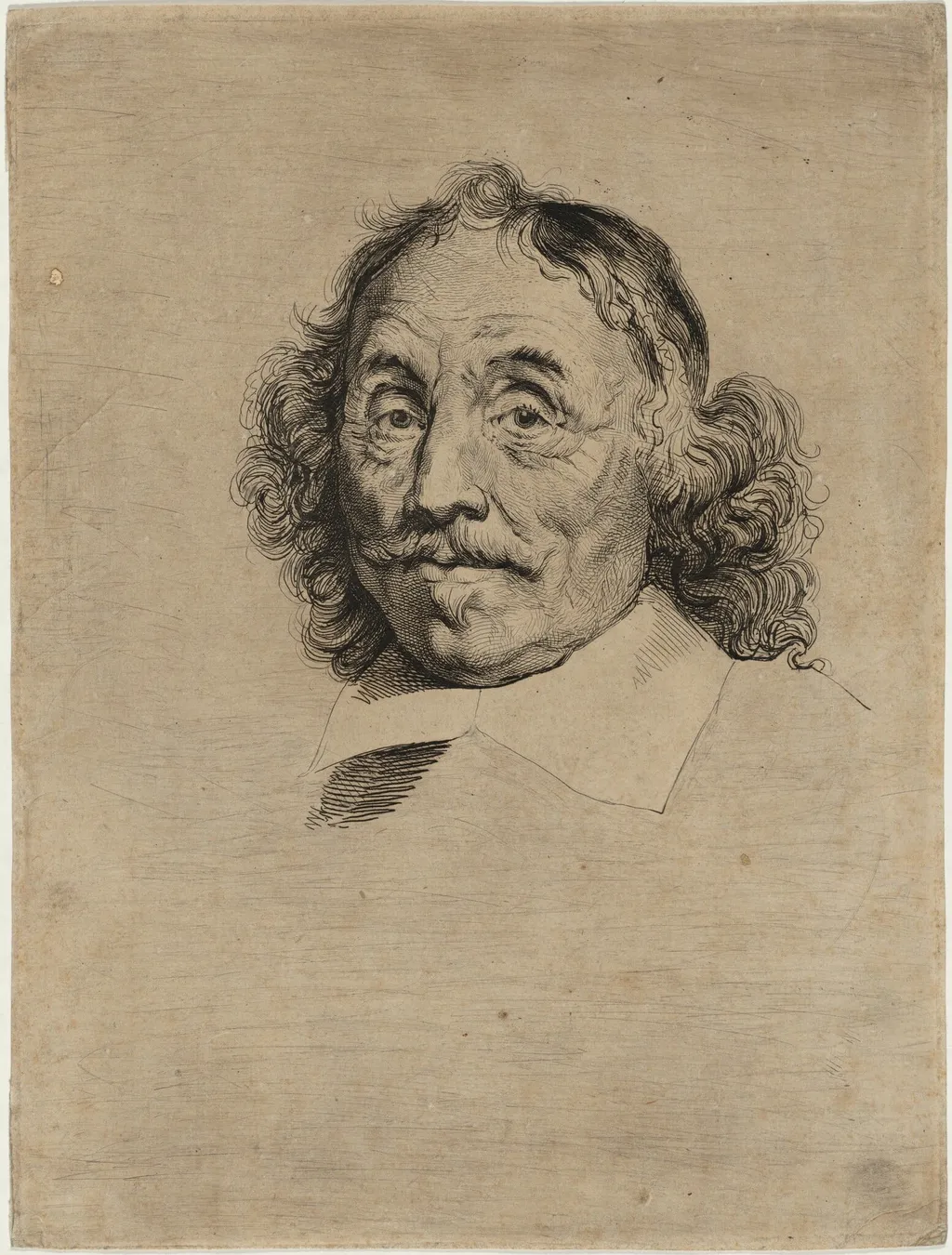
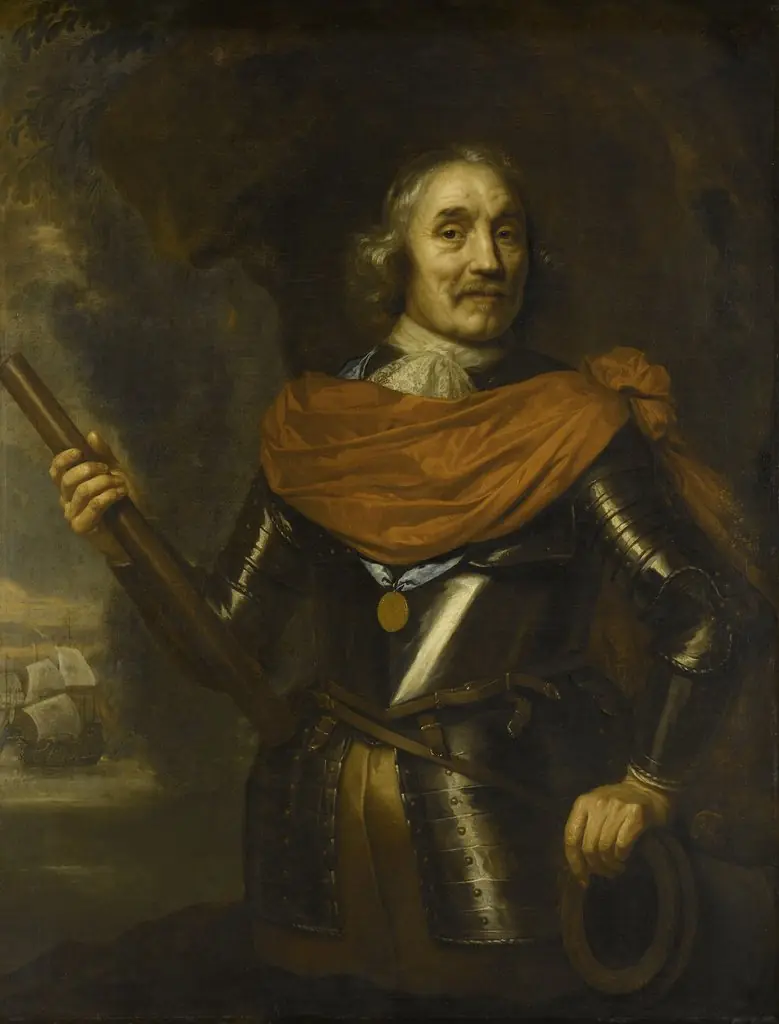
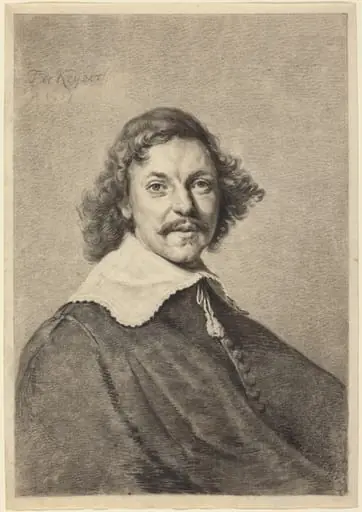
Martin Harpertzoon Tromp is an ink print by the Baroque artist Jan Lievens. It dates from 1640 and is held in the collection of the National Gallery of Art.
About this work
Overview
Created in 1640 by Jan Lievens, this engraving portrays Martin Harpertzoon Tromp, a prominent Dutch naval commander. Lievens, a Leiden-born artist active during the Dutch Golden Age, produced this work as part of a broader tradition of depicting military figures in print. The medium allowed for precise detail and wide distribution, making such portraits accessible beyond elite circles.
Subject & Meaning
Martin Harpertzoon Tromp was a respected admiral in the Dutch Republic’s navy, known for his leadership during conflicts with England and Spain.
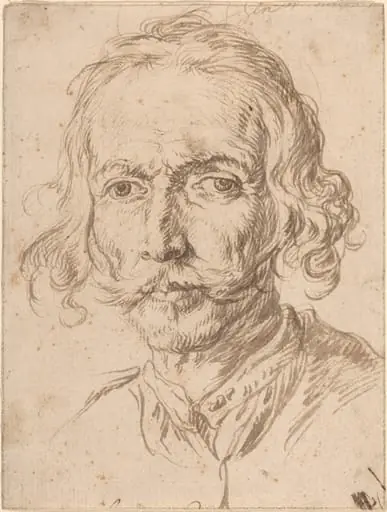
Martin Harpertzoon Tromp was a respected admiral in the Dutch Republic’s navy, known for his leadership during conflicts with England and Spain. The portrait presents him with direct eye contact, conveying authority and composure. His grooming and attire reflect his status, while the unadorned background focuses attention on his presence, reinforcing his role as a public figure of discipline and command.
Technique & Style
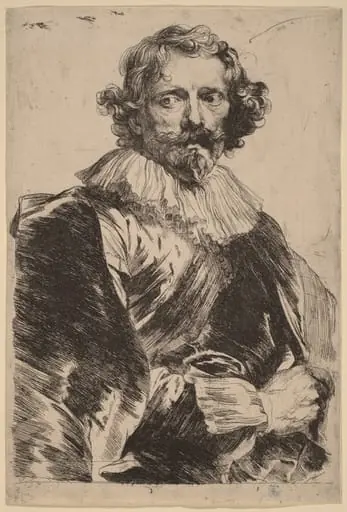
Lievens employed engraving to render fine linear detail, using cross-hatching to model the contours of Tromp’s face and fabric. The texture of his curly hair and thick mustache is achieved through carefully controlled incisions, while the high collar of his shirt gains definition through subtle tonal shifts. The technique emphasizes clarity and realism, characteristic of Dutch printmaking at the time.
History & Provenance
The engraving was produced during a period when portraiture in print flourished in the Netherlands, often commissioned to honor military and civic leaders. While specific early ownership records are sparse, such works were commonly circulated among merchants, officials, and naval circles. The print survives in several institutional collections, attesting to its enduring documentation of Dutch naval identity.
Context
In the 1640s, the Dutch Republic was consolidating its naval power amid ongoing wars and economic expansion. Portraits of commanders like Tromp served both as personal commemoration and as symbols of national strength. Lievens, though better known for painting, engaged with printmaking to reach broader audiences, aligning with the era’s demand for visual records of public figures.
Legacy
This engraving remains a representative example of how Dutch artists translated portraiture into print for public consumption. It reflects the era’s emphasis on individual dignity and civic duty. Though not widely reproduced today, it contributes to the historical record of how naval leadership was visually constructed during the Dutch Golden Age.
Artist & collection
Artist
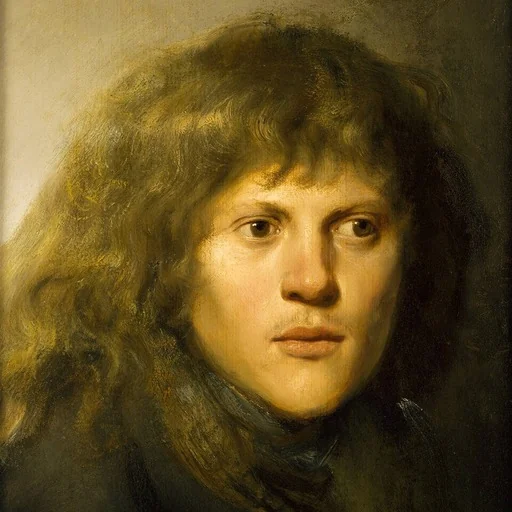
Jan Lievens (24 October 1607 – 4 June 1674) was a Dutch Golden Age painter who was associated with his close contemporary Rembrandt, a year older, in the early parts of their careers.