Artwork
Justus Suttermans
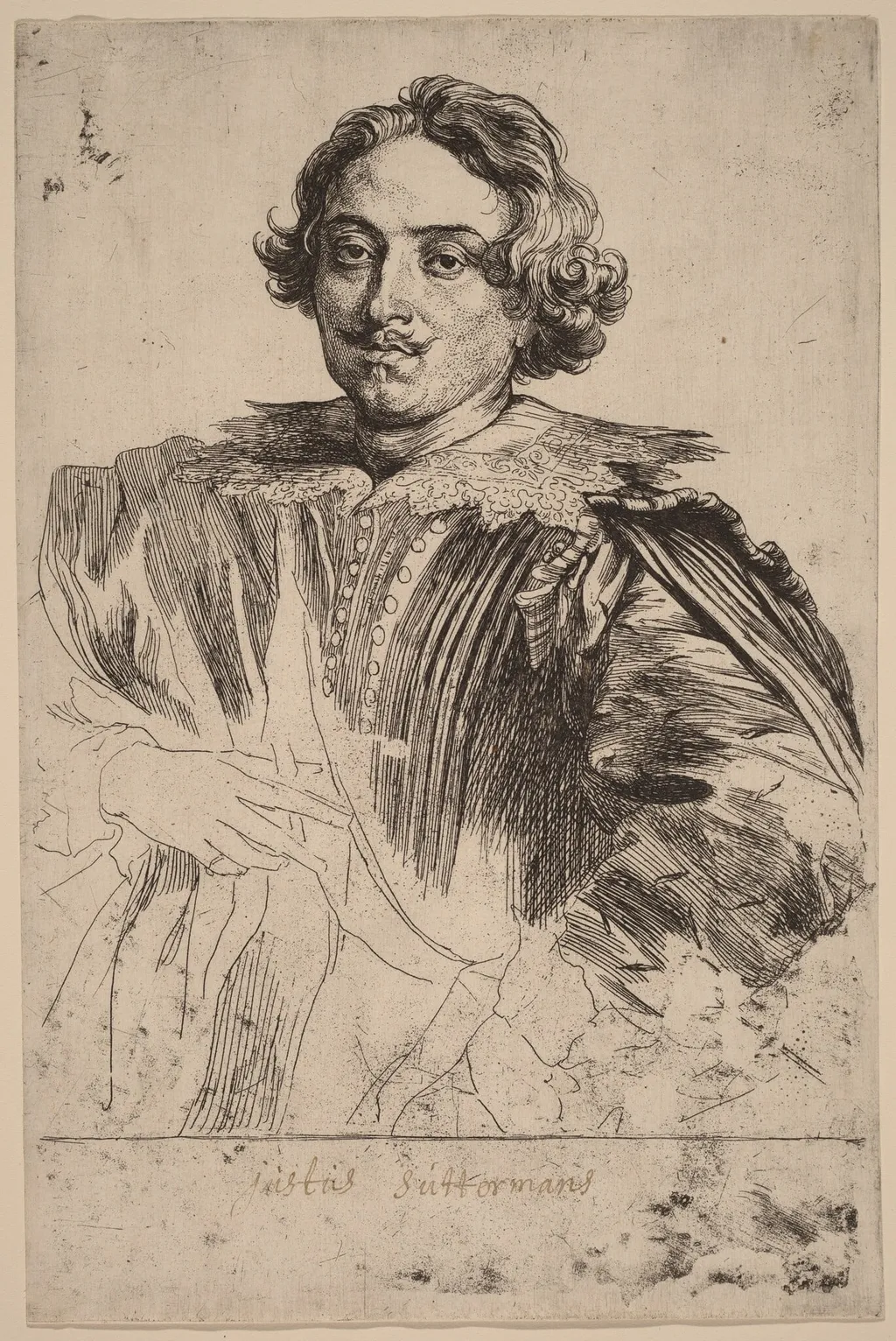
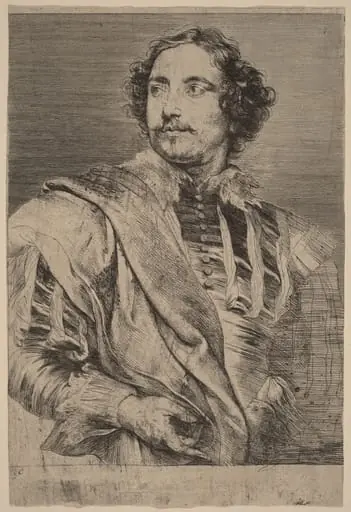
Justus Suttermans is an ink print by the Baroque artist Anthony van Dyck. It dates from 1634 and is held in the collection of the National Gallery of Art.
About this work
Overview
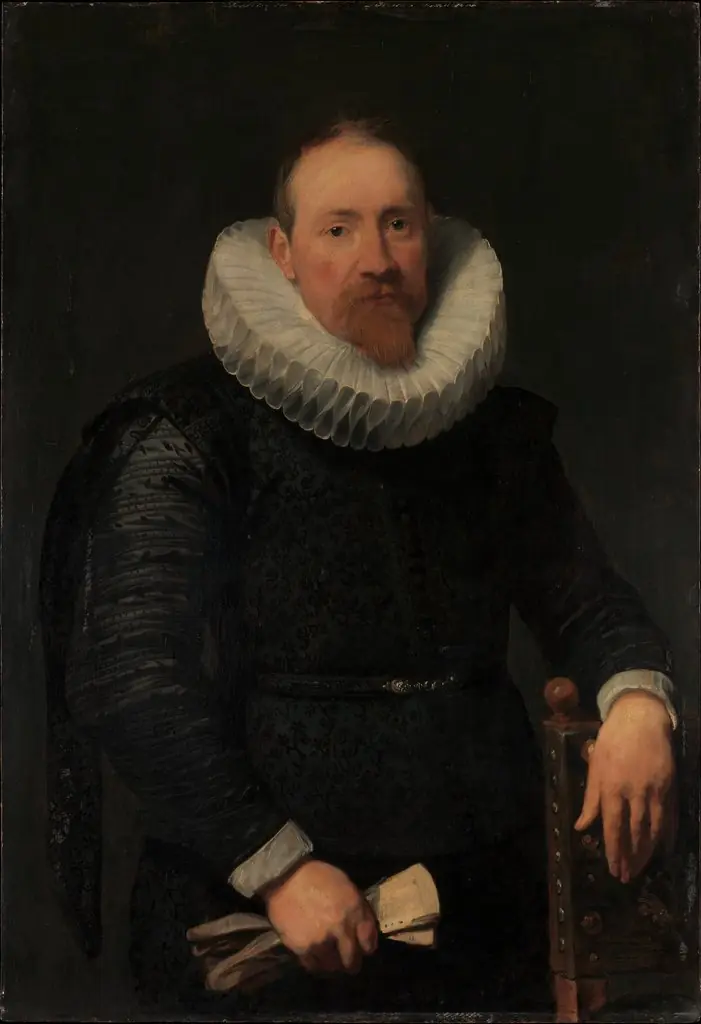
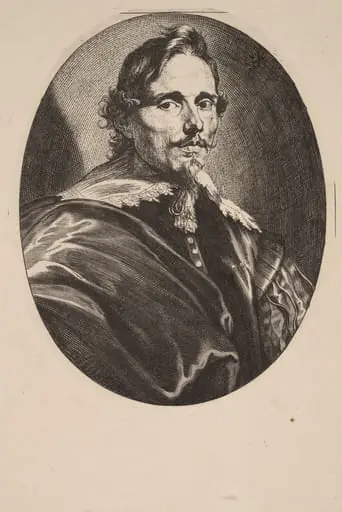
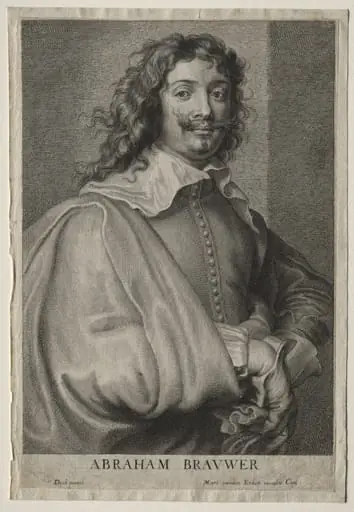
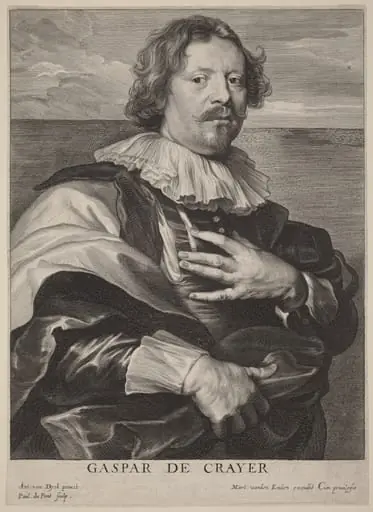
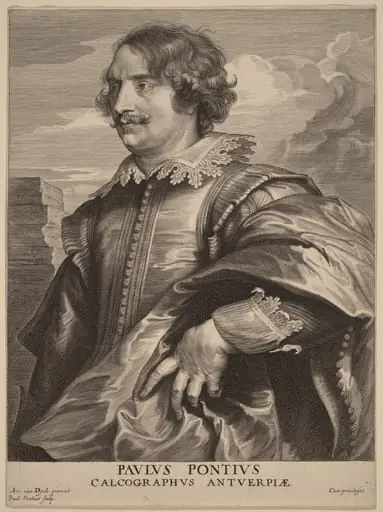
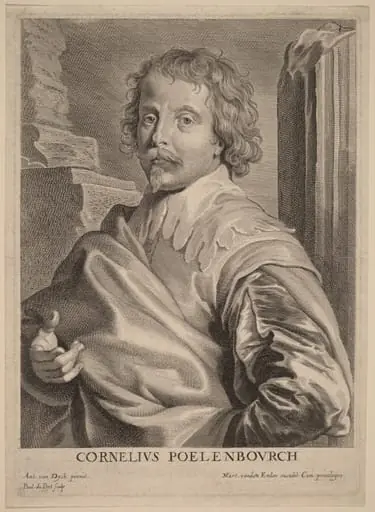
Created around 1634, this black‑and‑white print is an etching by Sir Anthony van Dyck. It presents a portrait of a man with tightly curled hair, a solemn expression, a decorative collar with buttons, and a draped cloak that falls over his shoulders.
Subject & Meaning
The sitter is rendered with a dignified bearing, his serious gaze and formal attire suggesting a person of status or professional standing. The careful rendering of facial features and clothing conveys a sense of individual character within the conventions of 17th‑century portraiture.
Technique & Style
Van Dyck employed the etching process, incising lines into a metal plate with acid to achieve fine detail. The work displays sharp, precise lines that delineate the folds of the cloak, the texture of the hair, and the intricate collar, exemplifying the artist’s skill in rendering surface qualities without the use of pigment.
History & Provenance
The print is attributed to van Dyck’s early period, dating to the mid‑1630s, a time when he was establishing his reputation in England. Its provenance traces to collections of Dutch and English prints, though specific ownership records remain limited.
Artist & collection
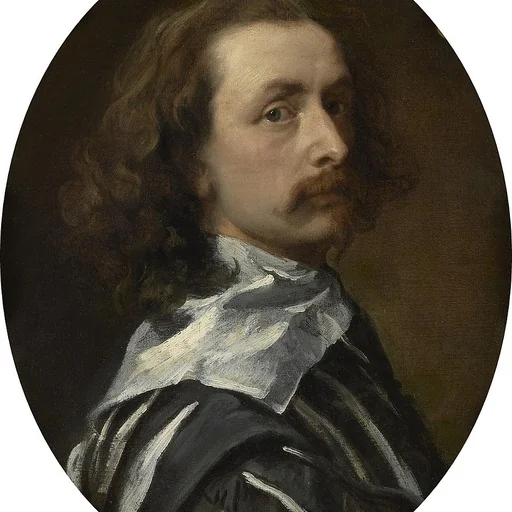
Artist
Sir Anthony van Dyck (; Dutch: Antoon van Dijck ; 22 March 1599 – 9 December 1641) was a Flemish Baroque artist, who became the leading court painter in England after success in the Spanish Netherlands and Italy.