Artwork
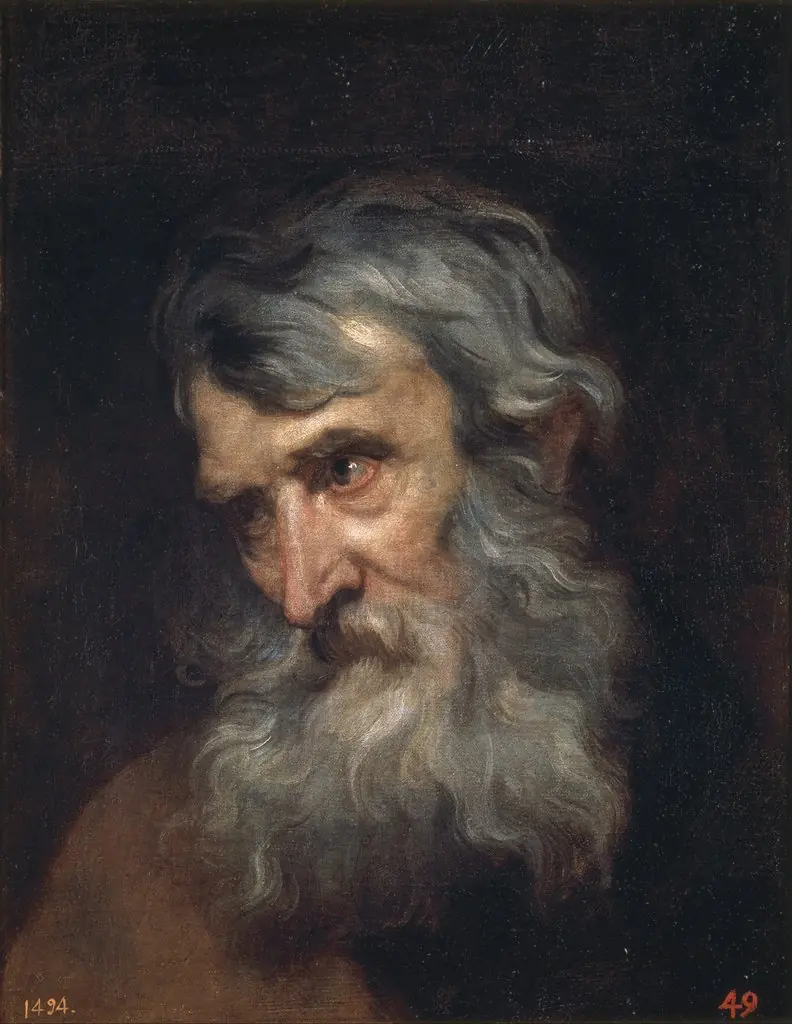
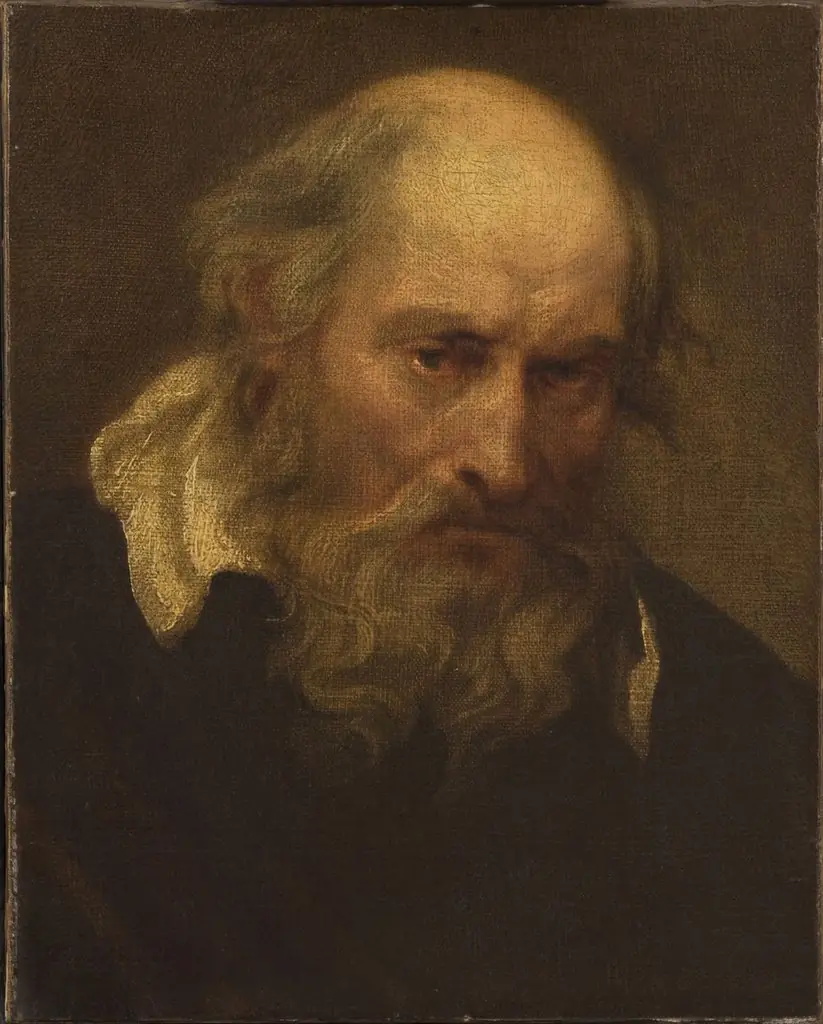
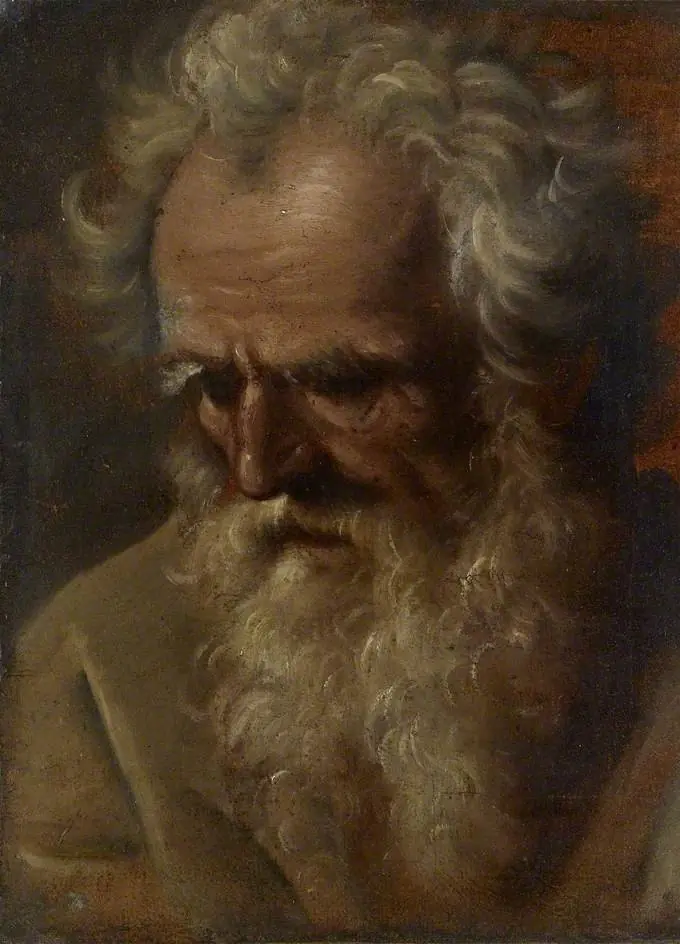
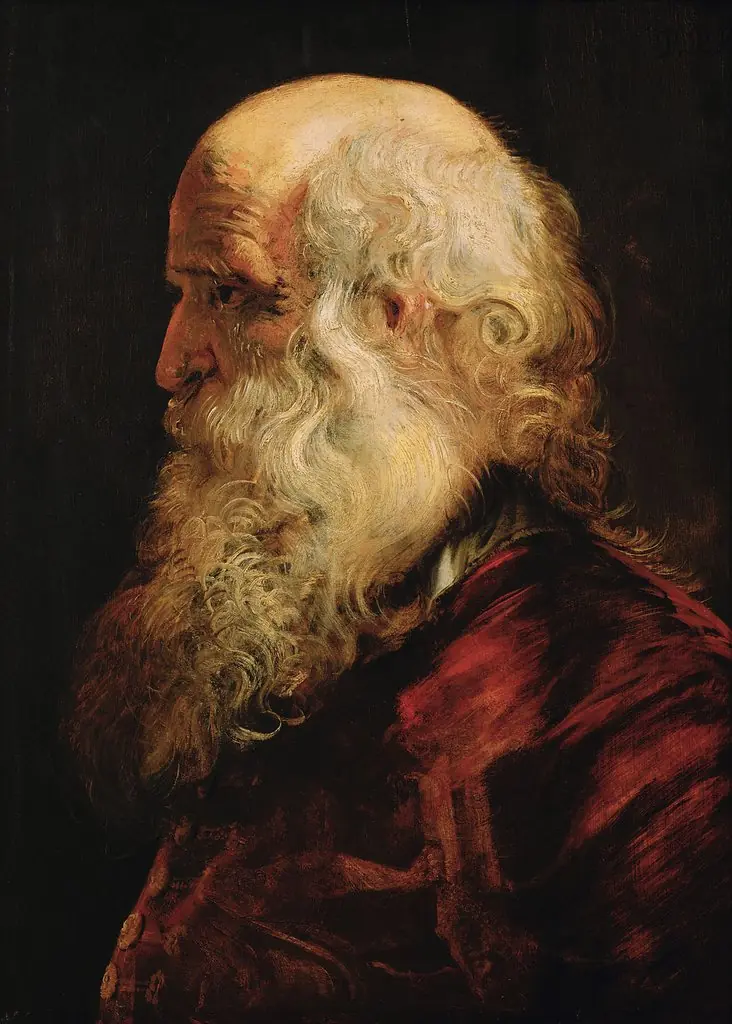
Head of an Old Man
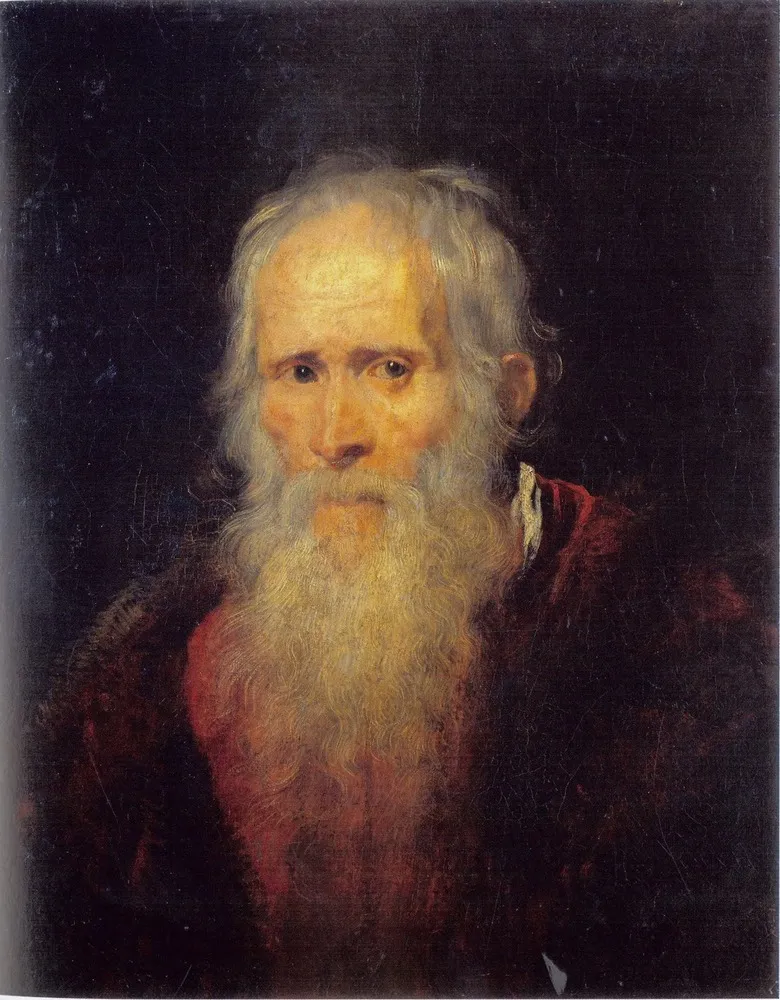
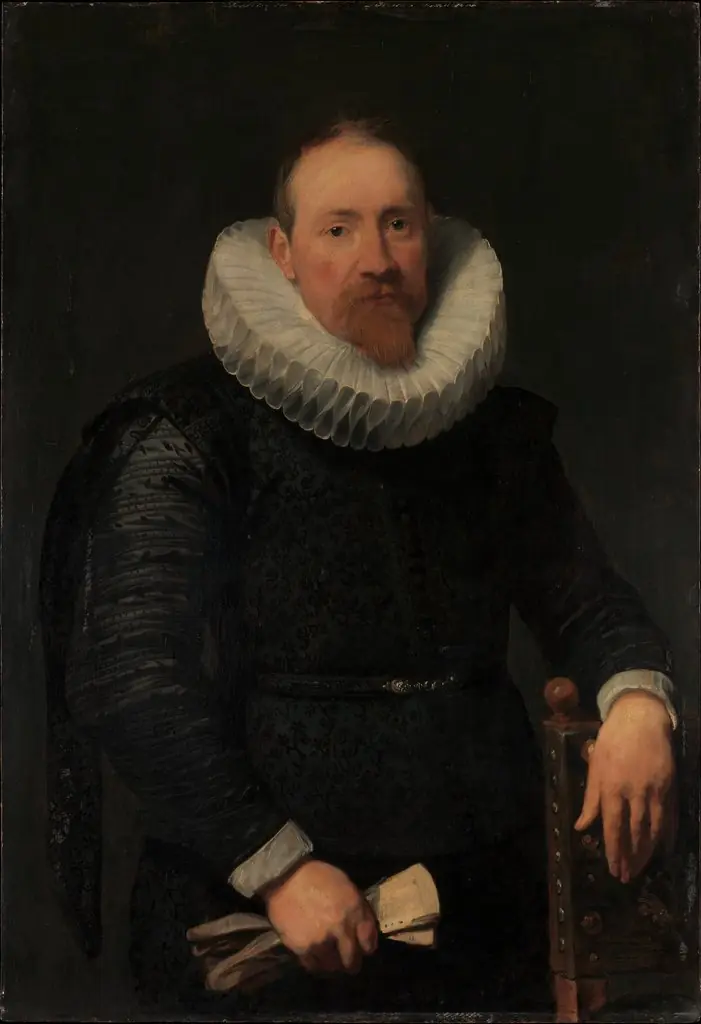
Head of an Old Man is an oil painting by the Flemish Baroque painting artist Anthony van Dyck. It dates from 1621 and is held in the collection of the Hermitage Museum.
About this work
Overview
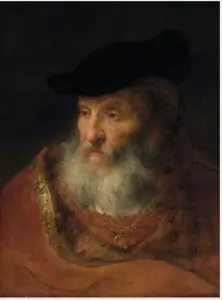
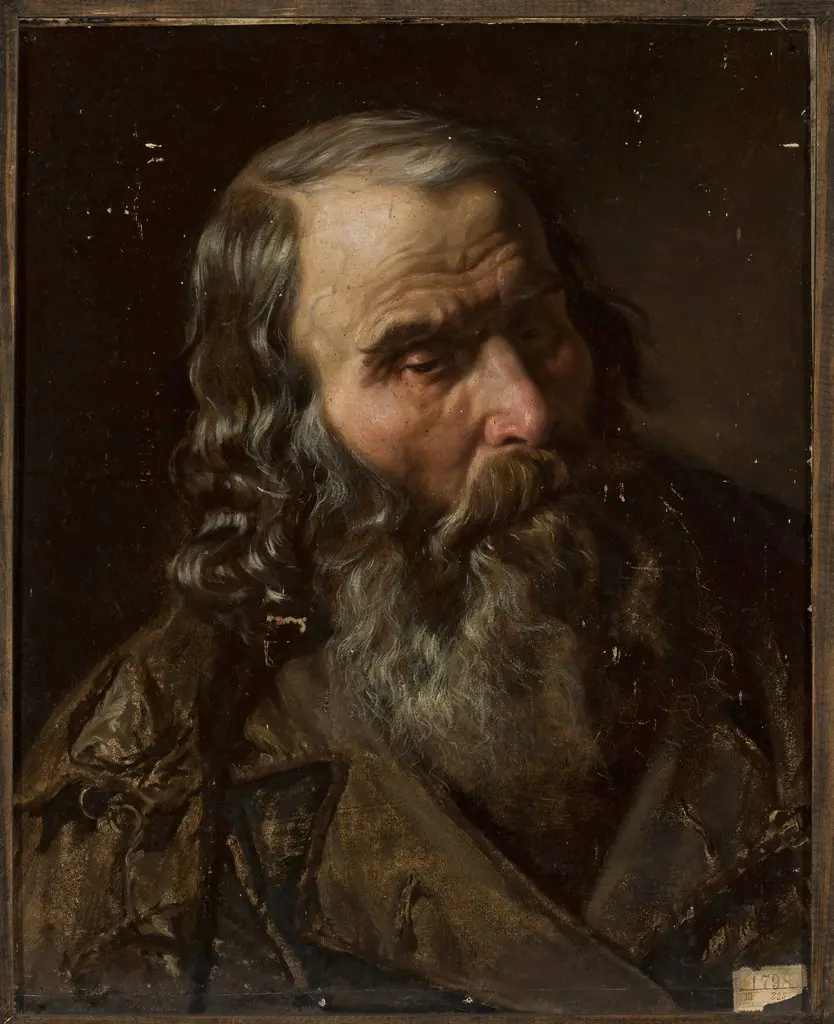
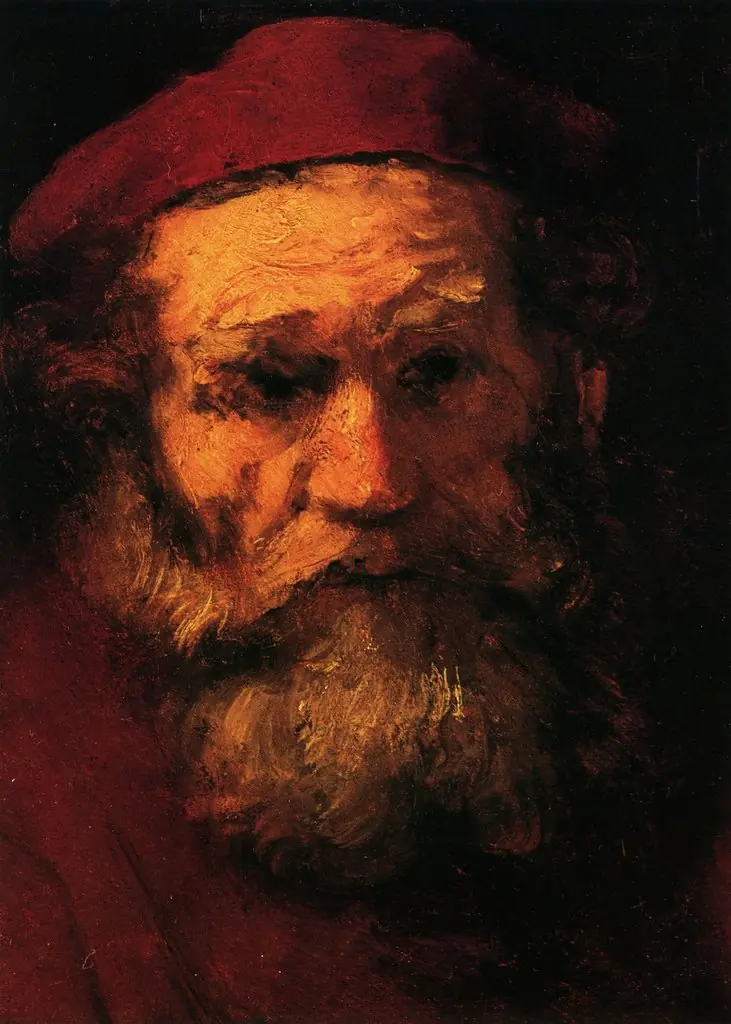
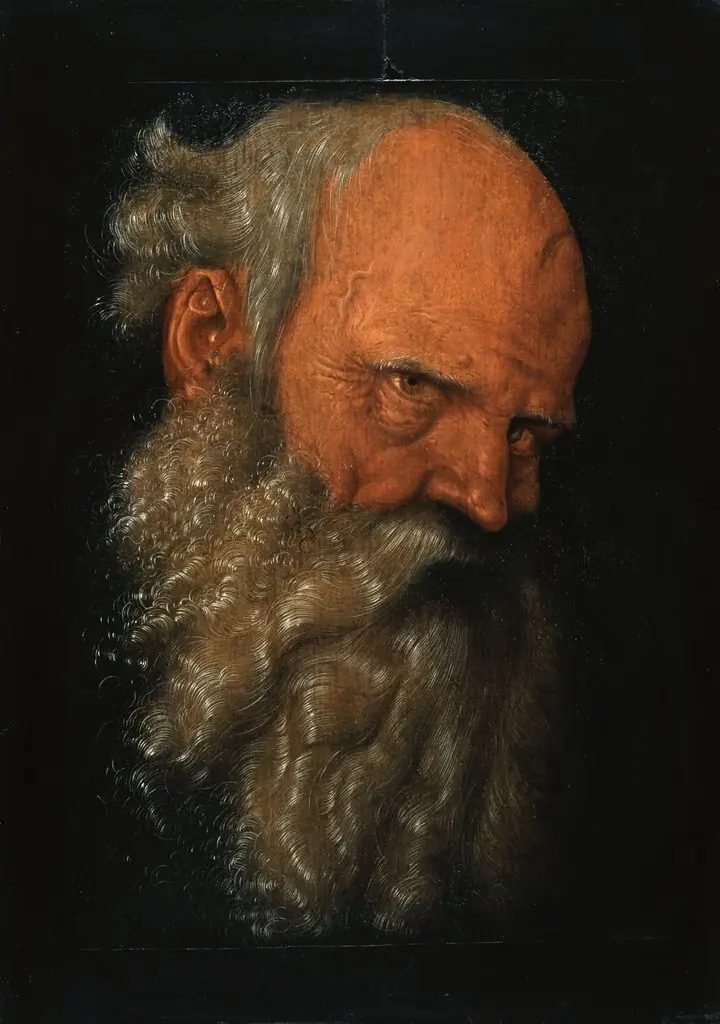
Created in 1621, *Head of an Old Man* is an oil painting executed by the Flemish artist Anthony van Dyck. The work presents a solitary portrait of an elderly figure, rendered against a nearly black backdrop. Measuring a modest size, the canvas showcases van Dyck’s early mastery of light and texture, marking a significant point in his development before his later court appointments.
Subject & Meaning
The sitter is identified as Thomas Parr, a man distinguished by a long white beard and pronounced facial lines that convey age and experience. His attire—a dark red garment trimmed with fur—suggests a degree of status, while the stark contrast between his illuminated face and the dark surroundings invites contemplation of mortality and the passage of time.
Technique & Style
Van Dyck employs chiaroscuro, using a focused light source from above to model the subject’s features against deep shadows. Soft, layered brushwork renders the texture of the beard and skin, creating a tactile impression. The limited palette and restrained background emphasize the three‑dimensionality of the figure, reflecting the Baroque interest in drama and realism.
History & Provenance
The portrait was painted while van Dyck was still active in the Spanish Netherlands, prior to his relocation to England where he would become a prominent court painter. Details of the painting’s ownership after its creation are sparse, but it entered scholarly attention as an early example of van Dyck’s portraiture, illustrating his formative period under the influence of Peter Paul Rubens.
Artist & collection
Artist
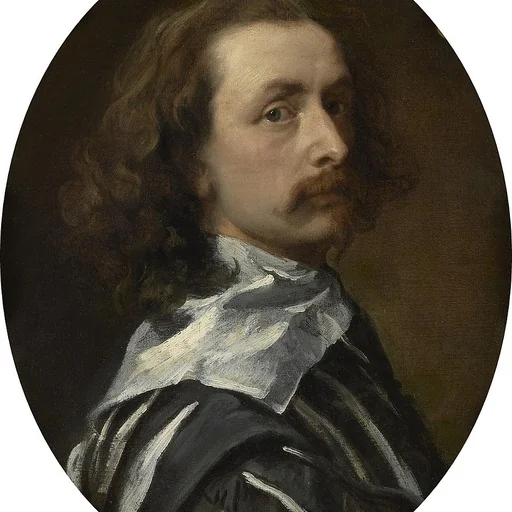
Sir Anthony van Dyck (; Dutch: Antoon van Dijck ; 22 March 1599 – 9 December 1641) was a Flemish Baroque artist, who became the leading court painter in England after success in the Spanish Netherlands and Italy.