Artwork
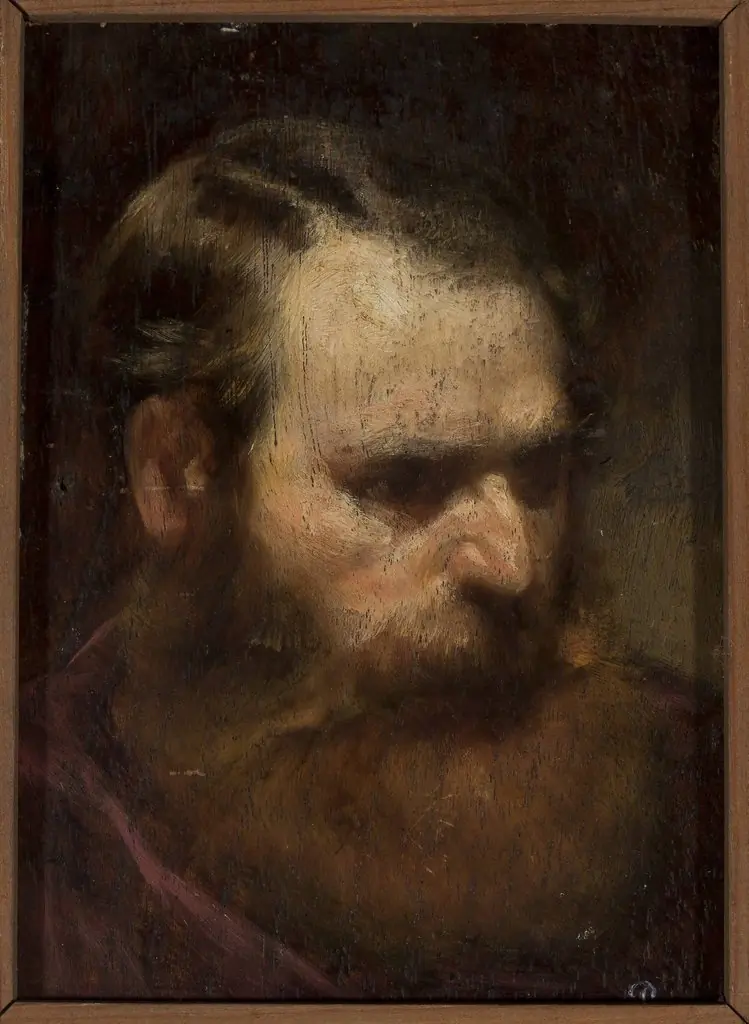
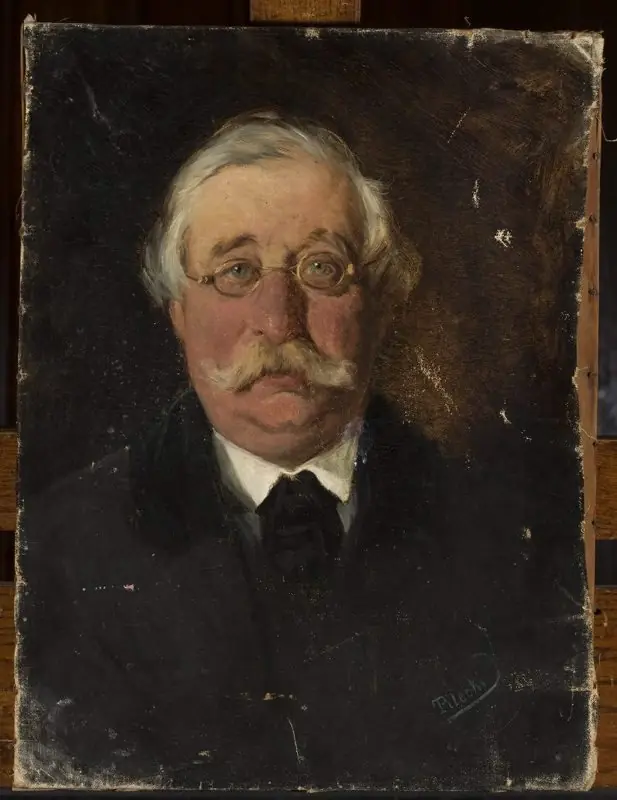
Head of an old man
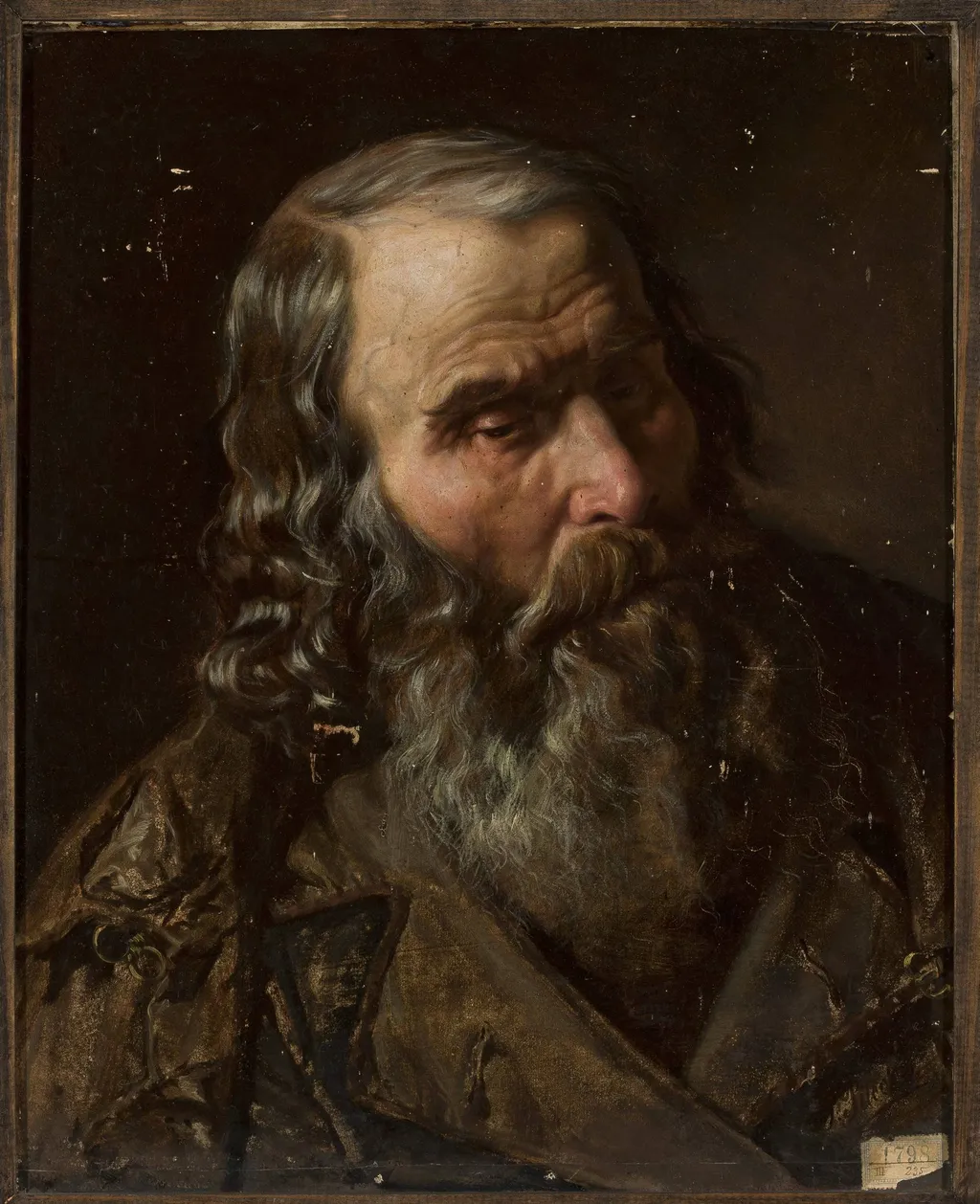
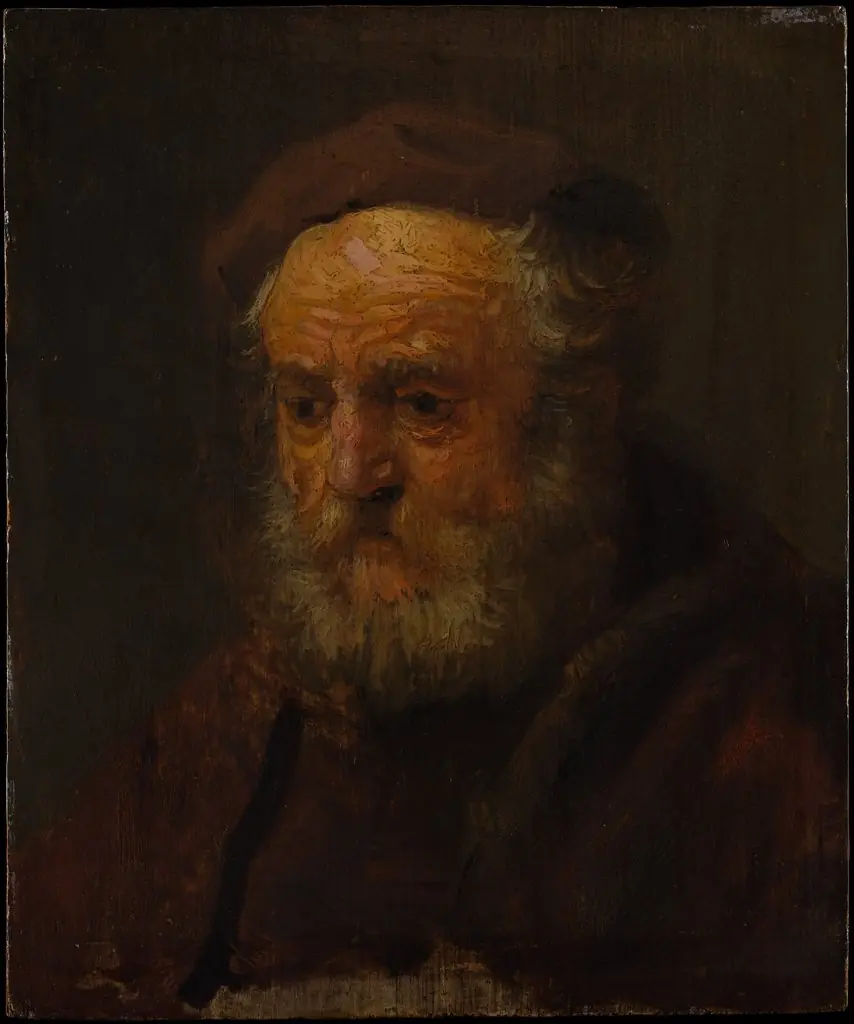
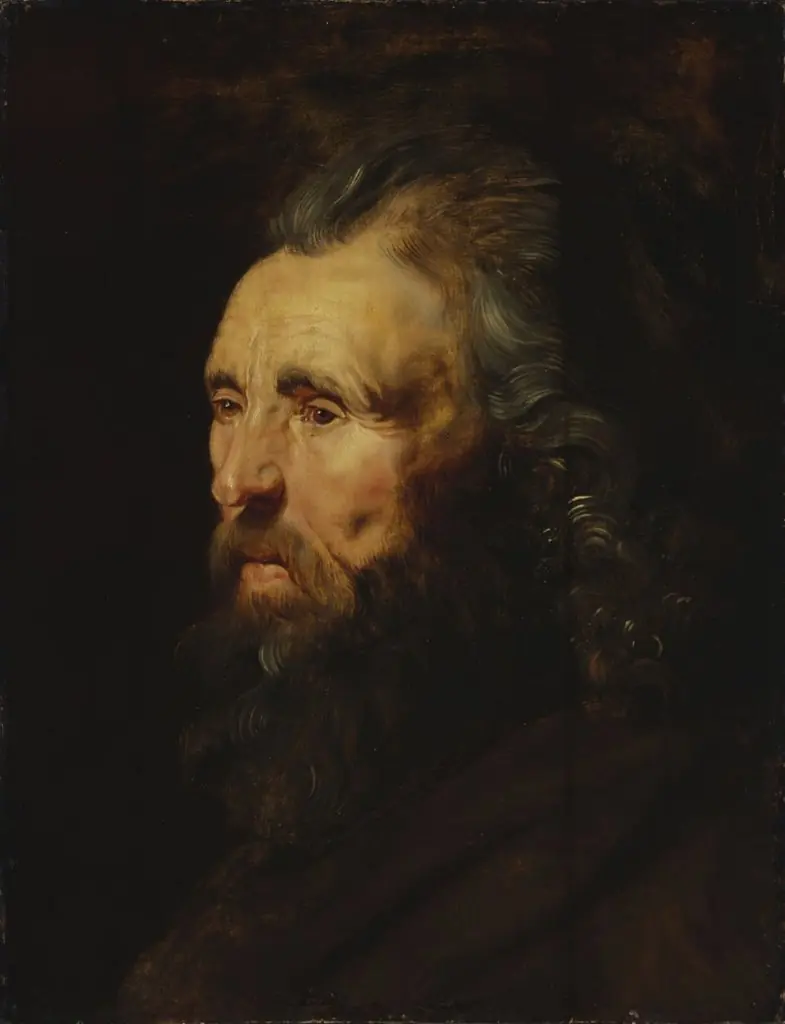
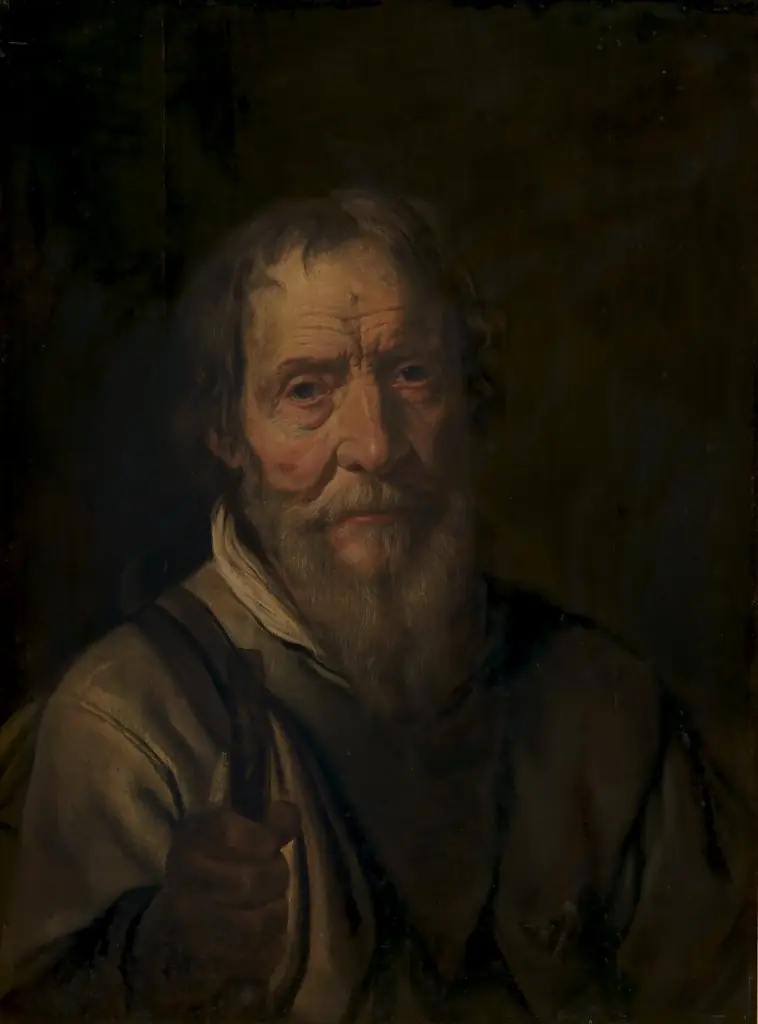
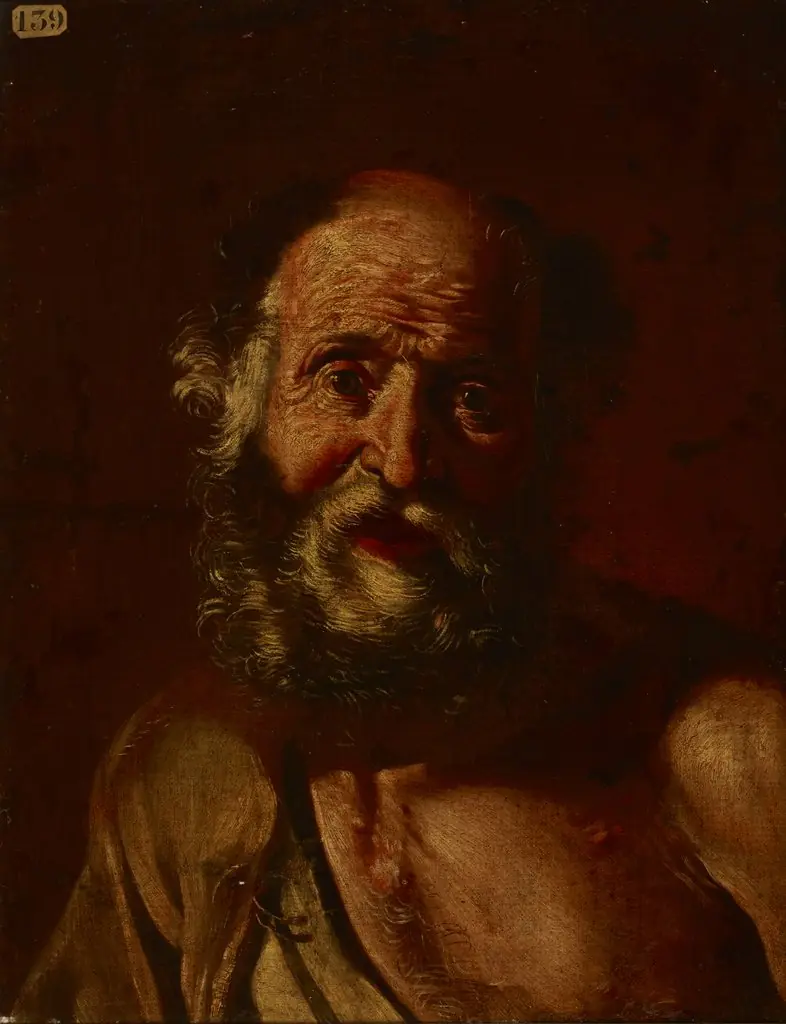
Head of an old man is an oil painting by Tytus Pilecki. It dates from 1866 and is held in the collection of the National Museum in Warsaw.
About this work
Overview
Its intimate scale and focused composition draw attention to the subject’s aged features, rendered with careful attention to texture and form.
Painted in 1866 by Tytus Pilecki, this oil portrait captures a close-up view of an elderly man. The work is part of the National Museum in Warsaw’s collection. Its intimate scale and focused composition draw attention to the subject’s aged features, rendered with careful attention to texture and form. The painting reflects 19th-century academic traditions in portraiture, emphasizing realism over idealization.
Subject & Meaning
The subject is an aging man with long, unkempt gray hair and a thick beard, his face marked by time and expression. No identity is recorded, suggesting the portrait is a study of human aging rather than a commissioned likeness. The solemn gaze and weathered skin convey dignity and quiet endurance, inviting contemplation of mortality and lived experience without narrative or symbolism.
Technique & Style
Pilecki employs chiaroscuro to model the face and robe with strong contrasts between light and shadow, enhancing three-dimensionality. The dark, non-descript background isolates the figure, focusing attention on the play of light across skin and fabric. The silk-like sheen of the robe is suggested through smooth, reflective brushwork, while the beard and hair are rendered with loose, textured strokes that imply volume and movement.
History & Provenance
The painting was completed in 1866 and entered the collection of the National Museum in Warsaw, where it remains today. No documented ownership history exists prior to its acquisition by the museum. Its preservation suggests it was recognized early as a significant example of Pilecki’s portraiture, though it was never widely exhibited outside Poland during the artist’s lifetime.
Context
Created during a period when Polish artists were navigating European academic styles under foreign rule, Pilecki’s work reflects the influence of both Italian Renaissance portraiture and contemporary realism. This painting aligns with a broader trend in 19th-century Eastern European art that valued psychological depth and technical precision over grand historical themes, focusing instead on individual character.
Legacy
Though Tytus Pilecki is not widely known beyond Poland, this portrait endures as a representative example of his skill in capturing human presence through subtle lighting and texture. It contributes to the understanding of academic portraiture in partitioned Poland and remains a quiet, resonant study of aging, preserved as part of the nation’s artistic heritage.
Artist & collection