Artwork
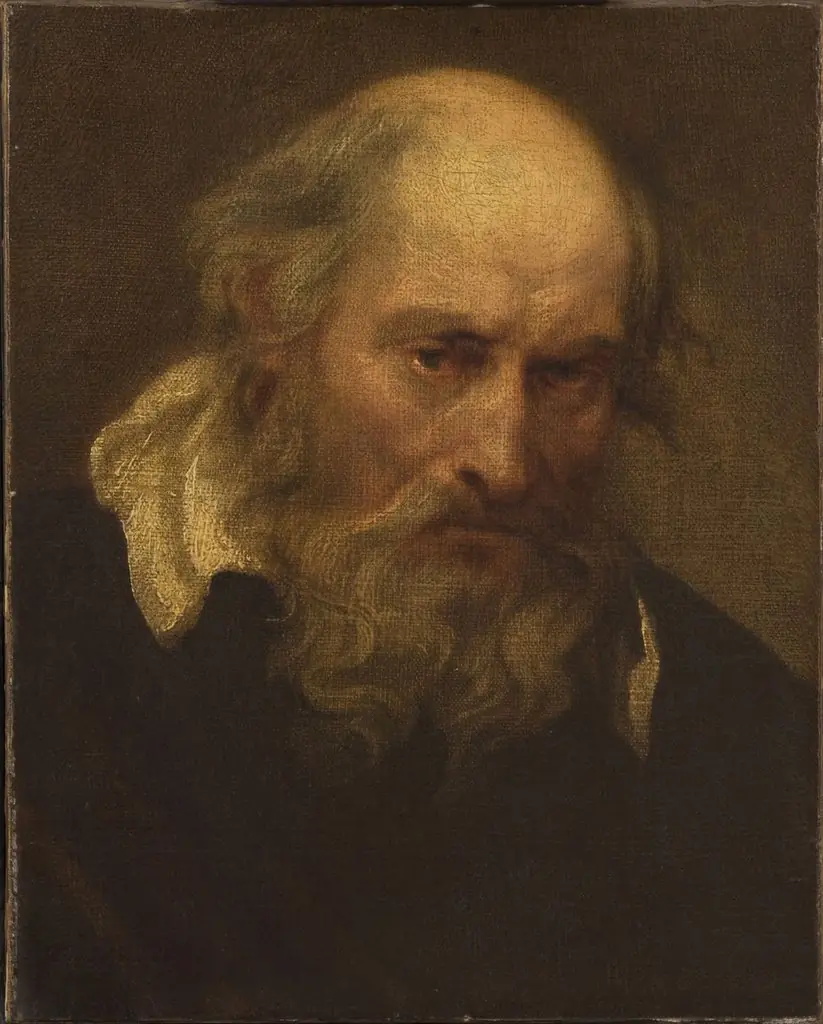
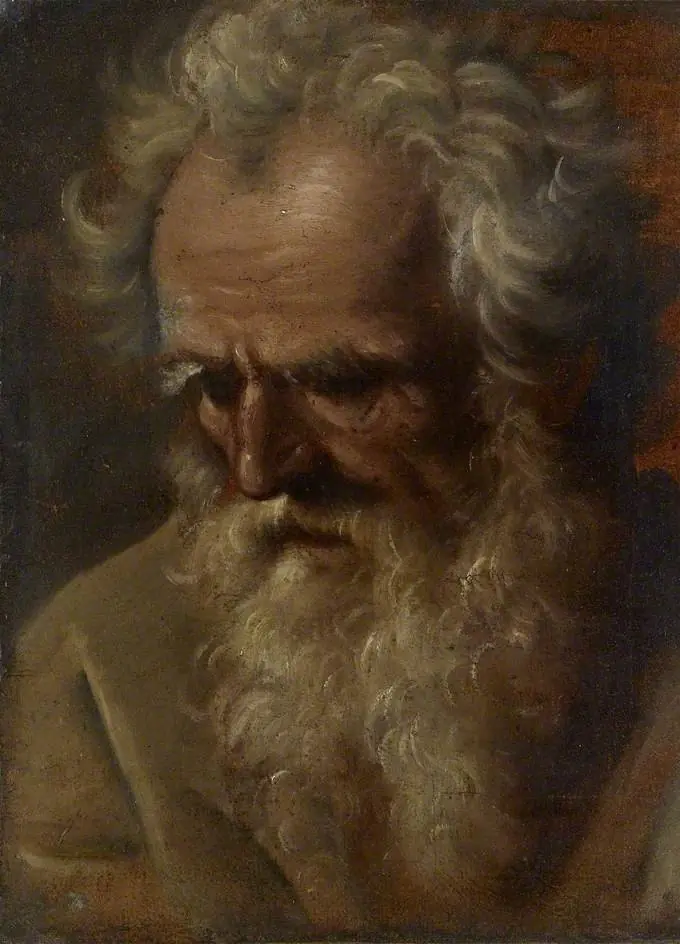
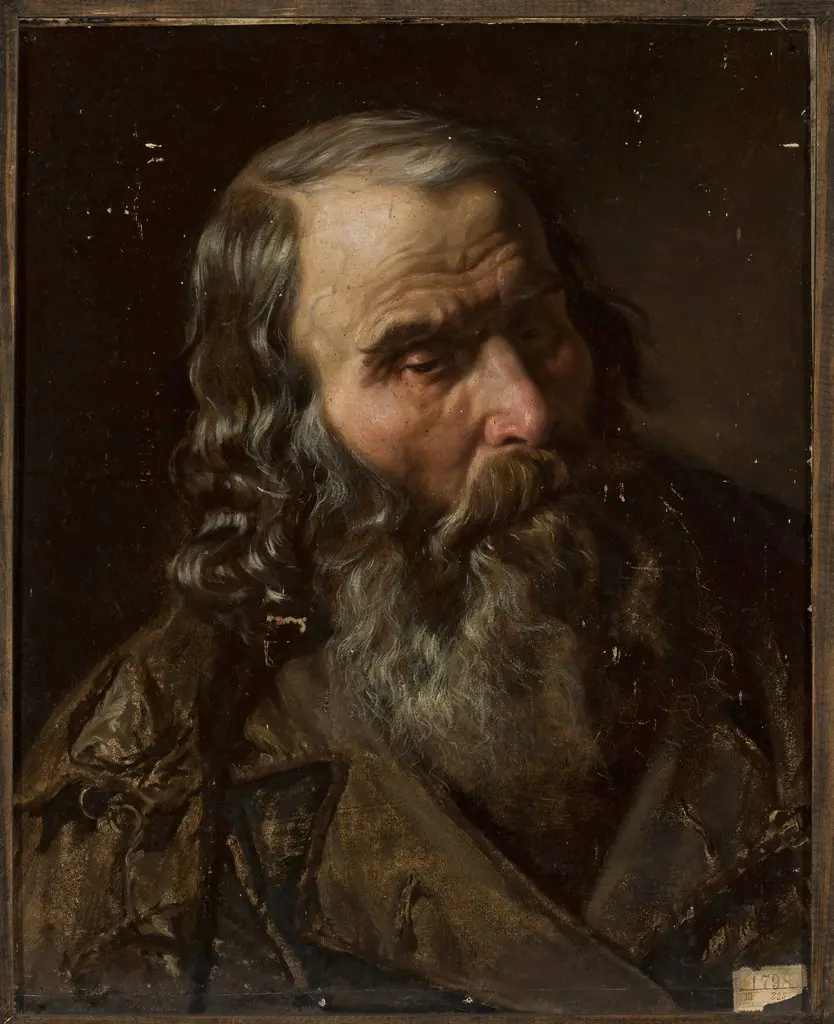
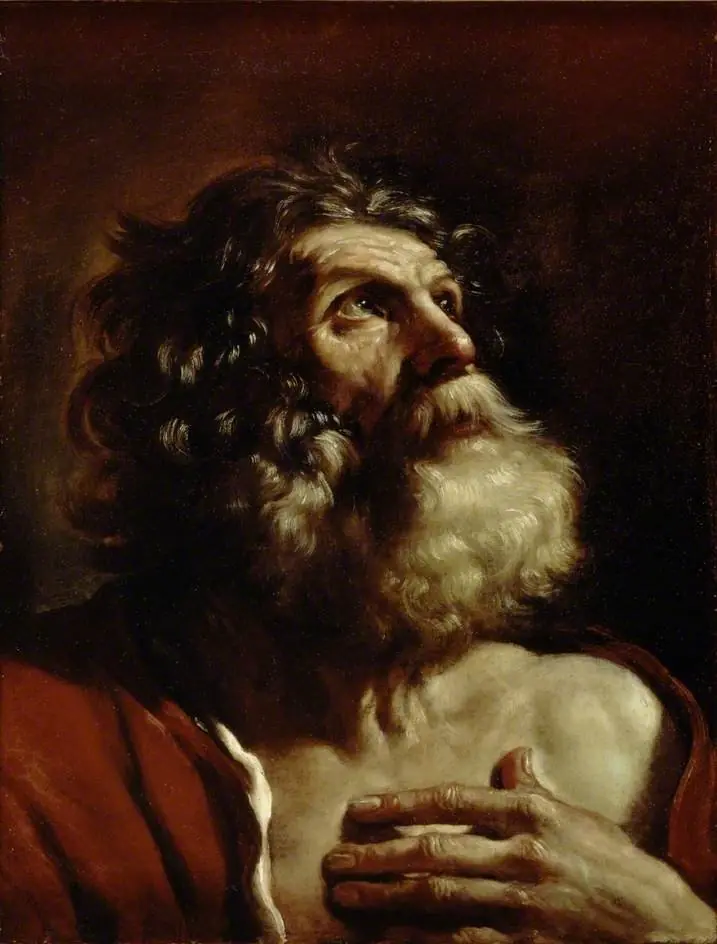
The Head of an Old Man
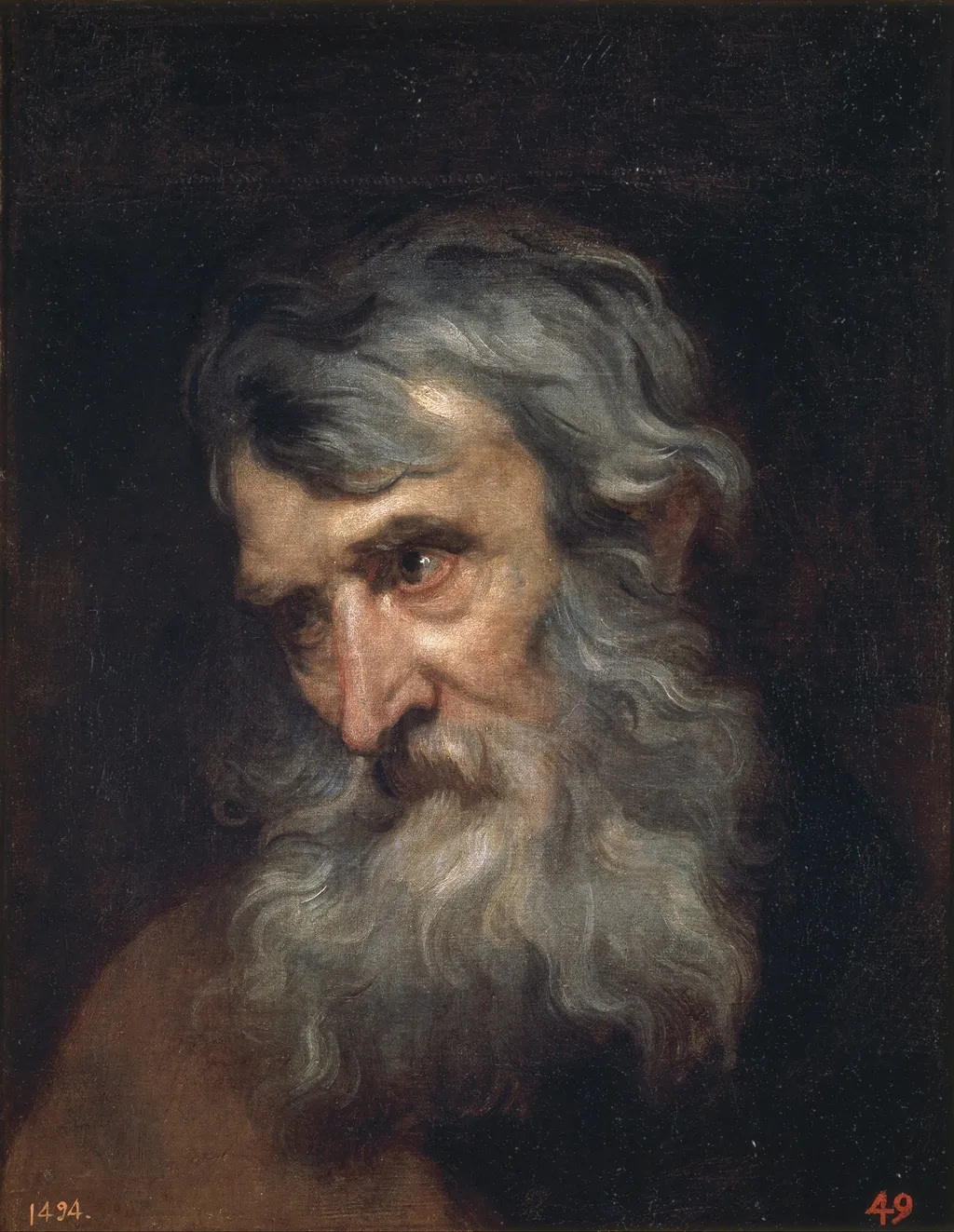
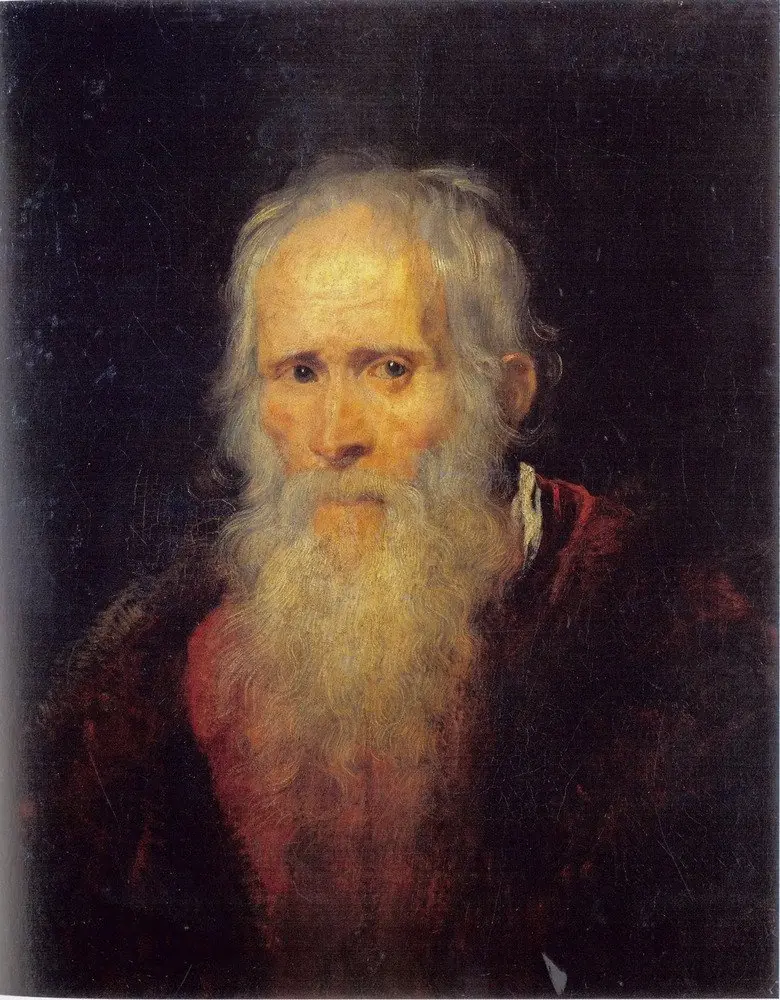
The Head of an Old Man is an oil painting by the Flemish Baroque painting artist Anthony van Dyck. It dates from 1618 and is held in the collection of the Museo del Prado.
About this work
Overview
Its compact scale and intimate scale suggest a study rather than a commissioned portrait, emphasizing the artist’s exploration of human expression and texture.
Painted in 1618, *The Head of an Old Man* is an oil portrait by Anthony van Dyck, created during his formative years in Peter Paul Rubens’ Antwerp studio. The work captures a solitary elderly figure with intense focus, reflecting van Dyck’s early mastery of observational realism. Its compact scale and intimate scale suggest a study rather than a commissioned portrait, emphasizing the artist’s exploration of human expression and texture.
Subject & Meaning
The subject is an unnamed older man, distinguished by a long, white beard and wavy, thinning hair. His turned gaze and weathered features convey quiet dignity rather than narrative identity. Van Dyck avoids idealization, presenting the man’s aging face with unembellished honesty. The absence of context or symbolism directs attention to the physical presence of the individual, suggesting an interest in human character over status or story.
Technique & Style
Van Dyck employs soft, layered brushwork to render the texture of hair and skin, creating a tactile quality that invites close observation. The use of chiaroscuro—sharp contrasts between light and shadow—models the face with subtle volume, enhancing its three-dimensionality. The dark, neutral background isolates the figure, focusing the viewer’s attention entirely on the play of light across facial contours and the fine strands of the beard.
History & Provenance
The painting entered the collection of the Museo del Prado in Madrid, where it remains today. Its early date places it within van Dyck’s apprenticeship under Rubens, a period when he absorbed the Flemish Baroque emphasis on naturalism and dynamic composition. While not documented as part of a larger commission, its survival suggests it was valued by the artist or his circle as a study in portraiture technique.
Context
Created during the height of the Flemish Baroque, the work aligns with a broader cultural interest in psychological depth and lifelike representation. Van Dyck’s studio environment, dominated by Rubens’ influence, encouraged rigorous study from life. This portrait reflects a shift from formal portraiture toward intimate, character-driven studies, a trend that would later define van Dyck’s mature style in England.
Legacy
Though not widely exhibited as a standalone work, *The Head of an Old Man* exemplifies van Dyck’s foundational skills in capturing human presence through light and texture. It stands as a quiet precursor to his later royal portraits, demonstrating how his early focus on individuality and realism shaped his approach to portraiture across Europe. The painting remains a key reference for understanding his artistic evolution.
Own this work as a print
Artist & collection
Artist
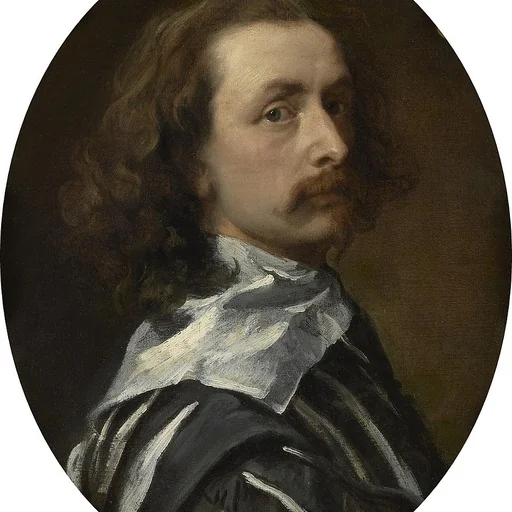
Sir Anthony van Dyck (; Dutch: Antoon van Dijck ; 22 March 1599 – 9 December 1641) was a Flemish Baroque artist, who became the leading court painter in England after success in the Spanish Netherlands and Italy.