Artwork
Isabella Clara Eugenia, Archduchess of Austria
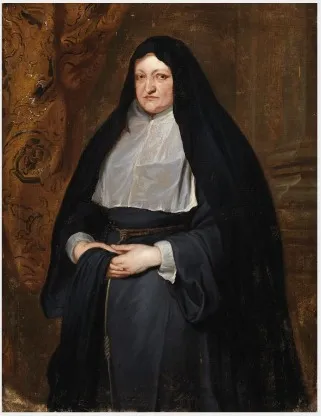
Isabella Clara Eugenia, Archduchess of Austria is an oil painting by the Flemish Baroque painting artist Anthony van Dyck. It dates from 1630 and is held in the collection of the National Gallery of Ireland.
About this work
Overview
Van Dyck, trained under Rubens and renowned for his refined portraiture, rendered the subject with quiet dignity.
Painted around 1630 by Anthony van Dyck, this oil portrait depicts Isabella Clara Eugenia, Archduchess of Austria and former governor of the Spanish Netherlands. Van Dyck, trained under Rubens and renowned for his refined portraiture, rendered the subject with quiet dignity. The work resides in the National Gallery of Ireland, where it stands as a testament to the artist’s mature style and his ability to convey status through restraint.
Subject & Meaning
Isabella Clara Eugenia, daughter of Philip II of Spain, governed the Spanish Netherlands from 1621 to 1633. Though often portrayed in regal attire, this depiction shows her in a somber, convent-like garment, reflecting her later life after stepping down from power. The clasped hands and veiled head suggest piety and withdrawal from public life, aligning with her known devotion to religious observance in her final years.
Technique & Style
Van Dyck employed subtle gradations of oil paint to model the folds of fabric and the softness of skin, avoiding overt ornamentation. The dark robe contrasts with the pale collar and hands, drawing focus to the subject’s composed expression. The warm, muted background lacks detail, enhancing the figure’s stillness. His brushwork is precise yet unobtrusive, characteristic of his mature portraiture that prioritized psychological presence over grandeur.
History & Provenance
The painting entered the National Gallery of Ireland’s collection in the 19th century, though its earlier ownership remains unclear. It was likely commissioned during or shortly after Isabella’s tenure as governor, possibly for private devotional use. Unlike many of van Dyck’s court portraits, this work shows no heraldic symbols, suggesting a more personal or spiritual intent.
Context
In early 17th-century Flanders, portraits of noblewomen often blended secular authority with religious symbolism. Isabella’s choice to be depicted in monastic dress reflected a broader trend among elite women who embraced piety after political retirement. Van Dyck’s depiction aligns with this cultural shift, offering a quiet alternative to the flamboyant imagery typical of Habsburg representation.
Legacy
This portrait exemplifies van Dyck’s capacity to convey inner life through minimal means. While less celebrated than his royal commissions, it influenced later depictions of noblewomen in retreat, emphasizing dignity over spectacle. Its restrained aesthetic continues to inform interpretations of female agency and spiritual identity in Baroque portraiture.
Artist & collection
Artist
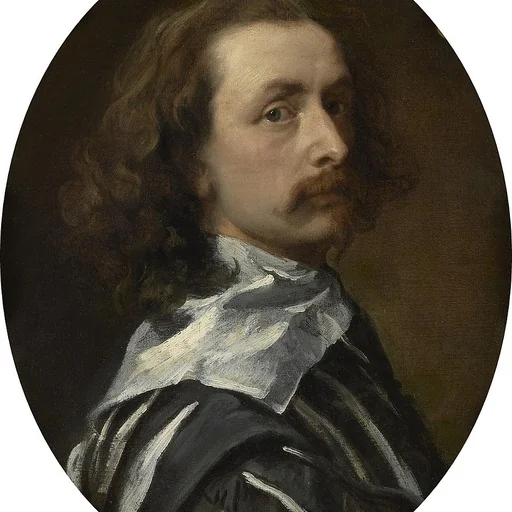
Sir Anthony van Dyck (; Dutch: Antoon van Dijck ; 22 March 1599 – 9 December 1641) was a Flemish Baroque artist, who became the leading court painter in England after success in the Spanish Netherlands and Italy.

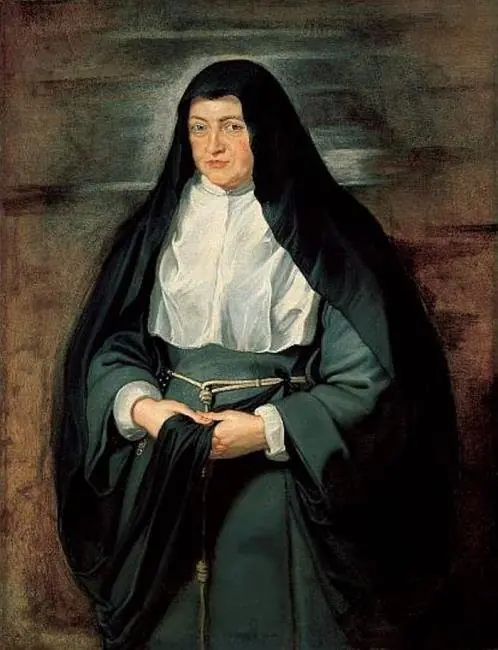 Portrait of Archduchess Isabella Clara Eugenia, Spanish Regent of the Low Countries, as a Nun
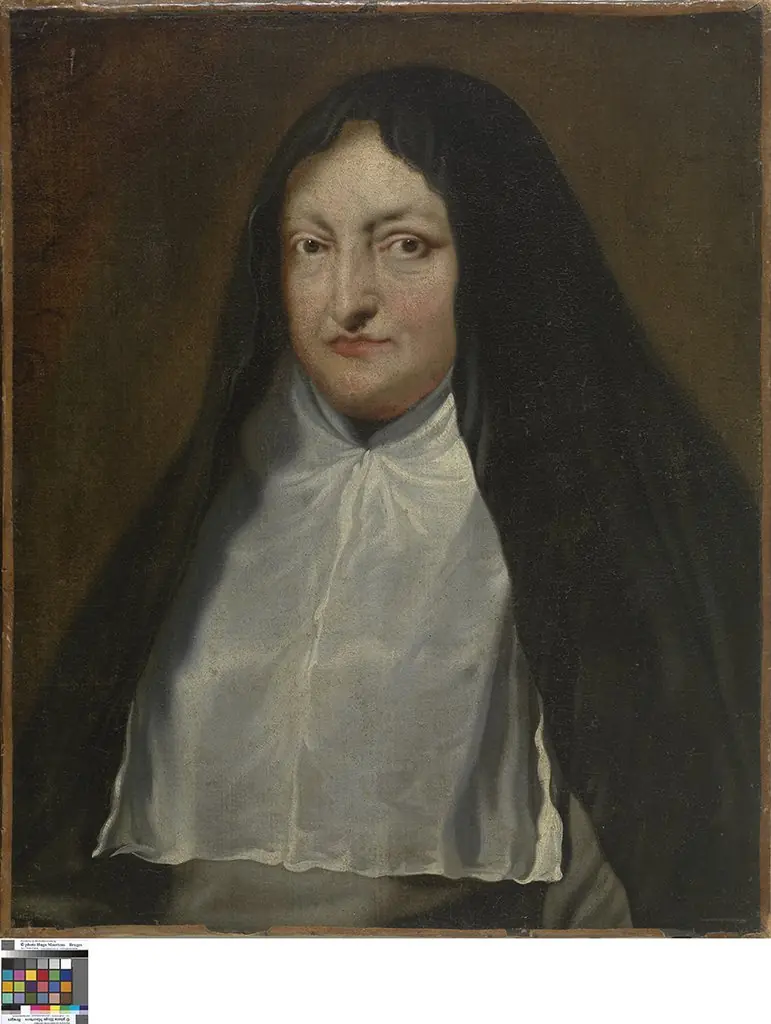 Portrait of Archduchess Isabella Clara Eugenia as Clarisse
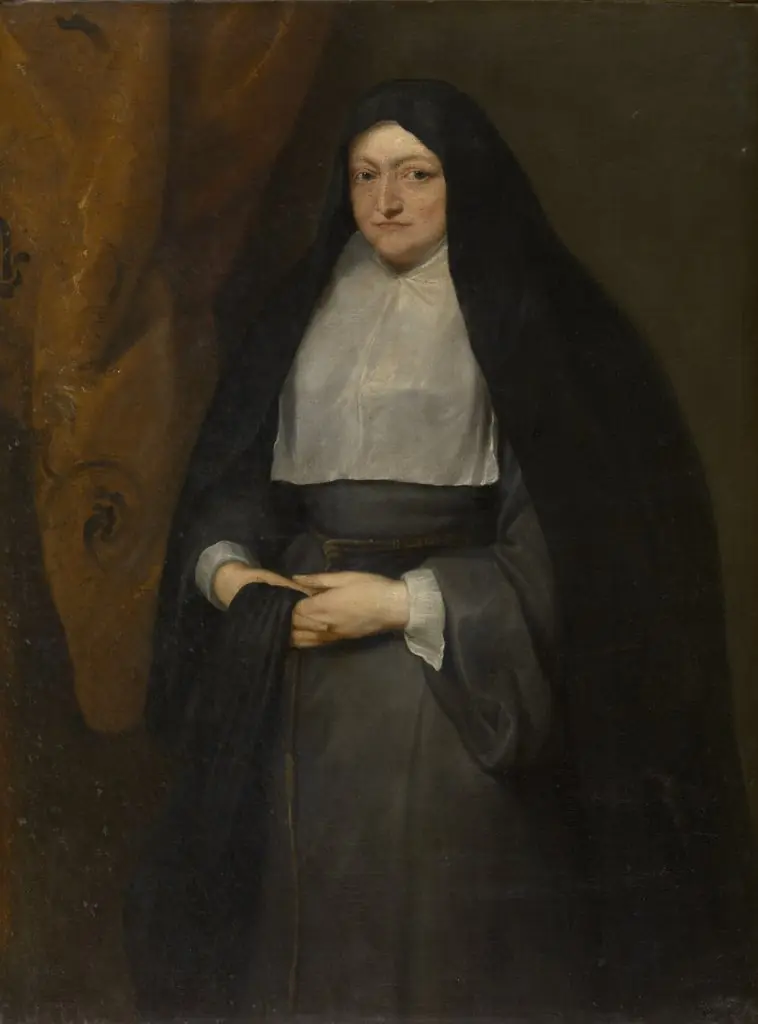 Infante Isabella Clara Eugenia
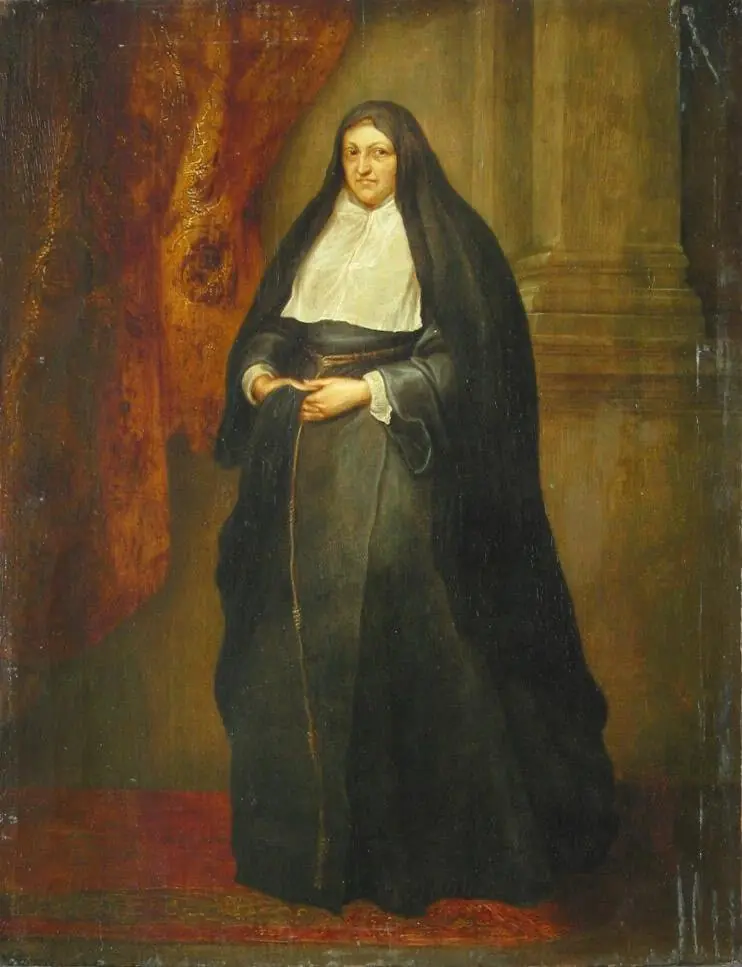 Portrait of Infanta Isabella Clara Eugenia of Spain (1566-1633)
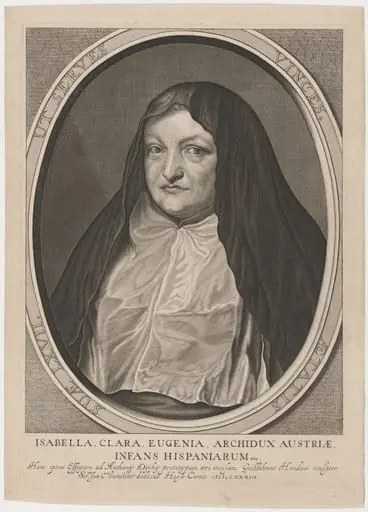 Isabella Clara Eugenia as a Nun
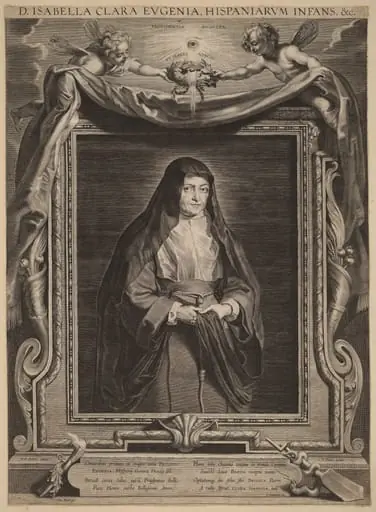 Isabella Clara Eugenia, Infanta of Spain