Artwork
Isabella Clara Eugenia as a Nun
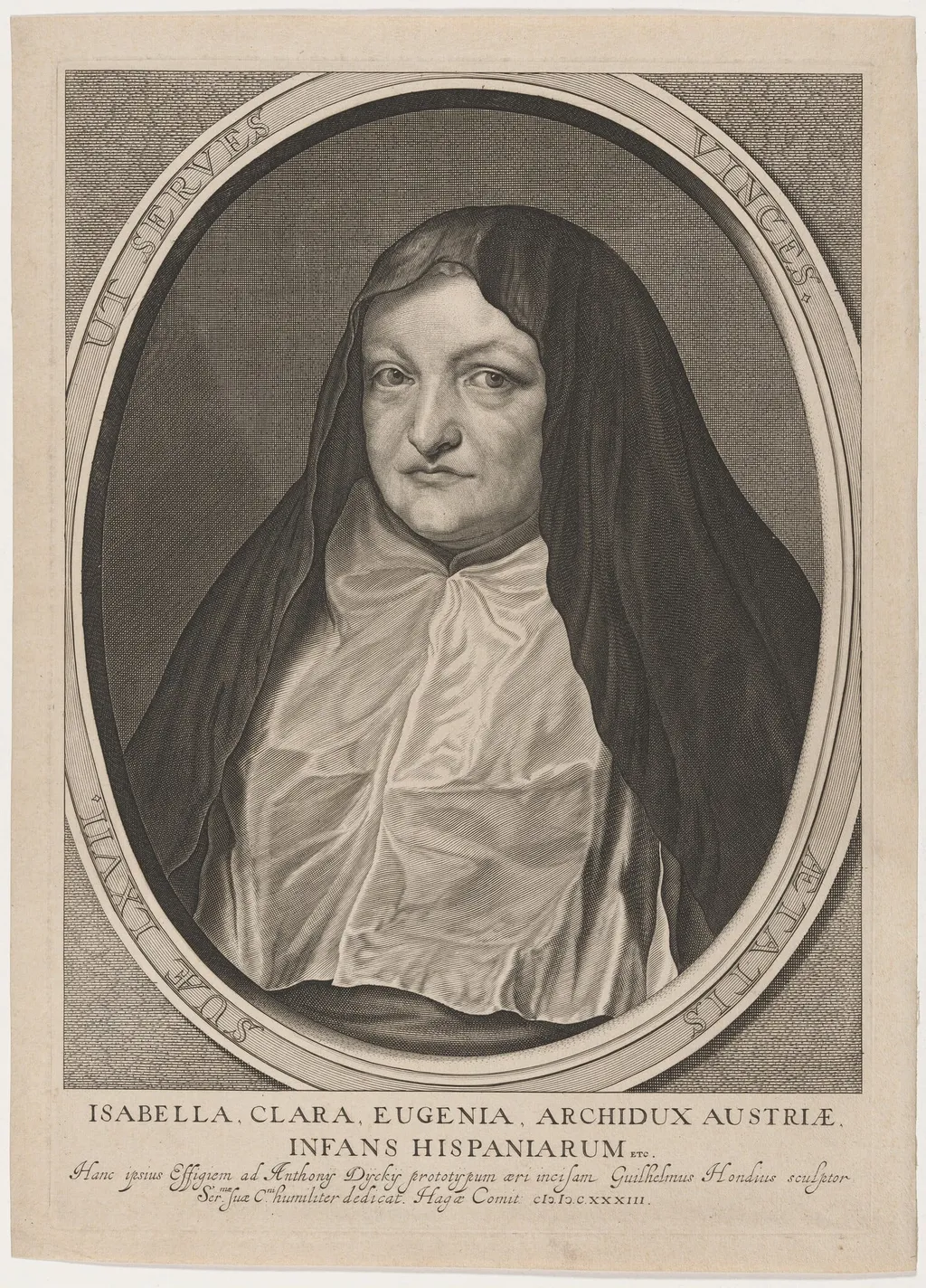
Isabella Clara Eugenia as a Nun is an ink print by the Baroque artist Willem Hondius. It dates from 1633 and is held in the collection of the National Gallery of Art.
About this work
Overview
Isabella Clara Eugenia as a Nun is a 1633 engraving by Willem Hondius, portraying the Spanish Infanta in a nun’s habit. The black-and-white portrait features a serious-faced Isabella with a dark veil, set against a plain background within a circular frame.
Subject & Meaning
The subject, Isabella Clara Eugenia, is depicted in a manner reflecting her dual status as both a noble (Archduchess of Austria) and a figure of religious devotion. The formal portrait likely aimed to convey her authority and piety.
Technique & Style
As an engraving, the work showcases Hondius’s skill in creating detailed images through intricate line work. The stark, high-contrast design emphasizes the subject’s solemnity, characteristic of 17th-century Dutch engraving’s attention to expressive detail.
History & Provenance
Created in 1633 by Willem Hondius, a Dutch artist active primarily in Poland, the engraving’s provenance details are not specified here, though its creation reflects the artist’s broader European influence and connections.
Context
The portrait situates Isabella Clara Eugenia within the religious and political climate of 17th-century Europe, where depictions of nobility in religious attire signified both personal devotion and public image management.
Artist & collection
Artist
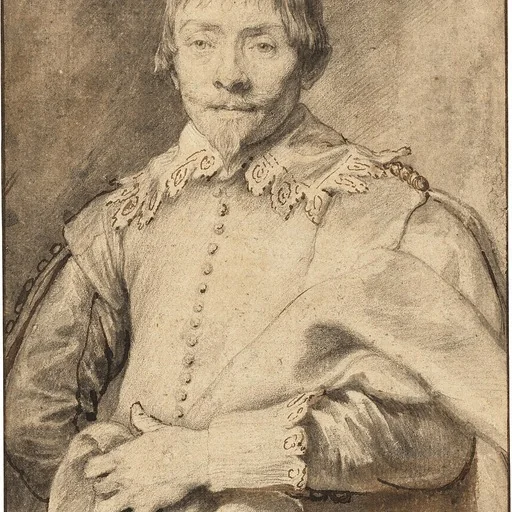
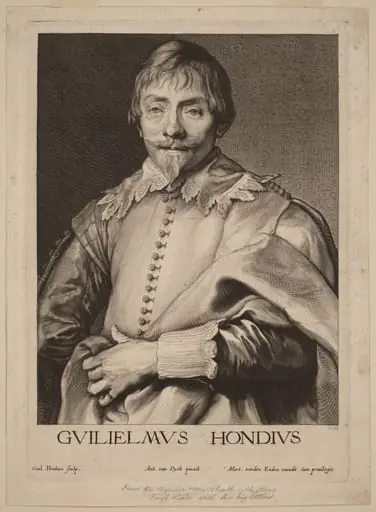
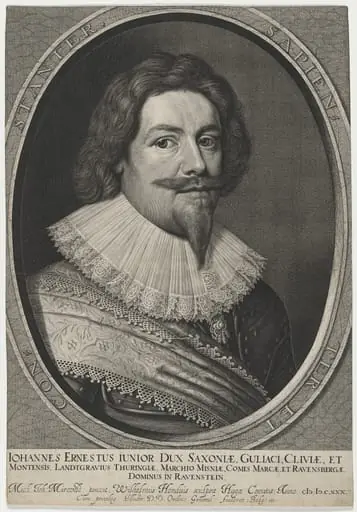
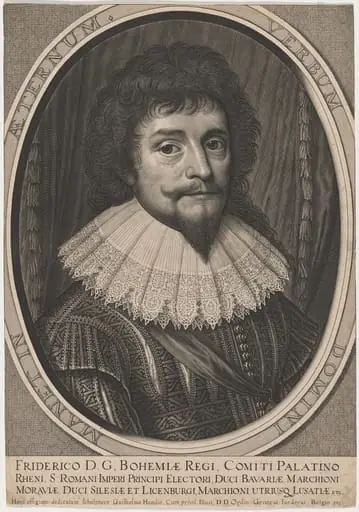
Willem Hondius or Willem Hondt (c. 1598 in The Hague – 1652 or 1658 in Danzig (Gdańsk)) was a Dutch engraver, cartographer and painter who spent most of his life in Poland.

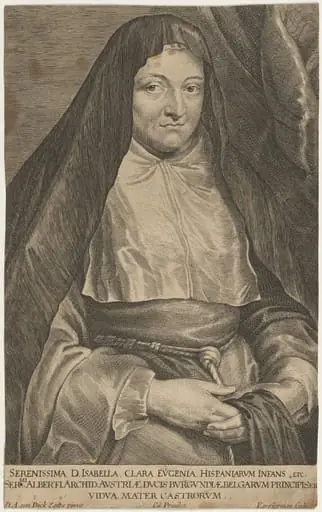 Isabella Clara Eugenie as a Nun
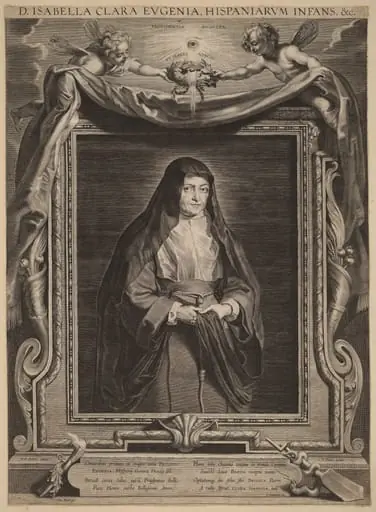 Isabella Clara Eugenia, Infanta of Spain
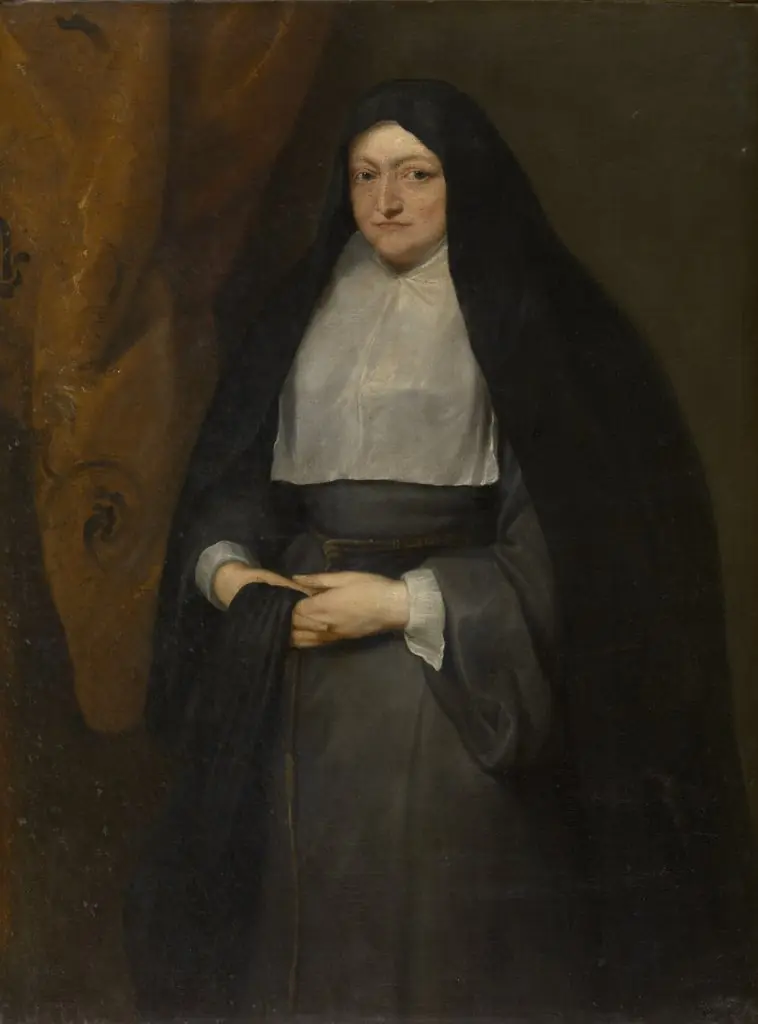 Infante Isabella Clara Eugenia
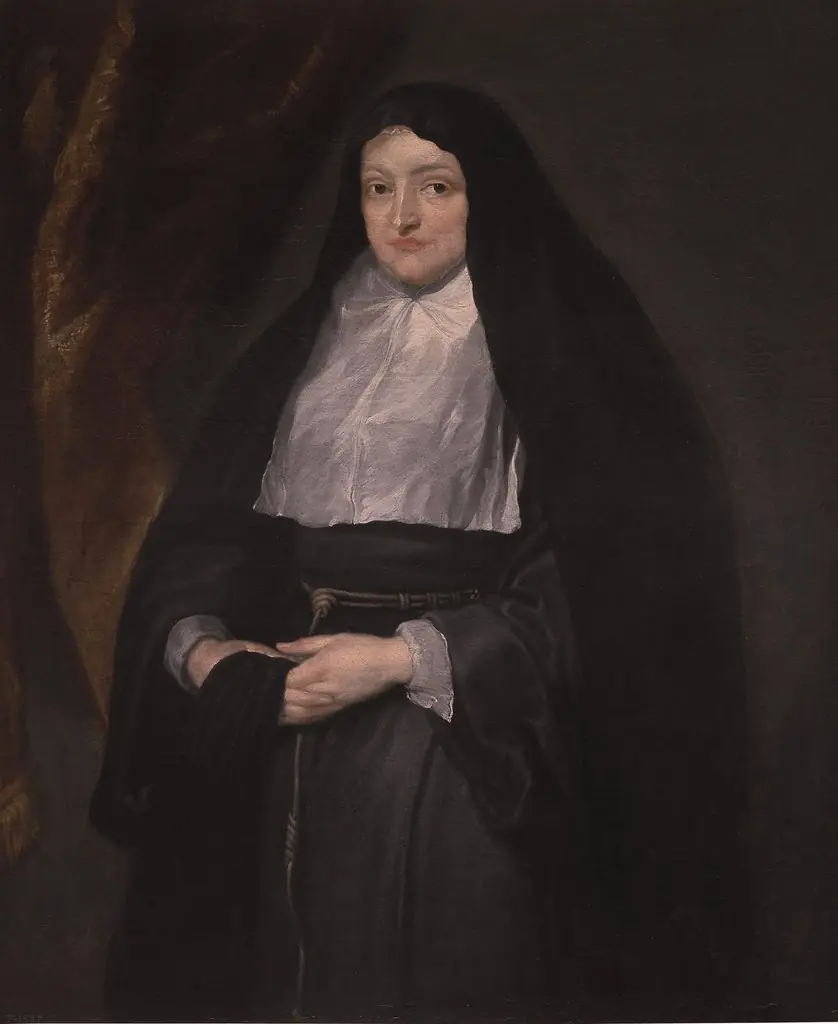 Portrait of Isabel Clara Eugenia as a nun
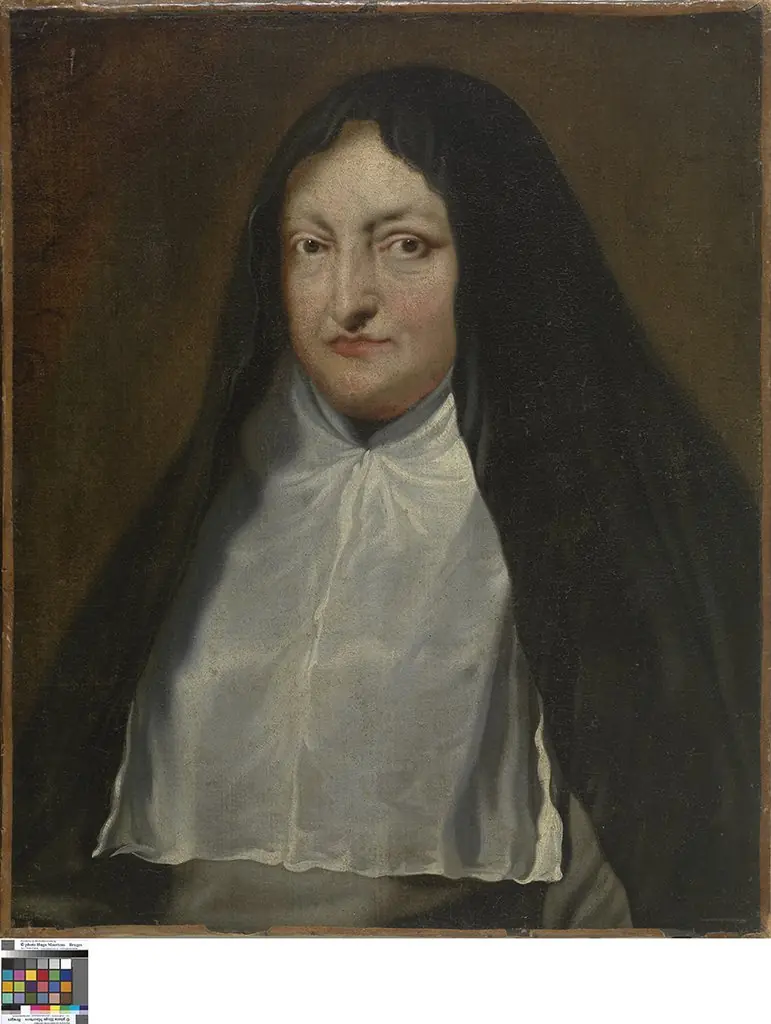 Portrait of Archduchess Isabella Clara Eugenia as Clarisse
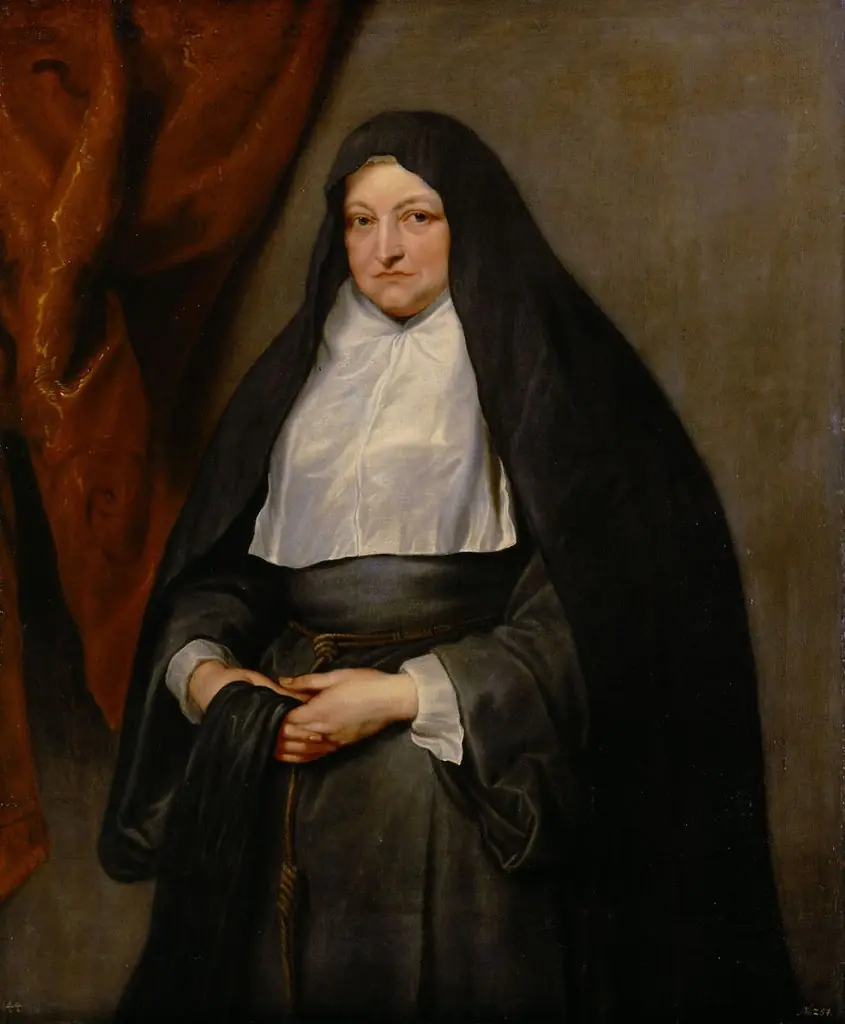 Infantin Isabella Clara Eugenia, portrait as a widow
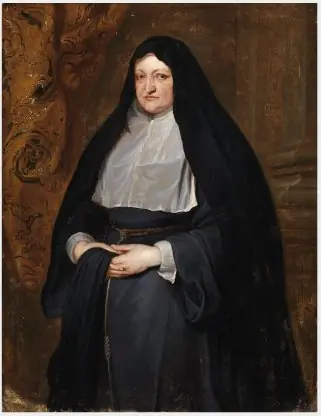 Isabella Clara Eugenia, Archduchess of Austria
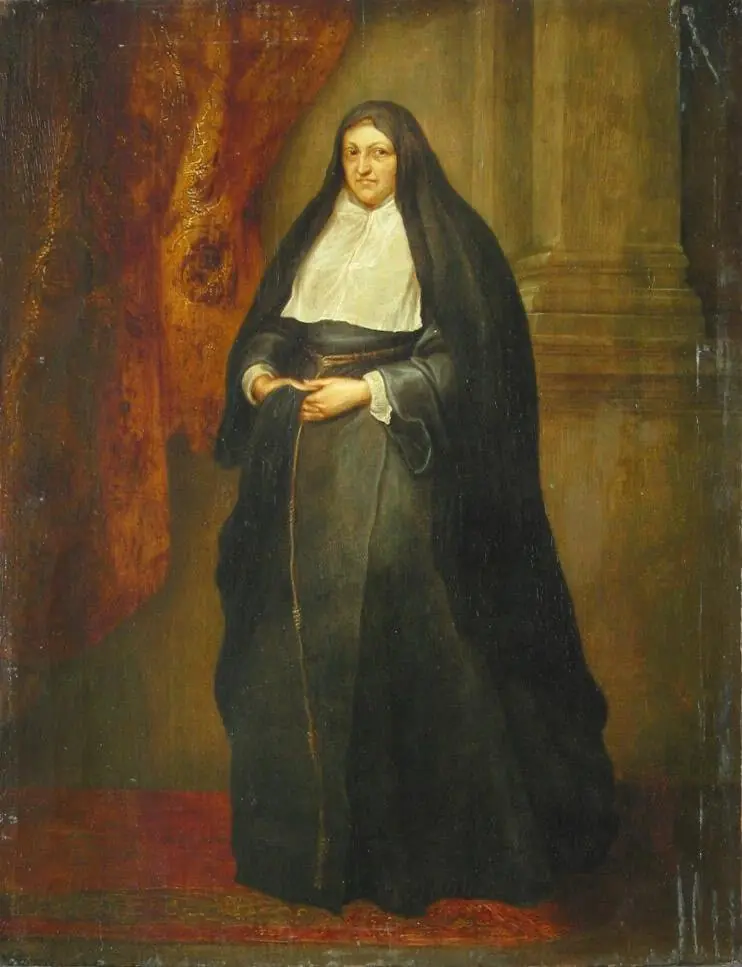 Portrait of Infanta Isabella Clara Eugenia of Spain (1566-1633)