Artwork
Infante Isabella Clara Eugenia
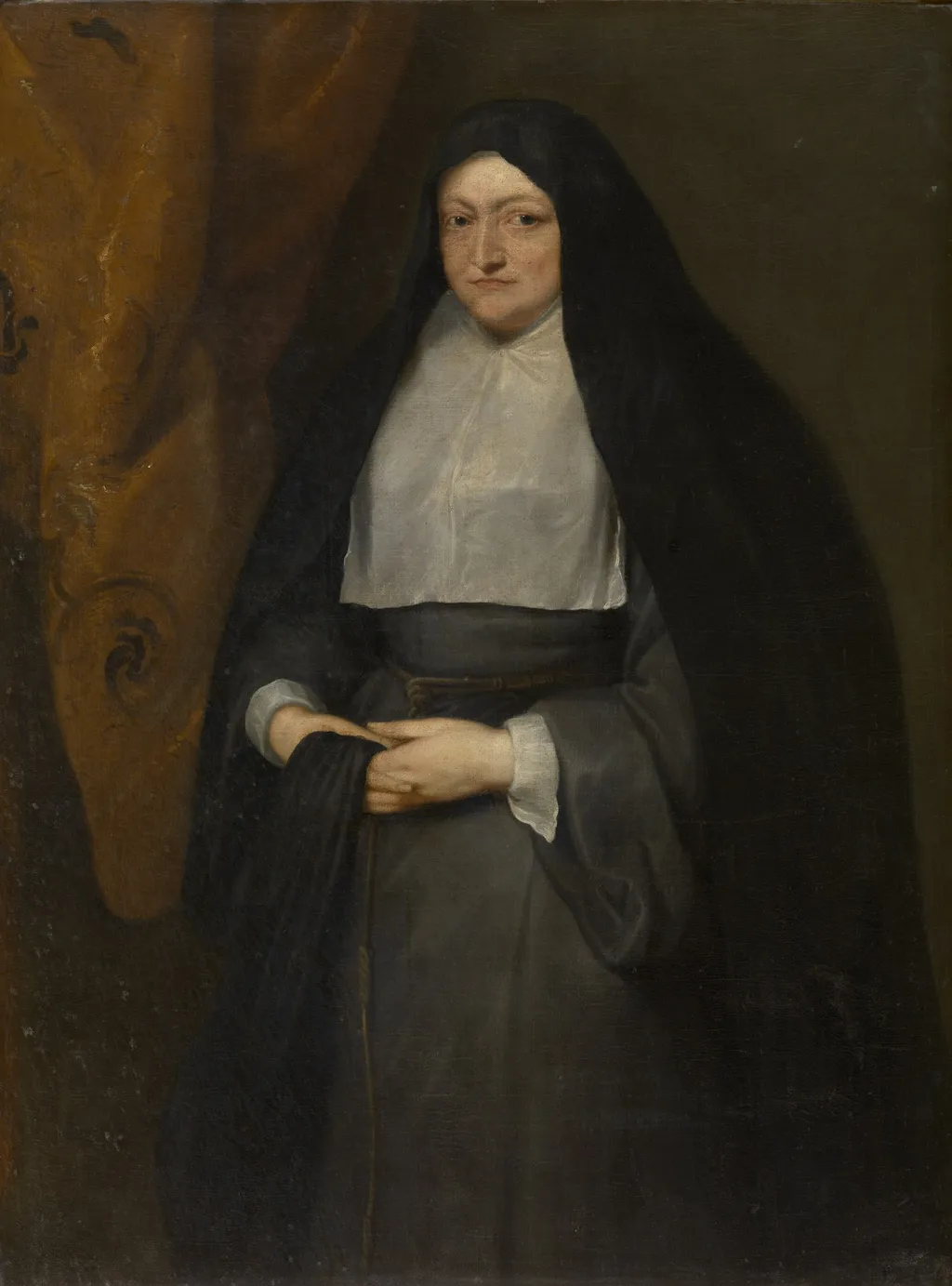
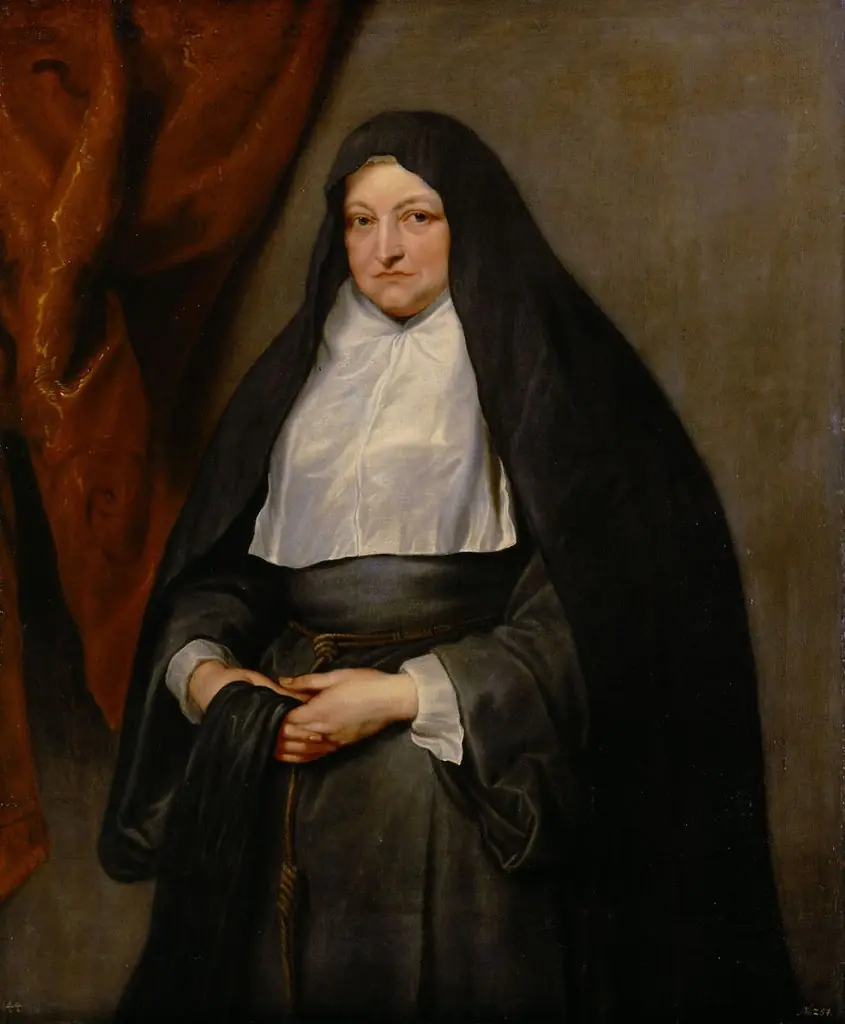
Infante Isabella Clara Eugenia is an oil painting by the Flemish Baroque painting artist Anthony van Dyck. It dates from 1632 and is held in the collection of the Royal Museum of Fine Arts Antwerp.
About this work
Overview
Anthony van Dyck’s 1632 oil portrait presents the Spanish Infanta Isabella Clara Eugenia in a restrained, formal pose. The figure is rendered against a dark, neutral backdrop, emphasizing her attire and serene expression. The painting resides in the Royal Museum of Fine Arts in Antwerp, exemplifying the artist’s mature portraiture during his early Flemish period.
Subject & Meaning
The sitter, Isabella Clara Eugenia, daughter of Philip II of Spain, is shown in modest black garments trimmed with a white collar and cuffs, a conventional dress code for noblewomen of the era. Her calm demeanor, slight smile, and veiled hair convey both regal dignity and personal piety, reflecting contemporary ideals of female virtue and courtly decorum.
Technique & Style
Executed in oil on canvas, van Dyck employs a limited palette of deep shadows and muted highlights to model the figure’s form. The brushwork is smooth in the flesh tones, contrasting with the more textured treatment of the fabric and background. This balance of realism and idealisation aligns with the Flemish Baroque aesthetic cultivated under Rubens’s influence.
History & Provenance
Created shortly after van Dyck’s return to Antwerp, the portrait entered the collection of the Royal Museum of Fine Arts Antwerp, where it remains on display. Its provenance traces a straightforward path from the artist’s studio to the museum, illustrating the work’s enduring relevance within the institution’s holdings of 17th‑century Flemish art.
Own this work as a print
Artist & collection
Artist
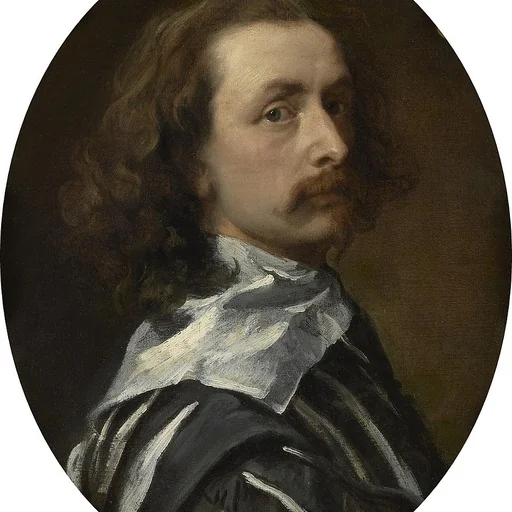
Sir Anthony van Dyck (; Dutch: Antoon van Dijck ; 22 March 1599 – 9 December 1641) was a Flemish Baroque artist, who became the leading court painter in England after success in the Spanish Netherlands and Italy.

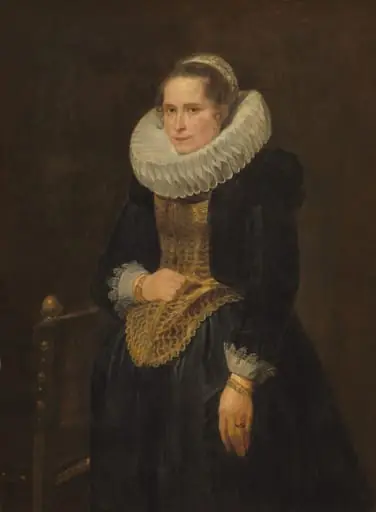
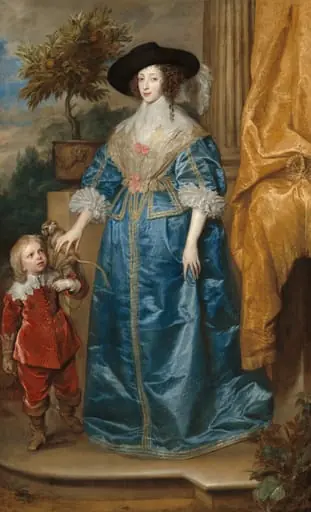
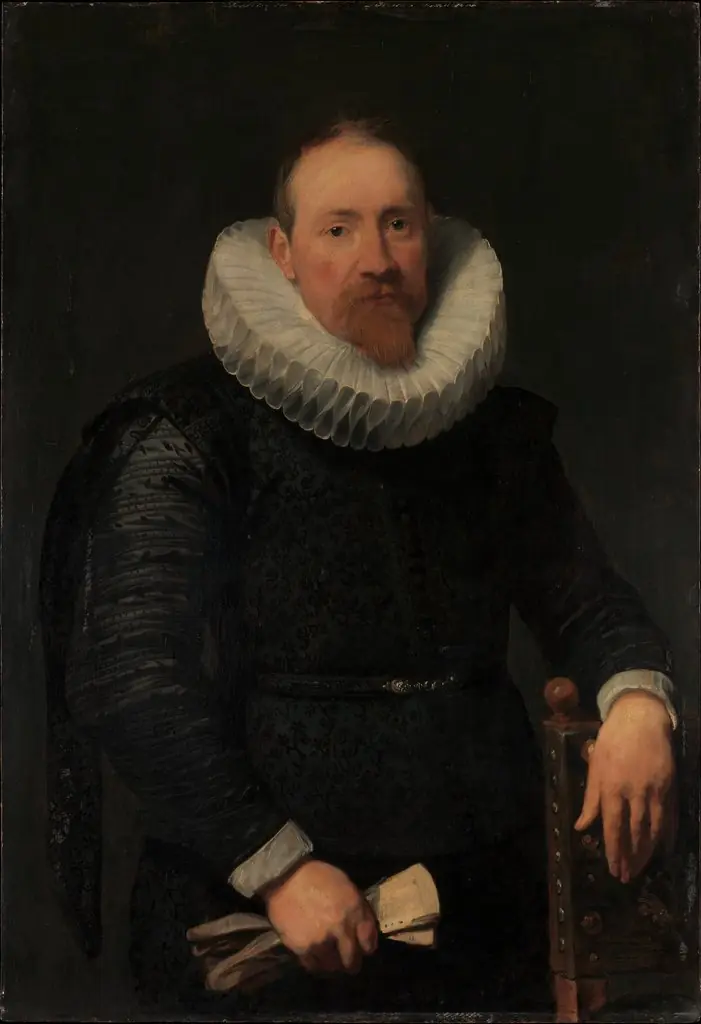
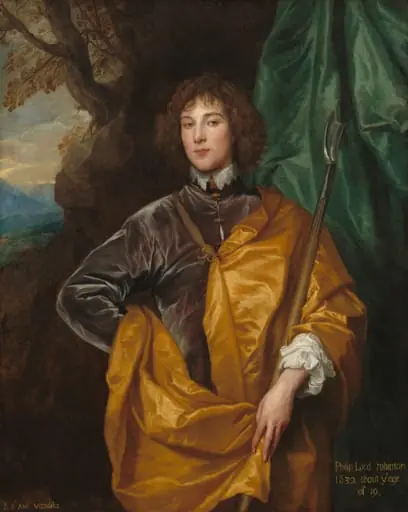
 Infantin Isabella Clara Eugenia, portrait as a widow
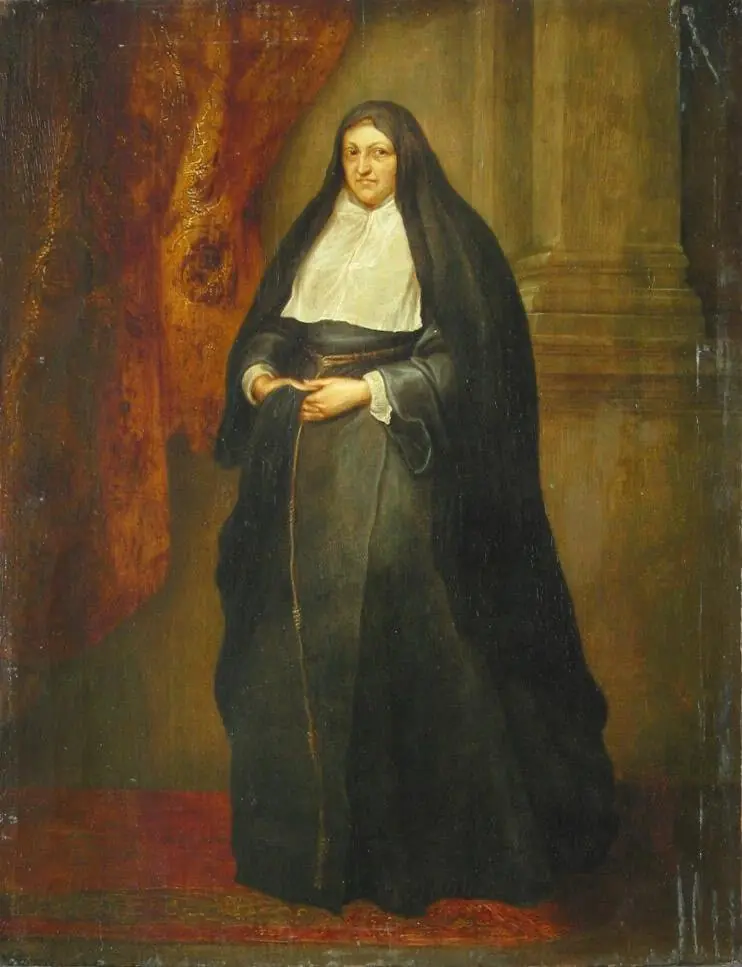 Portrait of Infanta Isabella Clara Eugenia of Spain (1566-1633)
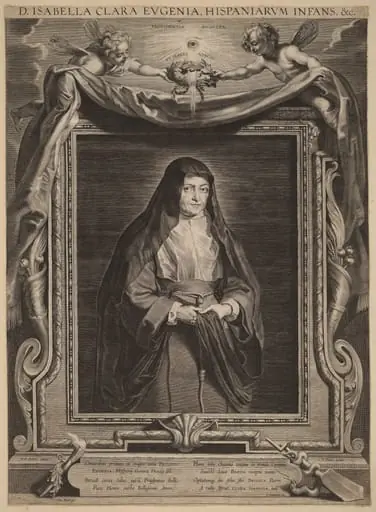 Isabella Clara Eugenia, Infanta of Spain
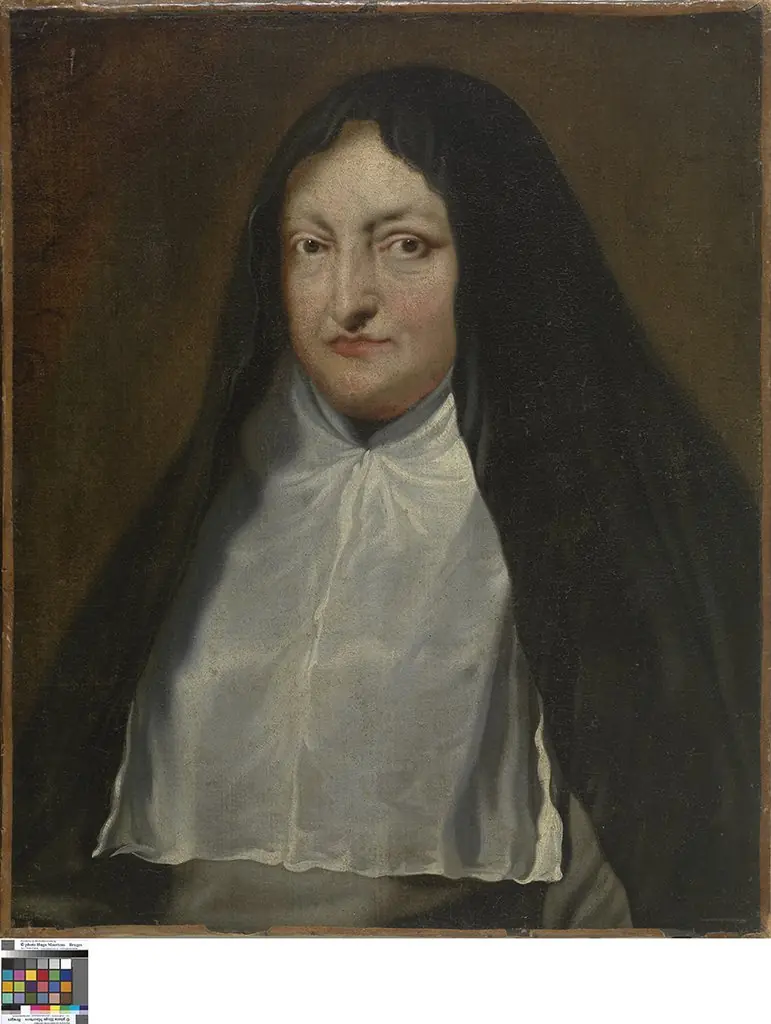 Portrait of Archduchess Isabella Clara Eugenia as Clarisse
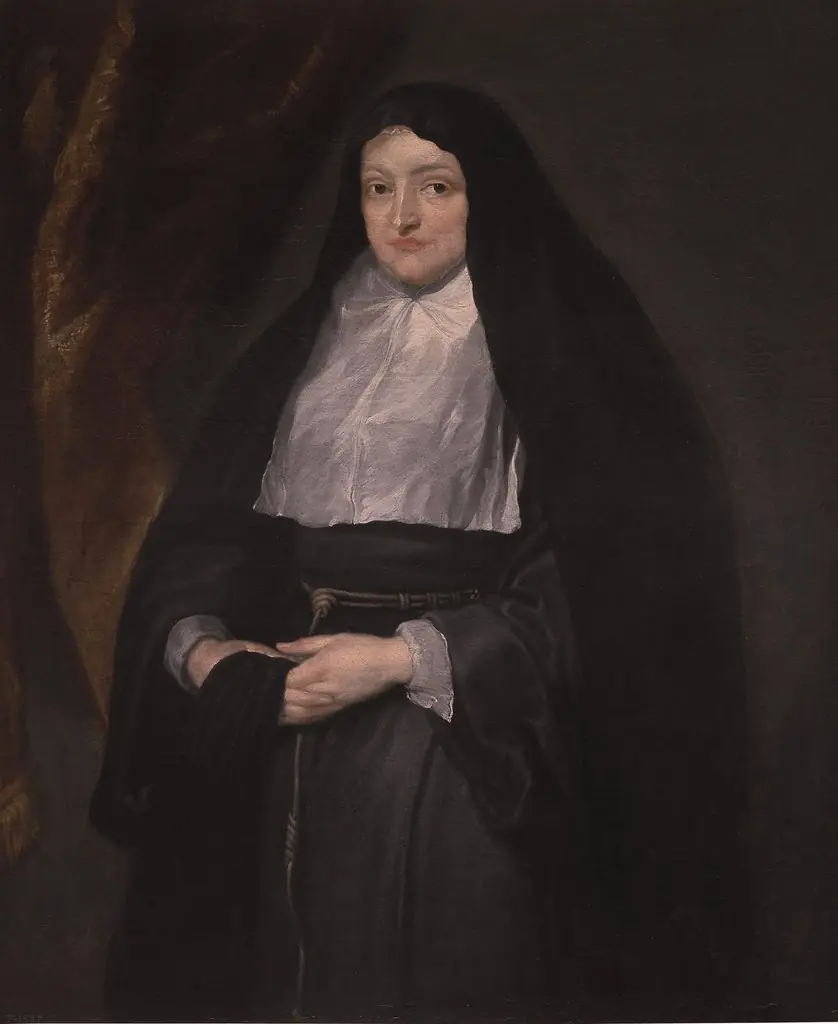 Portrait of Isabel Clara Eugenia as a nun
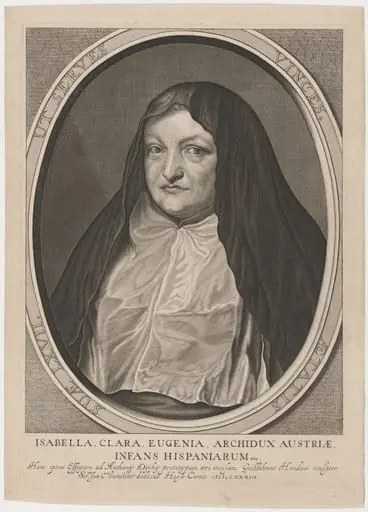 Isabella Clara Eugenia as a Nun
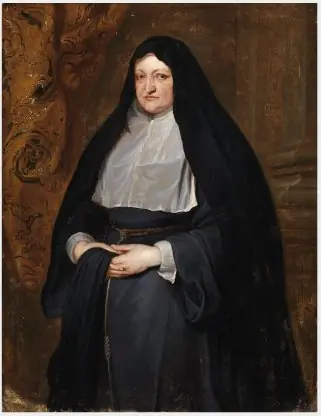 Isabella Clara Eugenia, Archduchess of Austria
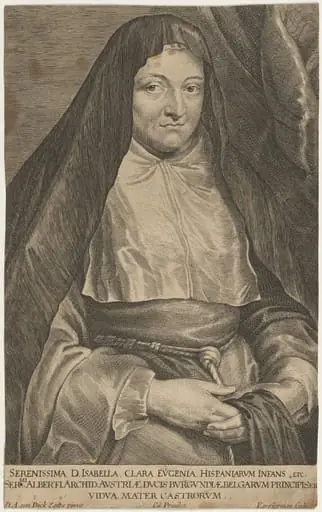 Isabella Clara Eugenie as a Nun