Artwork
Portrait of Archduchess Isabella Clara Eugenia as Clarisse
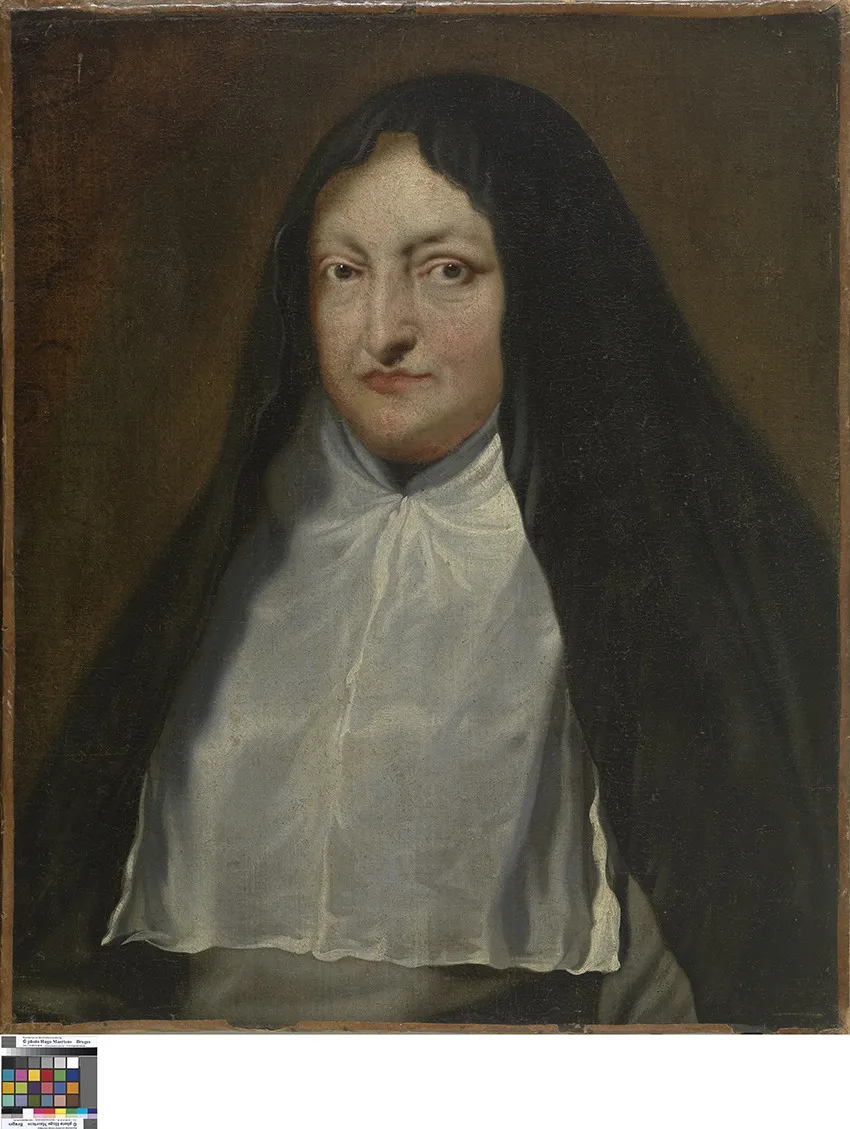
Portrait of Archduchess Isabella Clara Eugenia as Clarisse is an oil painting by the Flemish Baroque painting artist Unknown. It dates from 1628 and is held in the collection of the Groeningemuseum. This oil painting portrays Archduchess Isabella Clara Eugenia in a somber, contemplative pose.
About this work
Overview
Strong directional lighting enhances the three-dimensionality of her form, emphasizing texture in fabric and skin through visible brushwork.
This oil painting portrays Archduchess Isabella Clara Eugenia in a somber, contemplative pose. Dressed in a white undergarment and a dark outer robe, her head is covered by a heavy veil. The composition is tightly framed, with a deep shadowed background that isolates the figure. Strong directional lighting enhances the three-dimensionality of her form, emphasizing texture in fabric and skin through visible brushwork.
Subject & Meaning
The subject is Isabella Clara Eugenia, daughter of Philip II of Spain and regent of the Spanish Netherlands. Her direct gaze and restrained expression convey authority and solemnity, aligning with her political role. The modest attire and veil suggest piety and duty, reflecting the expected demeanor of a Habsburg noblewoman in public life. The portrait functions less as personal likeness and more as a statement of dynastic gravitas.
Technique & Style
The artist employs chiaroscuro to model the figure with sharp contrasts between light and shadow, creating volume and emotional intensity. Brushstrokes are deliberate and tactile, particularly in the rendering of the veil and fabric folds. The dark background recedes entirely, focusing attention on the face and hands. The technique avoids idealization, favoring a restrained realism that underscores the sitter’s gravity.
History & Provenance
The painting likely originated in the Spanish Netherlands during the early 17th century, possibly commissioned for a courtly or religious context. It remained within Habsburg collections before entering a public museum in the 19th century. Its attribution to a specific artist remains uncertain, though stylistic elements suggest ties to Flemish or Spanish court painters of the period.
Context
Created during a time of political instability in the Low Countries, the portrait reflects the Habsburgs’ use of imagery to project stability and moral authority. Female rulers like Isabella were often depicted with restrained elegance, balancing femininity with political gravitas. The emphasis on modesty and introspection aligns with Counter-Reformation ideals promoted in Catholic courts.
Legacy
The portrait contributes to a broader tradition of Habsburg portraiture that prioritized dignity over ornamentation. Its use of chiaroscuro anticipates later developments in Northern Baroque painting, influencing how female authority was visually articulated. Though not widely exhibited, it remains a significant example of how religious and political identity were encoded in private-facing court art.
Artist & collection

 Domestic Scene
 Giacomo and Cardinal Marco, investing Andrea, Abbot of San Zeno, with his Benefice
 The Nymph of Fontainebleau
 Portrait of a Woman
 Madonna and Child with Saints in the Enclosed Garden
 Venus and Minerva
 Family Group of Four on Sofa
 Wall painting from Room H of the Villa of P. Fannius Synistor at Boscoreale
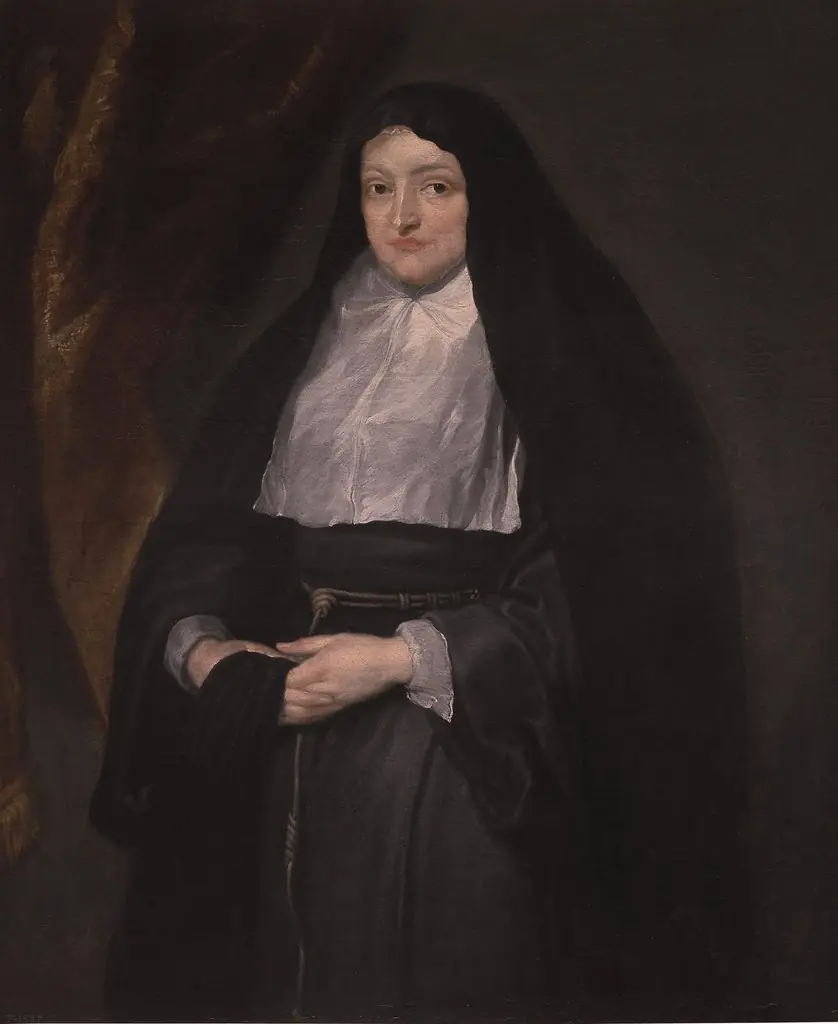 Portrait of Isabel Clara Eugenia as a nun
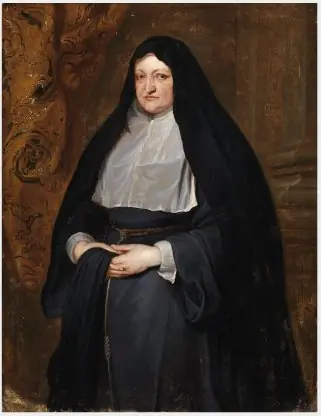 Isabella Clara Eugenia, Archduchess of Austria
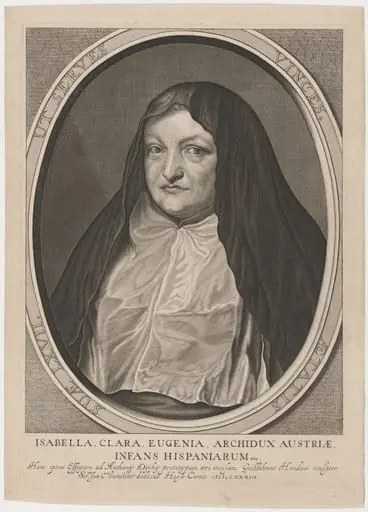 Isabella Clara Eugenia as a Nun
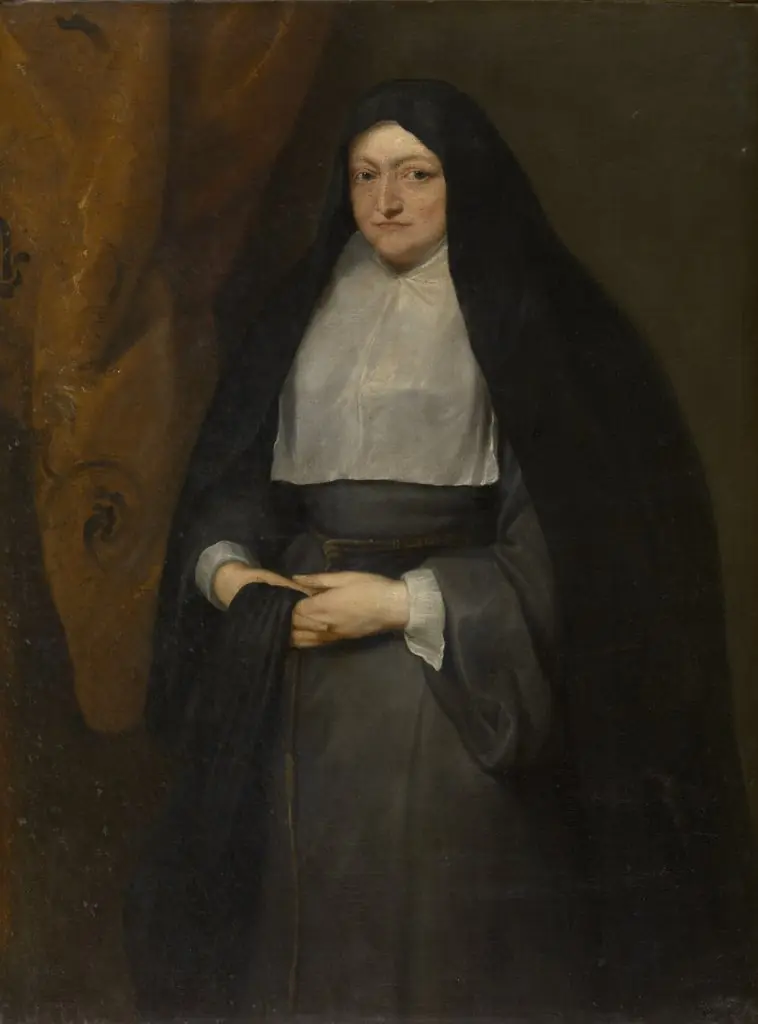 Infante Isabella Clara Eugenia
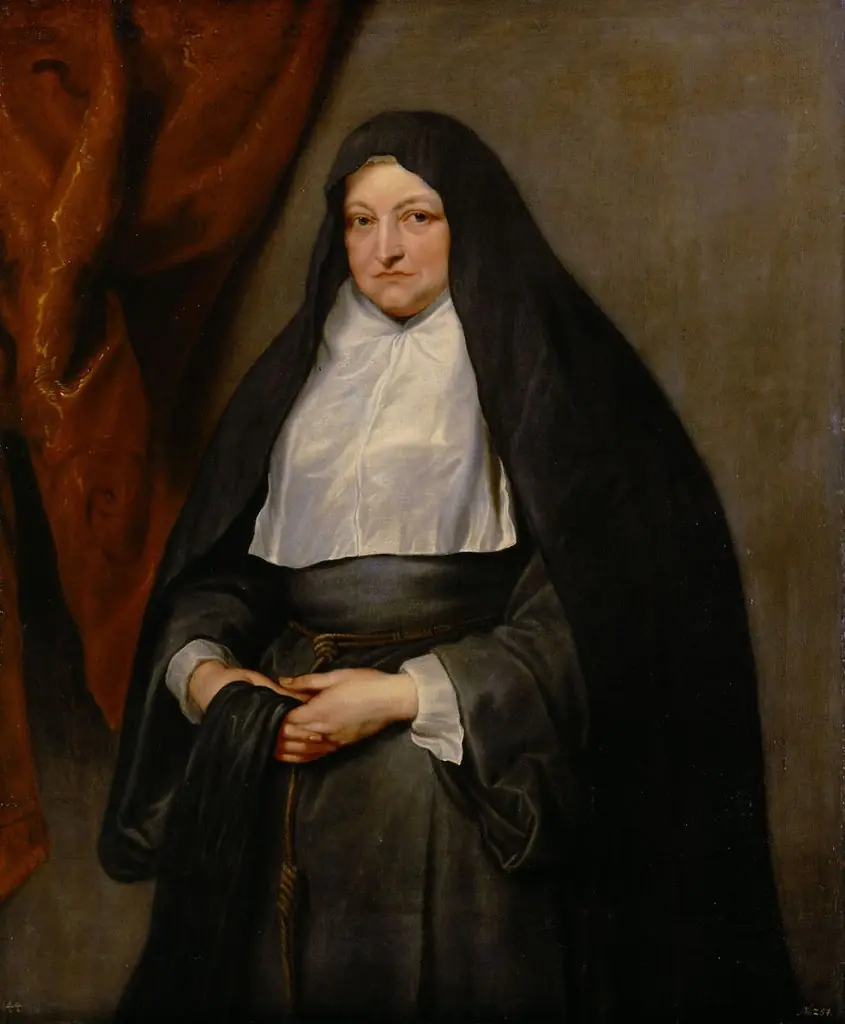 Infantin Isabella Clara Eugenia, portrait as a widow
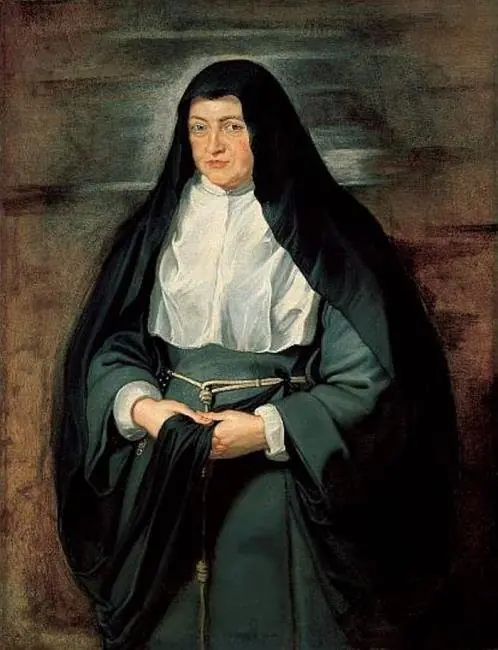 Portrait of Archduchess Isabella Clara Eugenia, Spanish Regent of the Low Countries, as a Nun
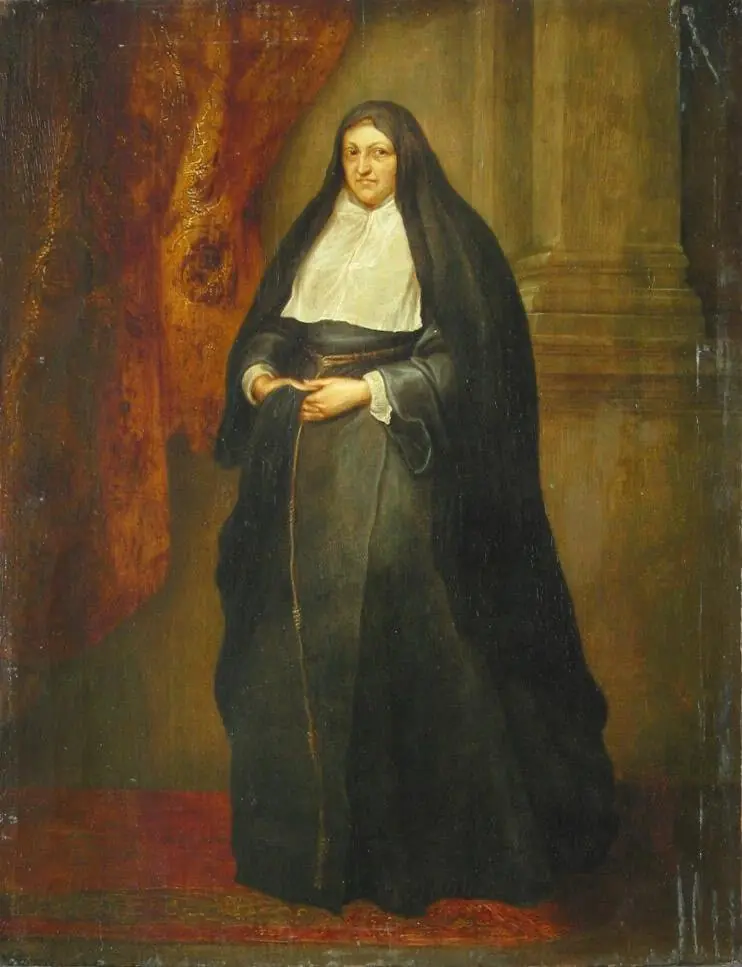 Portrait of Infanta Isabella Clara Eugenia of Spain (1566-1633)
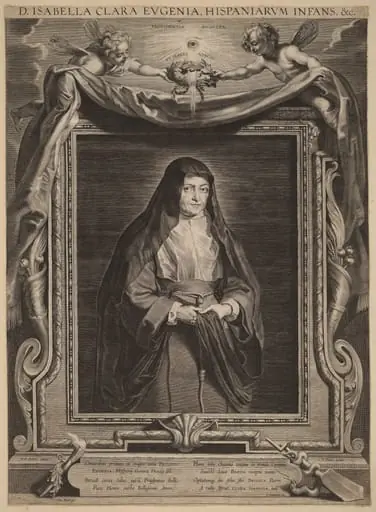 Isabella Clara Eugenia, Infanta of Spain
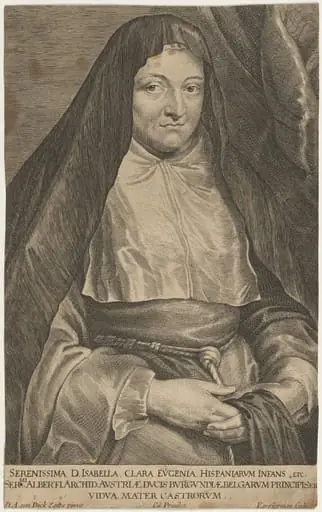 Isabella Clara Eugenie as a Nun