Artwork
Lost portrait of Jan Wildens
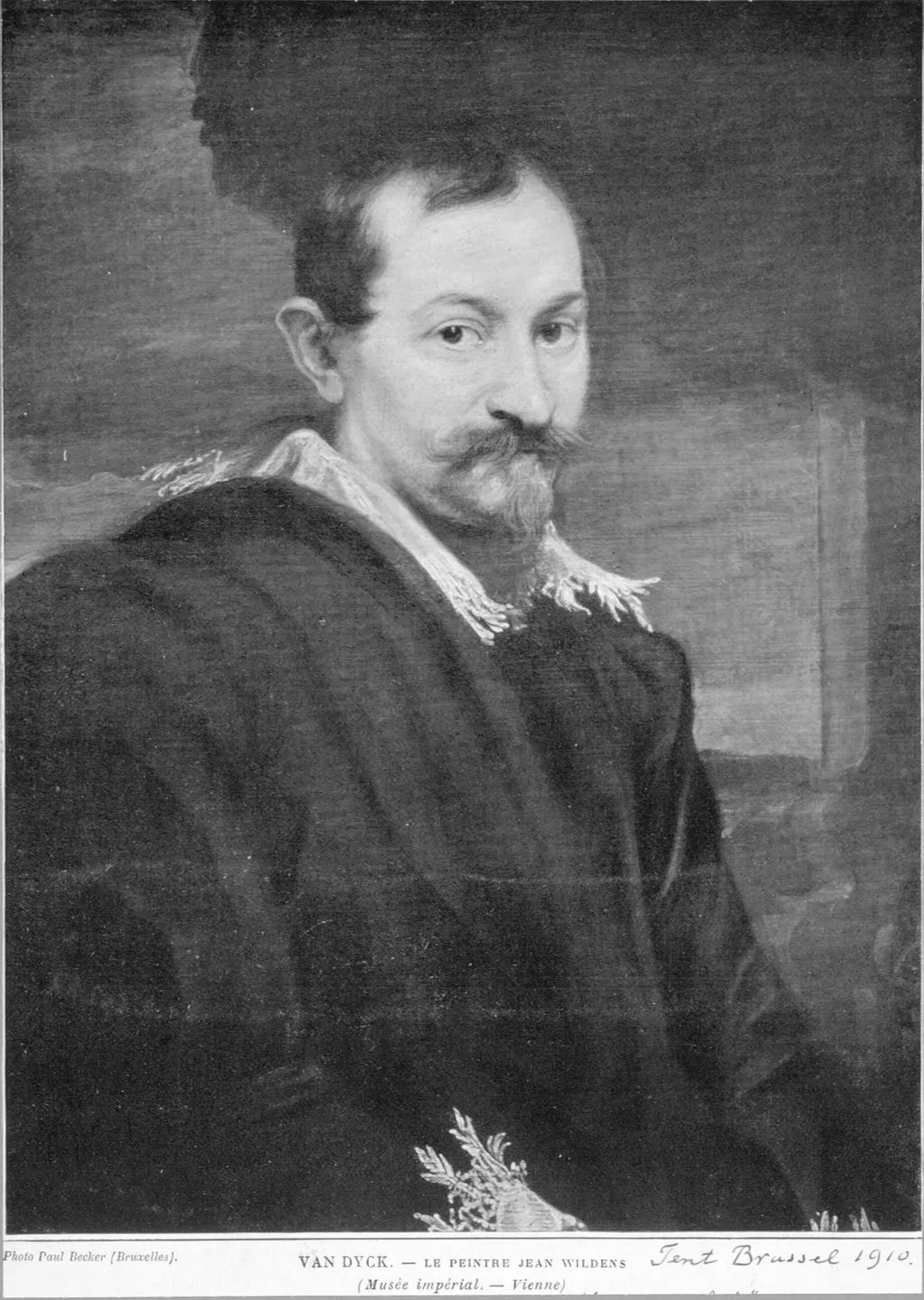
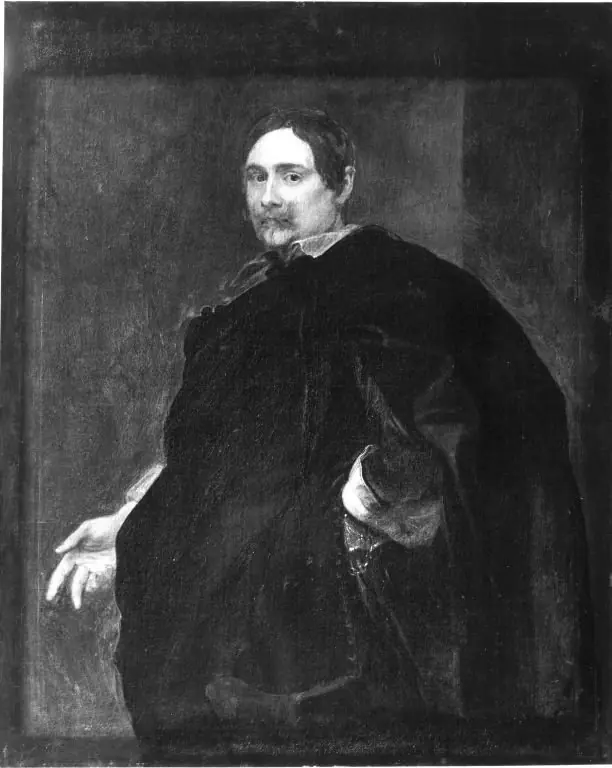
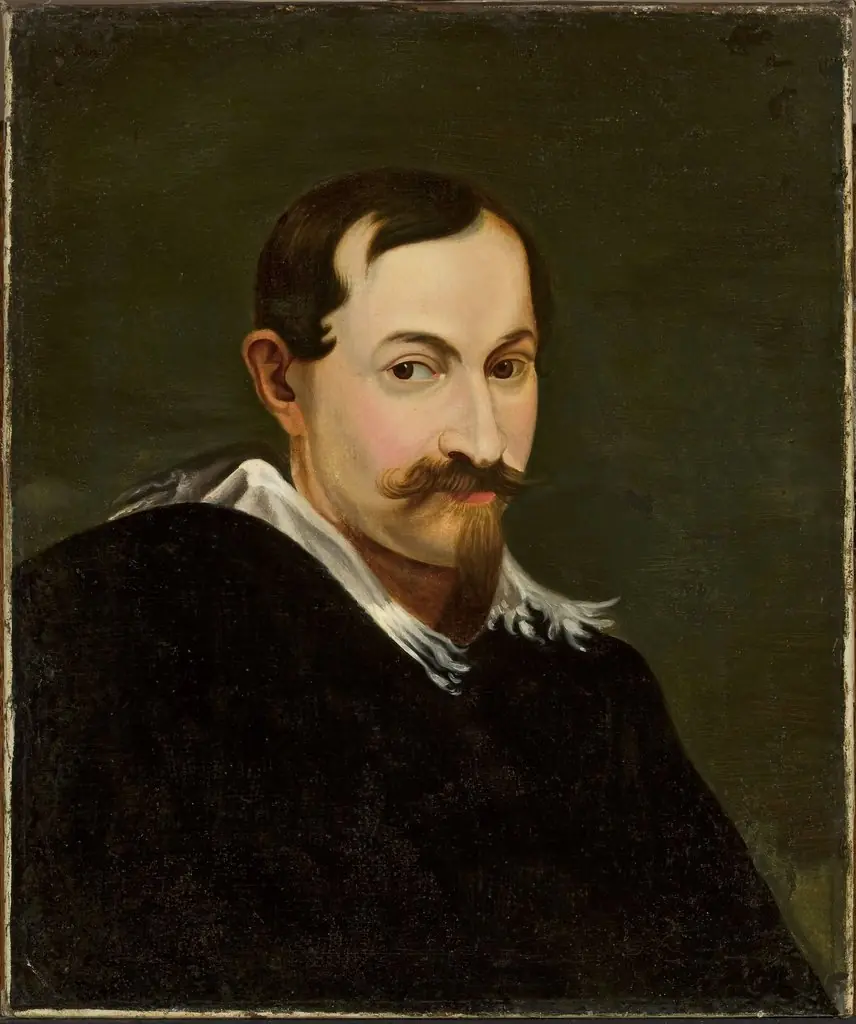
Lost portrait of Jan Wildens is an oil painting by the Flemish Baroque painting artist Anthony van Dyck. It dates from 1620 and is held in the collection of the Kunsthistorisches Museum.
About this work
Overview
A portrait of Jan Wildens, painted in oil around 1620 by Anthony van Dyck, a prominent Flemish Baroque artist, is now lost. The work was characteristic of the Flemish Baroque style.
Subject & Meaning
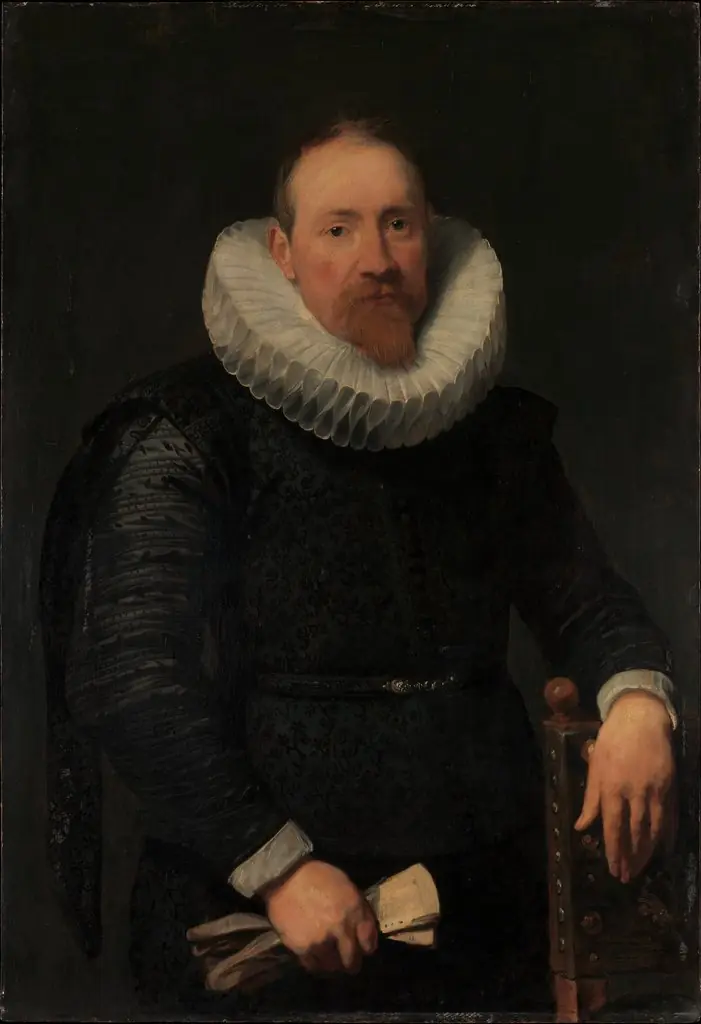
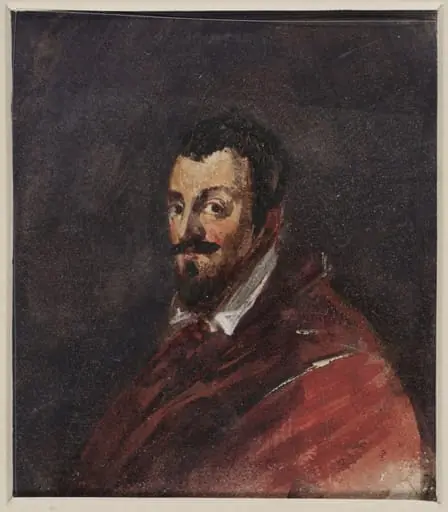
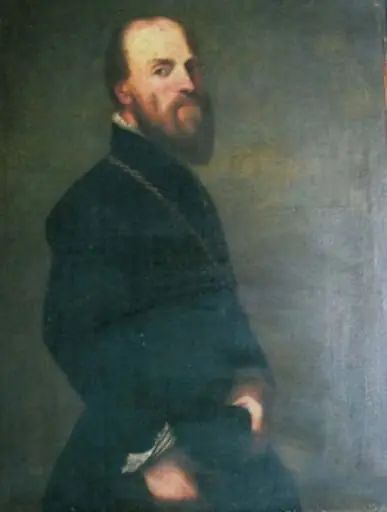
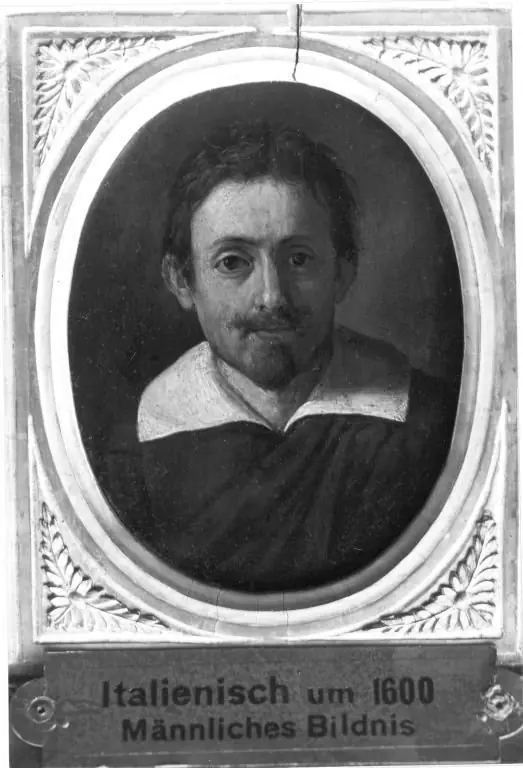
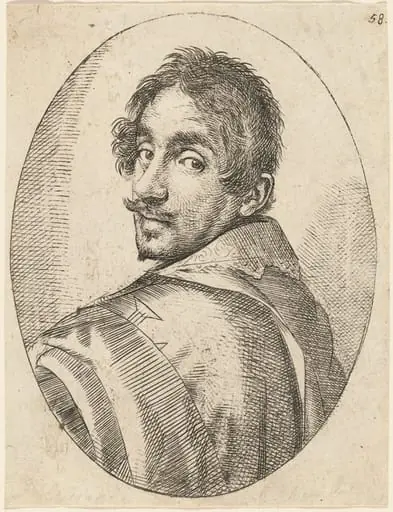
The portrait focused on Jan Wildens, a man with a distinctive thick beard and mustache, set against a plain background. His serious expression was the central subject, with the composition emphasizing his facial features and shoulders.
Technique & Style
Van Dyck employed chiaroscuro to create depth through light and shadow on Wildens' face. Smooth brushstrokes were used to achieve a realistic representation of the subject's skin, reflecting the influence of Van Dyck's training, notably under Peter Paul Rubens.
History & Provenance
Created circa 1620 by Anthony van Dyck, born in Antwerp in 1599 to a wealthy family, the portrait's current location or status as 'lost' implies it is no longer publicly accessible or its whereabouts are unknown.
Context
Part of the Flemish Baroque movement, the portrait exemplifies the style's emphasis on dramatic lighting and realistic depiction of subjects, common among Van Dyck's contemporaries in 17th-century Flanders.
Artist & collection
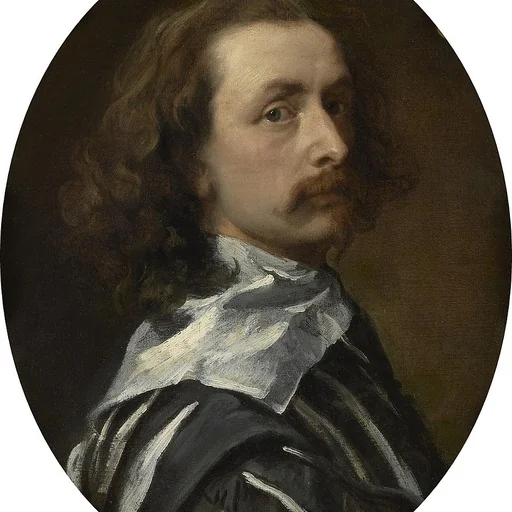
Artist
Sir Anthony van Dyck (; Dutch: Antoon van Dijck ; 22 March 1599 – 9 December 1641) was a Flemish Baroque artist, who became the leading court painter in England after success in the Spanish Netherlands and Italy.