Artwork
Nicolas Lanier
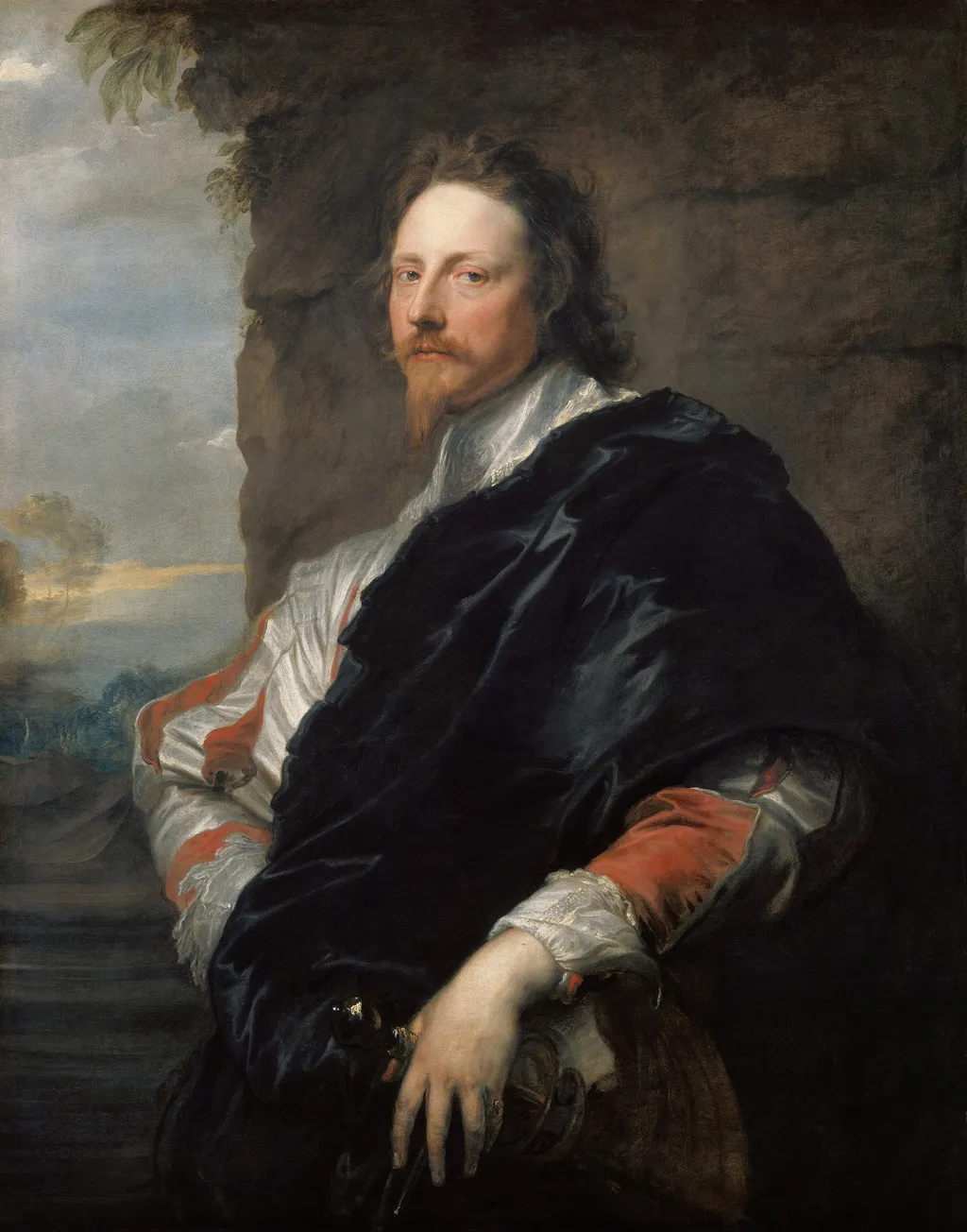
Nicolas Lanier is an oil painting by the Flemish Baroque painting artist Anthony van Dyck. It dates from 1628 and is held in the collection of the Kunsthistorisches Museum.
About this work
Overview
This oil painting from 1628 portrays Nicolas Lanier, a musician and courtier, rendered by Anthony van Dyck during his early period in the Spanish Netherlands.
This oil painting from 1628 portrays Nicolas Lanier, a musician and courtier, rendered by Anthony van Dyck during his early period in the Spanish Netherlands. Executed with precision and subtlety, the portrait reflects van Dyck’s emerging mastery in capturing aristocratic presence. It is part of the Kunsthistorisches Museum’s collection in Vienna, representing a key example of Flemish Baroque portraiture.
Subject & Meaning
Nicolas Lanier, a French-born musician in the service of the English court, is depicted with quiet authority. His dark coat, white linen, and visible red sleeve convey refined taste, while the sword at his side signals status and martial bearing. The composed posture and direct gaze suggest intellectual poise, aligning with the cultural ideals of the educated elite in early 17th-century Europe.
Technique & Style
Van Dyck employs chiaroscuro to model the figure with soft transitions between light and shadow, enhancing the three-dimensionality of fabric and skin. The brushwork is delicate yet confident, particularly in rendering the texture of lace, wool, and metal. The landscape background, though muted, provides spatial depth without distracting from the sitter’s presence, characteristic of van Dyck’s balanced compositions.
History & Provenance
Painted in 1628, the portrait was likely commissioned during van Dyck’s time in Antwerp, before his move to England. It remained in private collections before entering the Kunsthistorisches Museum’s holdings. Its preservation reflects its early recognition as a significant work by a rising master, documenting the cultural ties between Flemish artists and international courtly circles.
Context
In the 1620s, van Dyck was refining a new portrait style that merged Flemish realism with Italian elegance, appealing to aristocratic patrons across Europe. Lanier, as a musician and diplomat, exemplified the cosmopolitan elite who valued artistic patronage. This portrait aligns with broader trends in courtly representation, where personal identity was expressed through dress, gesture, and setting.
Legacy
The portrait contributes to van Dyck’s reputation as a defining portraitist of his era, influencing later generations of painters in England and beyond. Its restrained elegance and psychological nuance set a standard for aristocratic portraiture. Though not widely exhibited, it remains a quiet testament to the intersection of music, court culture, and visual art in early modern Europe.
Own this work as a print
Artist & collection
Artist
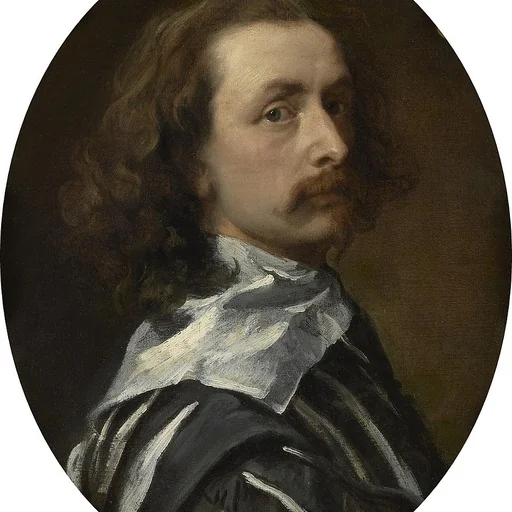
Sir Anthony van Dyck (; Dutch: Antoon van Dijck ; 22 March 1599 – 9 December 1641) was a Flemish Baroque artist, who became the leading court painter in England after success in the Spanish Netherlands and Italy.

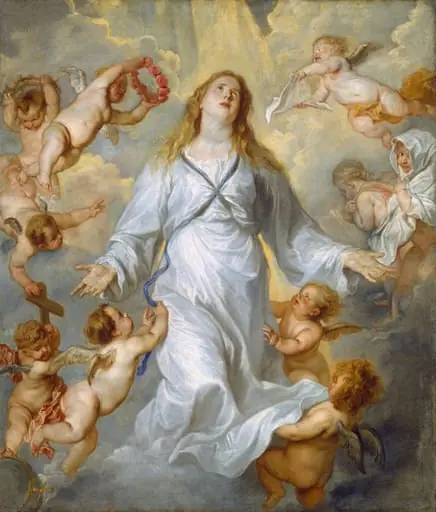
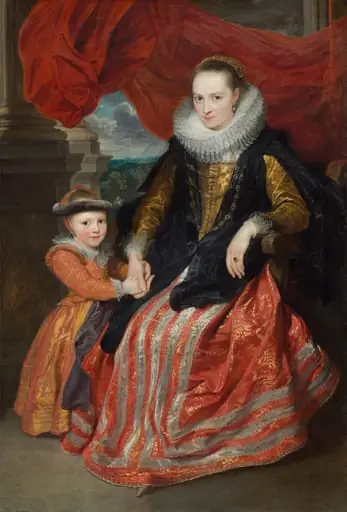
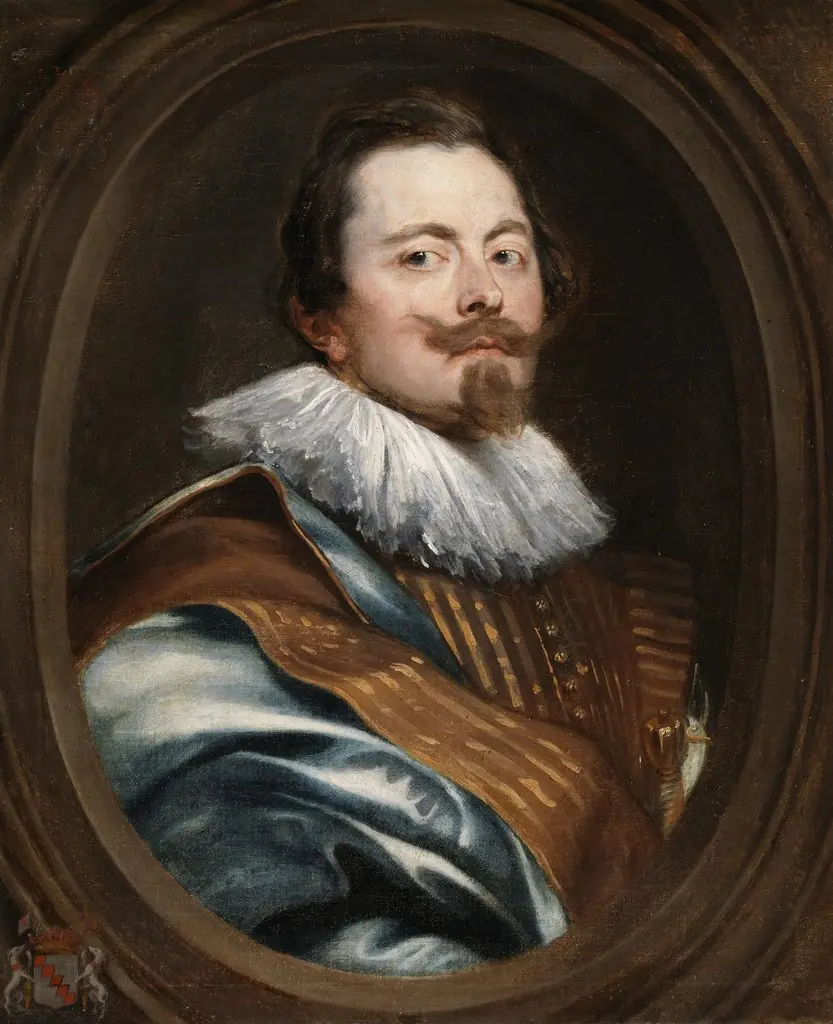 Portrait of Frederick Marselaer, Diplomat
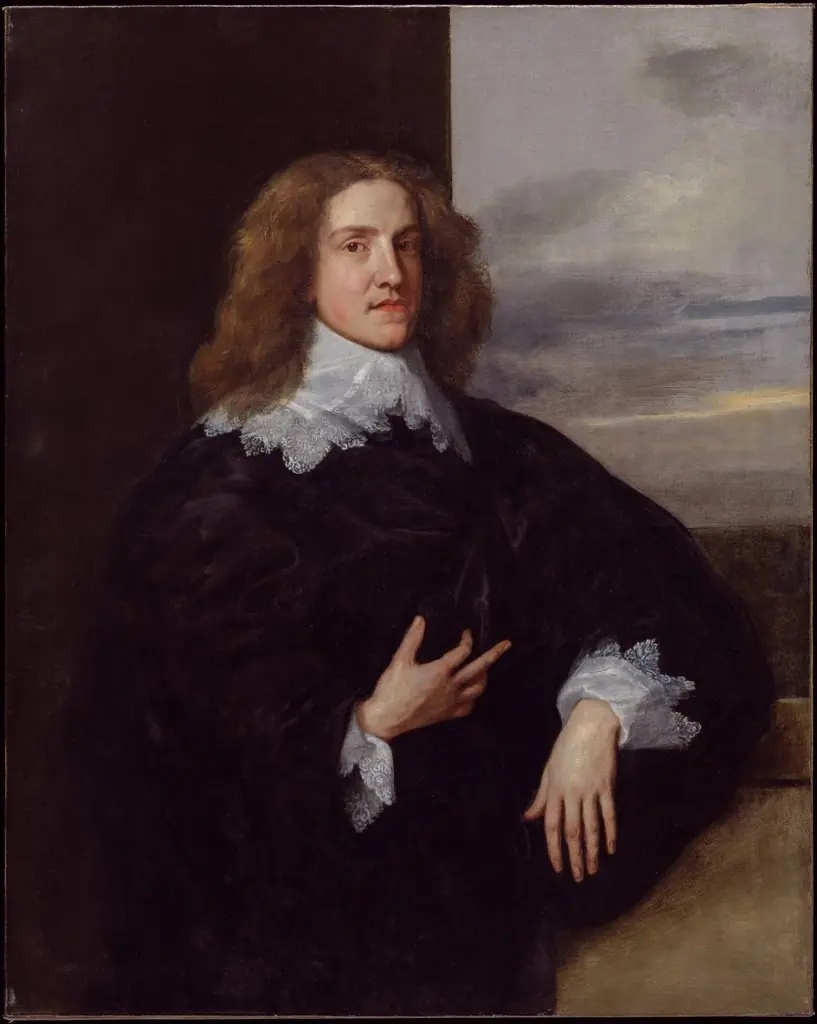 Young Gentleman (Earl of Downe?)
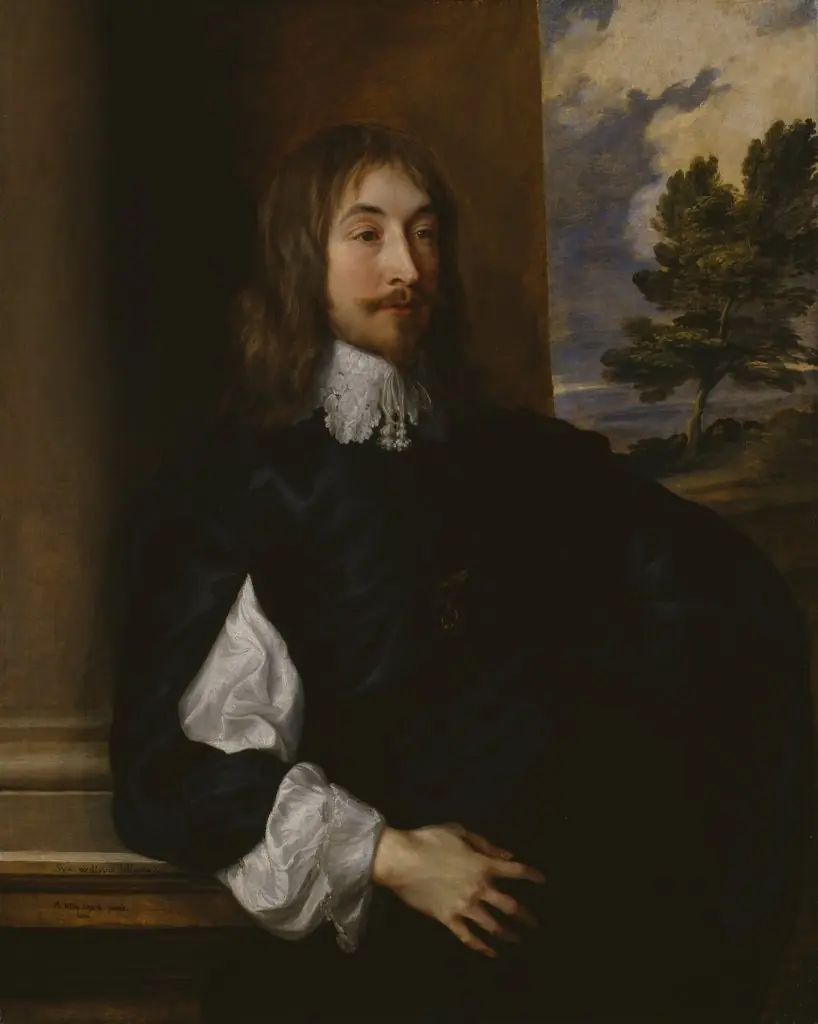 Portrait of Sir William Killigrew
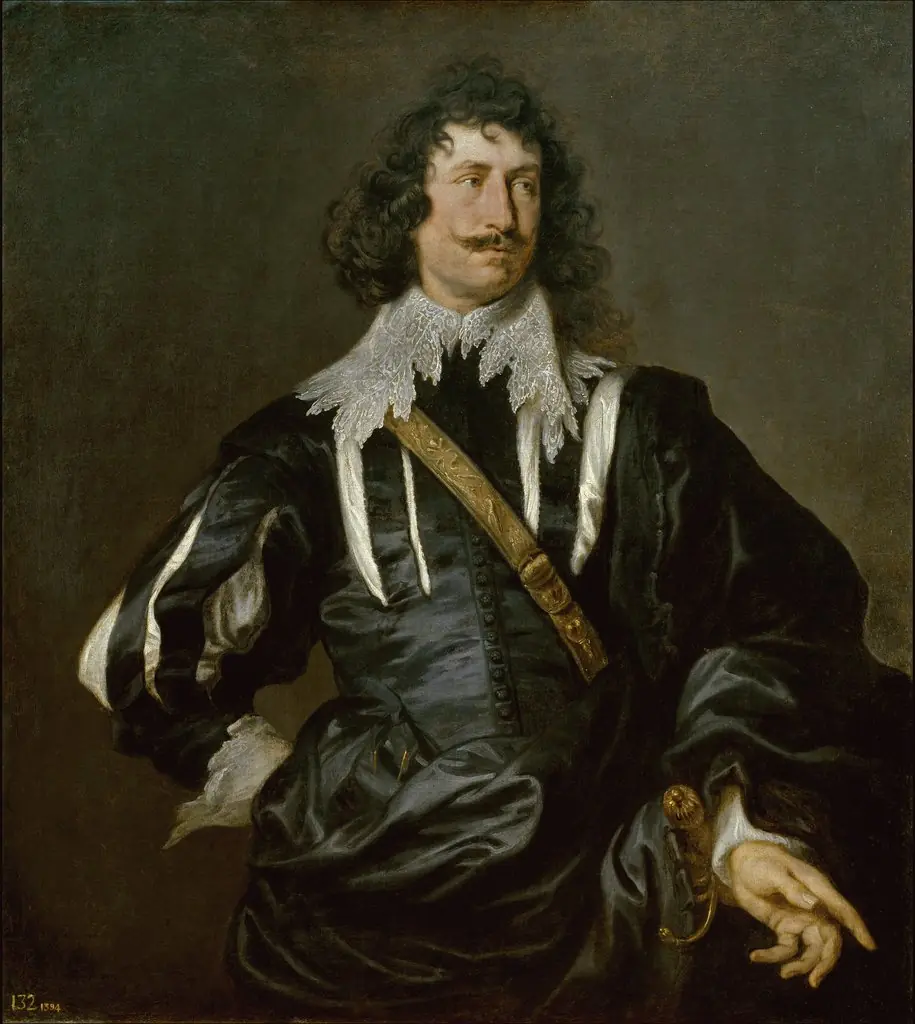 Portrait of a Man
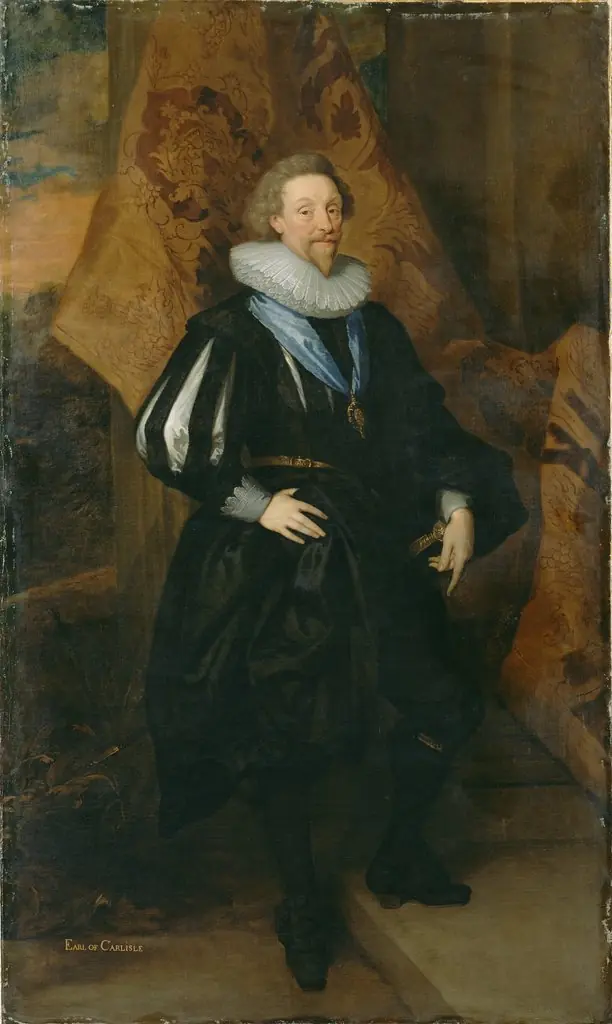 Portrait of James Hay, 1st Earl of Carlisle
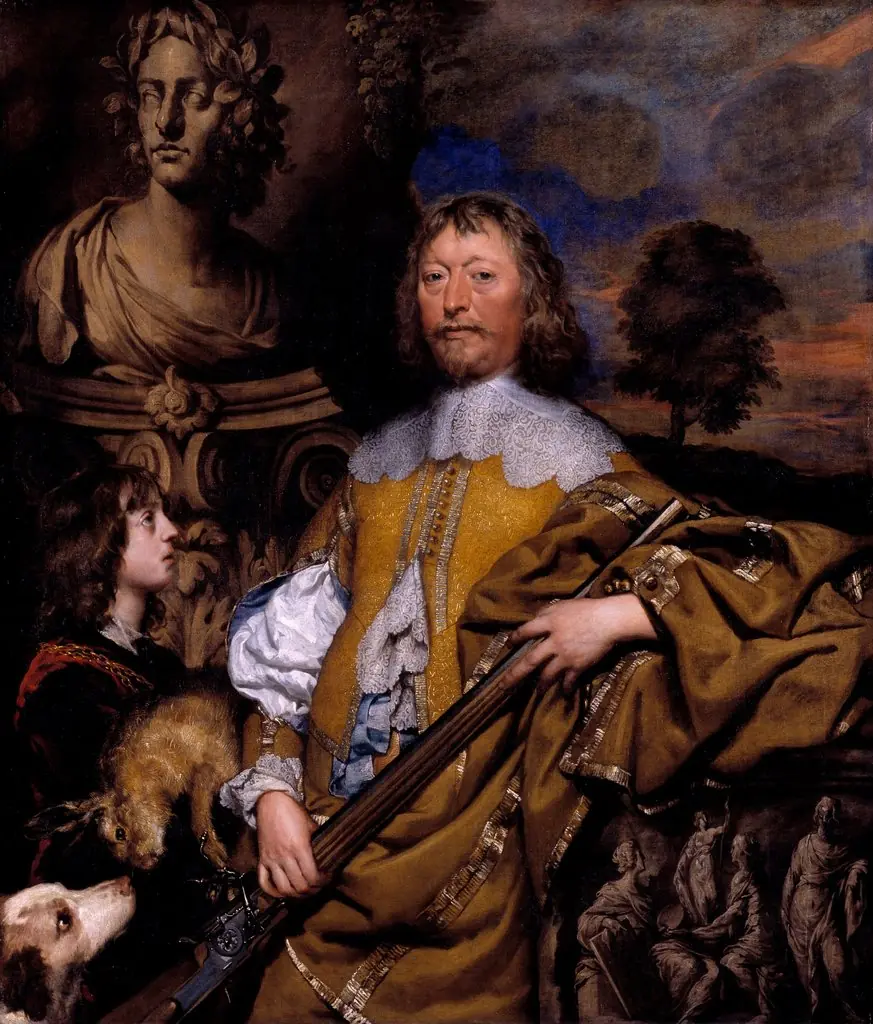 Endymion Porter Around
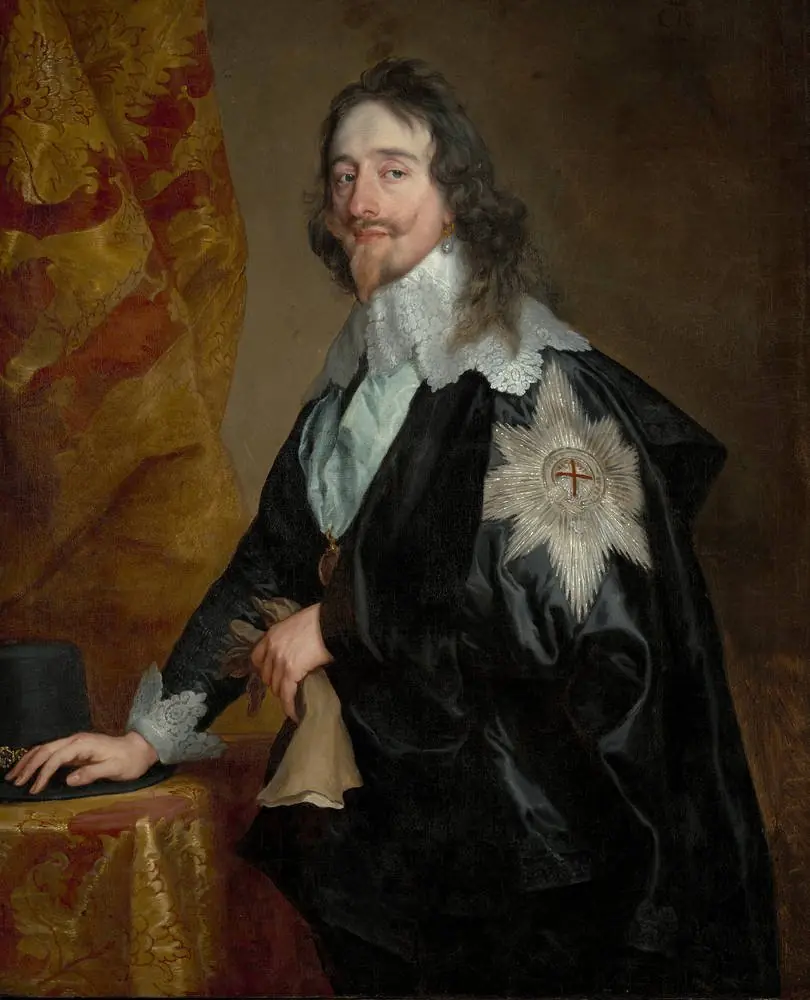 Portrait of King Charles I (1600-1649), with the Order of the Garter
 King Charles I of England
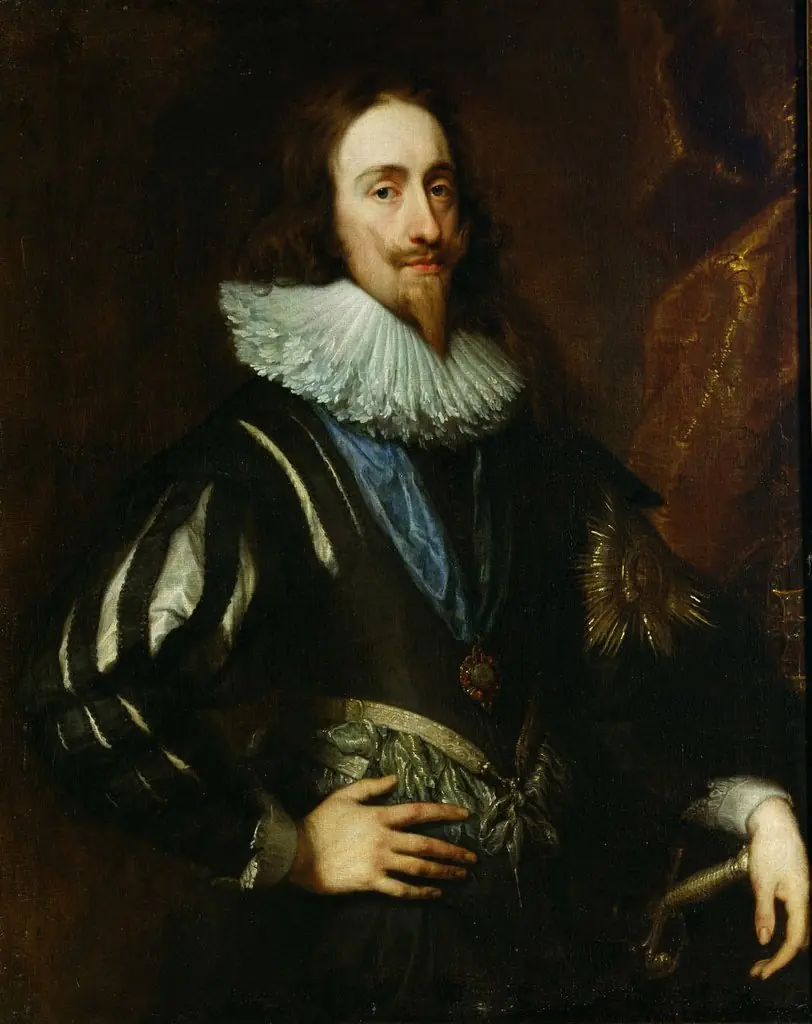 King Charles I of England (1600-1649), three-quarter portrait
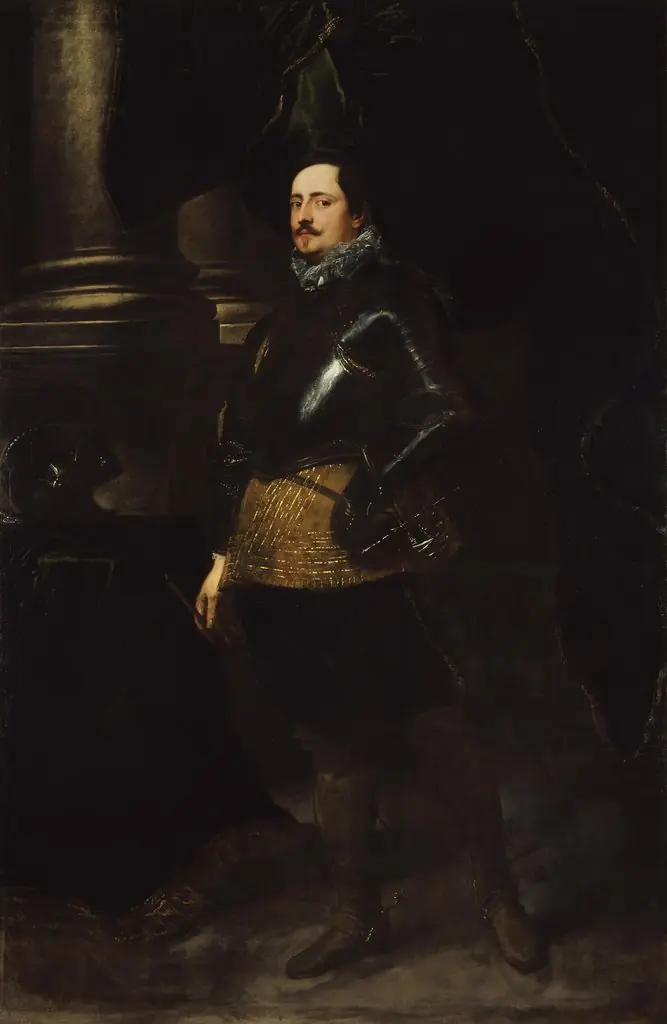 An Italian Noble
 Henry, Duke of Gloucester
 Henrich al IV-lea