Artwork
Endymion Porter Around
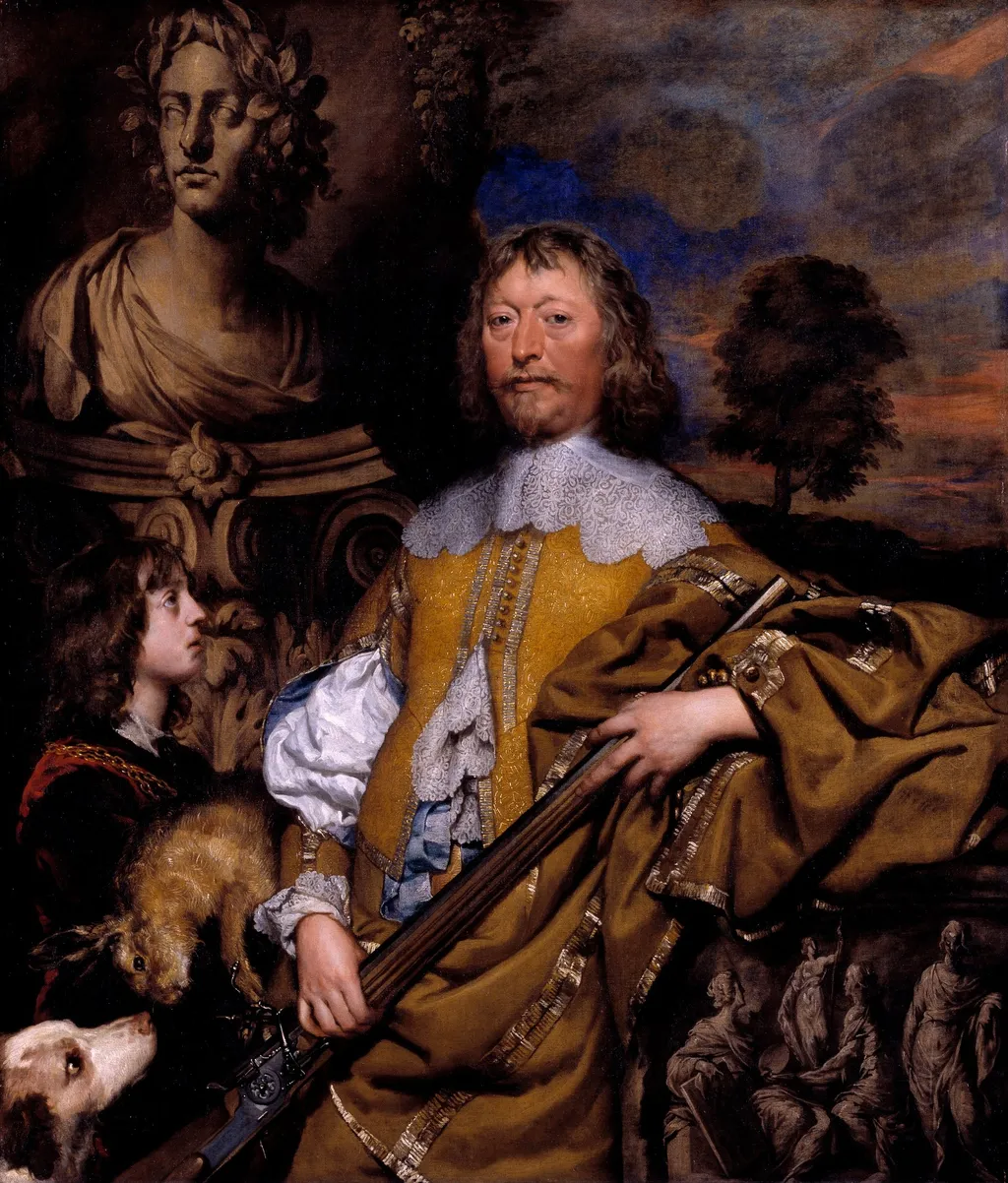
Endymion Porter Around is an oil painting by the Early Baroque Italian artist William Dobson. It dates from 1640 and is held in the collection of the Tate Britain.
About this work
Overview
Painted around 1640, this oil portrait by William Dobson captures Endymion Porter, a prominent courtier and patron of the arts.
Painted around 1640, this oil portrait by William Dobson captures Endymion Porter, a prominent courtier and patron of the arts. Dobson, among the earliest English painters to achieve notable recognition, developed his style through exposure to continental masters, particularly through the Royal Collection. The work reflects the influence of Italian and Flemish traditions, adapted to English aristocratic sensibilities of the period.
Subject & Meaning
Endymion Porter is portrayed as a cultivated nobleman, dressed in a rich yellow coat with elaborate lace, holding a rifle that suggests both leisure and martial readiness. Flanking him are two boys and a dog, elements that may signify familial ties or domestic harmony. A classical statue and distant landscape reinforce his status, linking him to humanist ideals and the cultivated tastes of the Stuart court.
Technique & Style
Dobson employs chiaroscuro to model the figure with strong contrasts between light and shadow, enhancing the three-dimensionality of Porter’s form. The brushwork is precise yet fluid, particularly in the rendering of lace and fabric textures. The composition directs focus to the central figure while integrating the background elements—statue, landscape, and attendants—as subtle extensions of his identity and social standing.
History & Provenance
The painting entered the collection of Tate Britain, where it remains today. Dobson, active during the reign of Charles I, was closely connected to the royal circle; Porter himself was a trusted advisor and art collector. The work likely originated as a private commission, reflecting the close ties between courtiers and artists in early 17th-century England, before the disruptions of the Civil War.
Context
In the 1640s, English portraiture was transitioning from the stylized conventions of earlier decades toward a more naturalistic approach influenced by Van Dyck and Titian. Dobson’s work, though less internationally known than Van Dyck’s, represents a vital domestic response to these trends. The inclusion of classical references and domestic scenes aligns with broader cultural interests in humanism and aristocratic self-representation.
Legacy
Dobson’s portraits, including this one, helped establish a native tradition of English painting at a time when continental artists dominated elite commissions. His ability to blend Italianate lighting with English subject matter laid groundwork for later generations. Though his career was cut short by his early death, his works remain key examples of pre-Civil War English portraiture.
Own this work as a print
Artist & collection
Artist
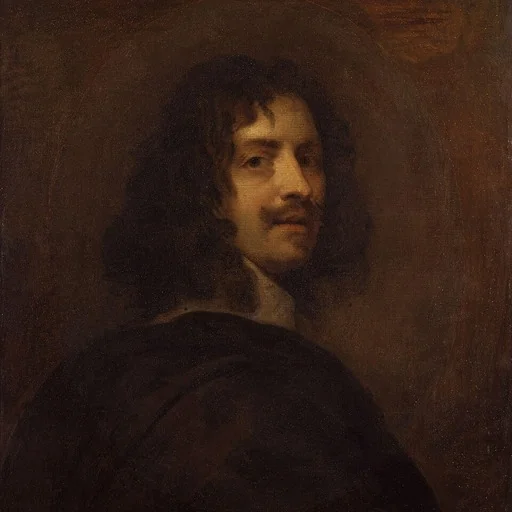
William Dobson (4 March 1611 (baptised); 28 October 1646 (buried)) was an English painter who specialised in portrait painting.

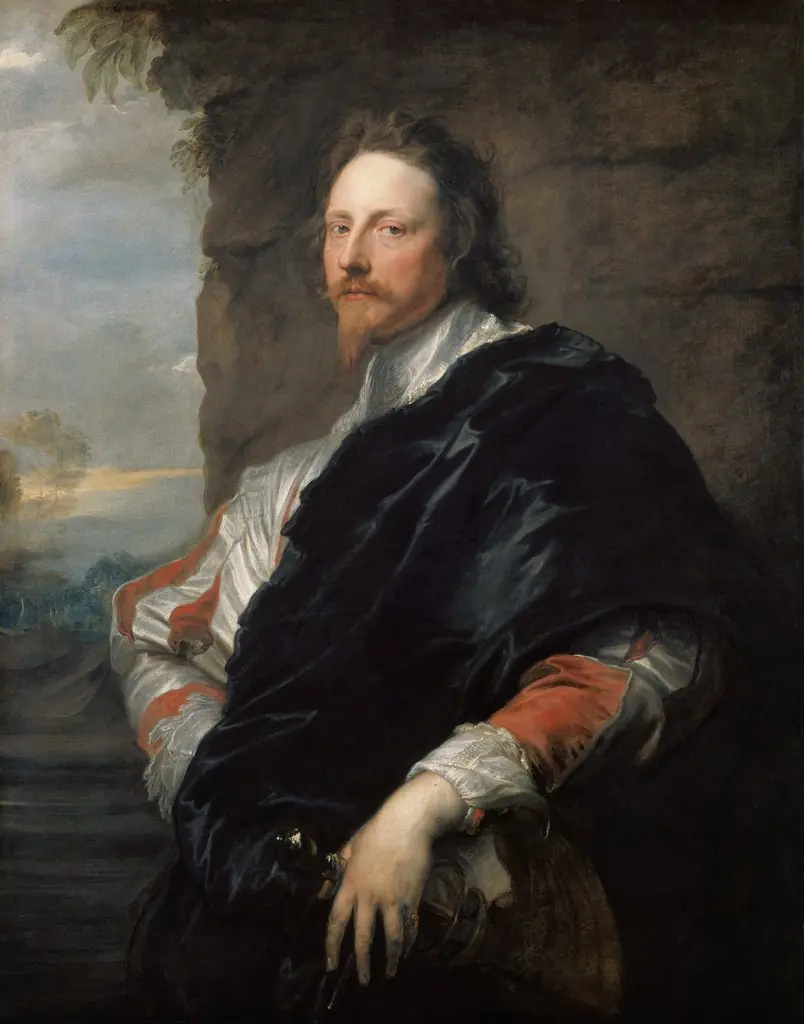 Nicolas Lanier
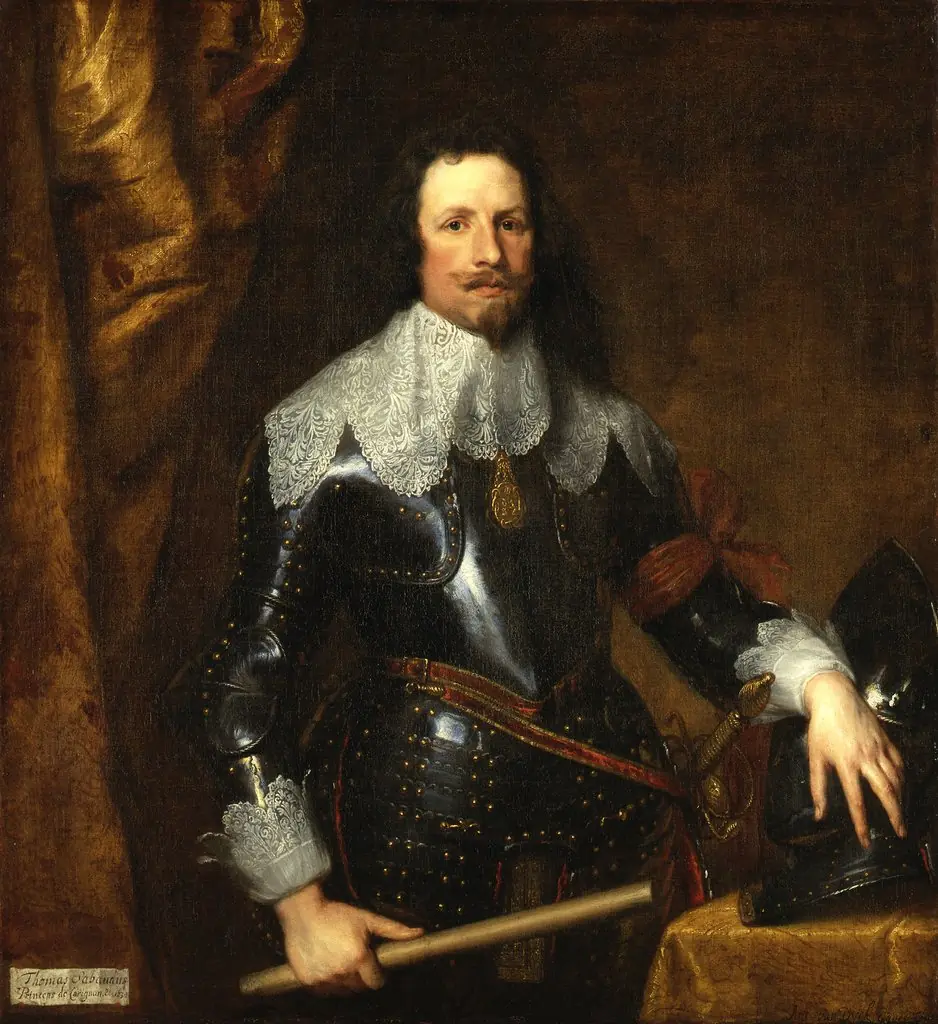 Portrait of Tomaso di Savoia-Carignano
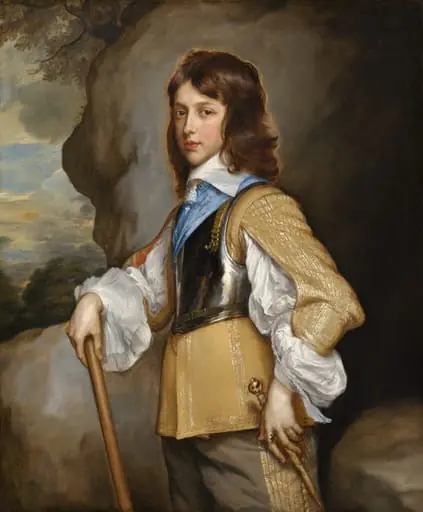 Henry, Duke of Gloucester
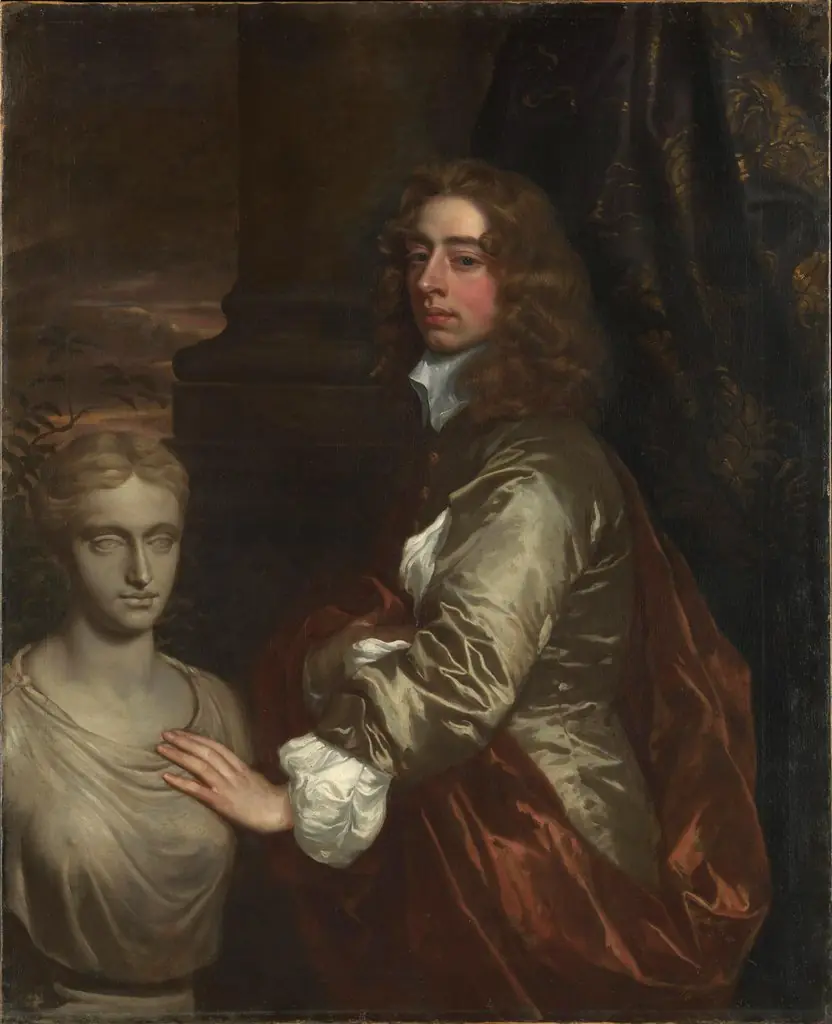 Sir Henry Capel (1638–1696)
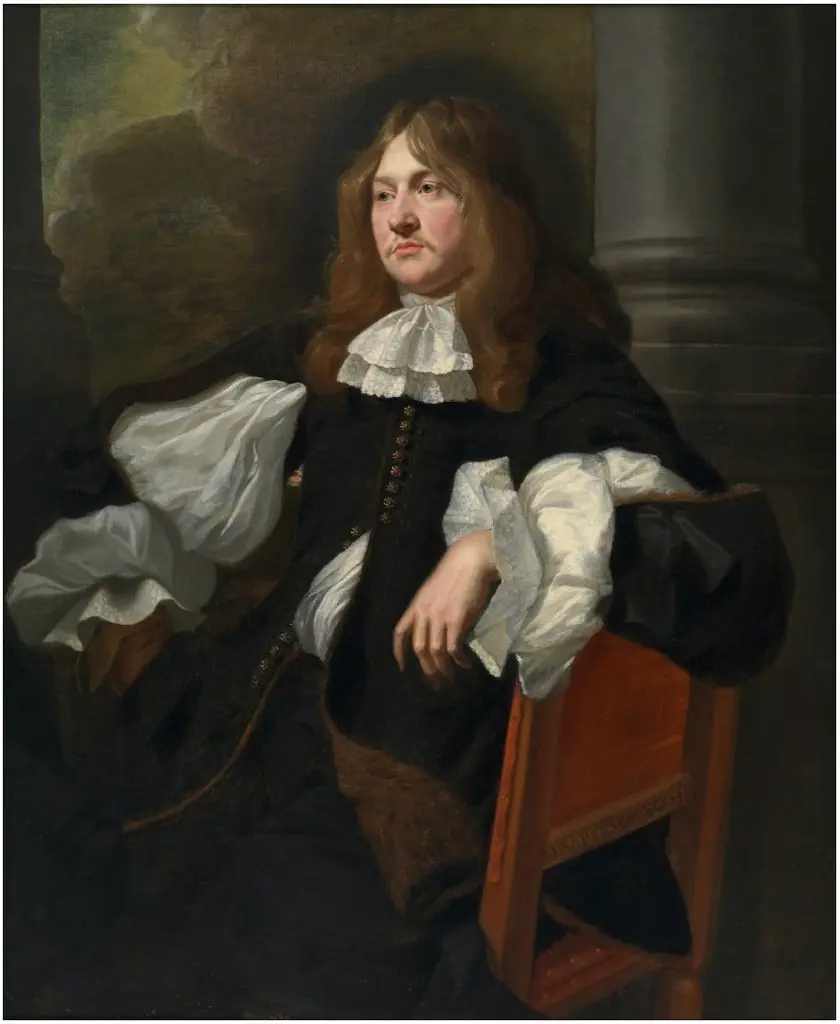 Portrait of Edward Hyde
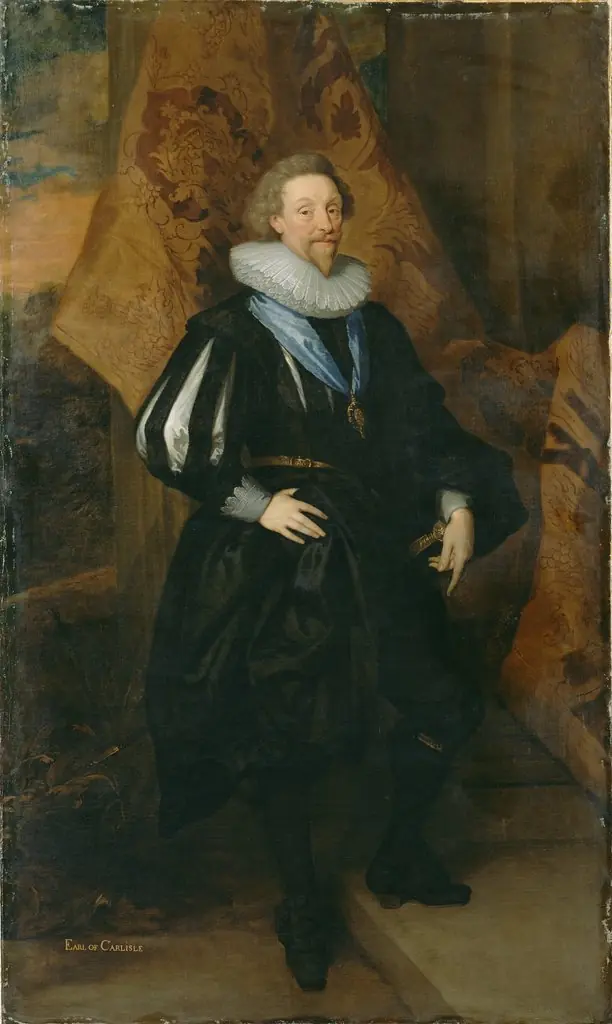 Portrait of James Hay, 1st Earl of Carlisle
 William Style of Langley
 Portrait of a Man
 Portrait of Mr. Jan Bernd Schaep (1633-1666)
 Portrait of a Man
 Portrait of Sir John Perceval, 3rd Bt (1660-1686)
 The Cardinal-Infante Ferdinand of Austria