Artwork
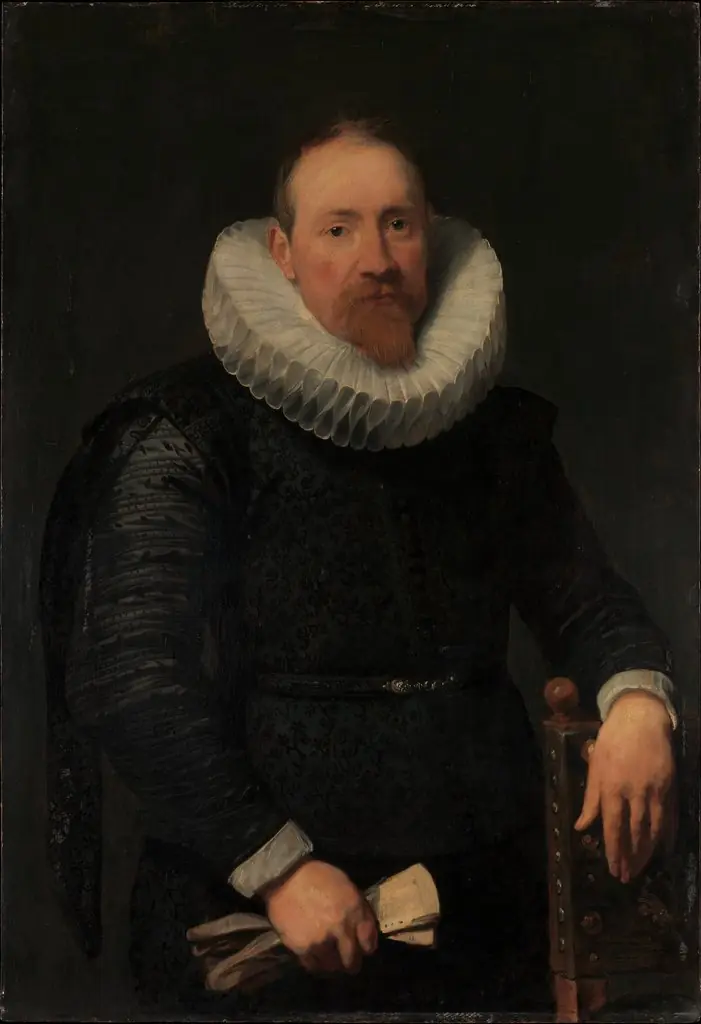
Portrait of a Gentleman
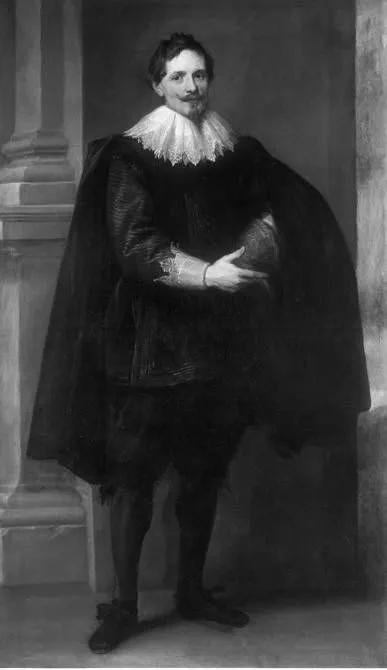
Portrait of a Gentleman is an oil painting by the Flemish Baroque painting artist Anthony van Dyck. It dates from 1630 and is held in the collection of the Bavarian State Painting Collections. Created in 1630, this oil painting presents Sebastiaan Leerse in formal seventeenth‑century attire.
About this work
Overview
Created in 1630, this oil painting presents Sebastiaan Leerse in formal seventeenth‑century attire. Executed by Anthony van Dyck, a leading Flemish Baroque painter, the work is part of the Alte Pinakothek’s holdings. The composition isolates the sitter against an unadorned backdrop, emphasizing his posture and the subtle play of light across the fabrics.
Subject & Meaning
The portrait captures Leerse, a gentleman of the Dutch‑Spanish Netherlands, in a dignified pose with his left hand resting on his hip. His expression is composed yet relaxed, suggesting confidence and social standing. The attire—a dark coat with a high collar, a draped cape, and a ruffled shirt—signifies the fashion and status of the period.
Technique & Style
Van Dyck employs a restrained chiaroscuro, using gradations of light and shadow to model the textures of silk and velvet. The brushwork is fine and controlled, revealing the Flemish Baroque emphasis on detail and surface realism. The plain background eliminates distraction, directing the viewer’s attention to the sitter’s features and clothing.
History & Provenance
Born into a prosperous Antwerp silk‑trading family, Van Dyck trained in Peter Paul Rubens’s workshop before establishing his own reputation. After achieving success in the Spanish Netherlands, he later served as court painter in England. The portrait entered the Alte Pinakothek collection, where it remains accessible to the public.
Context
This work exemplifies the transitional phase between Flemish tradition and the emerging English portrait style.
The painting reflects the Baroque interest in portraying individual identity within a refined visual language. Van Dyck’s experience in Rubens’s studio informed his approach to composition and color, while his later English court commissions honed his skill in rendering aristocratic elegance. This work exemplifies the transitional phase between Flemish tradition and the emerging English portrait style.
Artist & collection
Artist
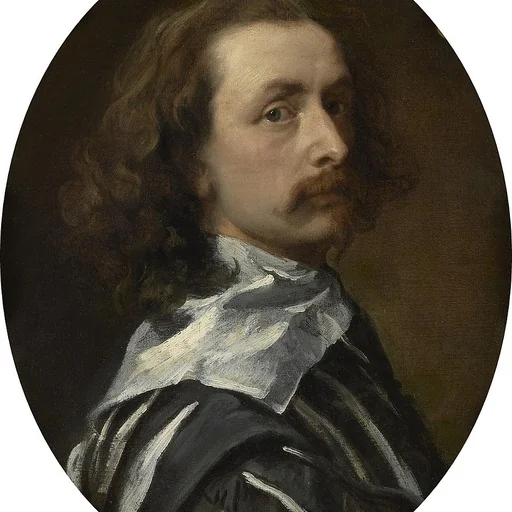
Sir Anthony van Dyck (; Dutch: Antoon van Dijck ; 22 March 1599 – 9 December 1641) was a Flemish Baroque artist, who became the leading court painter in England after success in the Spanish Netherlands and Italy.

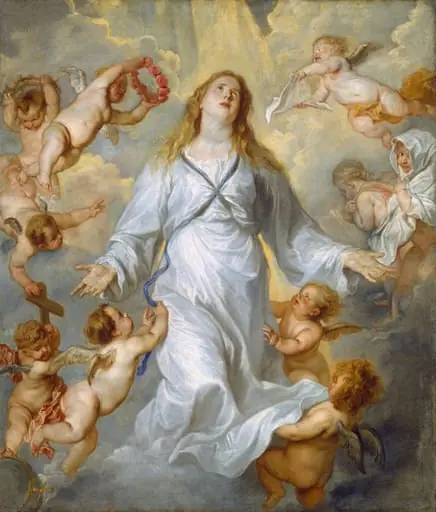
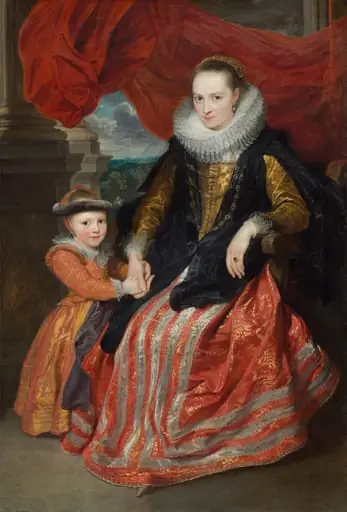
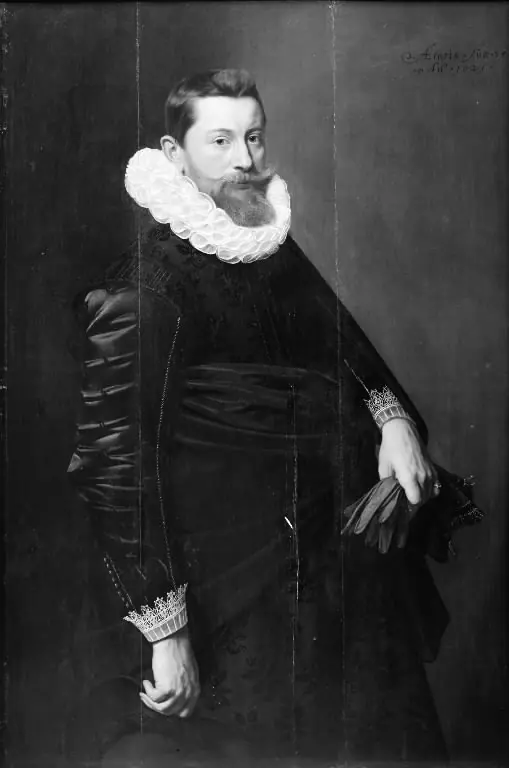 Portrait of a Gentleman
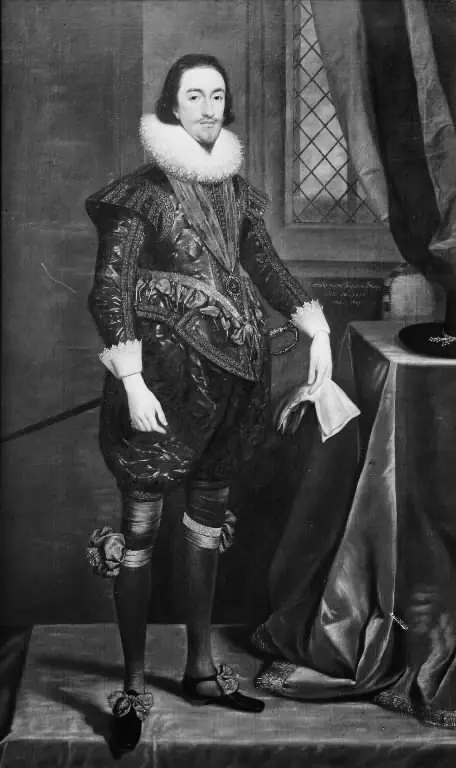 Charles I of England (1600–1649) as Prince of Wales
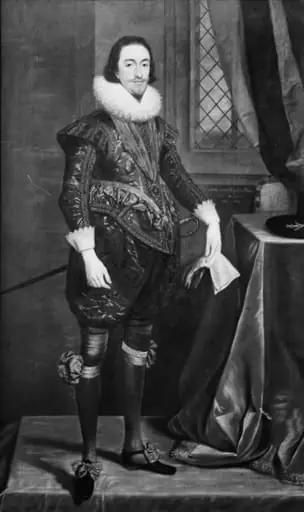 Charles I of England (1600-1649) as Prince of Wales
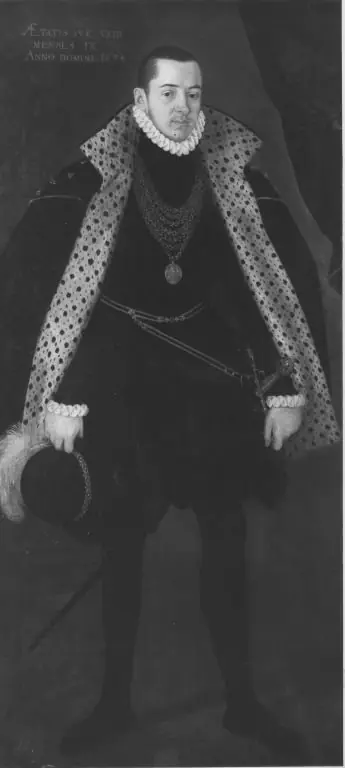 Prinz Johann I.
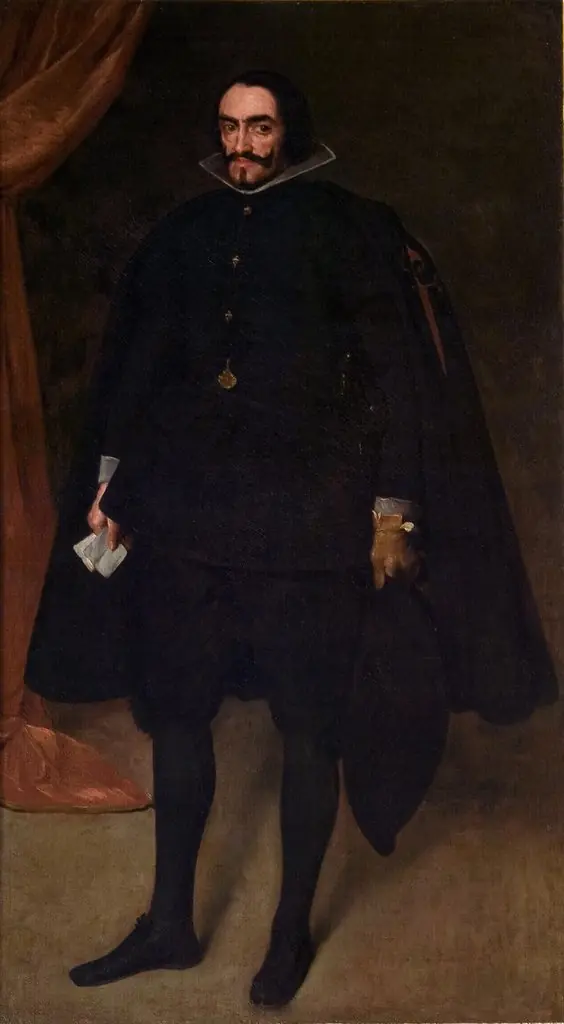 Portrait of a Knight of the Order of Santiago
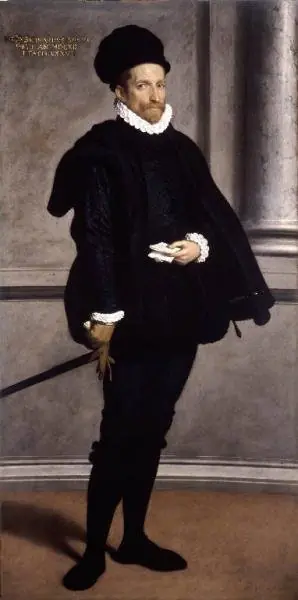 Portrait of Bernardo Spini
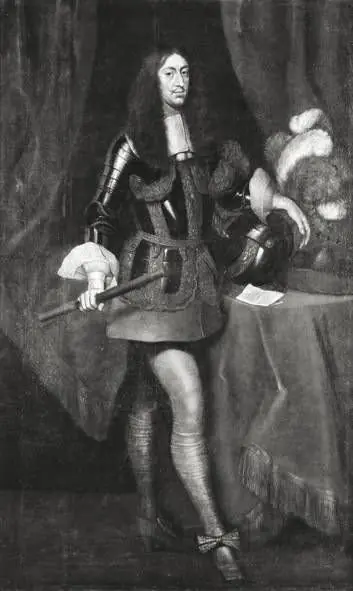 Kurfürst Ferdinand Maria von Bayern
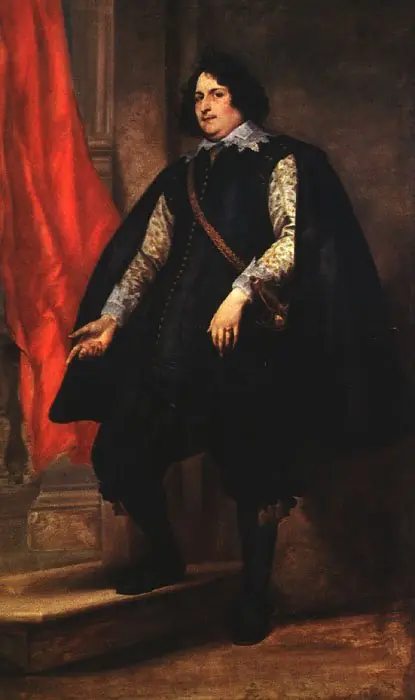 Portrait of Filips de Godines
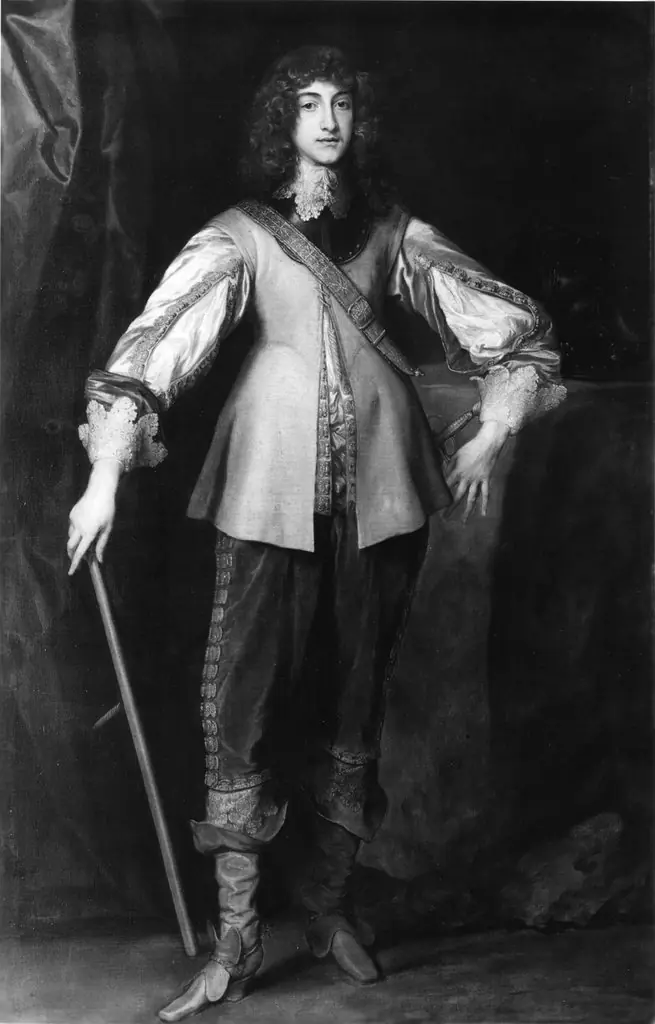 Portrait of Prince Rupert
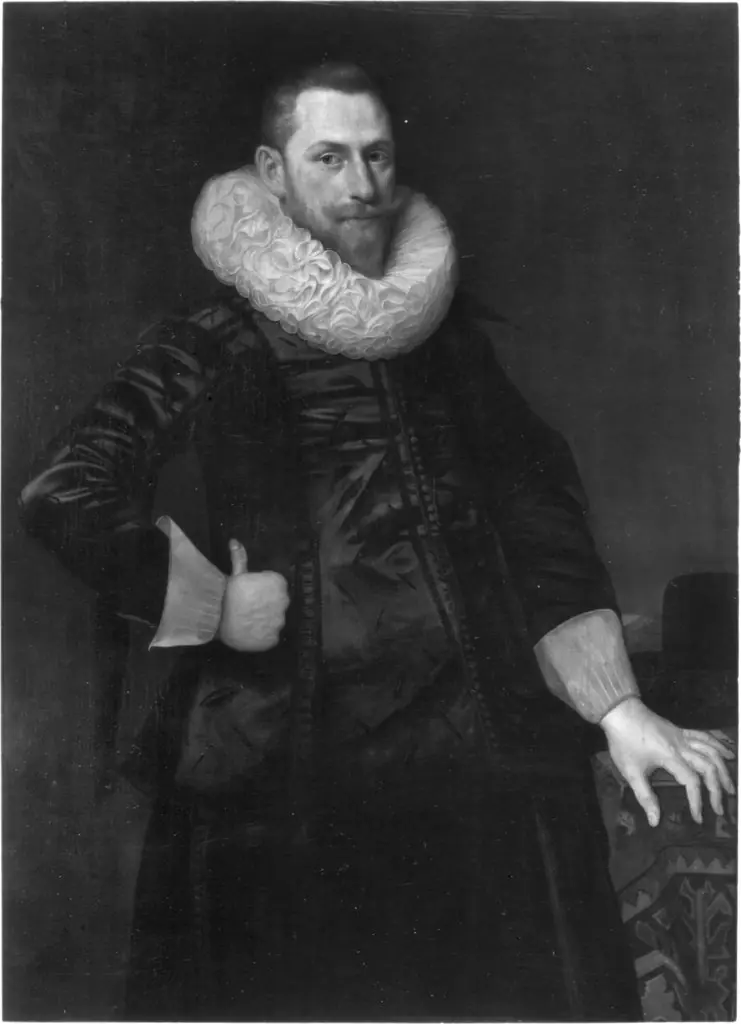 Portrait of Dirck Corver (1587-1633)
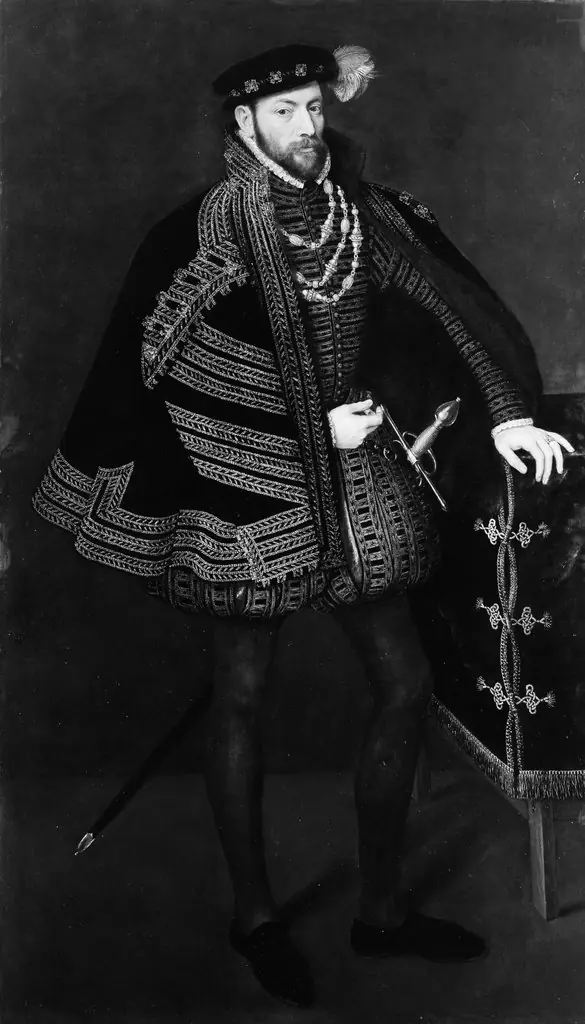 Portrait of a Man, Possibly Ottavio Farnese (1524–1586), Duke of Parma and Piacenza
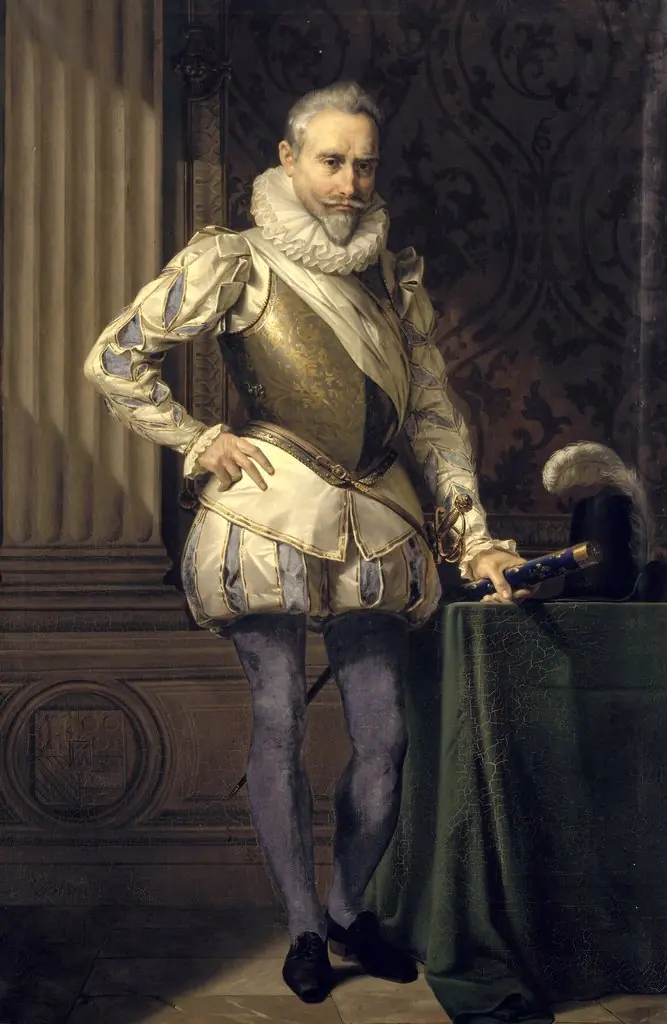 Portrait of Henri de La Tour d'Auvergne, duc de Bouillon