Artwork
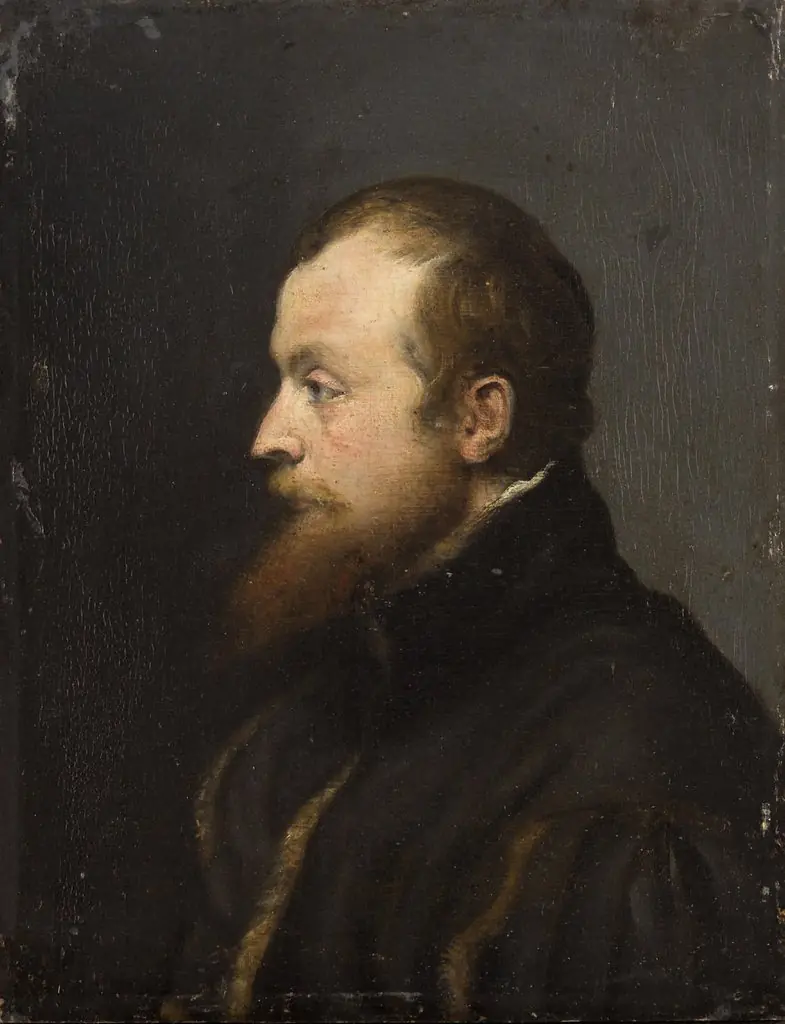
Portrait of a Man with a Blond Beard
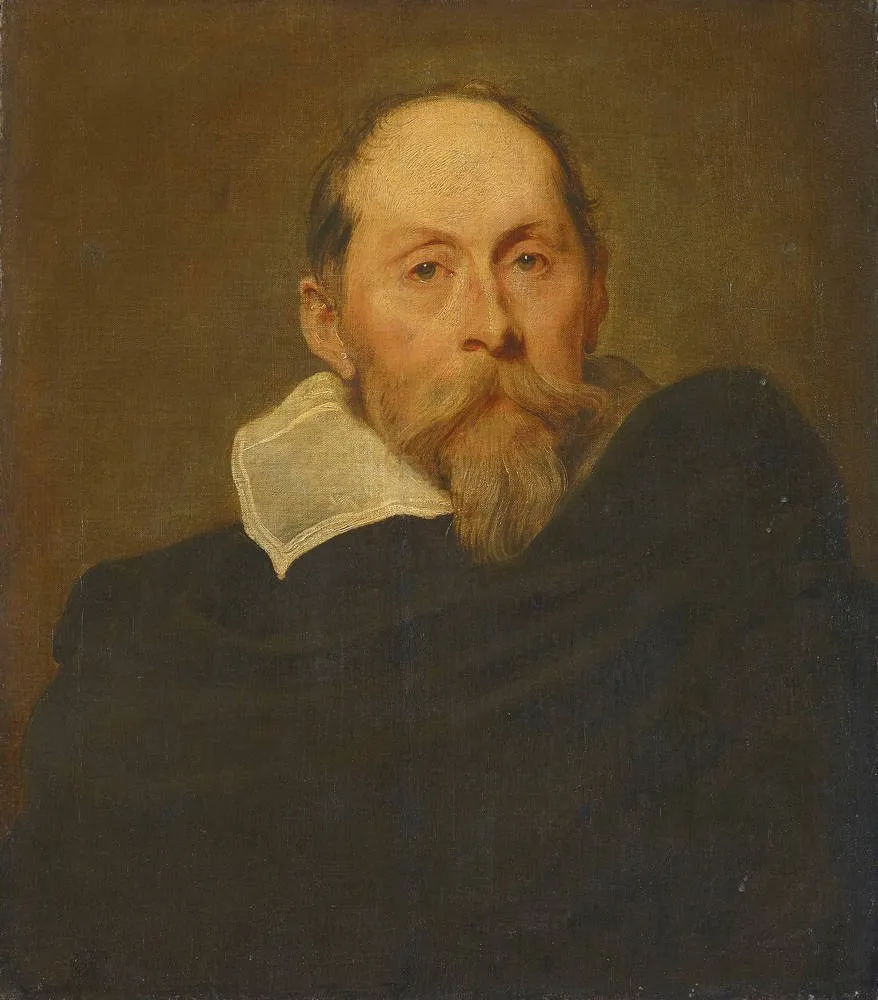
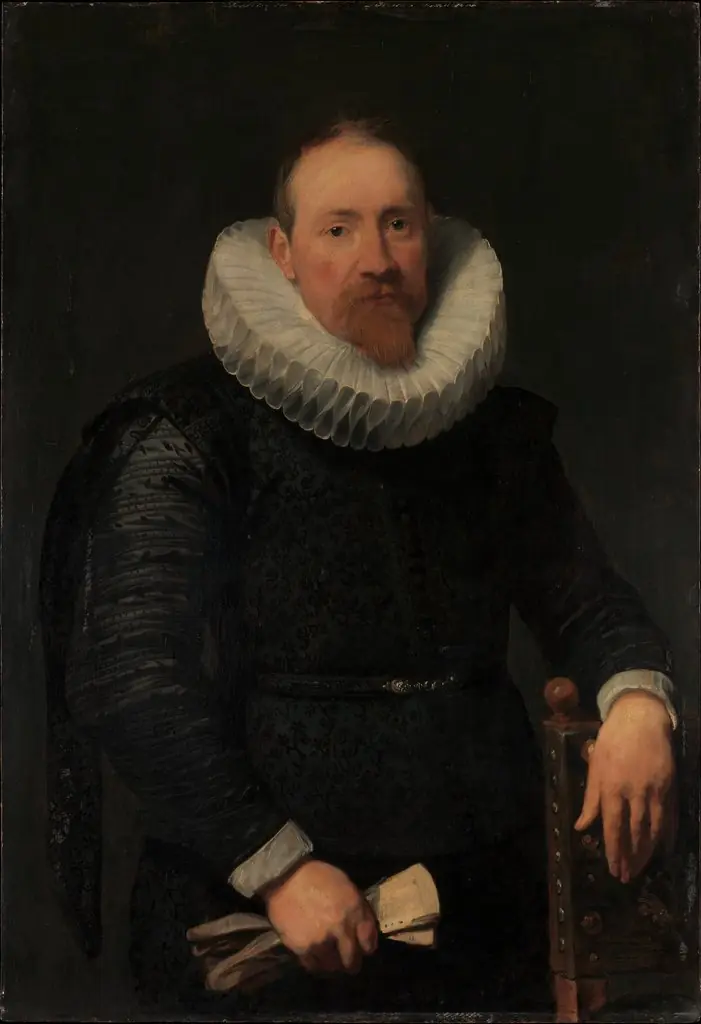
Portrait of a Man with a Blond Beard is an oil painting by the Flemish Baroque painting artist Anthony van Dyck. It dates from 1691 and is held in the collection of the Staatliche Kunstsammlungen Dresden.
About this work
Overview
The work exemplifies the Flemish Baroque tradition, emphasizing psychological presence through controlled lighting and meticulous rendering of texture.
Painted in 1691, this oil portrait is attributed to Anthony van Dyck, a Flemish artist renowned for his refined depictions of aristocratic subjects. Though the date is inconsistent with van Dyck’s death in 1641, the style and technique align with his mature period. The work exemplifies the Flemish Baroque tradition, emphasizing psychological presence through controlled lighting and meticulous rendering of texture.
Subject & Meaning
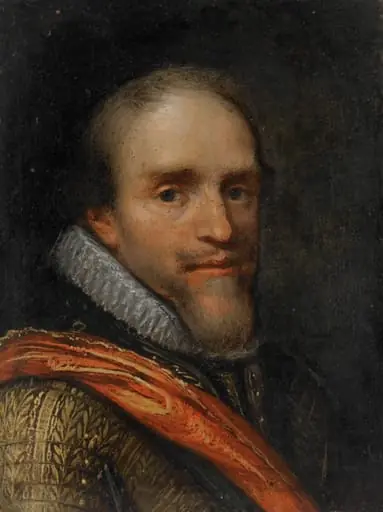
The subject is a middle-aged man with a neatly trimmed blond beard and receding hairline, dressed in a dark tunic with a crisp white collar. His direct gaze and furrowed brow convey quiet intensity, suggesting introspection rather than grandeur. The absence of symbolic objects or elaborate attire shifts focus to the individual’s demeanor, emphasizing character over status.
Technique & Style
Van Dyck employs chiaroscuro to model the face and beard with subtle gradations of light, enhancing three-dimensionality. The brushwork is precise yet fluid, particularly in the rendering of facial hair and fabric folds. The muted brown background isolates the figure, heightening the sense of intimacy. His handling of texture—skin, linen, and beard—demonstrates a mastery of optical realism.
History & Provenance
The painting’s documented history is limited, and its 1691 date conflicts with van Dyck’s 1641 death, suggesting either a misattribution or a later copy. It likely originated in the artist’s English period, when he produced numerous portraits for courtly patrons. Its survival through centuries indicates continued appreciation, though its early ownership remains unverified.
Context
Created during the height of Baroque portraiture, the work reflects van Dyck’s role in transforming English elite imagery through restrained elegance. Unlike the flamboyant court portraits of his contemporaries, this piece favors psychological depth over ornamentation, aligning with a broader trend toward intimate, individualized representation in mid-17th-century Northern Europe.
Legacy
Though not among van Dyck’s most celebrated works, the portrait exemplifies his influence on the development of British portraiture. Its quiet authority and technical precision contributed to a model of dignified representation that endured in later generations. The painting remains a testament to his ability to convey inner life through understated means.
Artist & collection
Artist
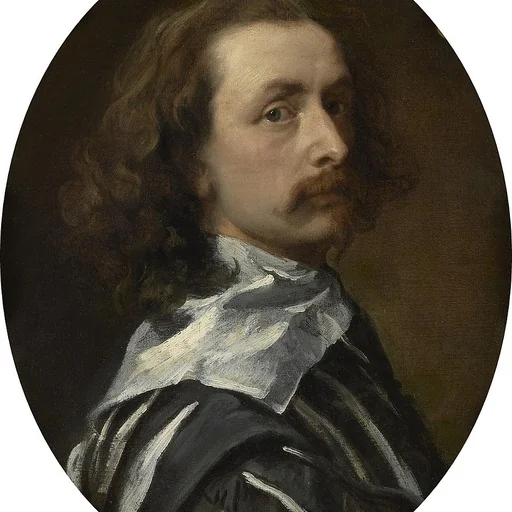
Sir Anthony van Dyck (; Dutch: Antoon van Dijck ; 22 March 1599 – 9 December 1641) was a Flemish Baroque artist, who became the leading court painter in England after success in the Spanish Netherlands and Italy.

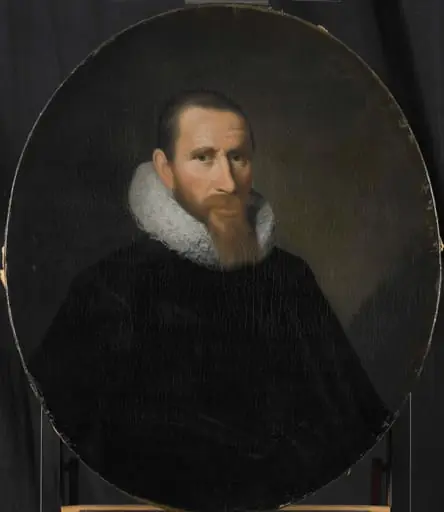 Portrait of Joost van Coulster, Director of the Rotterdam Chamber of the Dutch East India Company, elected 1630
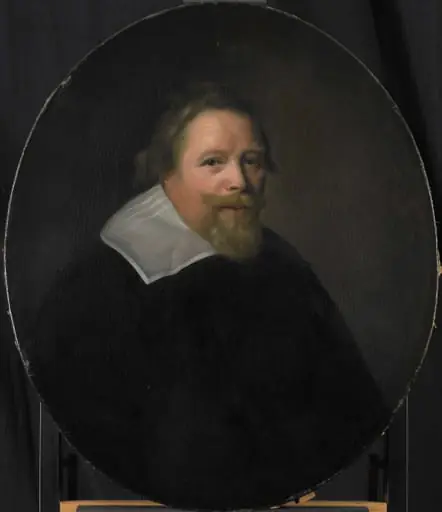 Portrait of Pieter Sonmans, Director of the Rotterdam Chamber of the Dutch East India Company, elected 1631
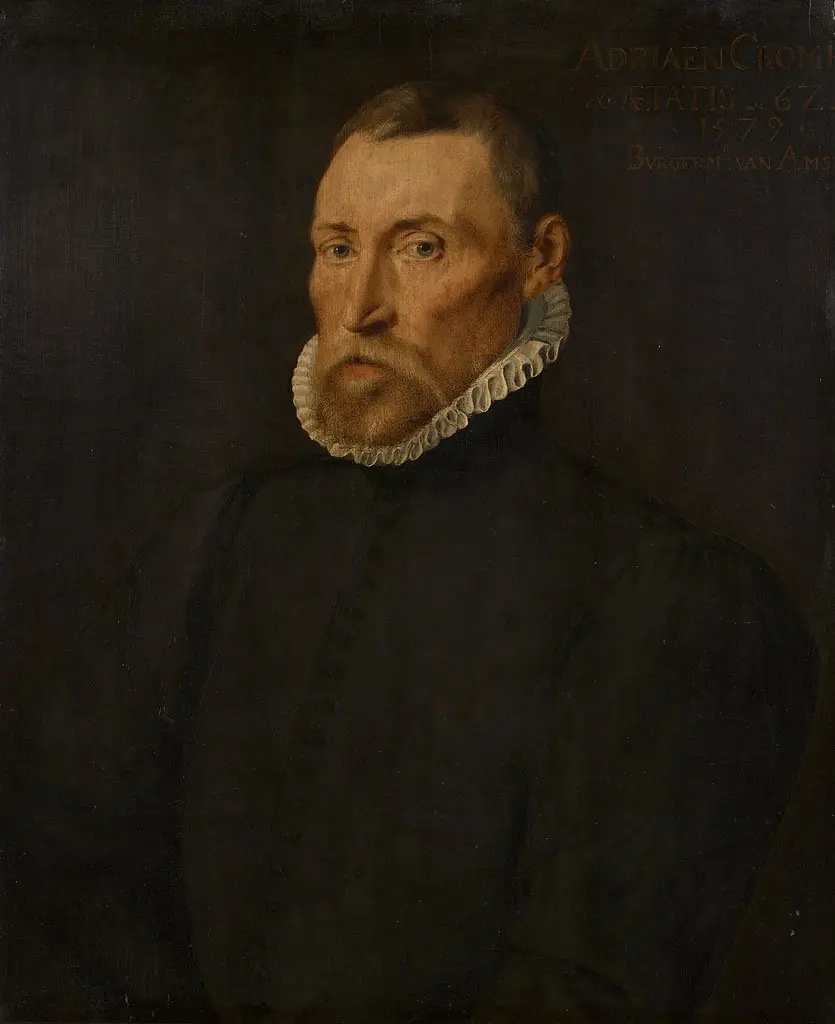 Portrait of Adriaen Cromhout (d.1588)
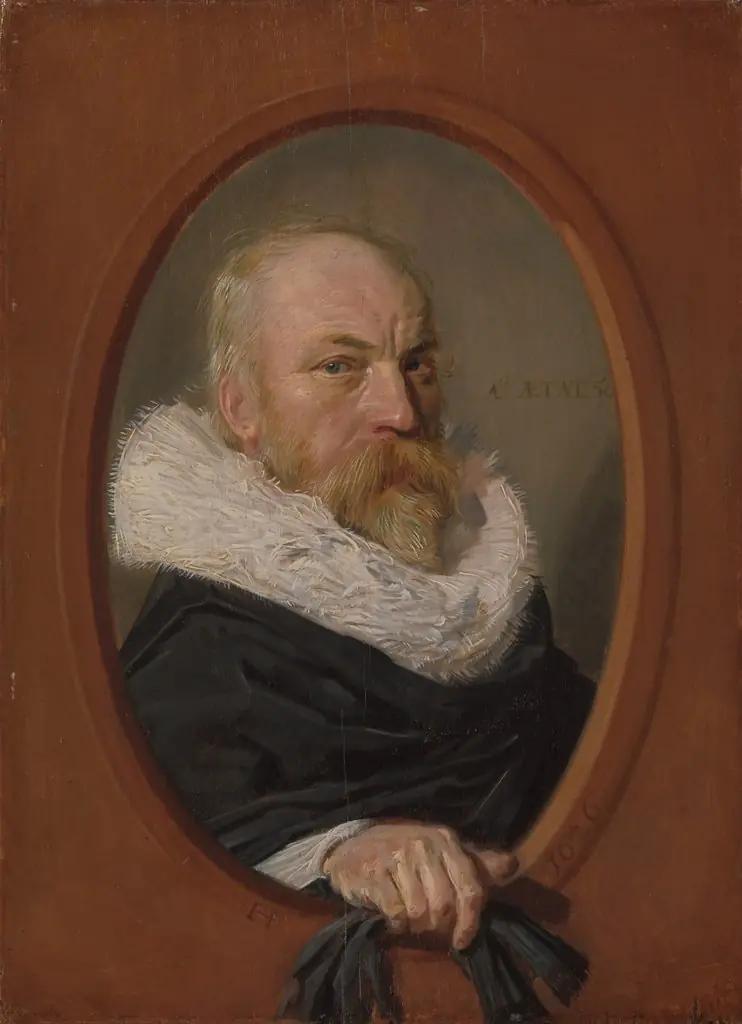 Portrait of Petrus Scriverius
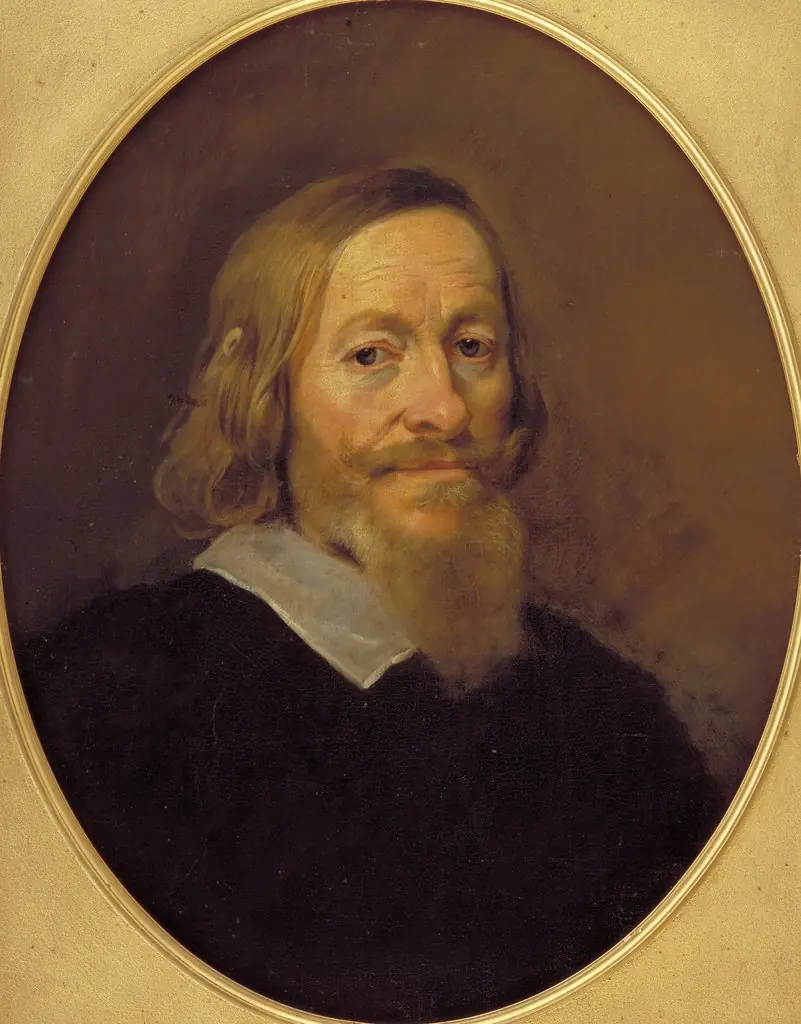 Rigsadmiral Ove Gjedde
 Rigsadmiral Ove Gjedde
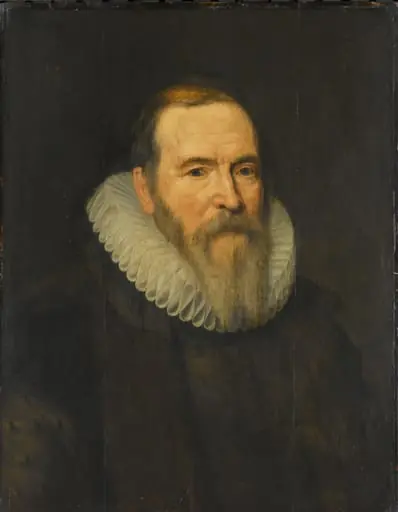 Portrait of Johan van Oldenbarnevelt
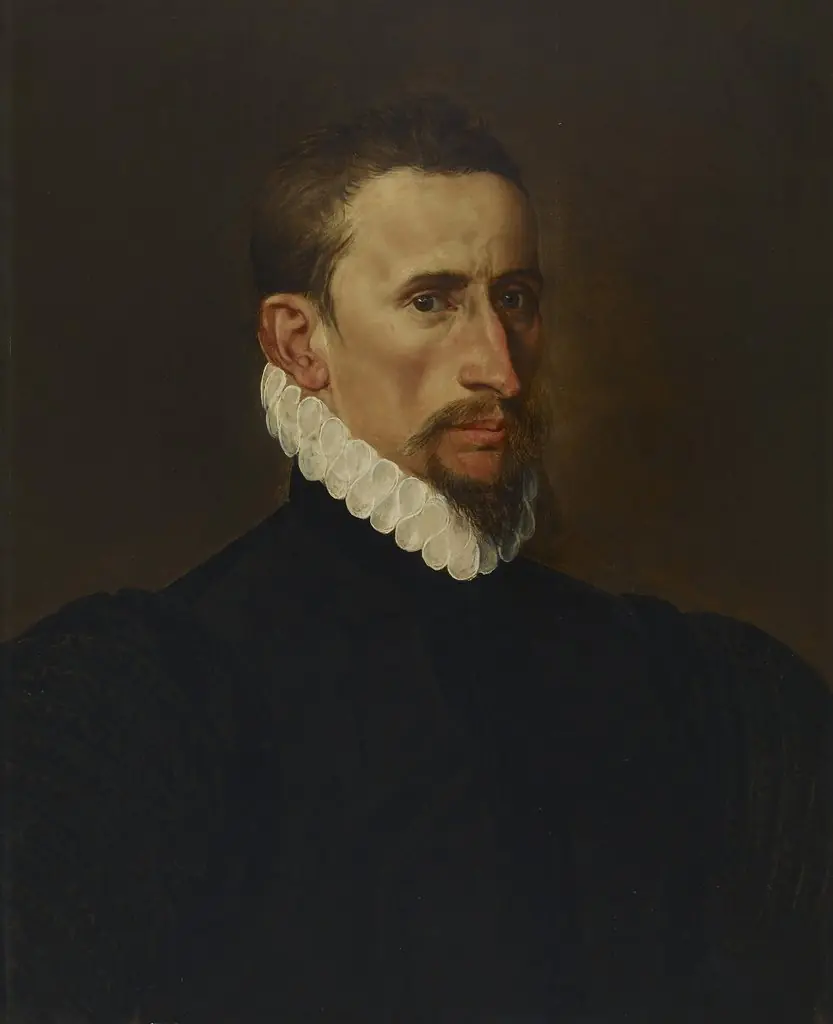 Portrait of a Gentleman
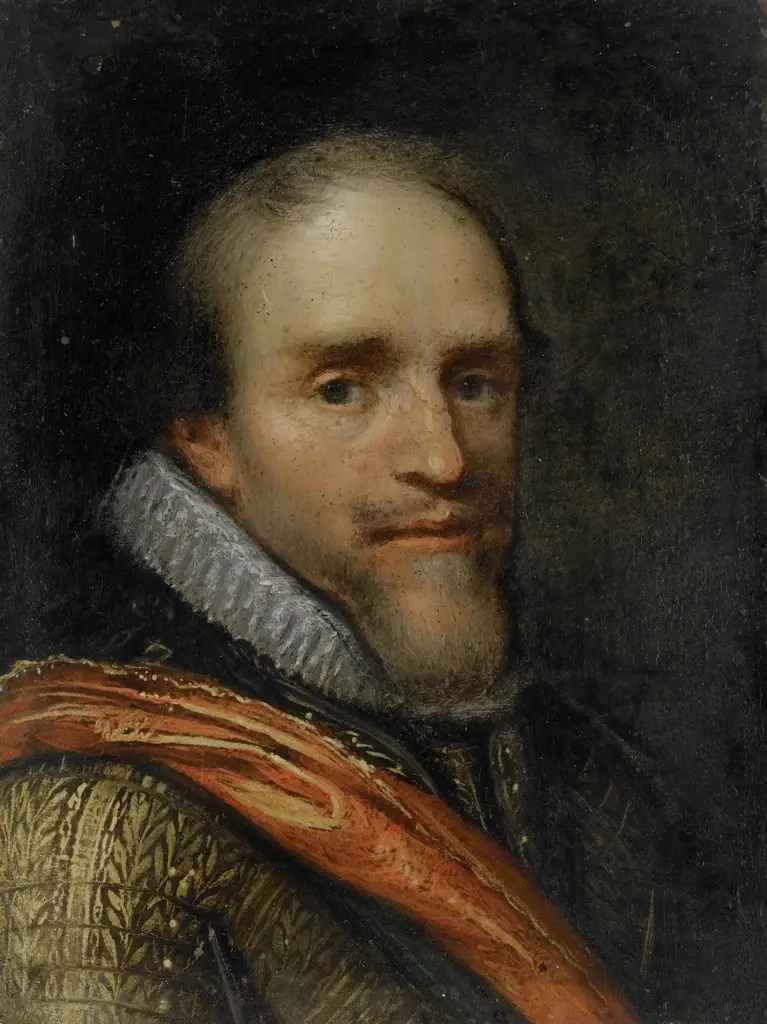 Portrait of Maurits (1567-1625), Prince of Orange
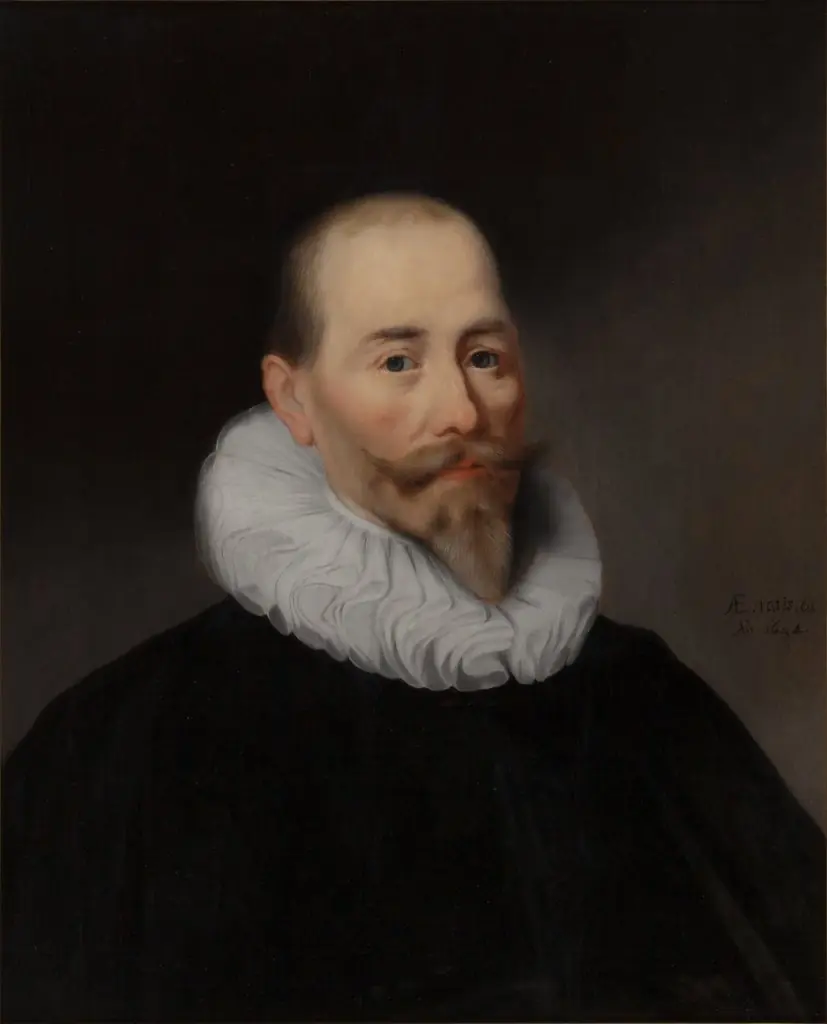 Portrait of Diederick Hoeufft (1571-1634)
 Untitled
 Portrait of a bearded man in profile