Artwork
Untitled
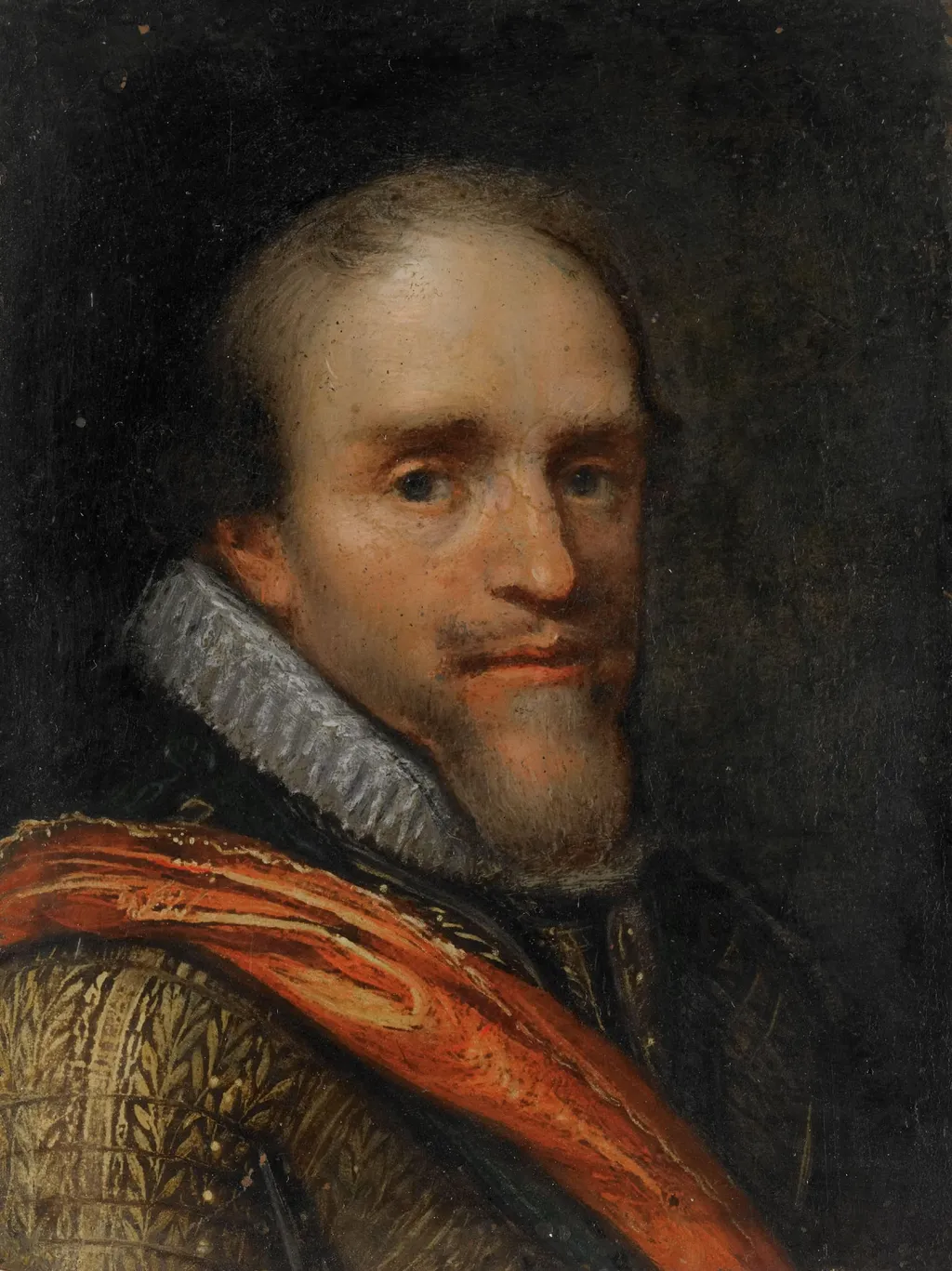
Untitled is an unspecified painting by Jacob Lyon. It dates from 1612 and is held in the collection of the Rijksmuseum.
About this work
Overview
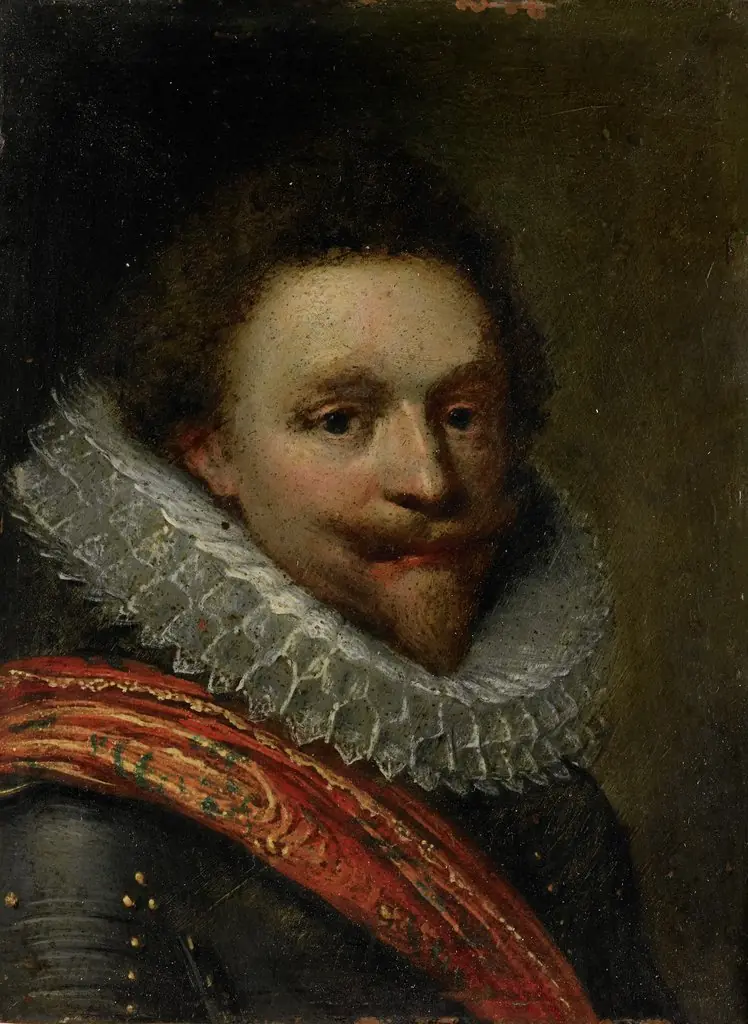
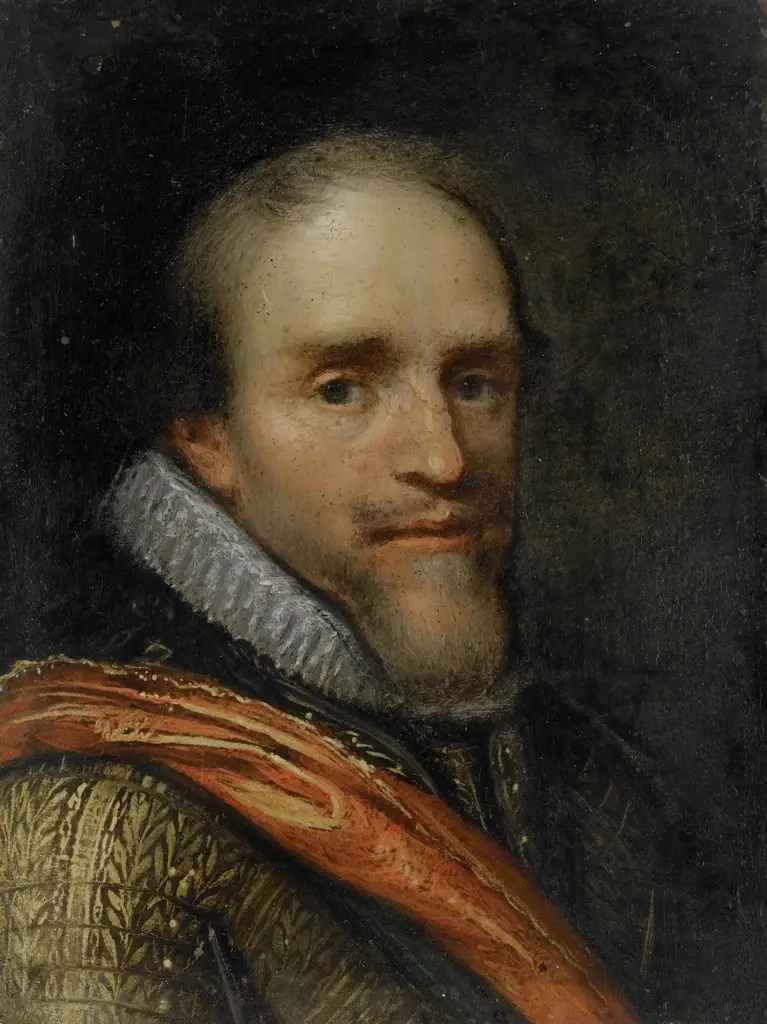
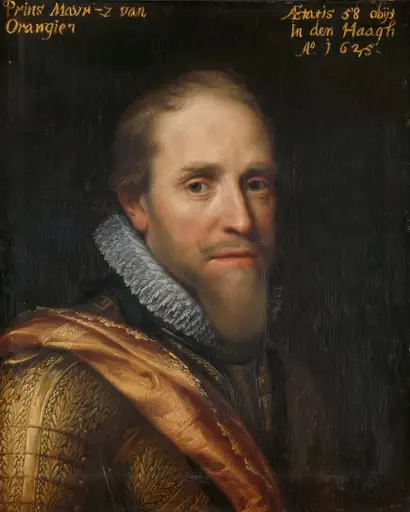
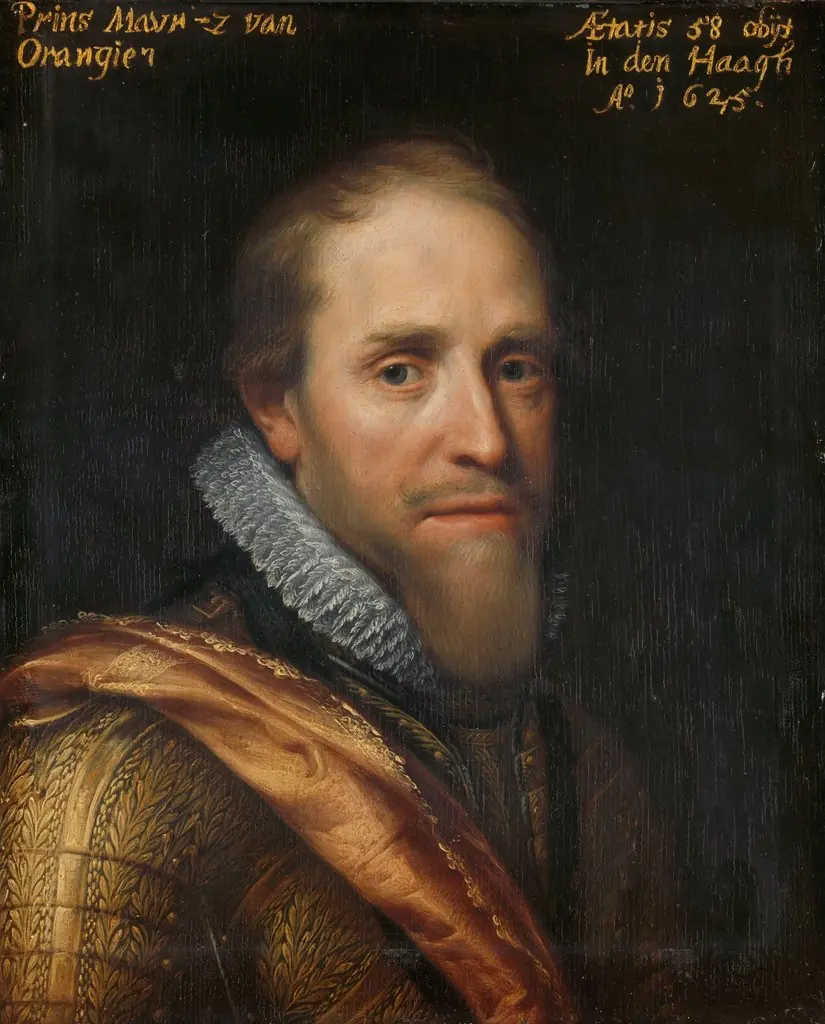
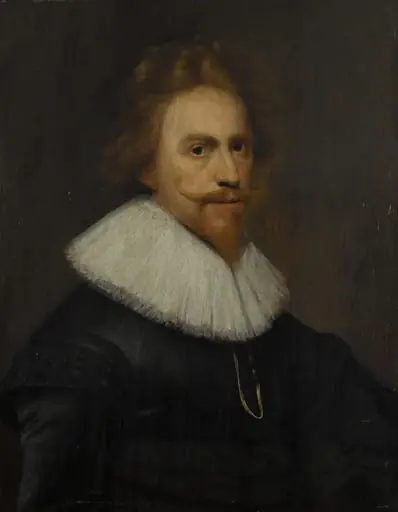
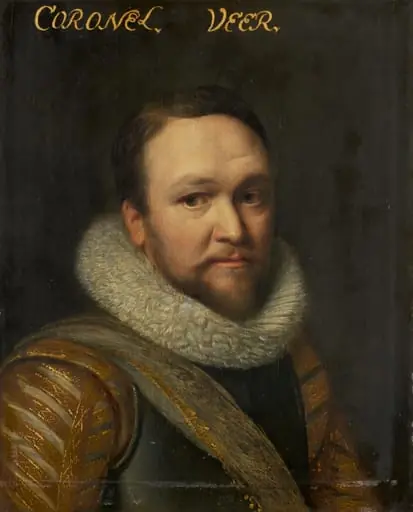
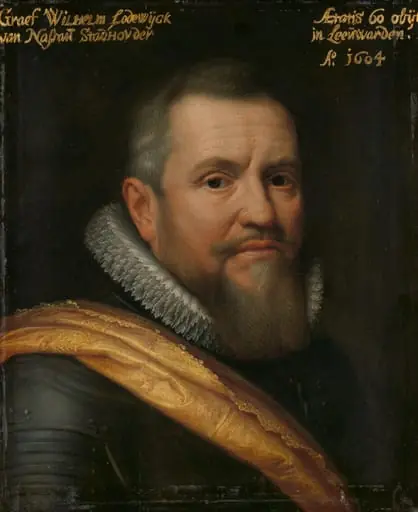
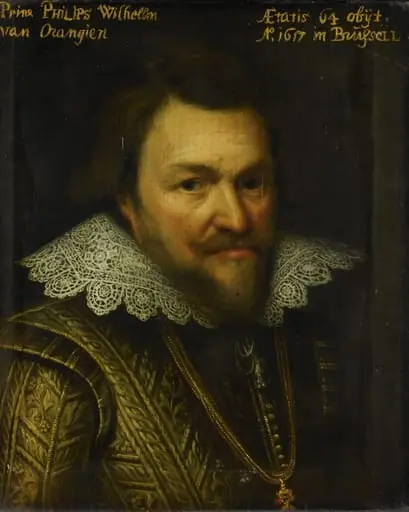
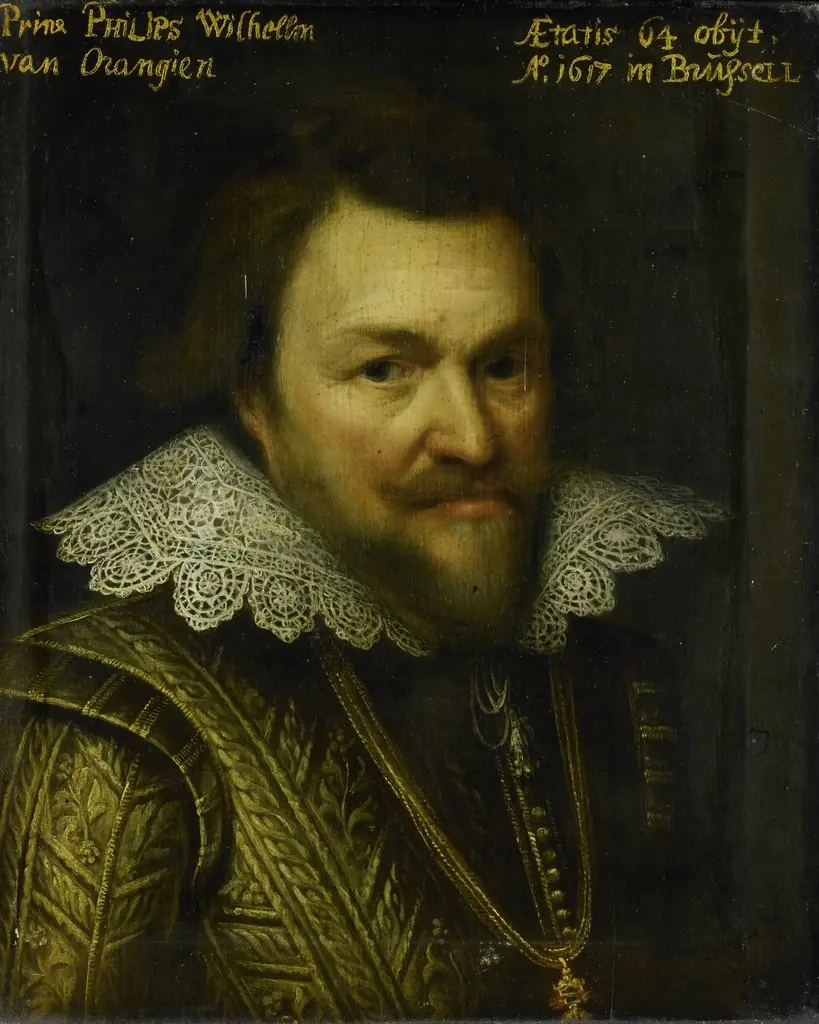
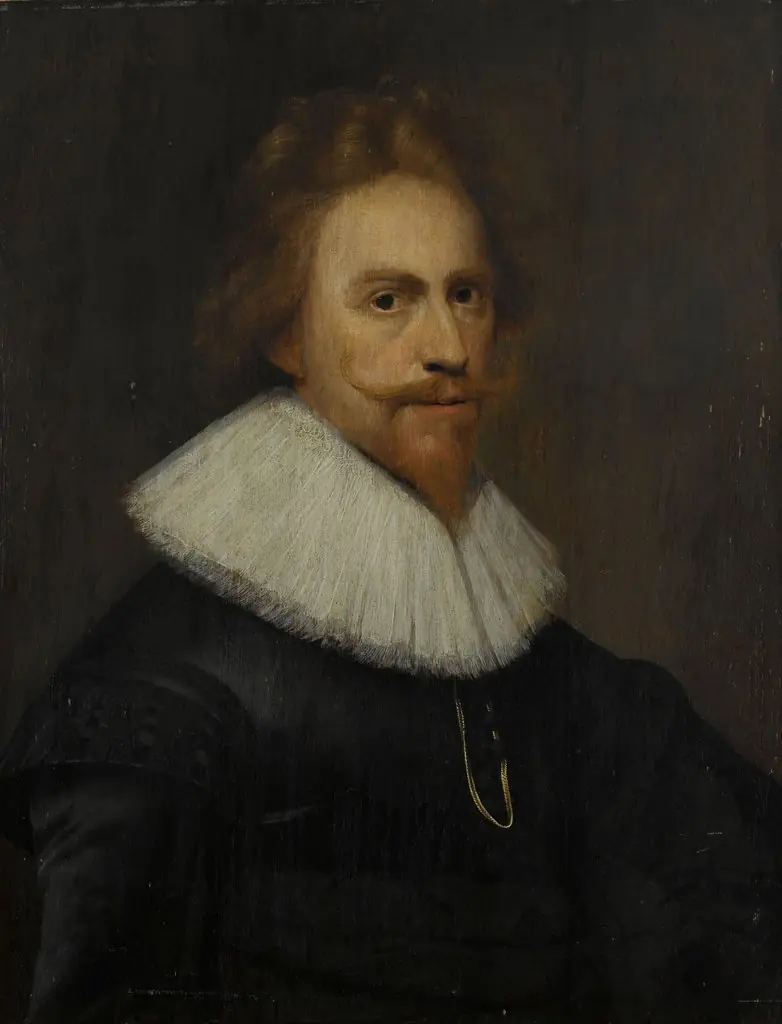
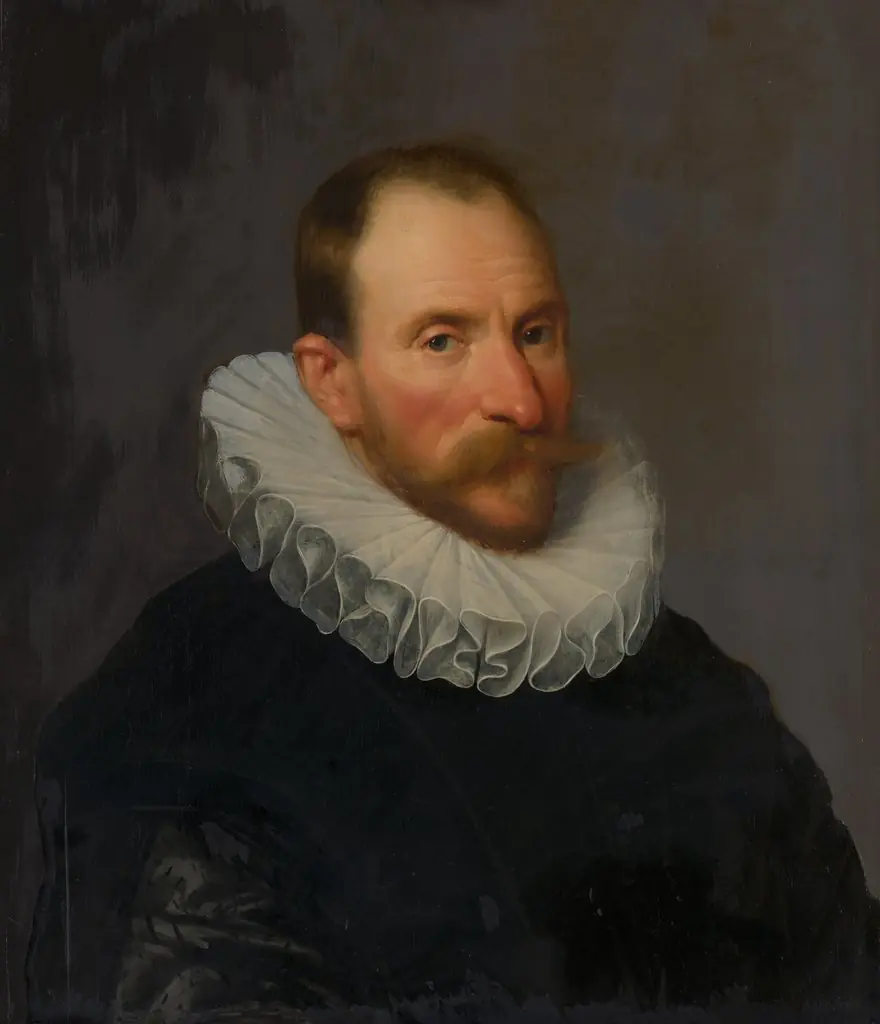
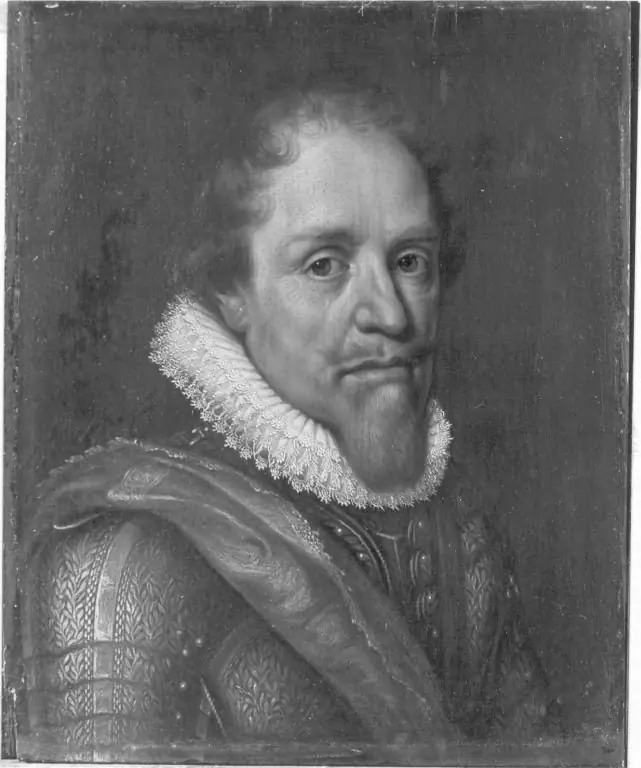
Painted around 1612, this work by Jacob Lyon is a portrait-like genre scene, currently in the Rijksmuseum’s collection. It depicts a solitary male figure rendered with deliberate physical presence and quiet intensity. The composition avoids narrative context, focusing instead on the subject’s demeanor and attire, suggesting a study of character rather than a specific event.
Subject & Meaning
The absence of identifiable symbols or setting leaves his role ambiguous, inviting interpretation as a civilian, artisan, or low-ranking soldier.
The figure is a man of modest status, identified by his attire: a white ruff, dark jacket with gold embroidery, and a red strap across the chest, possibly securing a tool or weapon. His calm, slightly smiling expression conveys quiet confidence rather than aggression. The absence of identifiable symbols or setting leaves his role ambiguous, inviting interpretation as a civilian, artisan, or low-ranking soldier.
Technique & Style
Lyon employs thick, tactile brushwork, particularly on the man’s face and the red strap, creating a sense of texture and volume. The contrast between the rough handling of these elements and the smoother rendering of the jacket highlights focal points. Light falls with directional clarity, enhancing the three-dimensionality of the form through subtle gradations, aligning with early Baroque chiaroscuro practices.
History & Provenance
The painting has been in the Rijksmuseum’s holdings since at least the 19th century, though its earlier ownership is undocumented. It was likely acquired as part of a broader collection of Dutch genre works from the early 17th century. No records indicate it was commissioned or publicly exhibited during Lyon’s lifetime, suggesting it may have been a personal or studio study.
Context
Created during a period when Dutch artists increasingly turned to intimate, non-religious subjects, this work reflects a shift toward individual portraiture within genre painting. Unlike grand historical scenes, Lyon’s focus on an ordinary man’s presence aligns with contemporary interest in human character and material detail, common among painters in the northern Netherlands around 1610.
Legacy
Though not widely reproduced or studied, the painting exemplifies the quiet observational approach of lesser-known Dutch painters of the era. Its emphasis on texture, expression, and restrained lighting influenced later genre artists who prioritized psychological nuance over dramatic storytelling. It remains a quiet testament to the value placed on individual presence in early Dutch visual culture.
Own this work as a print
Artist & collection