Artwork
Portrait of Maurits (1567-1625), Prince of Orange
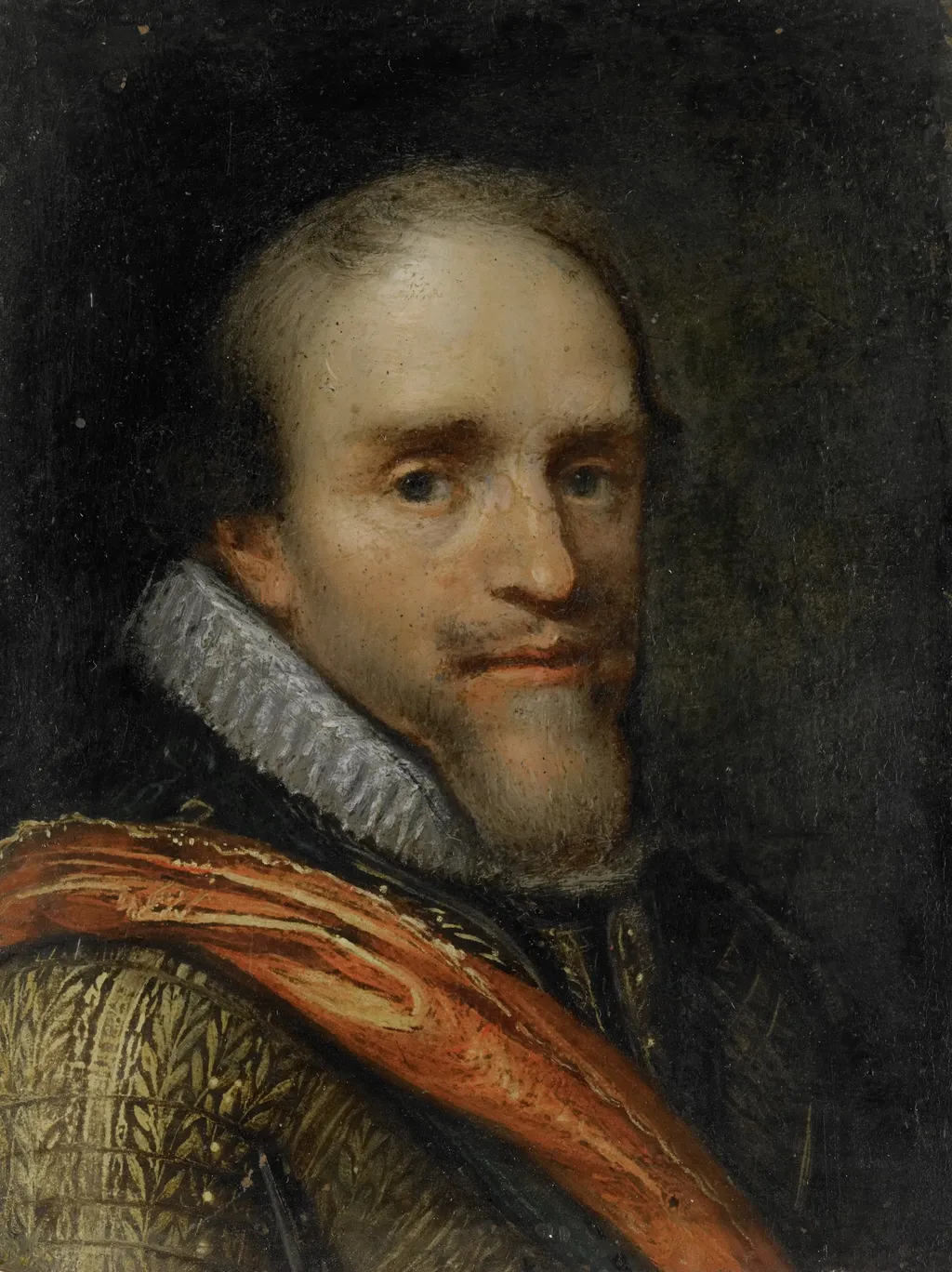
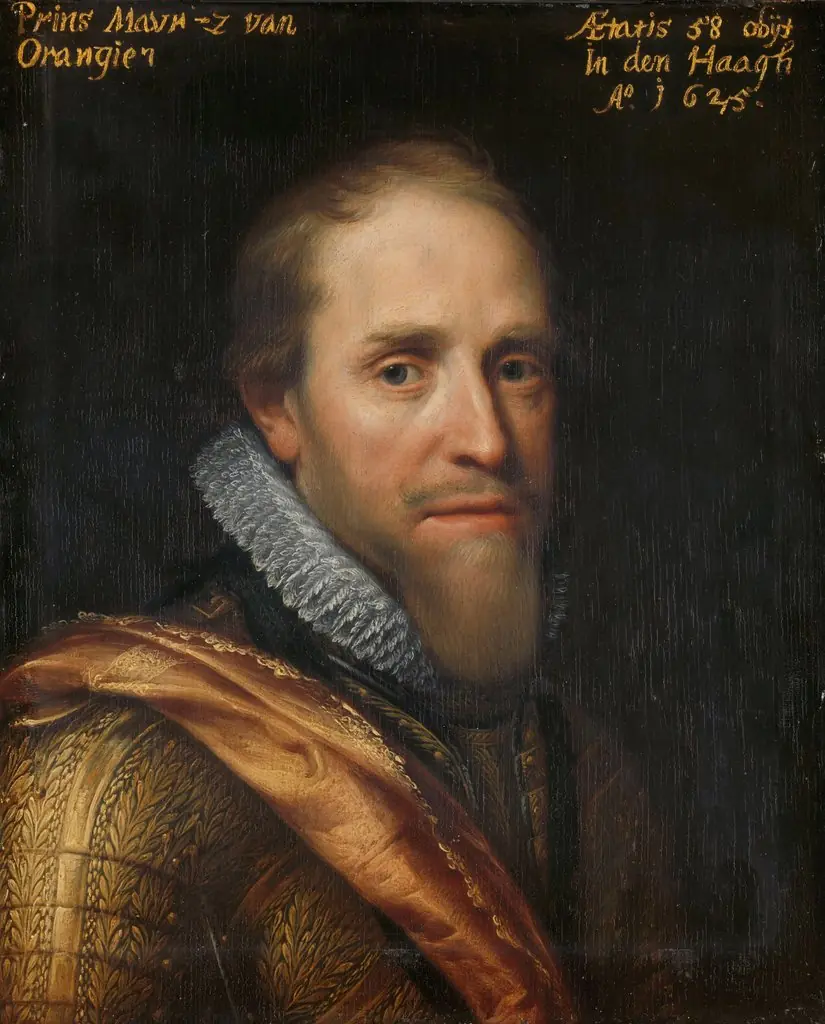
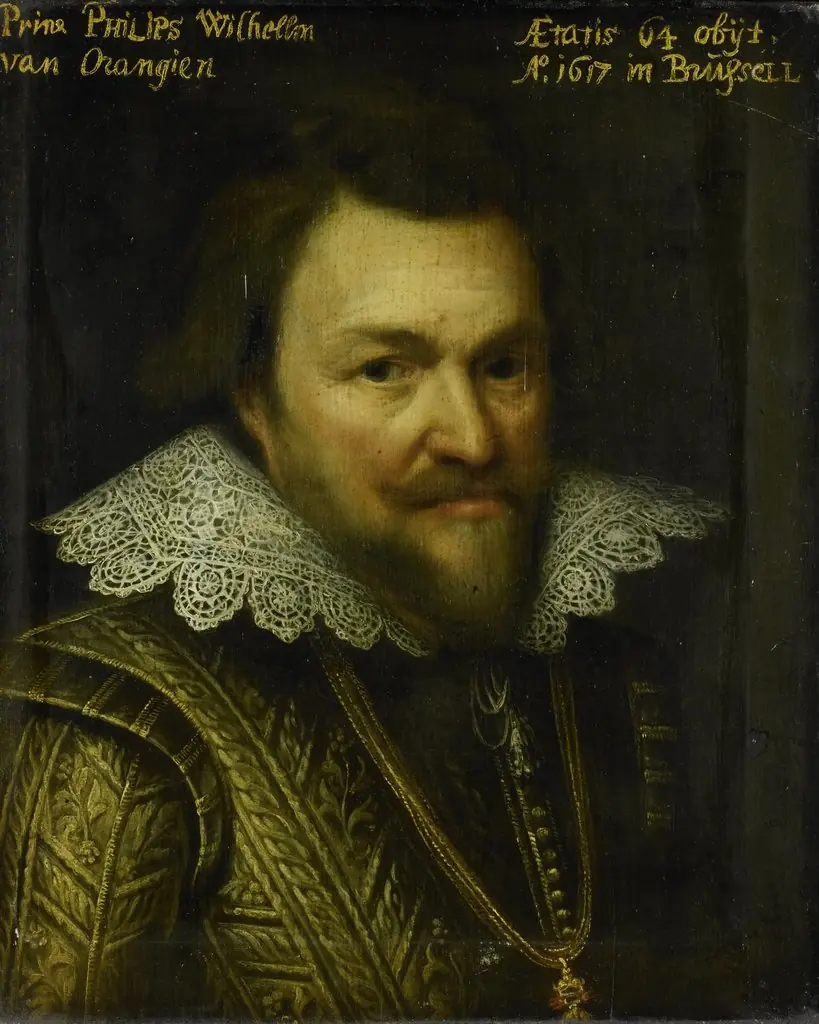
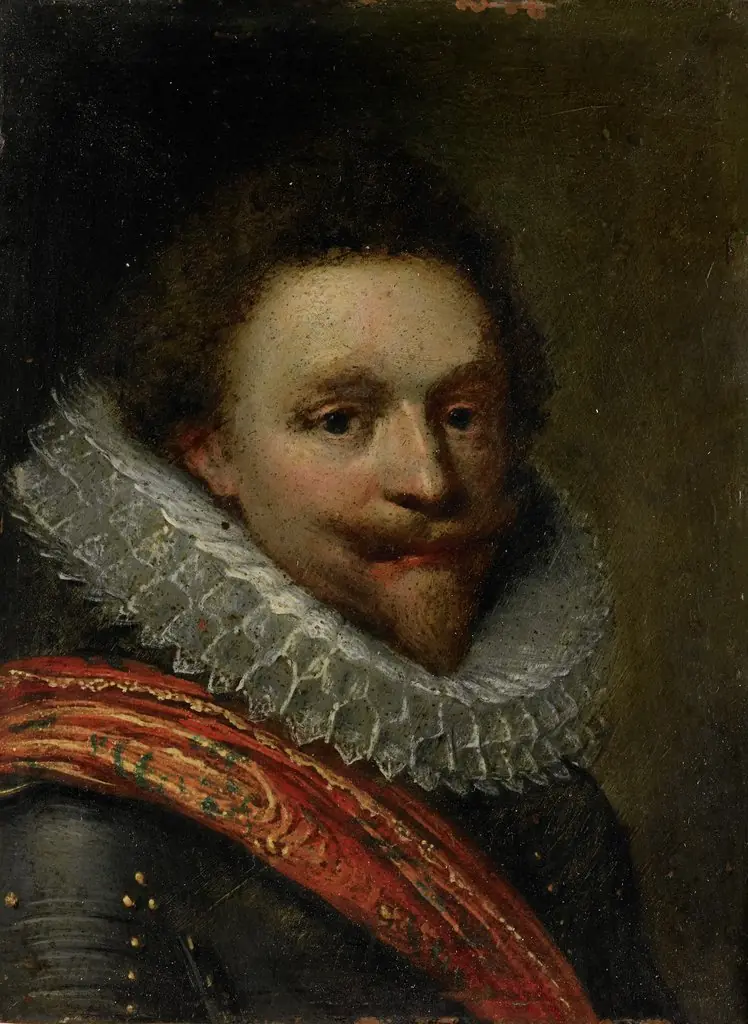
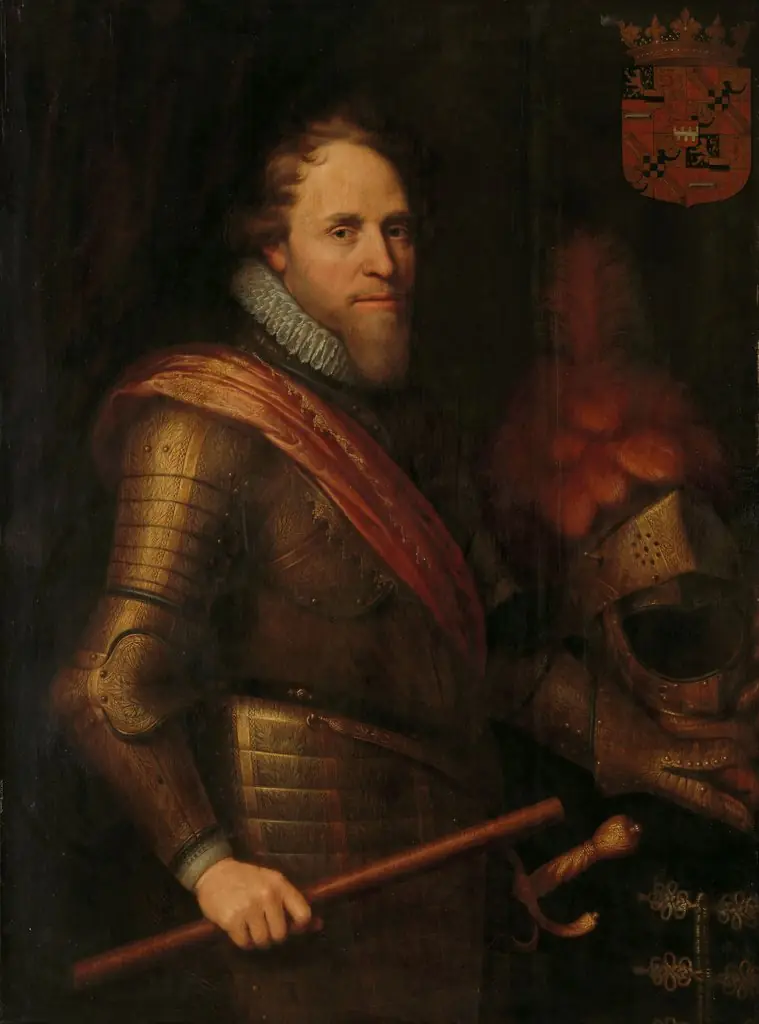
Portrait of Maurits (1567-1625), Prince of Orange is an oil painting by the Dutch Golden Age artist Jacob Lyon. It dates from 1612 and is held in the collection of the Rijksmuseum.
About this work
Overview
Jacob Lyon’s 1612 portrait presents Maurice of Nassau, Prince of Orange, rendered on a modestly sized copper plate. The composition centers the sitter with a solemn gaze turned toward his right shoulder, set against a deep, unadorned background that emphasizes his figure. The work resides in the collection of the Rijksmuseum, where it is displayed among other Dutch Golden Age pieces.
Subject & Meaning
The portrait captures Maurice (1567‑1625), a key military leader of the Dutch Republic, in attire befitting his status. His dark hair, trimmed beard, and dignified expression convey authority, while the red sash across his chest hints at his rank and the martial responsibilities he bore during the Eighty Years’ War.
Technique & Style
Executed on copper, the painting benefits from the metal’s smooth surface, allowing Lyon to achieve fine detail and luminous color modulation. The subject wears a high‑collared shirt with a crisp white ruff, a dark jacket adorned with gold embroidery, and a contrasting red sash, all rendered with precise brushwork that highlights texture and light.
History & Provenance
Created in 1612, the portrait entered the Rijksmuseum’s holdings as part of its extensive Dutch collection. Its survival on copper—a medium less common than canvas—has preserved the work’s clarity over four centuries, offering scholars insight into early 17th‑century portrait conventions and the artist’s oeuvre.
Own this work as a print
Artist & collection