Artwork
Portrait of Everhard Jabach (1610-1695)
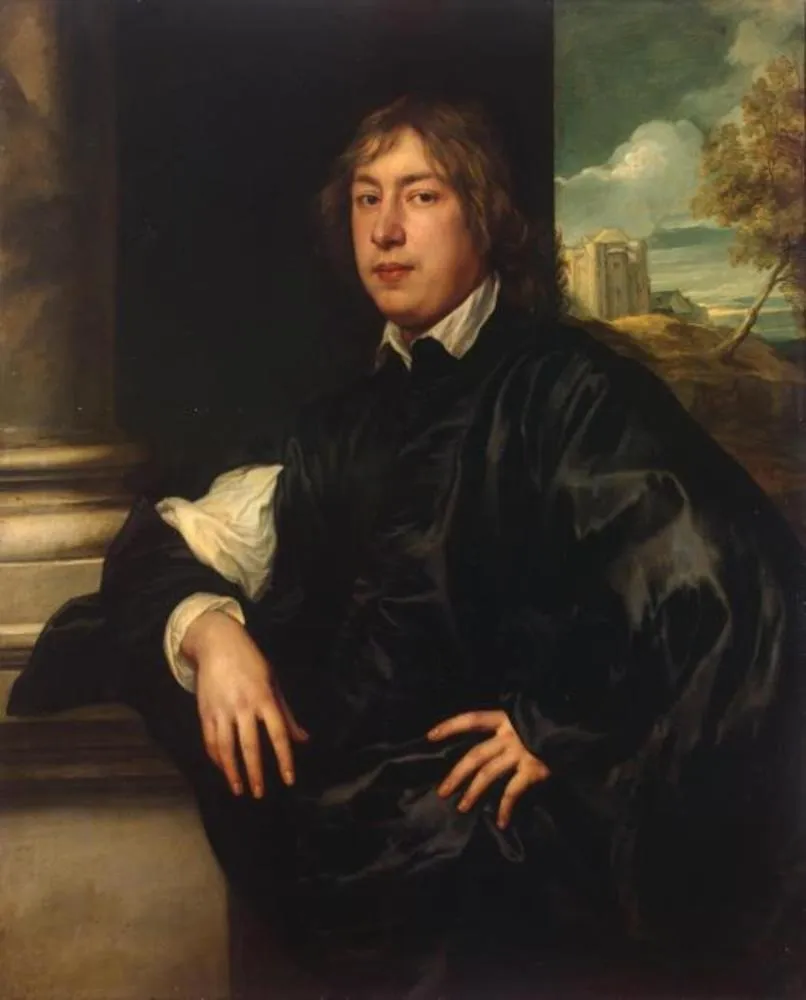
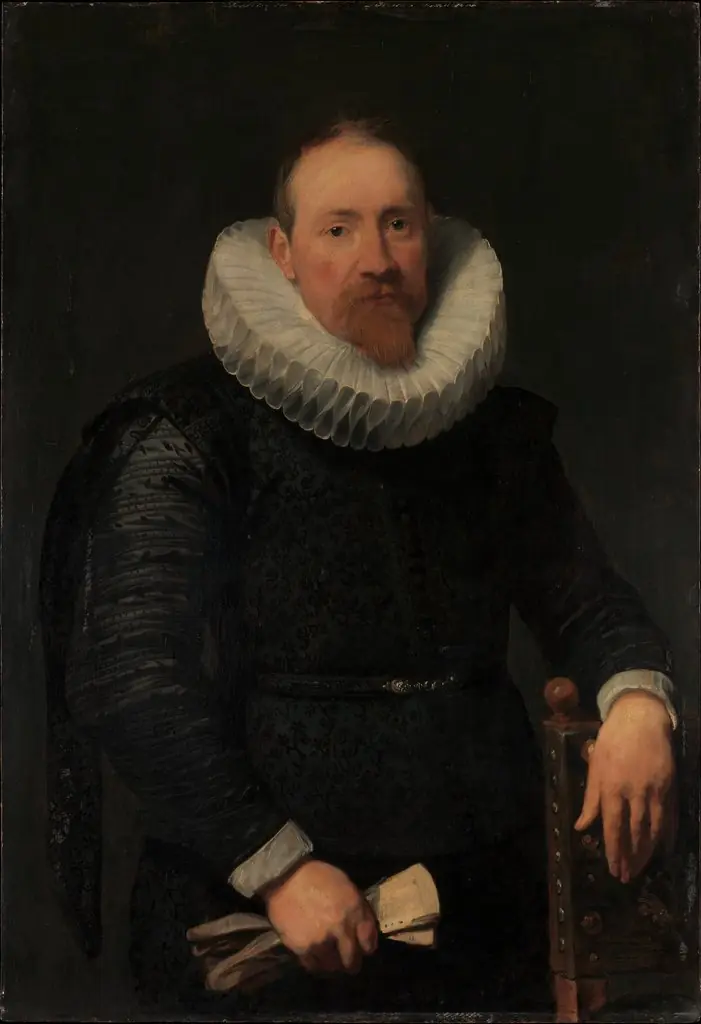
Portrait of Everhard Jabach (1610-1695) is an oil painting by the Flemish Baroque painting artist Anthony van Dyck. It dates from 1636 and is held in the collection of the Hermitage Museum.
About this work
Overview
Anthony van Dyck’s 1636 oil portrait presents Everhard Jabach, a prominent 17th‑century figure, seated before a modest interior setting. The composition balances a darkened space with a faintly rendered landscape featuring a tower, drawing the viewer’s attention to the sitter’s illuminated face. The work belongs to the State Hermitage Museum’s collection.
Subject & Meaning
Everhard Jabach, born in Antwerp in 1599 to a silk‑trading family, is depicted in a dignified pose, his hand resting on a chair and his gaze directed outward. The restrained background and the sitter’s sober attire suggest a focus on personal stature and civic identity rather than overt symbolism.
Technique & Style
Van Dyck employs chiaroscuro, contrasting a softly lit facial area with a deep, shadowed backdrop to model the figure’s features. The brushwork is smooth in the flesh tones, while the painted landscape on the wall is rendered with looser, atmospheric strokes, illustrating the artist’s mastery of light and texture.
History & Provenance
Created during van Dyck’s early period after his apprenticeship with Peter Paul Rubens, the portrait entered the State Hermitage Museum’s holdings in the 20th century. Its documented provenance traces back to private collections in the Low Countries before its acquisition by the Russian institution.
Context
The painting reflects the Flemish Baroque tradition of portraiture that emphasized realism and psychological presence. Van Dyck, already a master in the Guild of Saint Luke by 1617, was developing a style that combined Rubens’s dynamism with a more intimate, courtly elegance, evident in this work.
Artist & collection
Artist
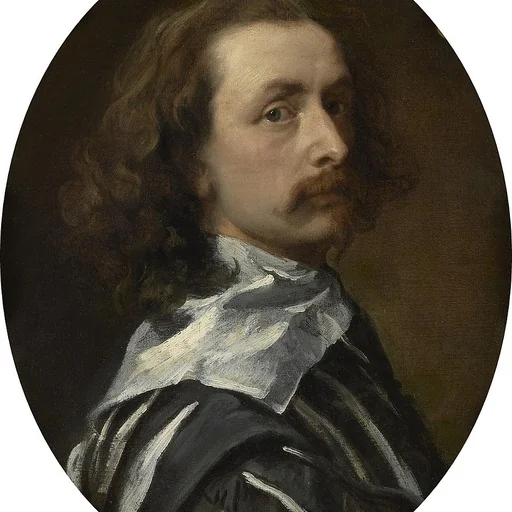
Sir Anthony van Dyck (; Dutch: Antoon van Dijck ; 22 March 1599 – 9 December 1641) was a Flemish Baroque artist, who became the leading court painter in England after success in the Spanish Netherlands and Italy.

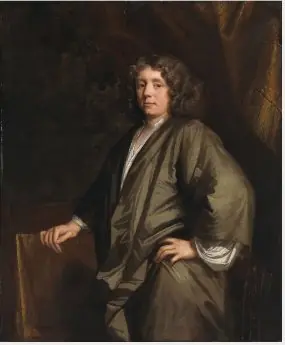 Portrait of Thomas Wharton, 1st Marquess of Wharton (1648-1715)
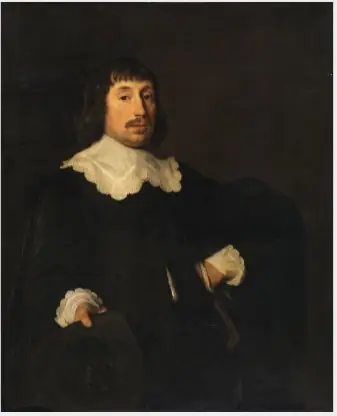 Portrait of a Man
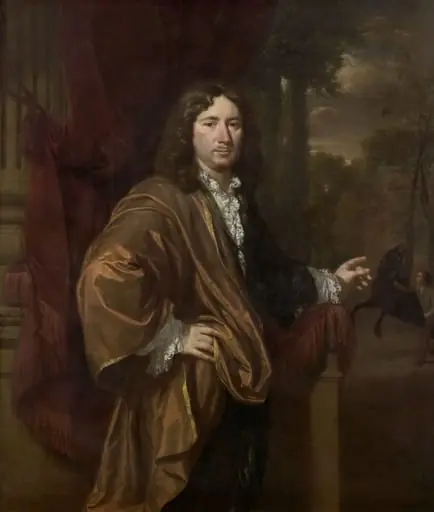 Portrait of a Man
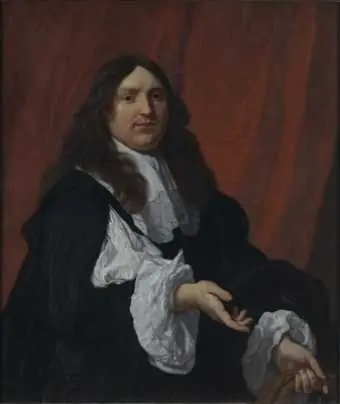 Portrait of a Man, 1664
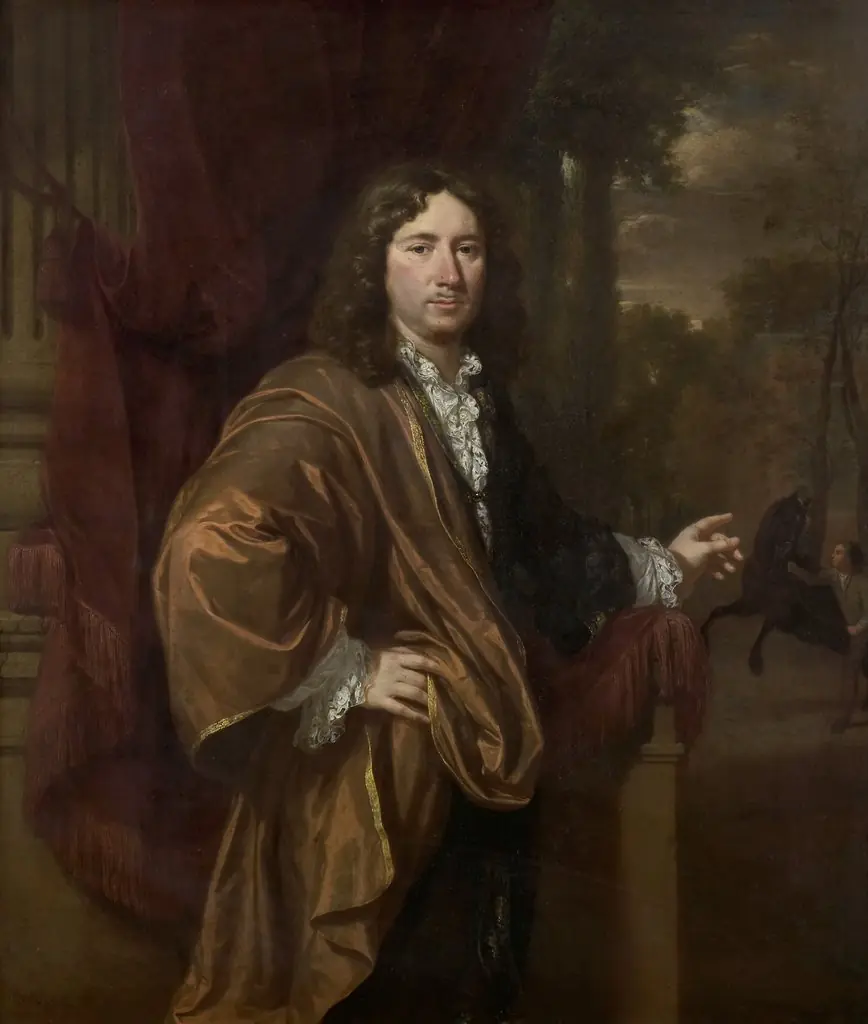 Portrait of a Man
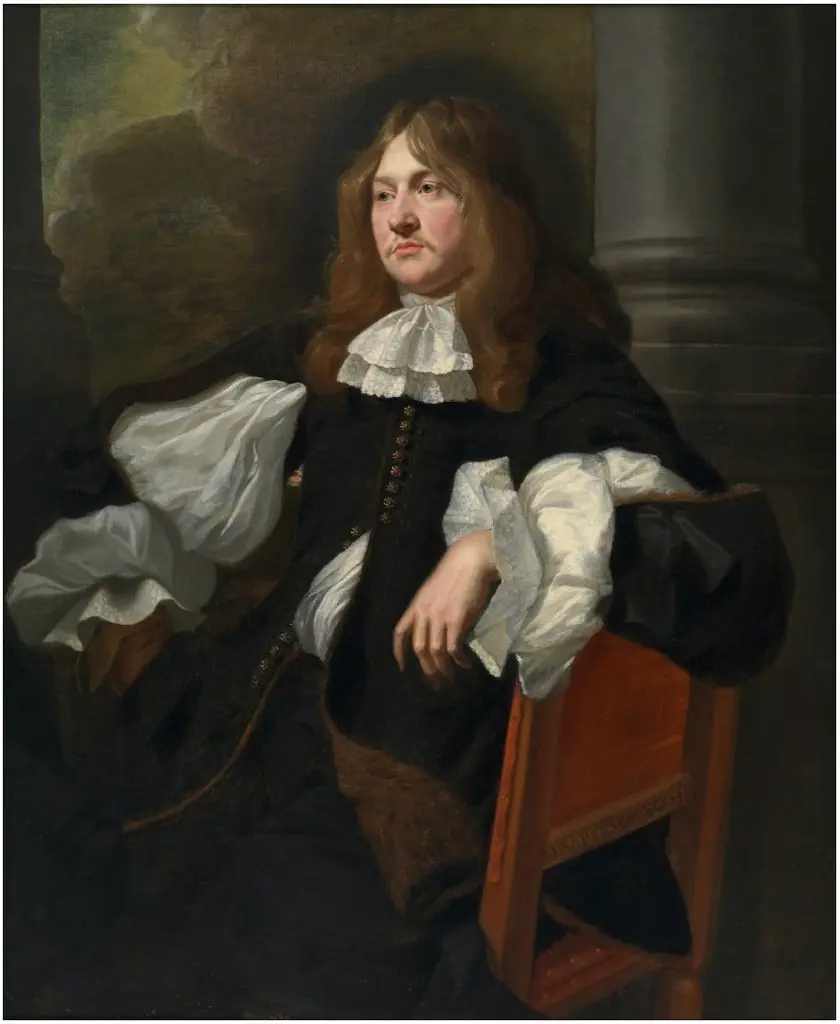 Portrait of Edward Hyde
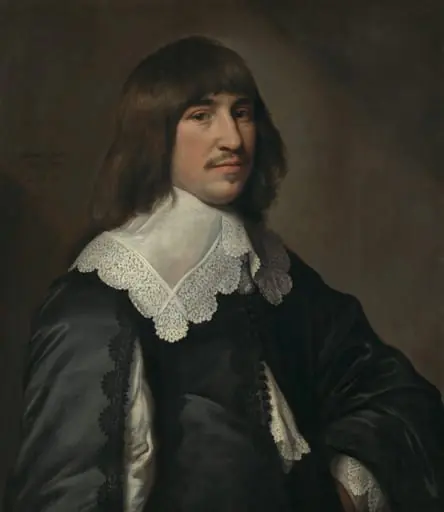 Portrait of Henrick Hooft
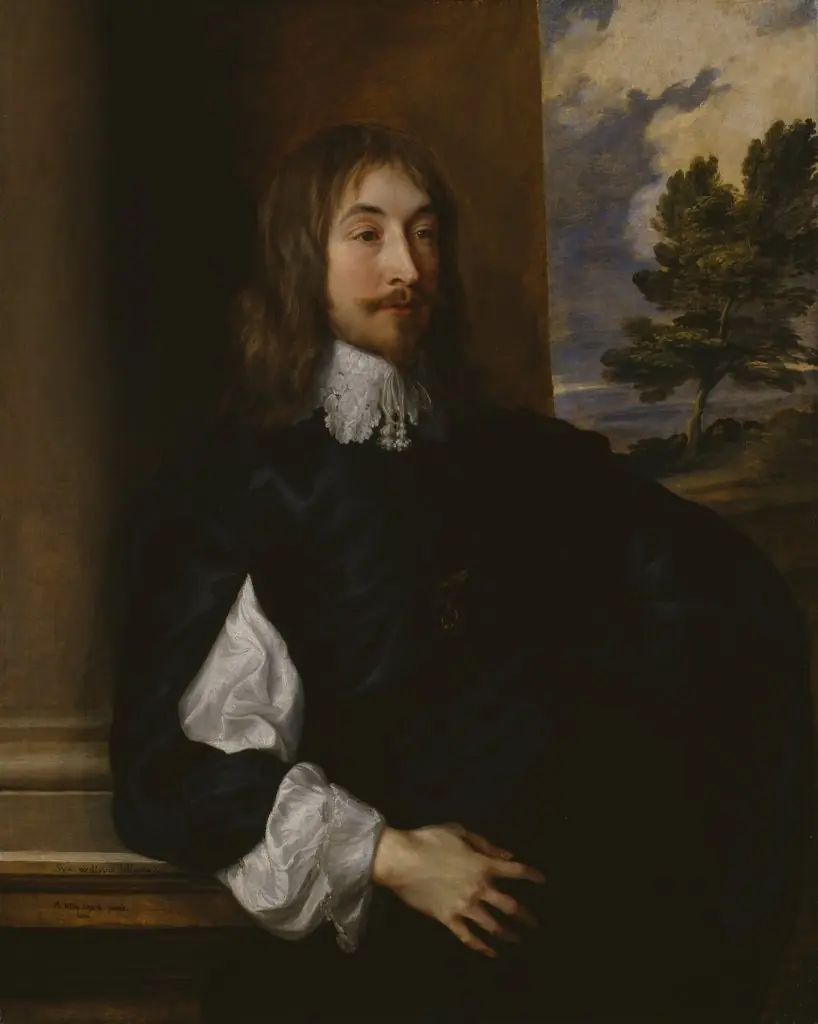 Portrait of Sir William Killigrew
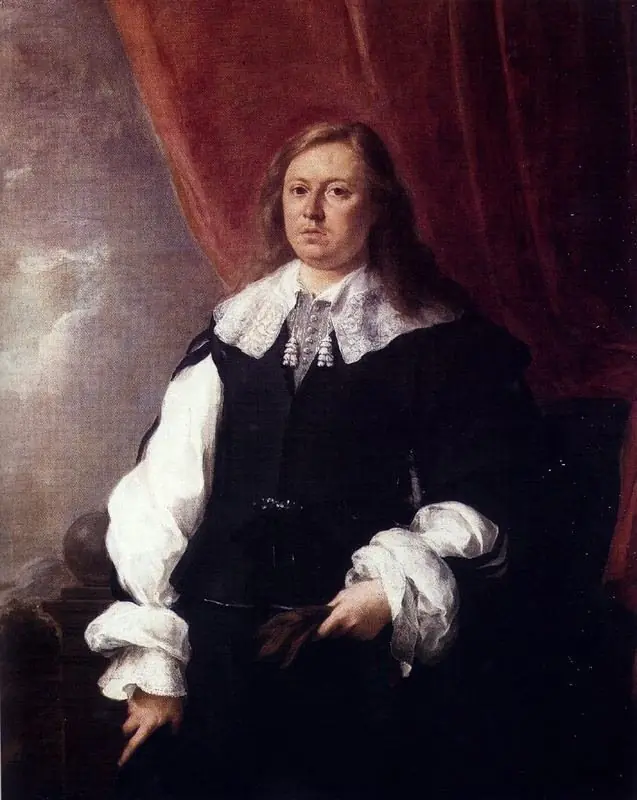 Portrait of Josua van Belle
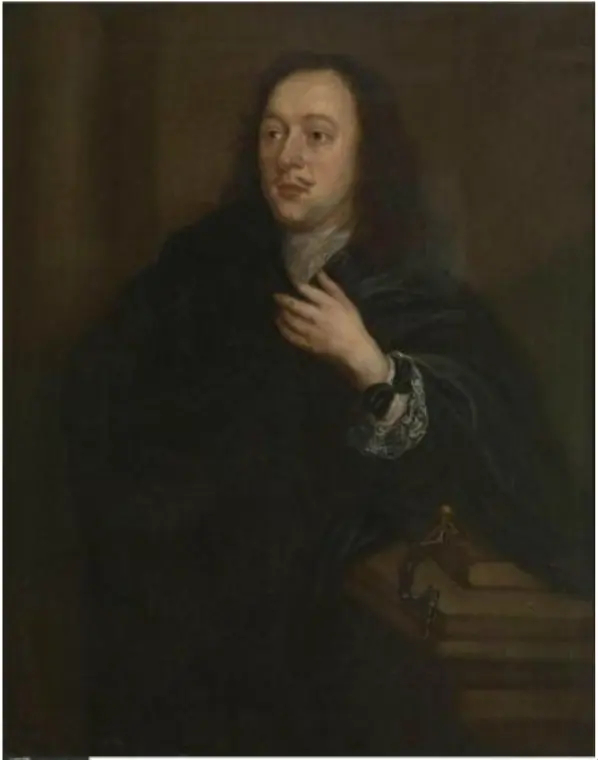 Portrait of Jan van de Vijvere, Dean of the Surgeons' Guild in Bruges
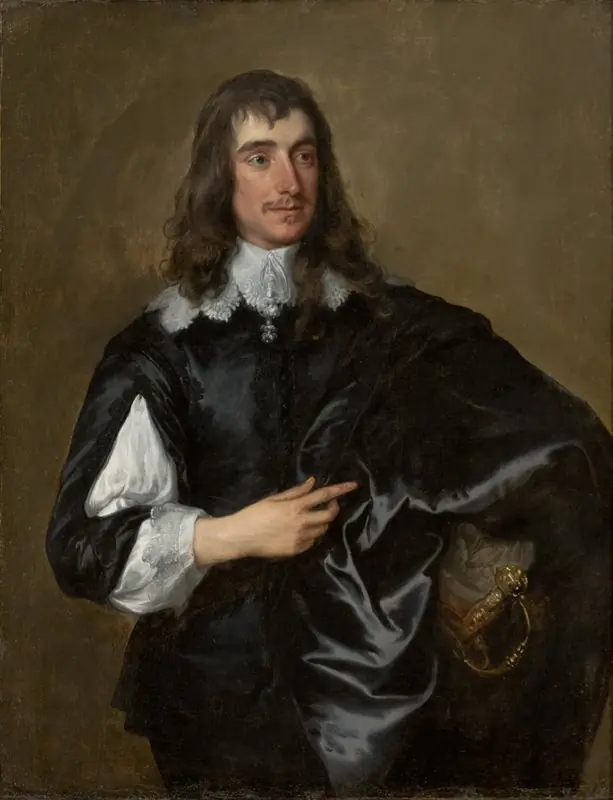 Portrait of a man, possibly William Howard, Viscount of Stafford
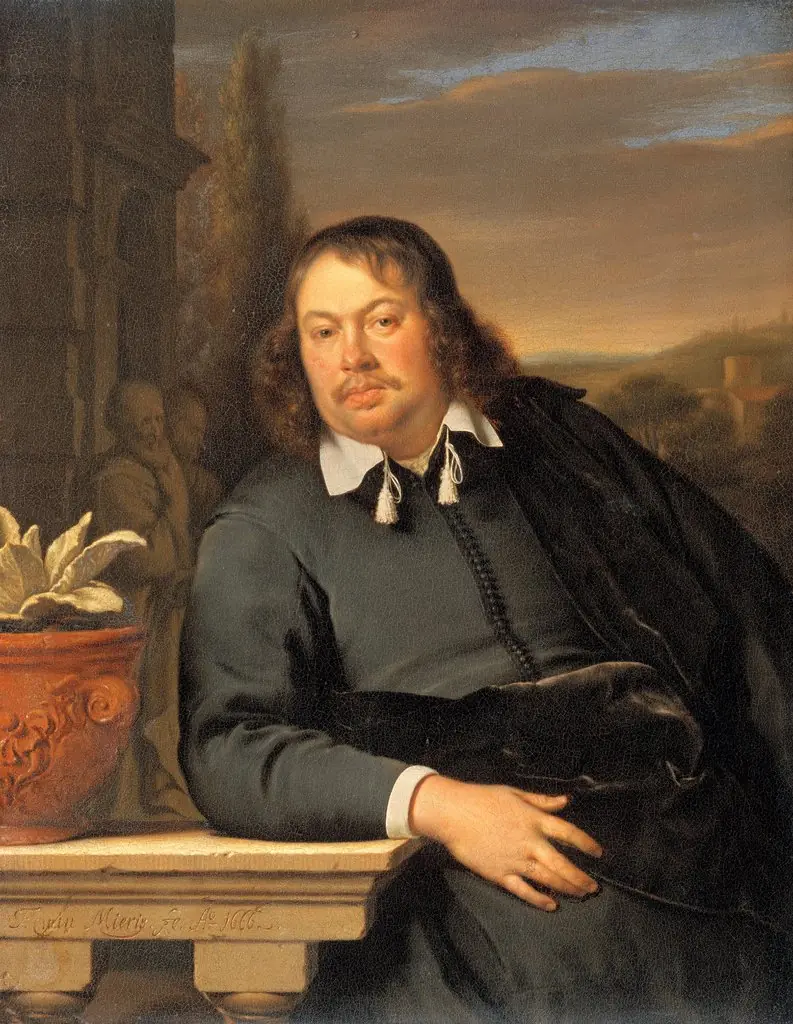 Portrait of Florentius Schuyl (1619-1669)