Artwork
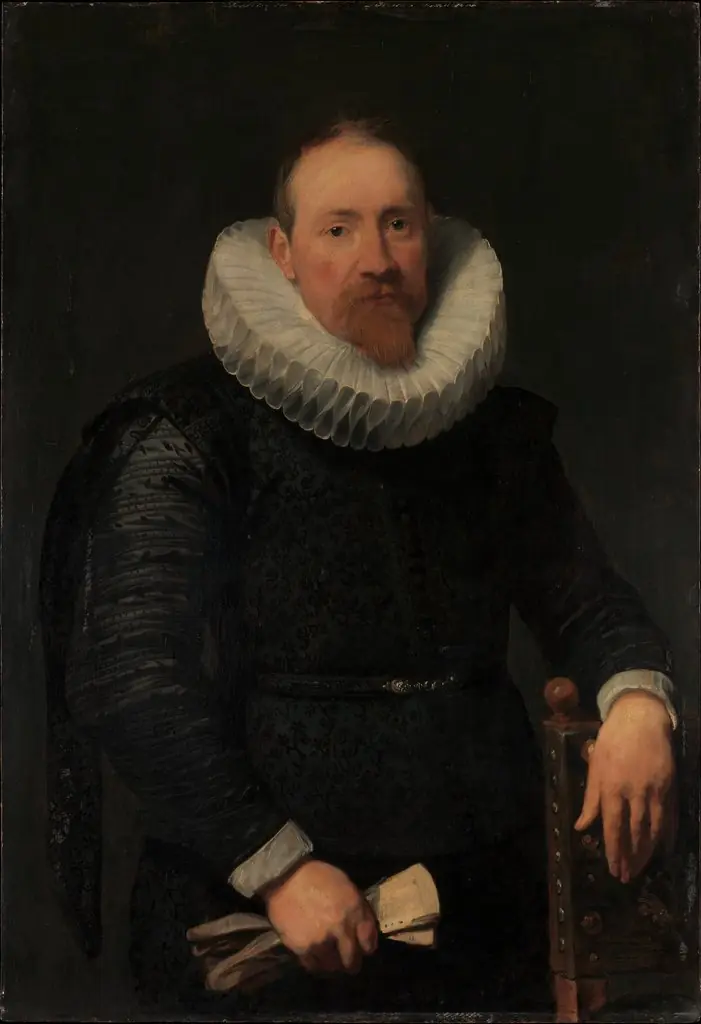
Portrait of Jan van den Wouwer
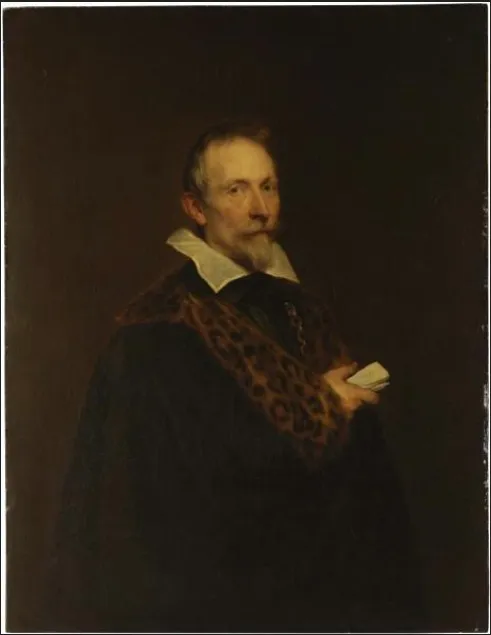
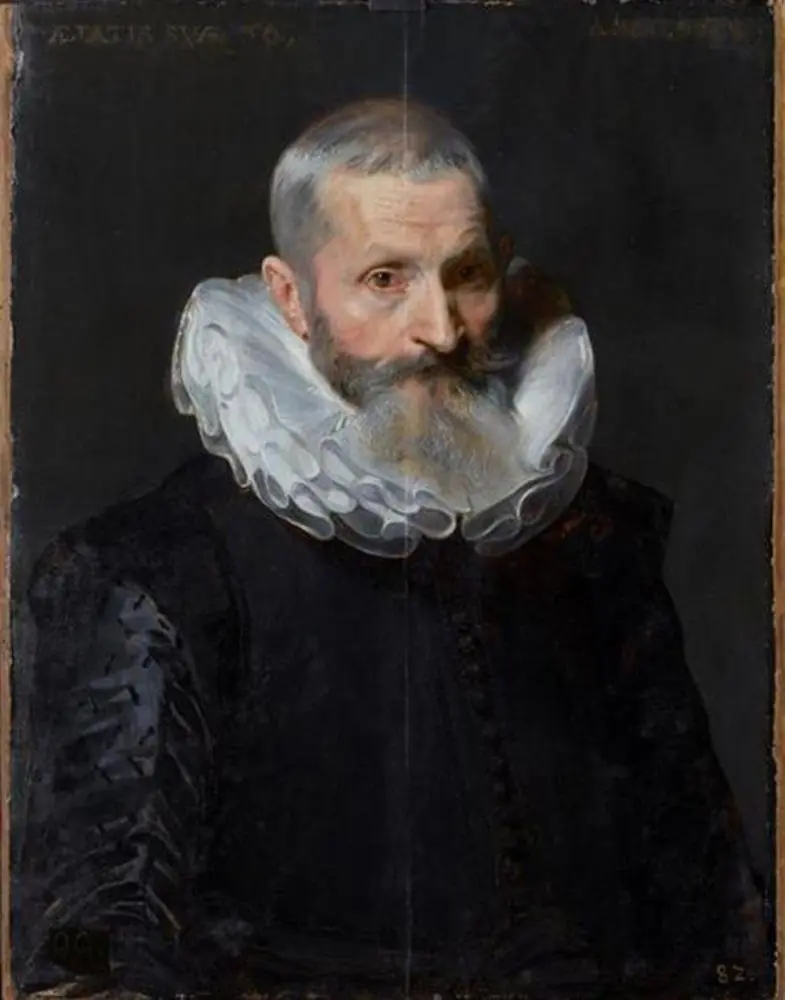
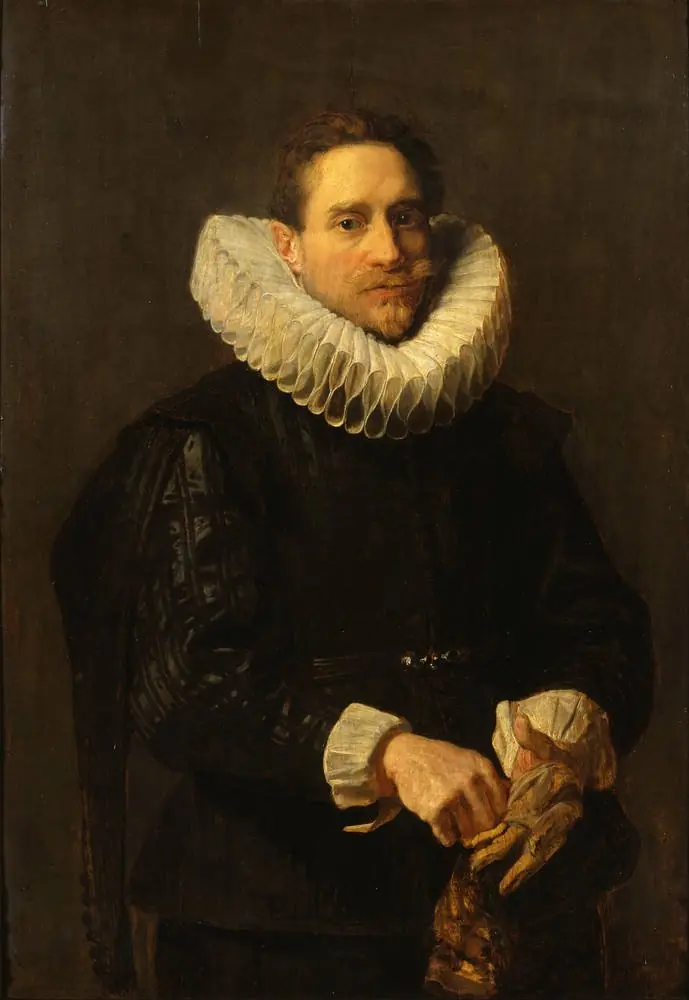
Portrait of Jan van den Wouwer is an oil painting by the Flemish Baroque painting artist Anthony van Dyck. It dates from 1632 and is held in the collection of the Pushkin Museum of Fine Arts.
About this work
The painting's style and technique are reminiscent of the works of Anthony van Dyck, a Flemish painter known for his portraits of nobility and clergy.
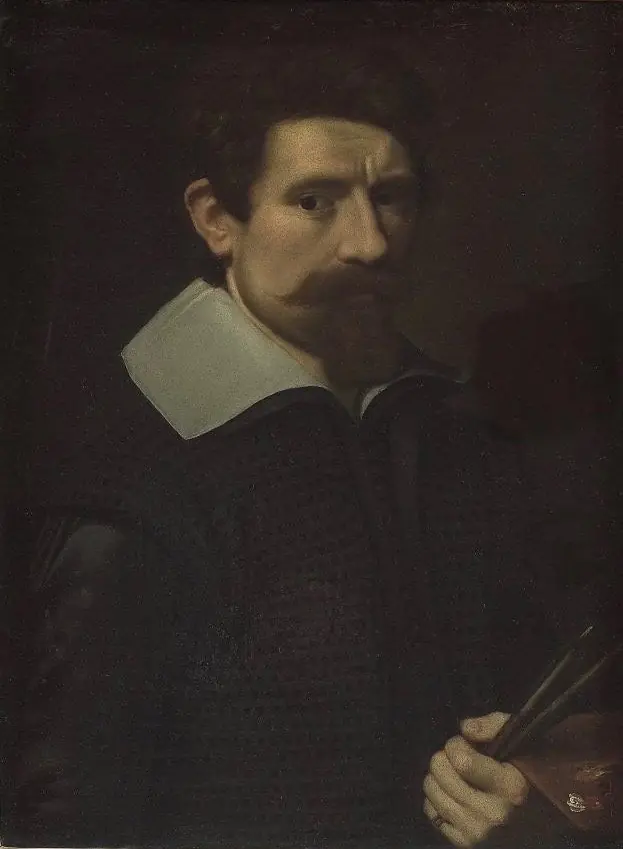
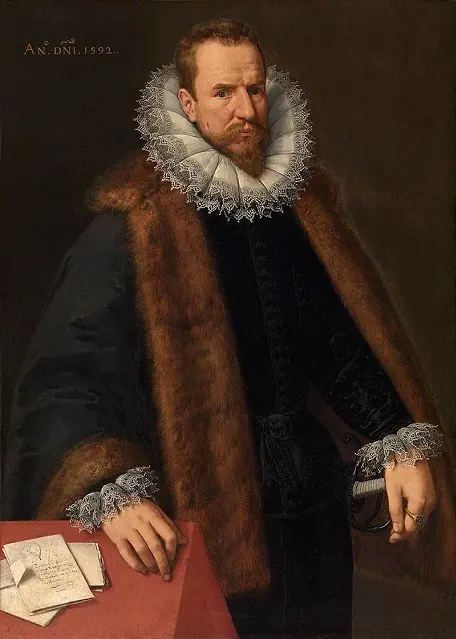
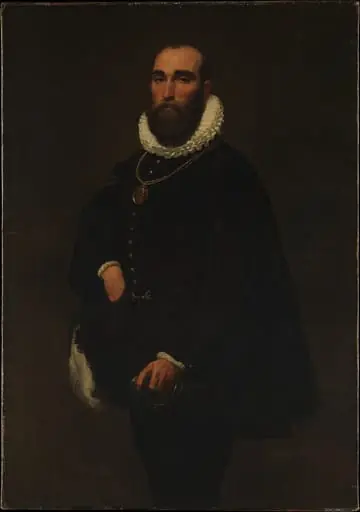
This portrait features a man dressed in dark attire, adorned with a leopard-print cape draped over his shoulders. He holds a small white object in his right hand, which is crossed over his chest. The man's gaze is directed to the right, and his facial expression is neutral.
The subject's attire and the style of the painting suggest that it is a formal portrait from the 17th century. The use of dark colors and the subtle play of light on the subject's face and clothing create a sense of depth and dimensionality.
The painting's style and technique are reminiscent of the works of Anthony van Dyck, a Flemish painter known for his portraits of nobility and clergy.
Overview
The Portrait of Jan van den Wouwer is a 1632 oil painting by Anthony van Dyck, a prominent Flemish Baroque artist. It is now held in the State Hermitage Museum.
Subject & Meaning
The portrait depicts Joannes Woverius, dressed in formal dark attire with a leopard-print cape, holding a small white object. His neutral expression and averted gaze convey a sense of dignity and reserve.
Technique & Style
The painting's use of dark colors and subtle lighting creates depth and dimensionality. The style is characteristic of Van Dyck's work, known for its elegance and refinement in capturing the likenesses of nobility and clergy.
Artist & collection
Artist
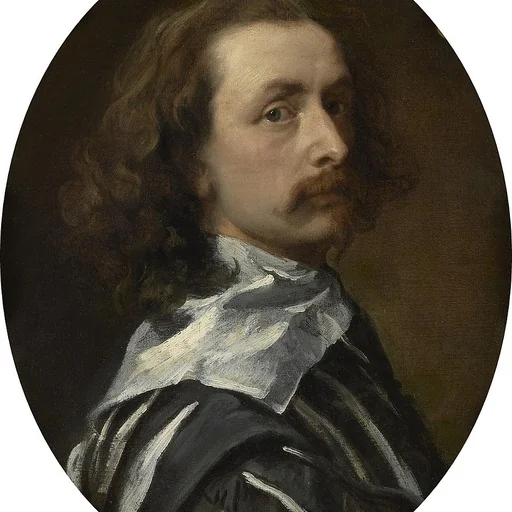
Sir Anthony van Dyck (; Dutch: Antoon van Dijck ; 22 March 1599 – 9 December 1641) was a Flemish Baroque artist, who became the leading court painter in England after success in the Spanish Netherlands and Italy.