Art Museum
Pushkin Museum of Fine Arts

Image: Wikimedia Commons.
Pushkin Museum of Fine Arts is an art museum in Khamovniki District, Russia. 6 works from its collection are in this catalog, including Rembrandt and Anthony van Dyck.
About Pushkin Museum of Fine Arts
Overview & Identity
The Pushkin State Museum of Fine Arts (Russian: ГМИИ) is a leading Russian institution dedicated to foreign art, located in the Khamovniki District of Moscow. Despite its name, the museum has no direct association with the Russian poet Alexander Pushkin; it was named in his honor. The museum's collection currently includes around 700,000 works spanning from ancient Egyptian artifacts to 20th-century European and American art. It serves as a major center for the study and display of Western European art, ancient antiquities, and numismatics.
Founding & History
The museum was founded by Ivan Vladimirovich Tsvetaev (1847-1913), a professor at Moscow University, who envisioned an art museum for the general public and educational promotion. The project began in 1896 with a competition for the building design. The Committee for the Establishment of the Alexander III Museum of Fine Arts was formed in 1898 to oversee the project, initially chaired by Grand Duke Sergei Alexandrovich. The museum officially opened in 1912, having been named the Alexander III Museum of Fine Arts at its inception before later being renamed in honor of Alexander Pushkin.
Architecture & Building
The museum building was designed by the young but already well-known Moscow architect Roman Ivanovich Klein (1858-1929), who was selected from a competition of nineteen architects. The structure was erected according to the latest building technology and museum design requirements of the time, appearing externally as a Classical temple on a high podium with an Ionic colonnade along its façade. The interior decoration was designed to incorporate elements of various historical periods to match the items on display, avoiding the eclectic styles popular at the time.
Collection Highlights & Notable Holdings
The museum's holdings include around 700,000 items, with a significant focus on ancient and Western European art. The earliest monuments include genuine artifacts of Southwest Asia and Ancient Egypt, largely based on the collection of Vladimir Golenishchev, with many objects in Hall No. 1 having been on display since the 1912 opening. The collection also features over 600 pieces of Western European sculpture from the 6th to 21st centuries and approximately 2,000 items of European decorative art. The museum is also renowned for its unique and consistent collection of casts and copies of classical sculpture, a feature typical of 19th-century European museums but now unique in its preservation.
Significance & Legacy
The Pushkin Museum holds significant historical importance as the first institution of its kind in Russia designed to introduce students and the public to the history of art from ancient civilizations up to the 16th century through an integrated academic program. The museum's initial collection was heavily supported by the industrialist Yuri Stepanovich Nechaev-Maltsov, who contributed two million roubles, covering two-thirds of the total cost, and funded the acquisition of white frost-resistant marble for the façade and the first original works of art from Ancient Egypt. The museum's Department of Numismatics, which started at Imperial Moscow University, has grown to include over 200,000 items, including archaeological material from Central Asia.
What to see at Pushkin Museum of Fine Arts
Start with Titus as a Monk by Rembrandt.
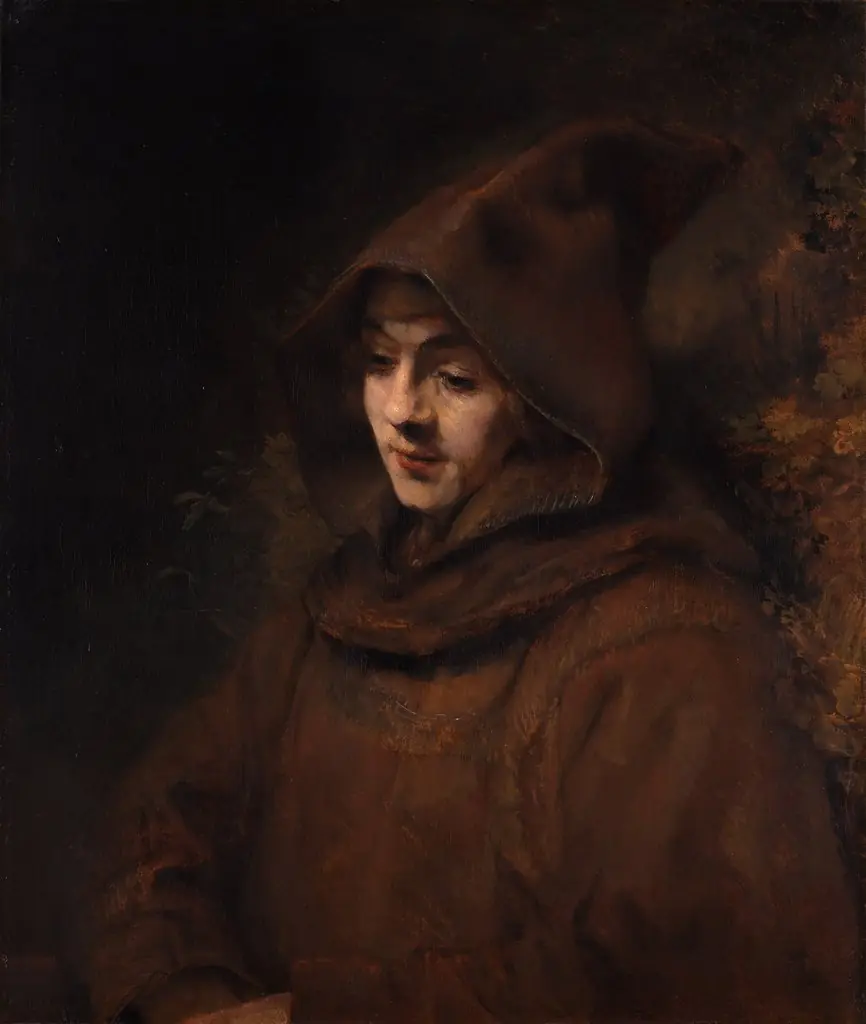
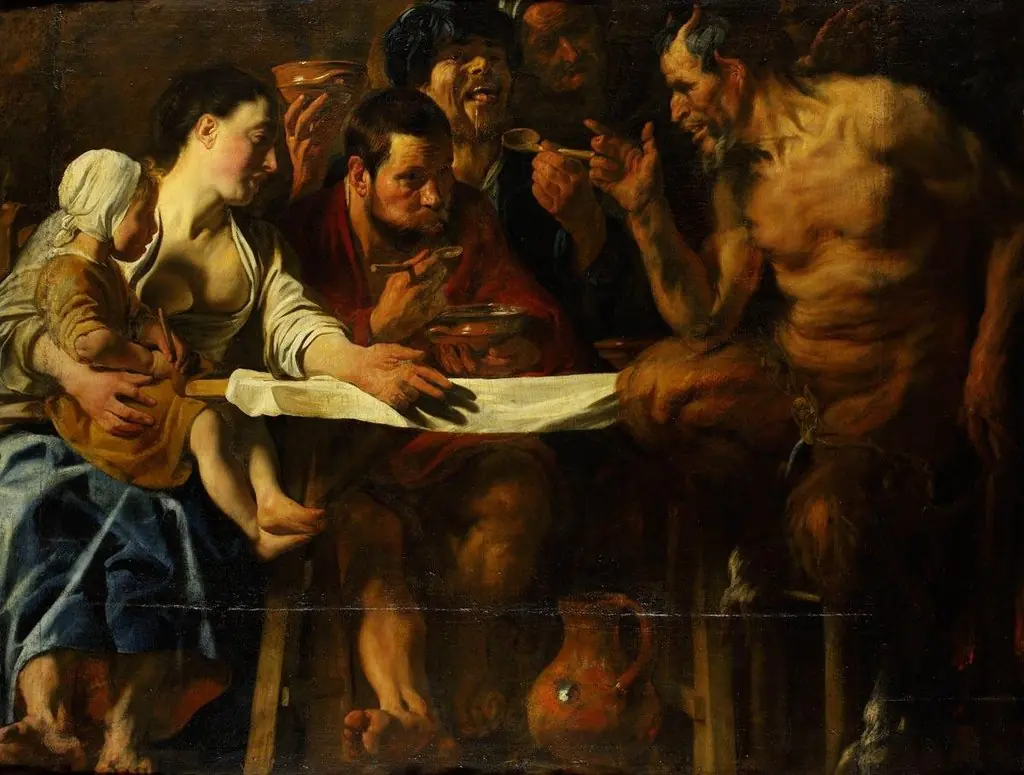
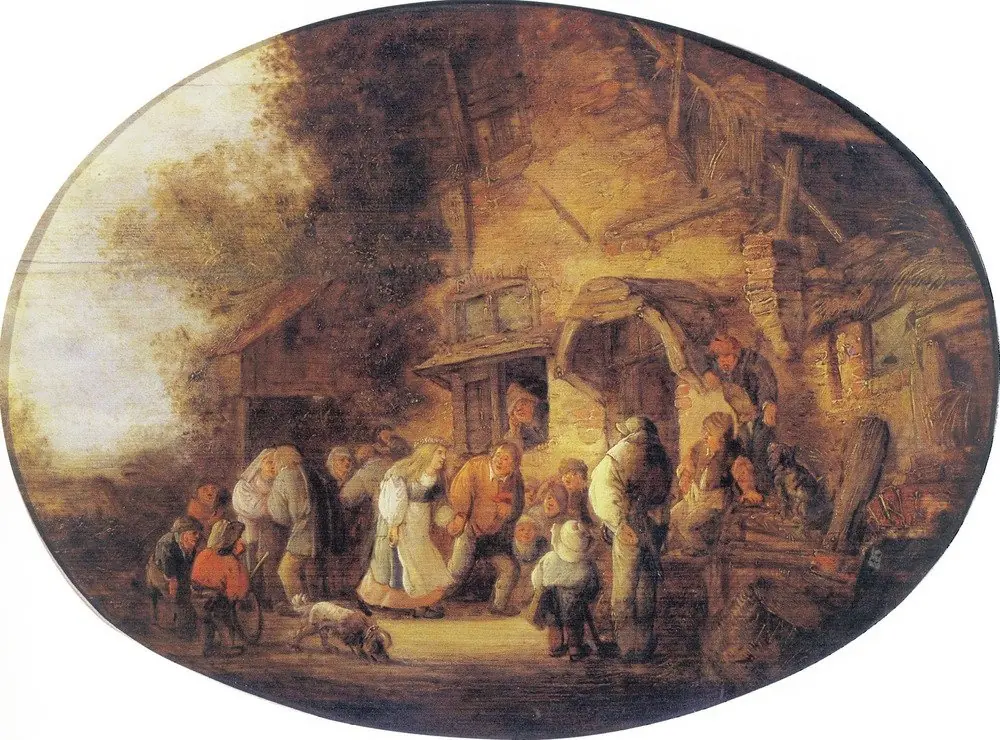
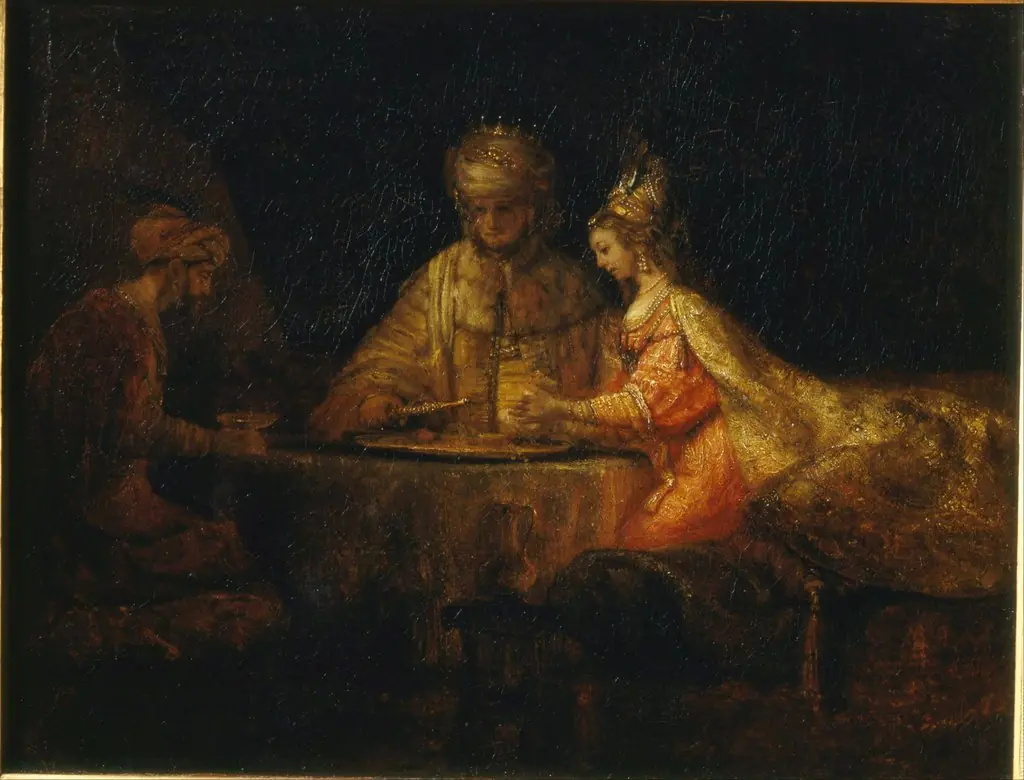
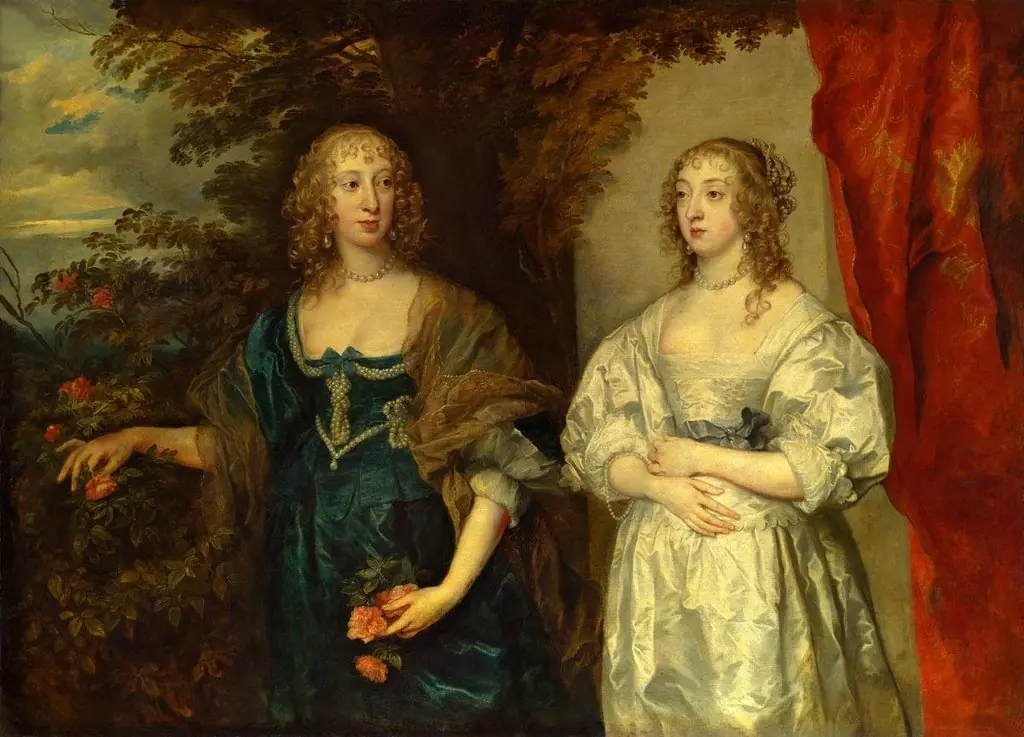

Works from Pushkin Museum of Fine Arts
Plan your visit
Pushkin Museum of Fine Arts
- Website
- pushkinmuseum.art