Artwork
Self-portrait
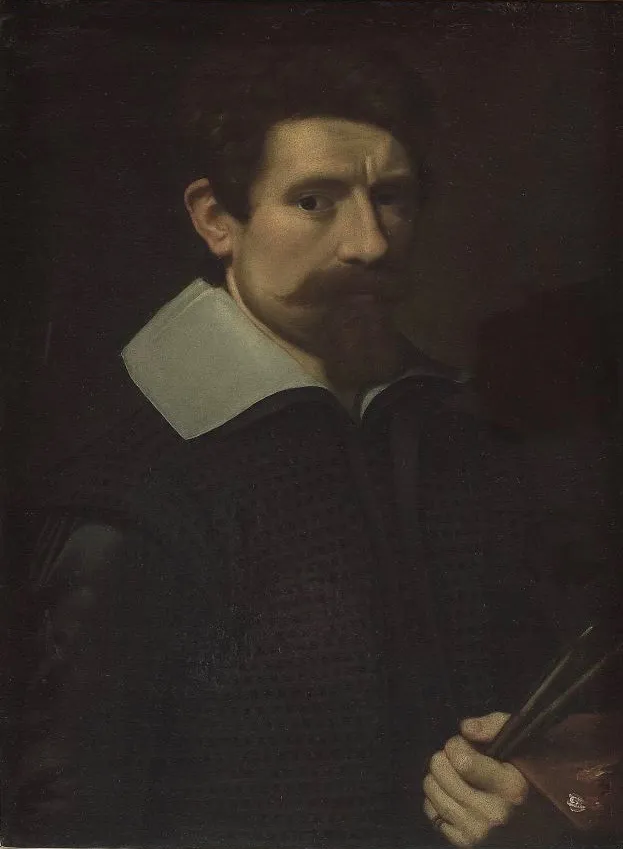
Self-portrait is an oil painting by the Early Baroque Italian artist Adam Elsheimer. It dates from 1606 and is held in the collection of the Uffizi Gallery.
About this work
Overview
Created in 1606, this oil self‑portrait depicts the German artist Adam Elsheimer during his Roman period. Executed on a modestly sized support, the work is part of the limited corpus of paintings he produced, most of which were rendered on copper. The piece is now part of the Uffizi Gallery’s collection in Florence.
Subject & Meaning
The canvas presents Elsheimer himself, rendered with a mustache, white‑collared shirt and dark jacket. He holds a palette and brushes in his right hand, a direct reference to his vocation. His gaze turns to the right, inviting the viewer into the studio space and emphasizing the artist’s identity as a working painter.
Technique & Style
Elsheimer employs a restrained chiaroscuro, using a dark background to isolate the illuminated face and clothing. The oil medium allows subtle gradations of light, giving volume to the figure and a tactile sense to the fabrics. The handling reflects early Baroque sensibilities, combining precise detail with atmospheric depth.
History & Provenance
After its creation in Rome, the portrait entered various private collections before being acquired by the Uffizi Gallery, where it remains on display. Though Elsheimer’s output was modest, his approach to light and landscape influenced contemporaries and later masters such as Rembrandt and Peter Paul Rubens.
Artist & collection
Artist
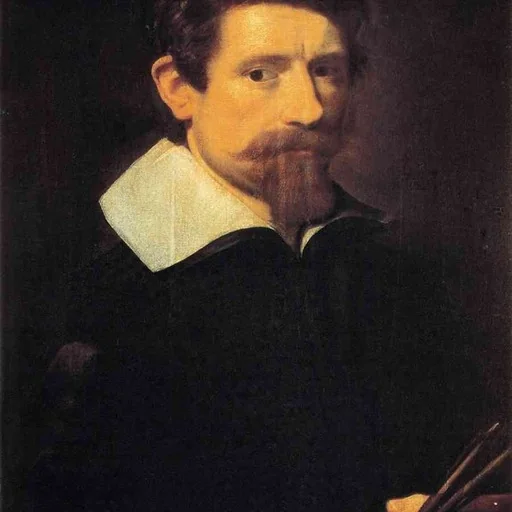
Adam Elsheimer (18 March 1578 – 11 December 1610) was a German Baroque painter who worked in Rome.

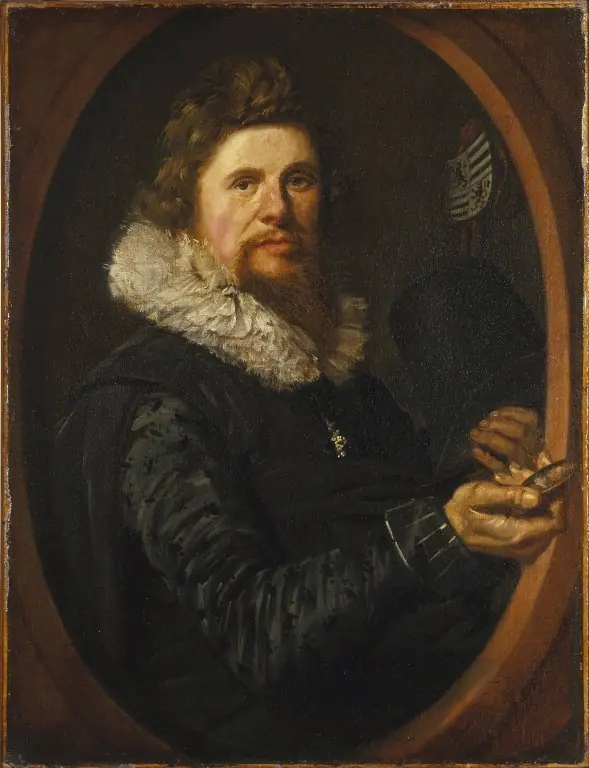 Portrait of a man
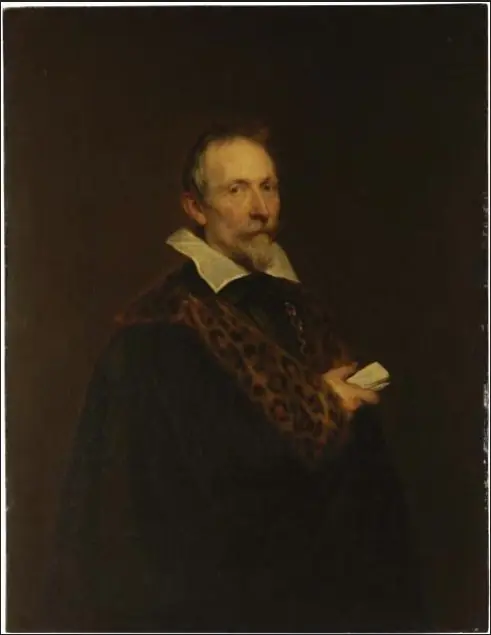 Portrait of Jan van den Wouwer
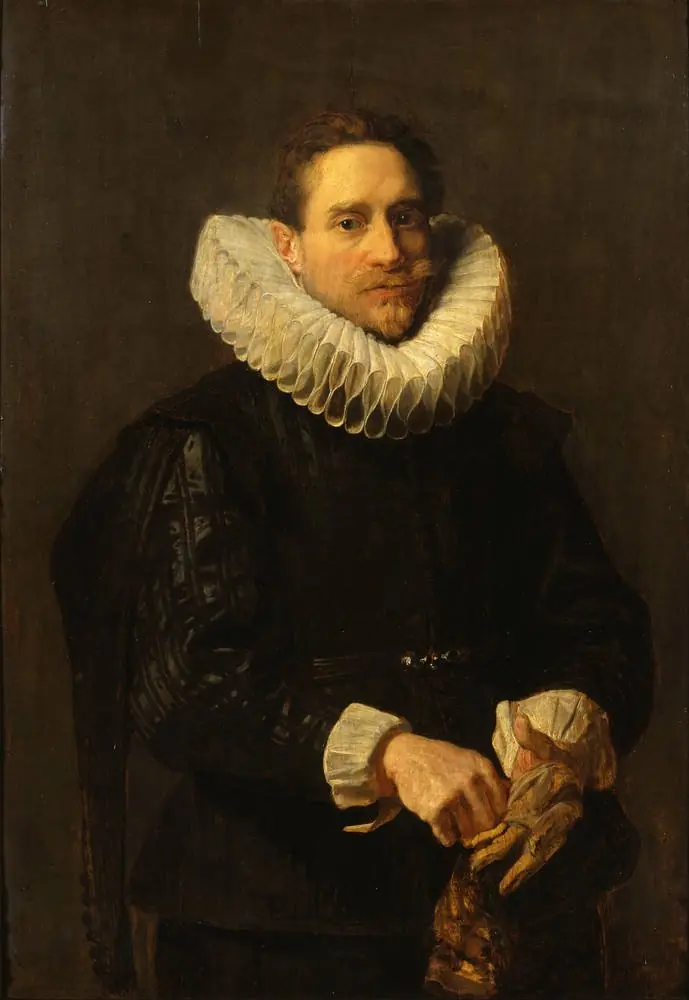 Portrait of a Man
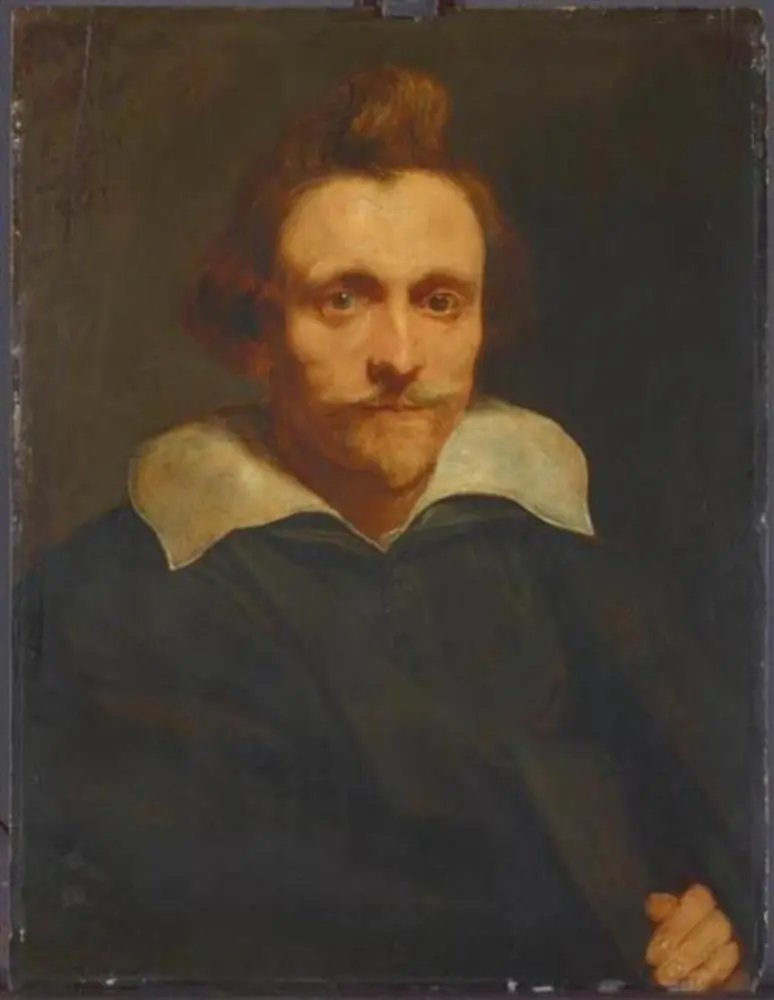 Portrait of a Young Man
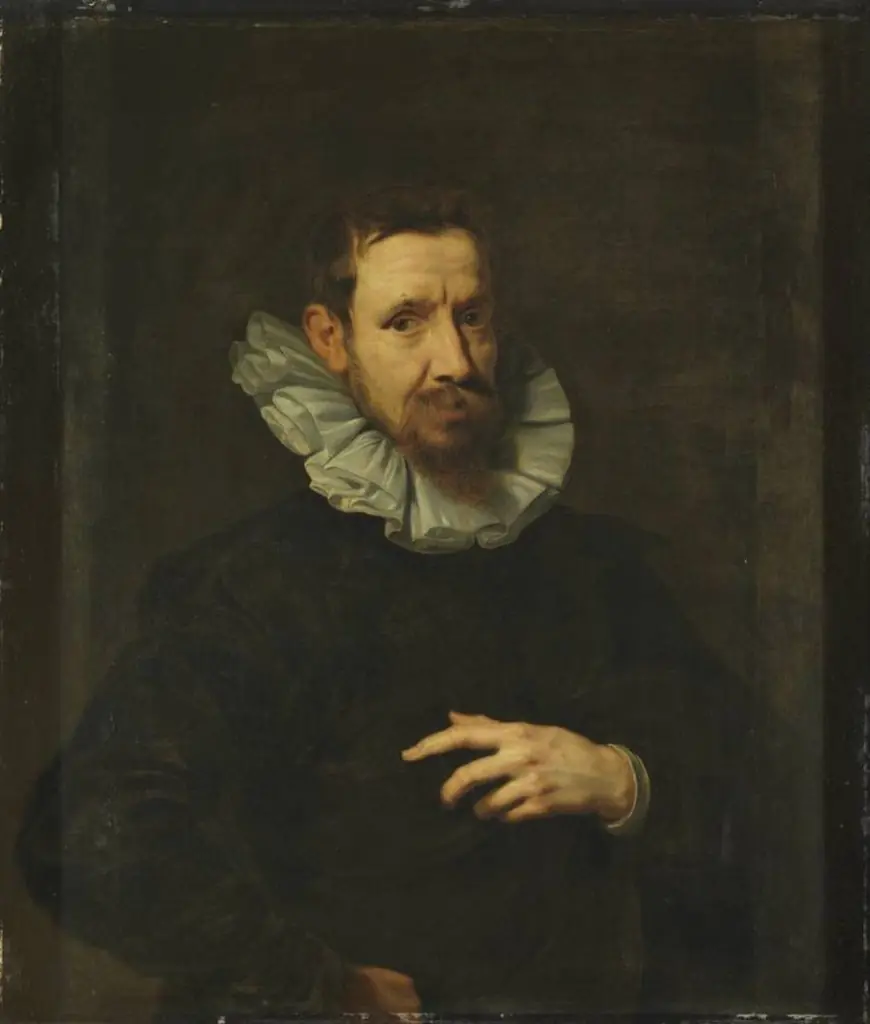 Portrait of the painter Jan Brueghel
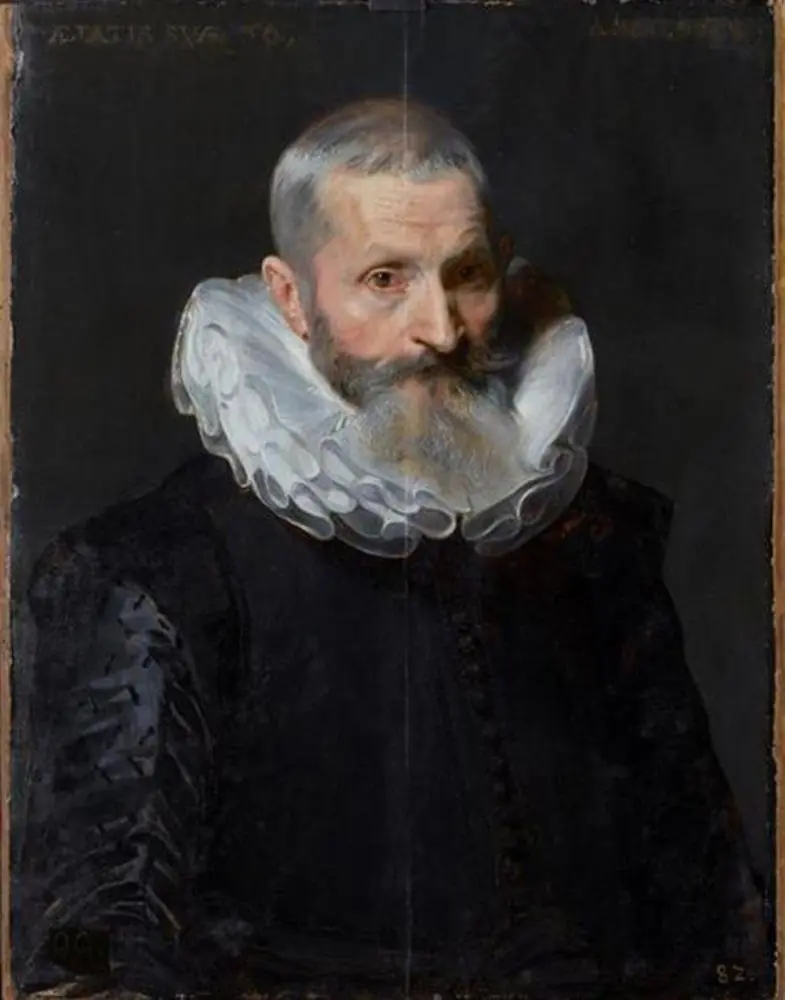 Portrait of a 60-year-old Man
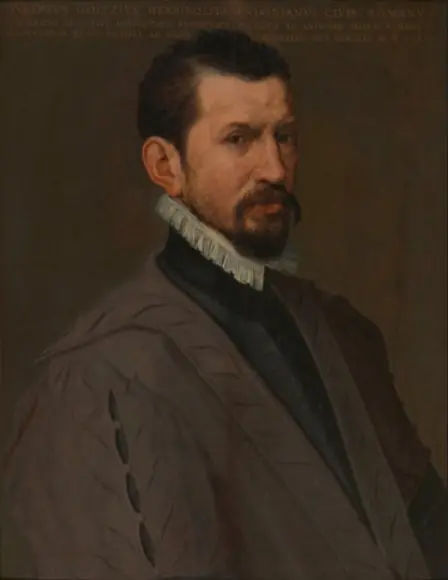 Portrait of Hubert Goltzius
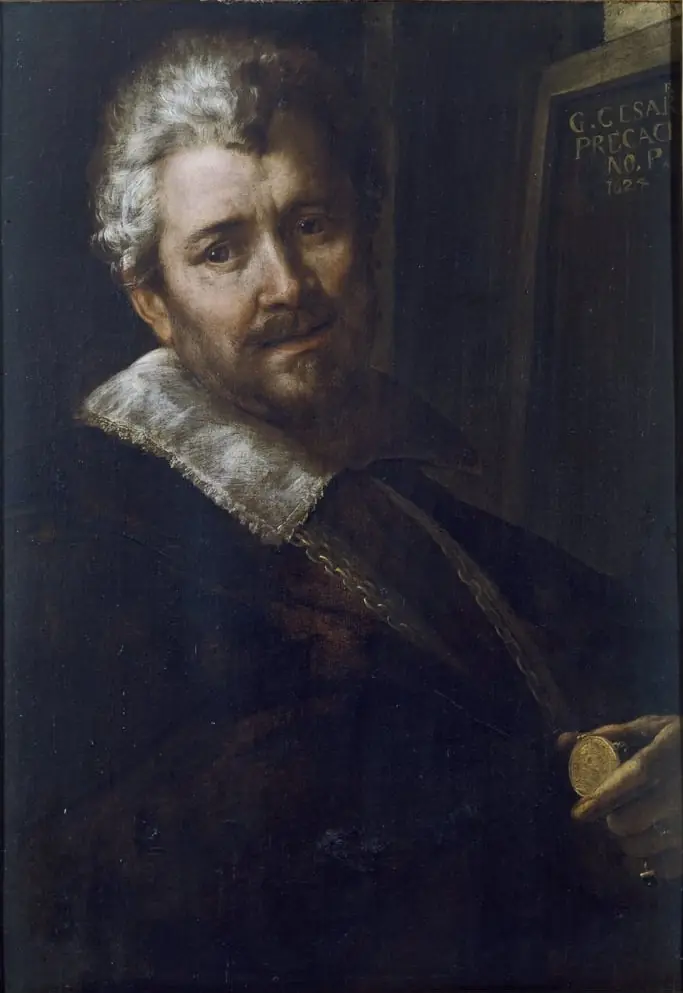 Self-portrait of Giulio Cesare Procaccini
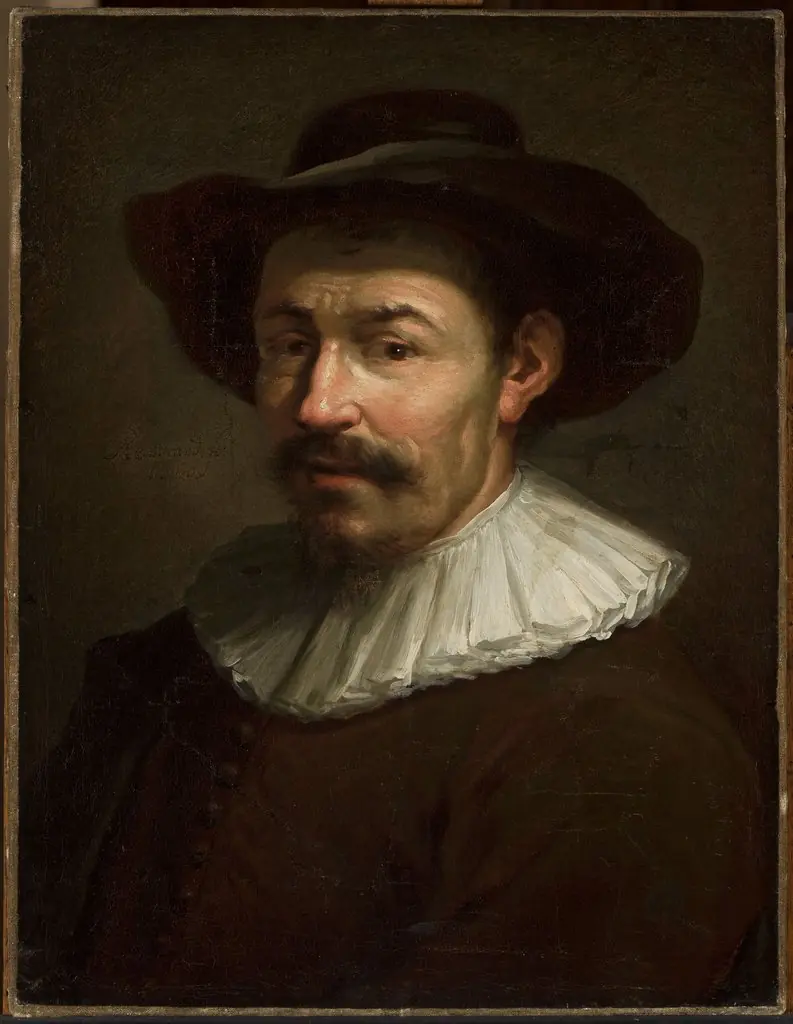 Portrait of a man in a white frill
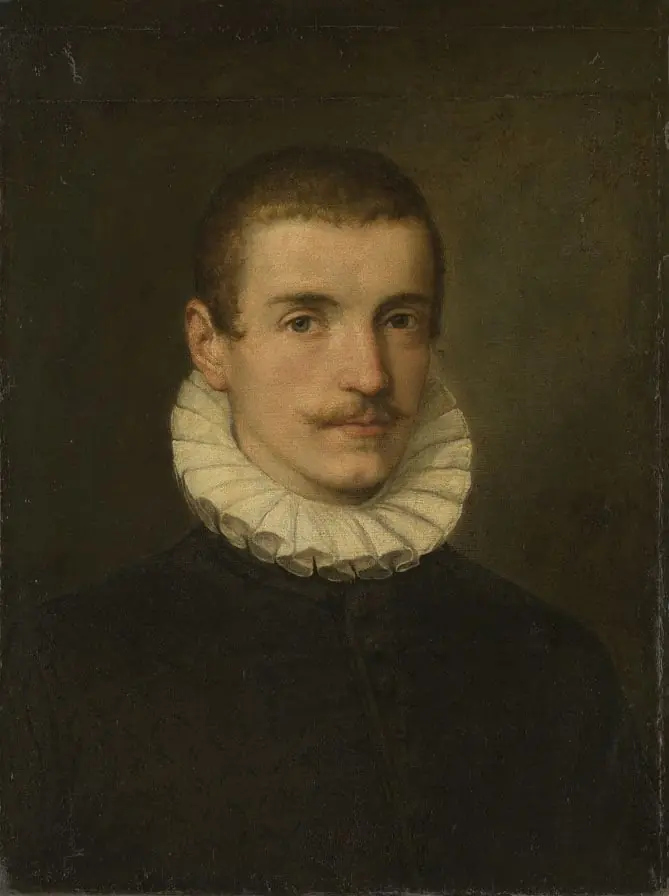 Portrait of a Young Man
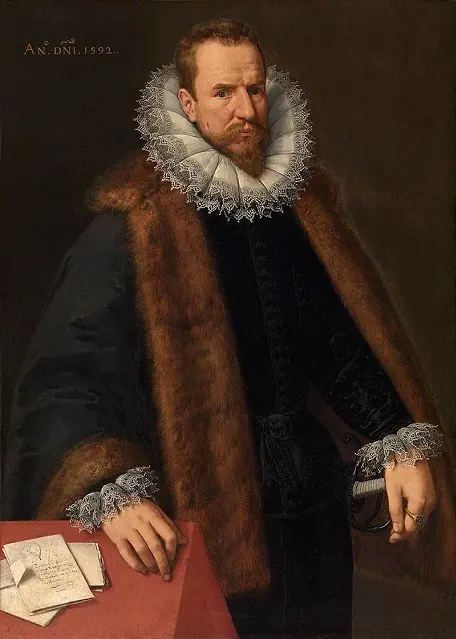 Portrait of Nicolas de Hellincx, counselor of the king
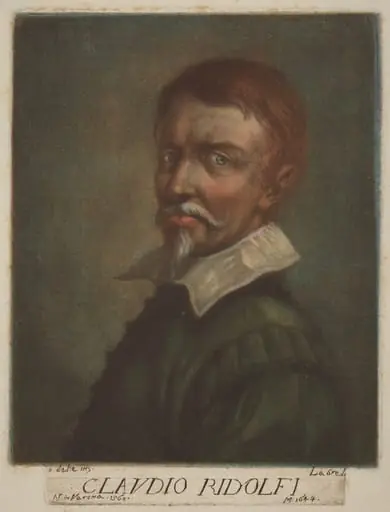 Claudio Ridolfi