Artwork
Portrait of the mother of the artist Justus Sustermans
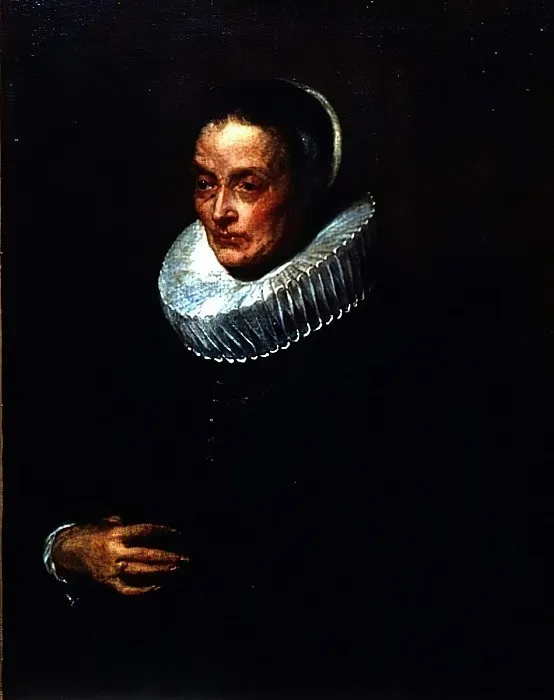
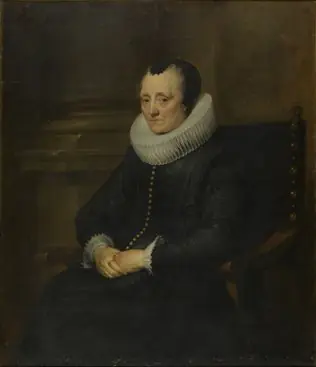
Portrait of the mother of the artist Justus Sustermans is an oil painting by the Flemish Baroque painting artist Anthony van Dyck. It dates from 1640 and is held in the collection of the Uffizi Gallery.
About this work
Overview
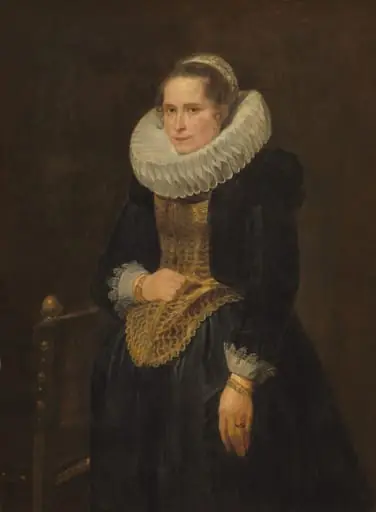
Painted in 1640 by Anthony van Dyck, this oil portrait depicts the mother of fellow artist Justus Sustermans. Though the sitter’s identity remains unconfirmed, the work belongs to van Dyck’s later period, following his move to England. Executed with refined precision, it reflects his established reputation as a portraitist favored by aristocratic and intellectual circles across Europe.
Subject & Meaning
The subject is portrayed with quiet dignity, dressed in somber garments befitting a woman of modest means. Her clasped hands and restrained expression suggest contemplation or piety, common traits in portraits of matronly figures of the time. The absence of overt symbols or heraldry implies an intimate, personal commission rather than a public statement of status.
Technique & Style
Van Dyck employs chiaroscuro to model the woman’s face and lace ruff with subtle gradations of light, enhancing three-dimensionality.
Van Dyck employs chiaroscuro to model the woman’s face and lace ruff with subtle gradations of light, enhancing three-dimensionality. The dark background isolates her form, directing focus to the texture of fabric and the softness of skin. Brushwork is precise yet fluid, particularly in the rendering of the hood’s folds and the delicate edges of the collar, revealing his mastery of optical realism.
History & Provenance
The painting entered the Medici collection in the mid-17th century and has remained in Florence since, now held by the Uffizi Gallery. Its presence there suggests it was acquired during van Dyck’s influence on Italian collectors or through diplomatic channels. No early documentation confirms the sitter’s name, leaving her identity a quiet mystery.
Context
Created during van Dyck’s tenure as court painter to Charles I, this portrait reflects his continued engagement with Flemish traditions even while working in England. Unlike his grand aristocratic commissions, this work reveals a quieter, more introspective mode—perhaps influenced by his personal connections to fellow artists and their families in the Low Countries.
Legacy
Though less celebrated than van Dyck’s royal portraits, this piece exemplifies his ability to convey psychological depth in unassuming subjects. It stands as a testament to his versatility and the enduring value placed on intimate portraiture within Baroque artistic circles, influencing later generations of painters seeking emotional nuance over grandeur.
Artist & collection
Artist
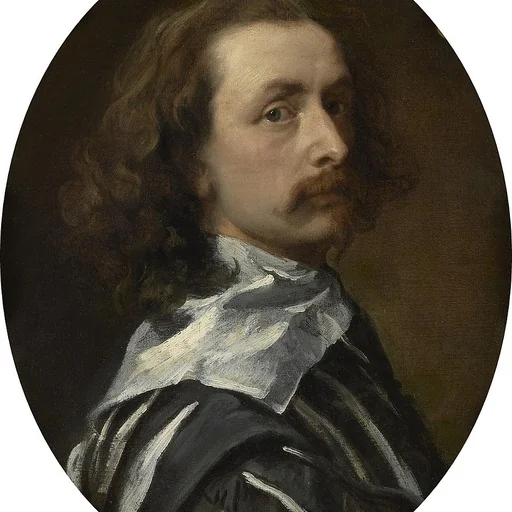
Sir Anthony van Dyck (; Dutch: Antoon van Dijck ; 22 March 1599 – 9 December 1641) was a Flemish Baroque artist, who became the leading court painter in England after success in the Spanish Netherlands and Italy.

 Adriana van Ijlen
 Portrait of an Old Woman
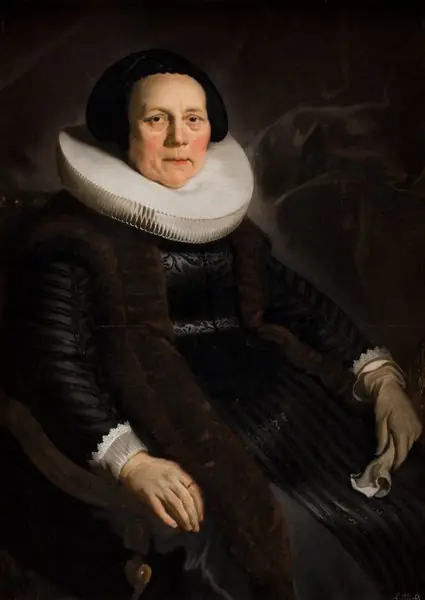 Portrait of a Woman
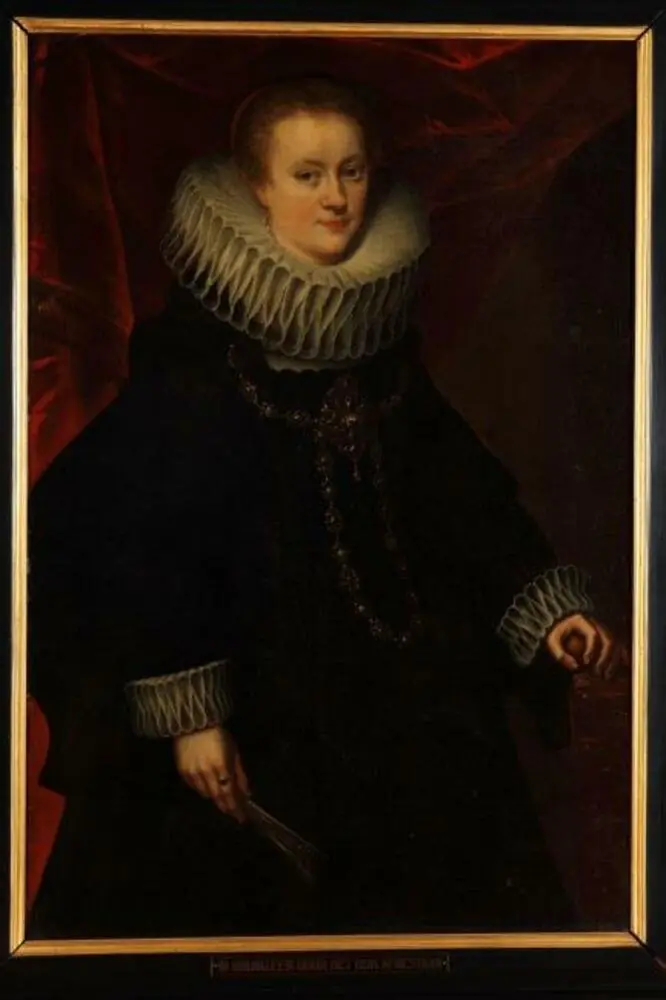 Portrait of a woman
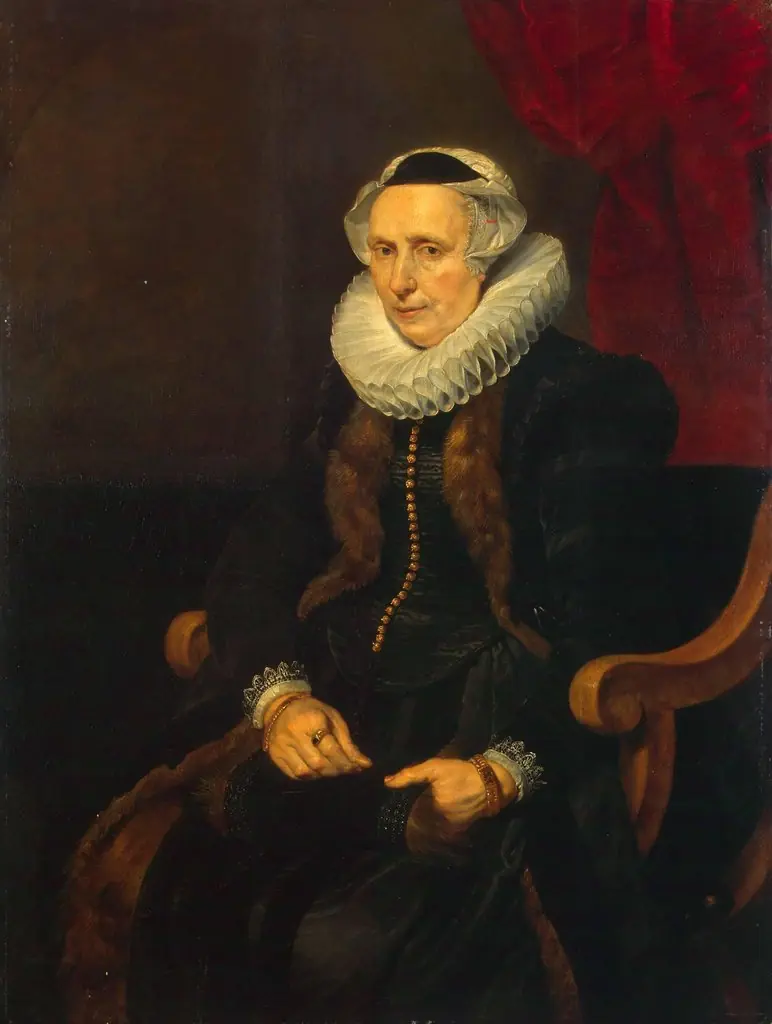 Portrait of an Old Lady Sitting in an Arm-Chair
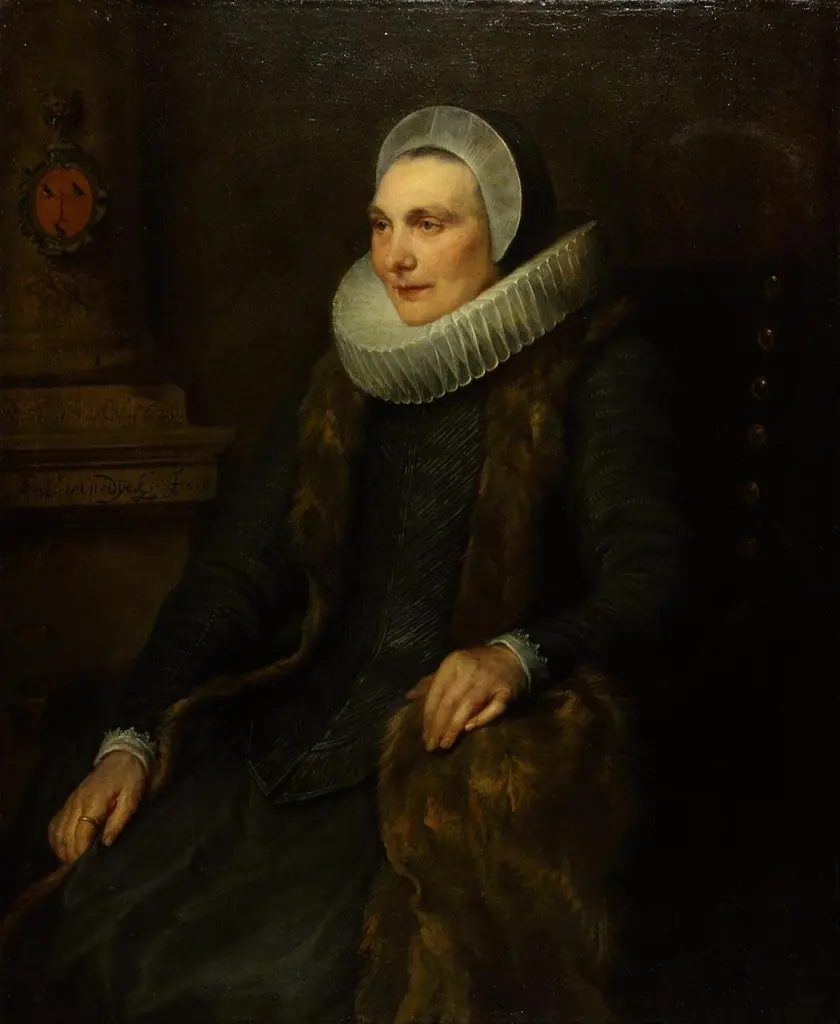 Portrait of Maria Bosschaert, wife of Adriaen Stevens
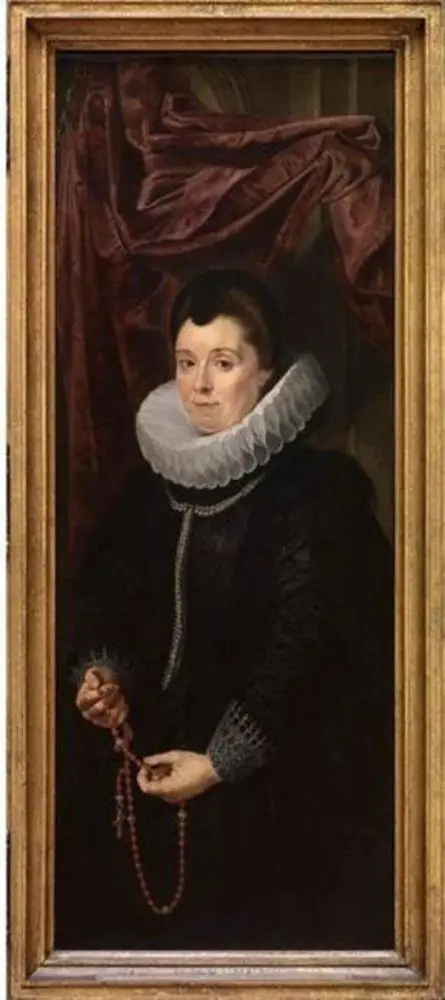 Portrait of Adriana Perez
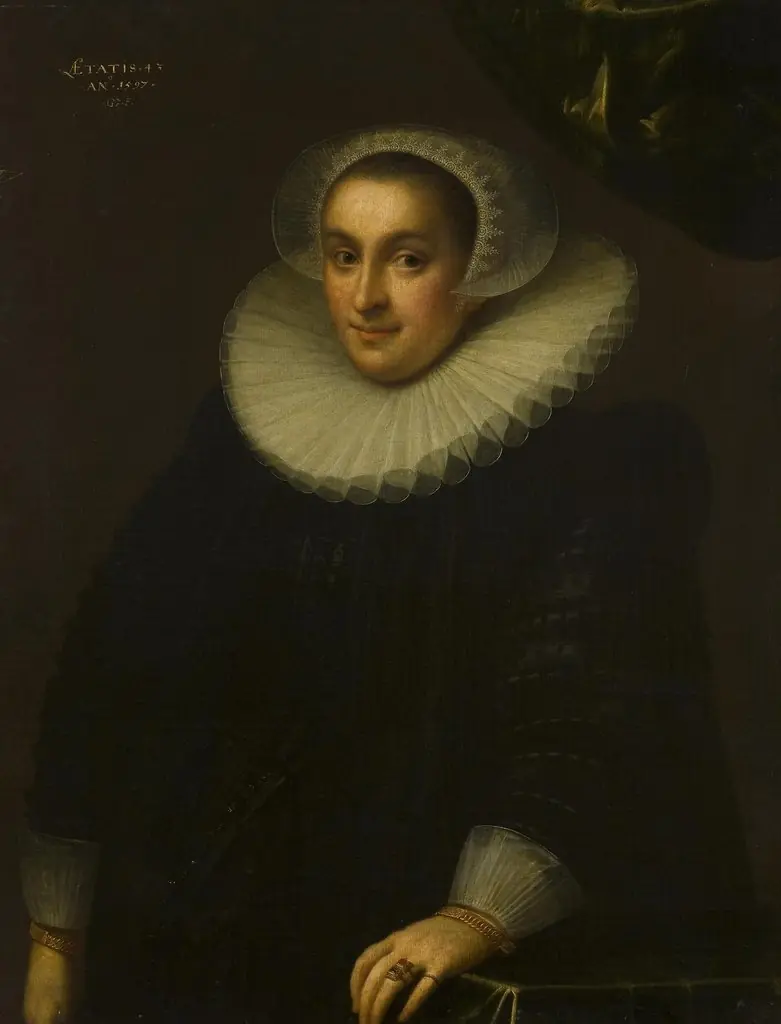 Portrait of Cornelia Bot, wife of Gottfried Houtappel
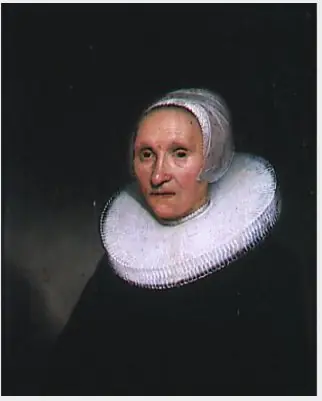 Portrait of a Lady Aged 55
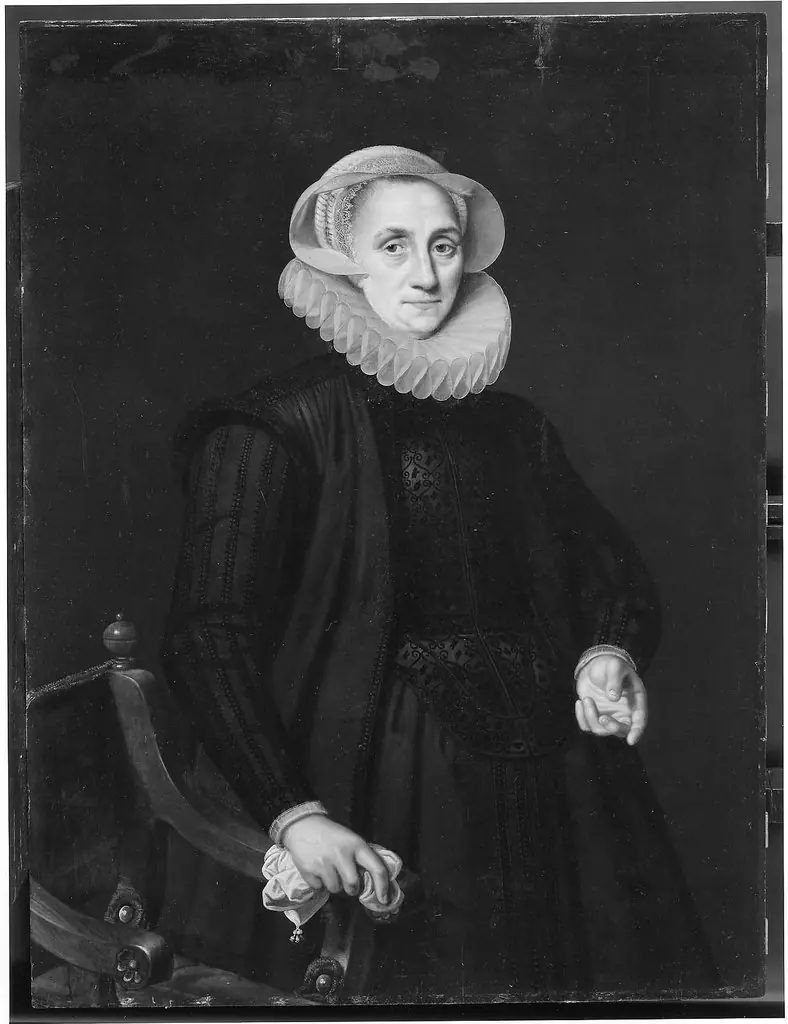 Portrait of a Woman Standing beside a Chair
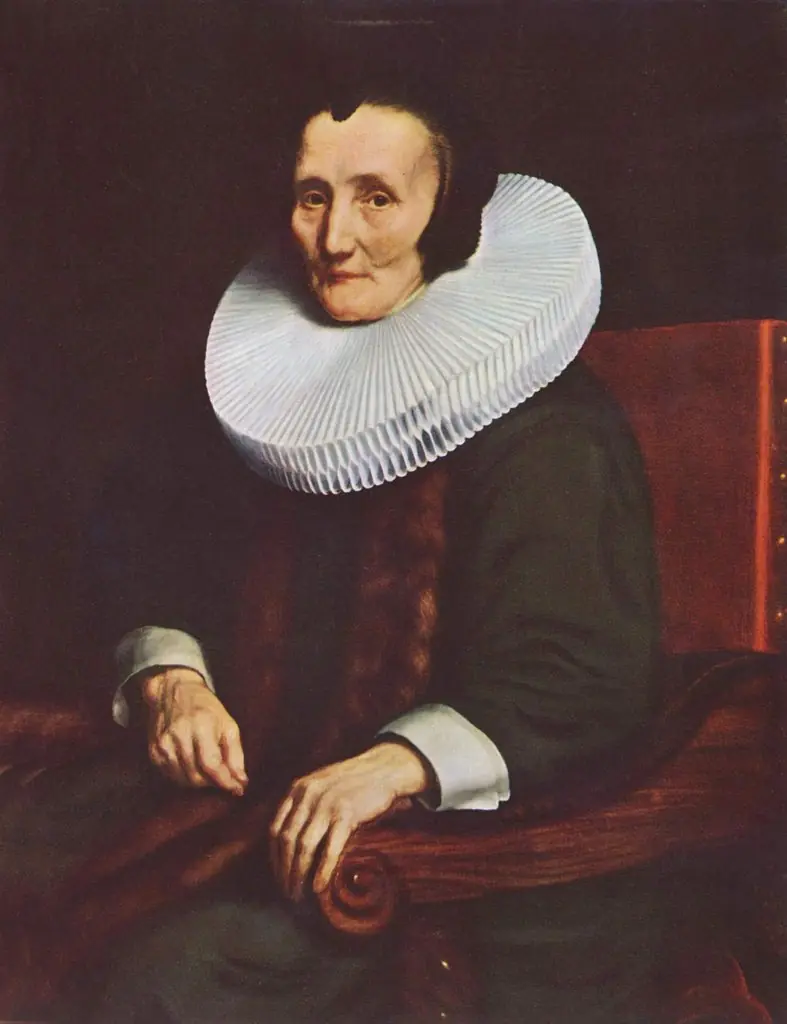 Portrait of Margaretha de Geer, Wife of Jacob Trip
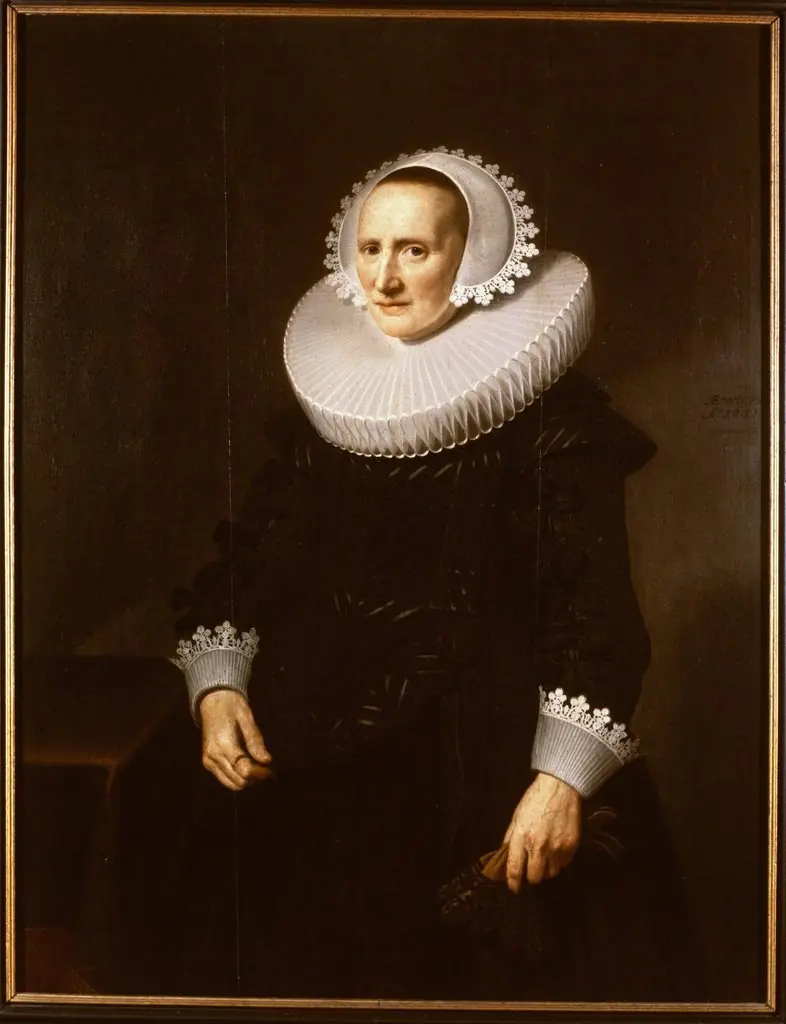 Portrait of Catharina Wielant (1572-1633)