Artwork
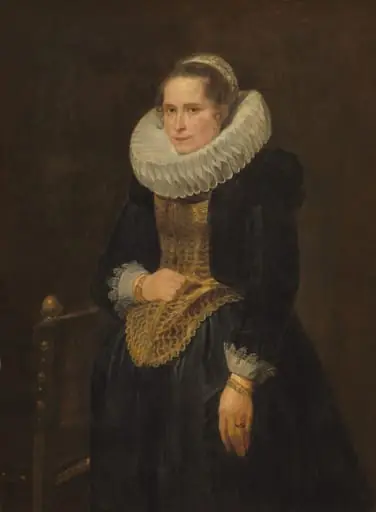
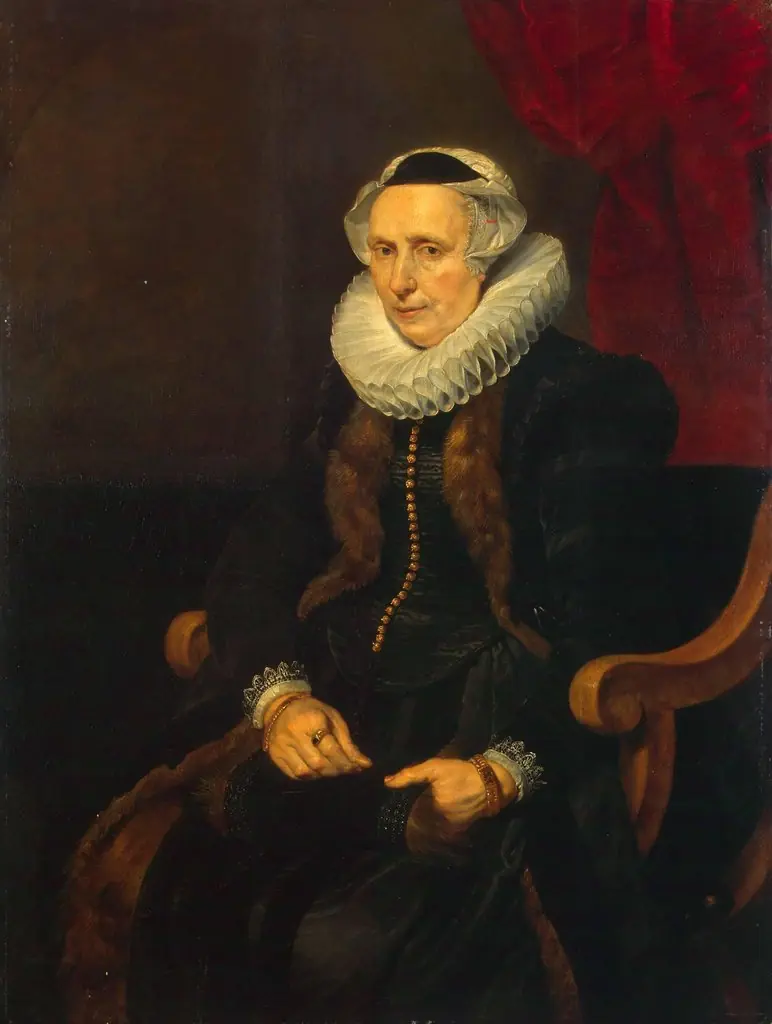
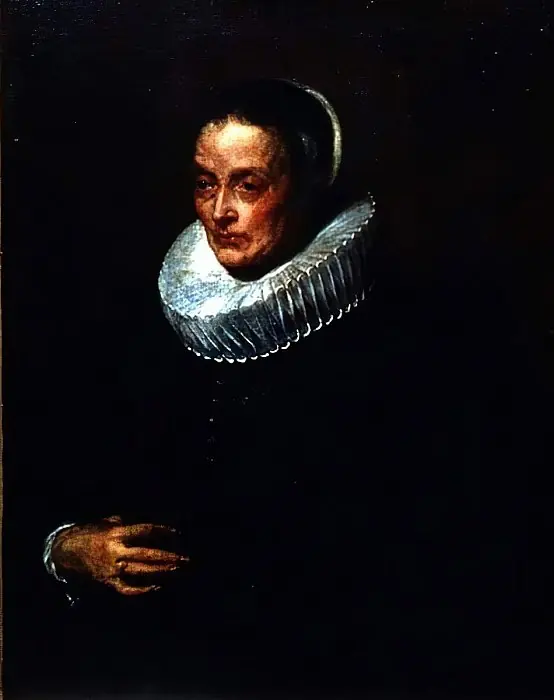
Portrait of Maria Bosschaert, wife of Adriaen Stevens
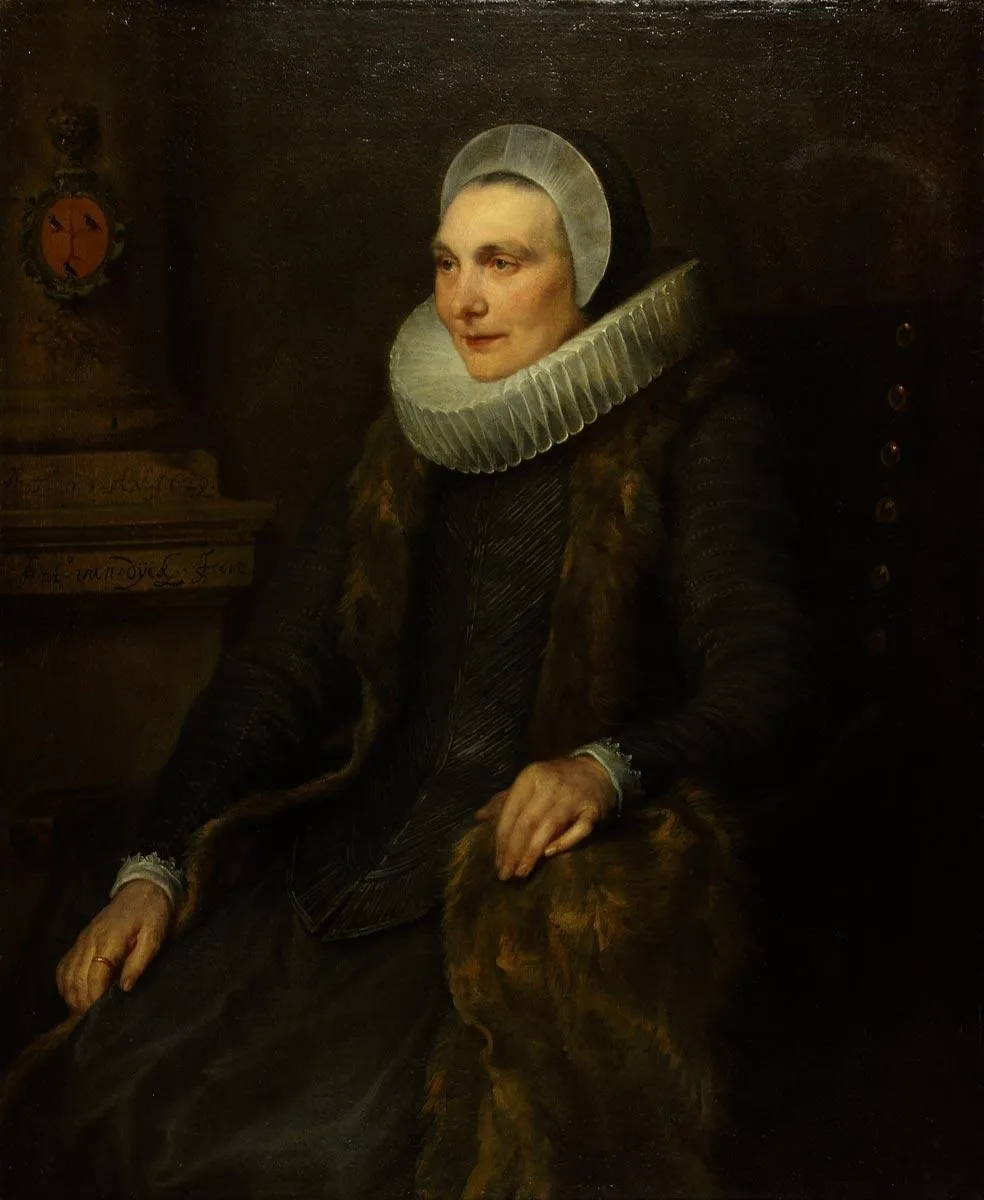
Portrait of Maria Bosschaert, wife of Adriaen Stevens is an oil painting by the Flemish Baroque painting artist Anthony van Dyck. It dates from 1629 and is held in the collection of the Pushkin Museum of Fine Arts.
About this work
Overview
Anthony van Dyck painted the portrait of Maria Bosschaert, the spouse of merchant Adriaen Stevens, in 1629. Executed in oil on canvas, the work now belongs to the collection of the State Hermitage Museum in St. Petersburg. It presents a seated woman in a dimly lit interior, rendered with the compositional balance characteristic of early Baroque portraiture.
Subject & Meaning
Maria Bosschaert is shown seated before a stone wall bearing a carved coat of arms, a visual cue to her social standing. She wears a black gown trimmed with fur, a white ruff, and a modestly positioned hand resting on her lap, conveying both modesty and the dignity expected of a woman of her class in the early seventeenth century.
Technique & Style
Van Dyck employs a restrained palette of deep blacks and muted whites, allowing the subtle gradations of light to model the figure’s form. The chiaroscuro effect, achieved through careful handling of oil paint, creates a three‑dimensional presence against the dark background. The brushwork is smooth and precise, reflecting the Flemish Baroque emphasis on realism and elegant surface treatment.
History & Provenance
Born in Antwerp in 1599, van Dyck trained under Peter Paul Rubens before establishing his own reputation. The portrait entered the Hermitage’s holdings during the museum’s 18th‑century acquisitions of European art, though the exact path from the original owners to the Russian collection remains undocumented.
Context
Created shortly after van Dyck’s return to the Low Countries, the painting exemplifies the transitional phase between his Rubens‑influenced apprenticeship and his later court portraiture in England. It reflects the Flemish tradition of depicting affluent patrons within intimate interior settings, a practice that reinforced social identity through visual symbols such as heraldic emblems and luxurious attire.
Artist & collection
Artist
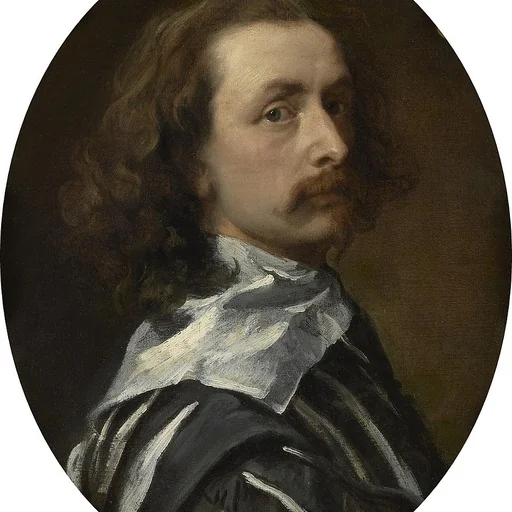
Sir Anthony van Dyck (; Dutch: Antoon van Dijck ; 22 March 1599 – 9 December 1641) was a Flemish Baroque artist, who became the leading court painter in England after success in the Spanish Netherlands and Italy.

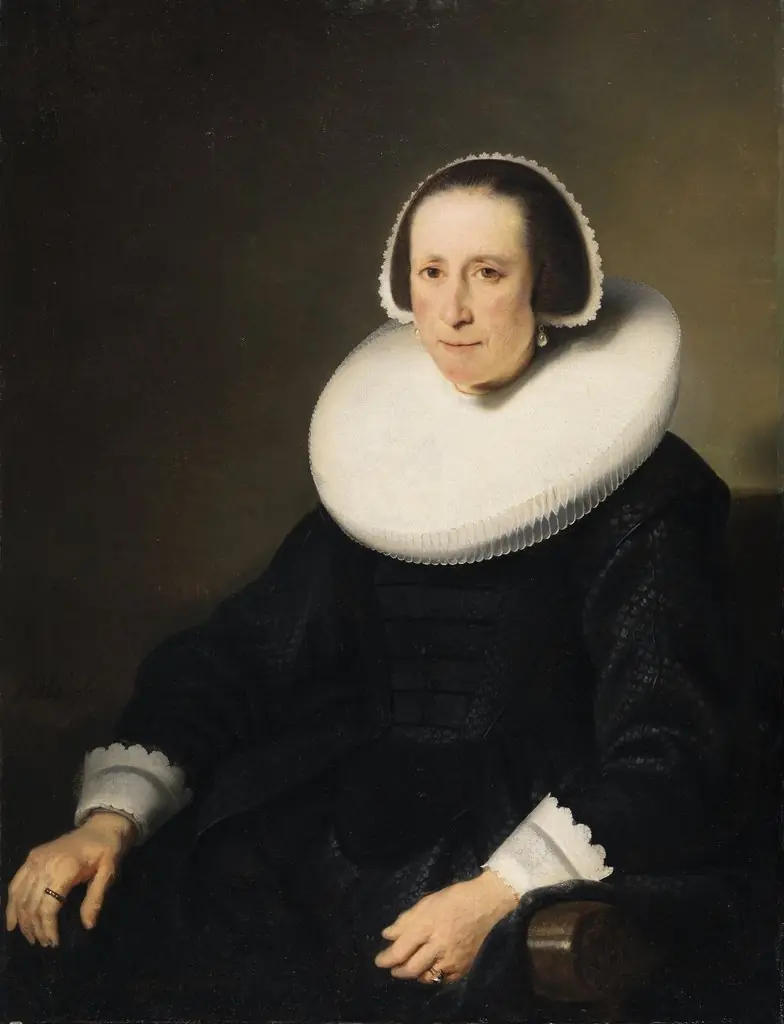 Portrait of a Lady
 Portrait of an Old Lady Sitting in an Arm-Chair
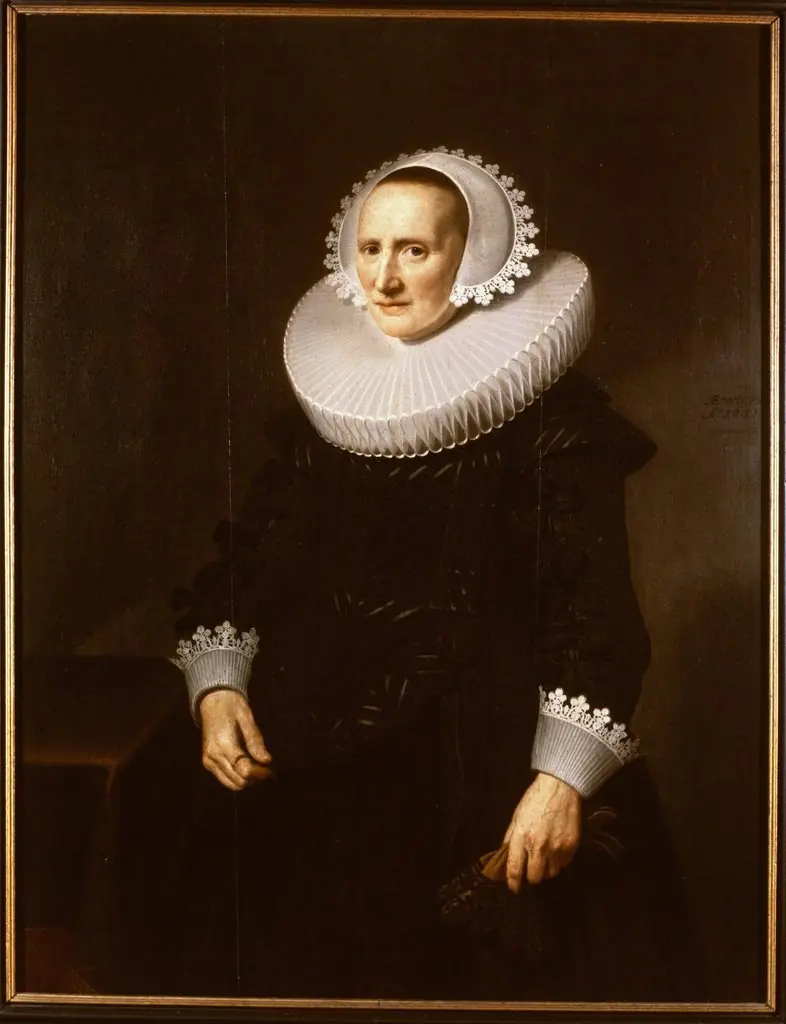 Portrait of Catharina Wielant (1572-1633)
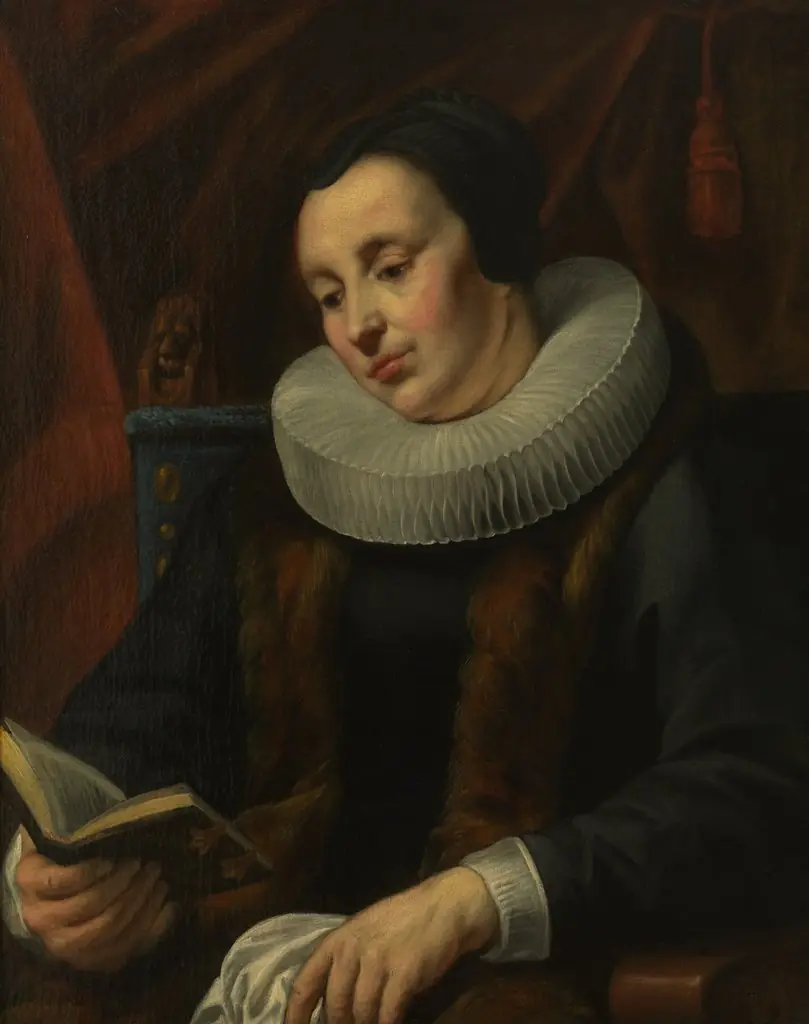 Portrait of a Woman
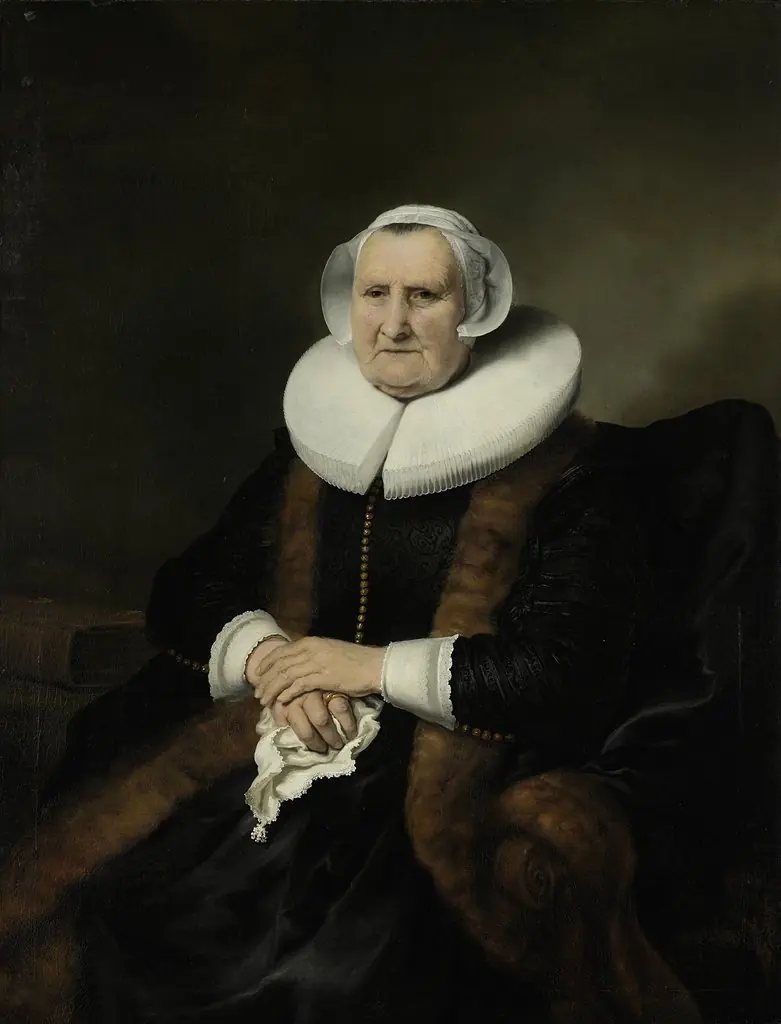 Portrait of an Old Lady, Possibly Elisabeth Bas
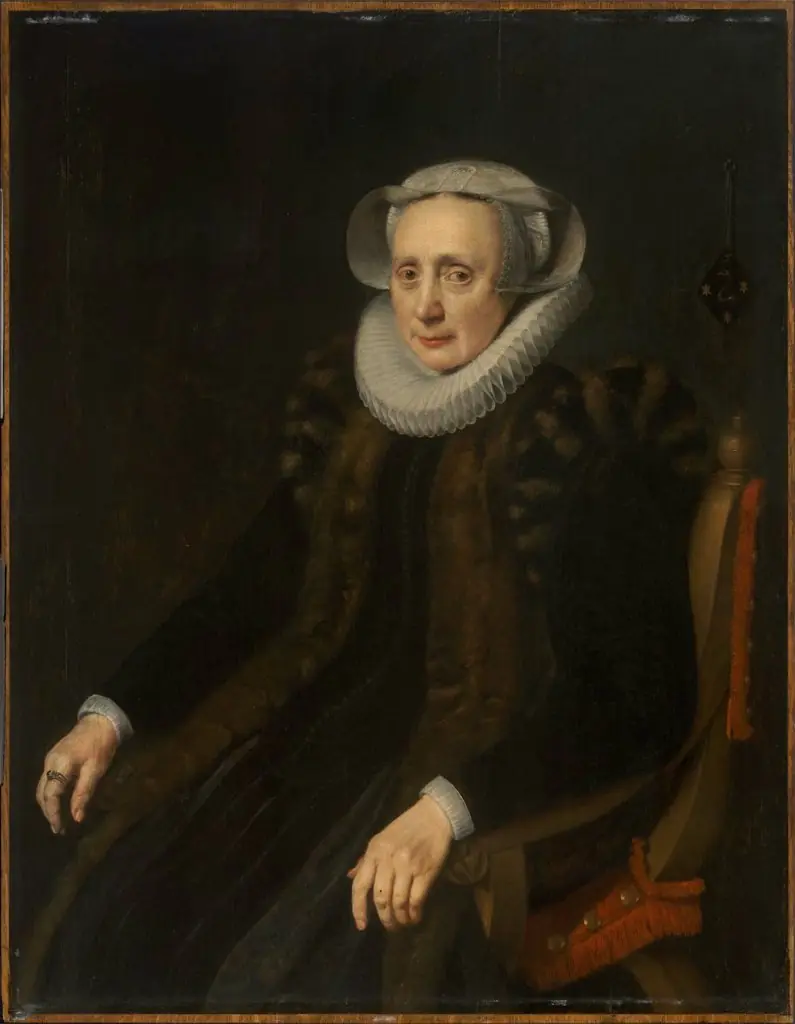 Adriana van Ijlen
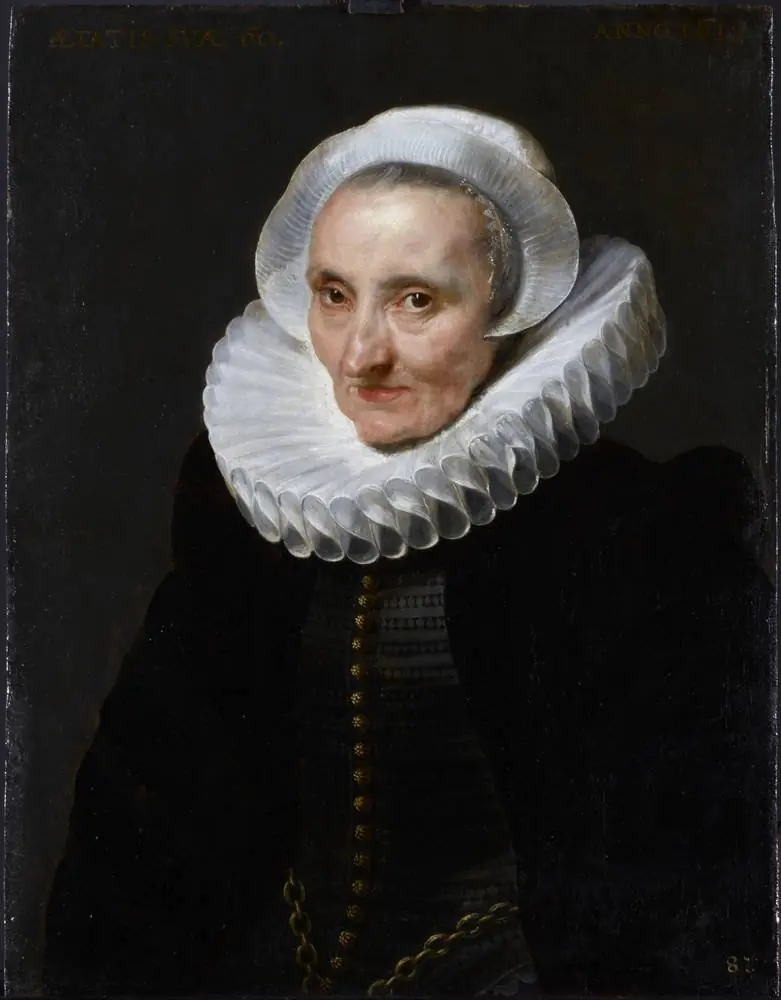 Portrait of a 60-year-old Woman
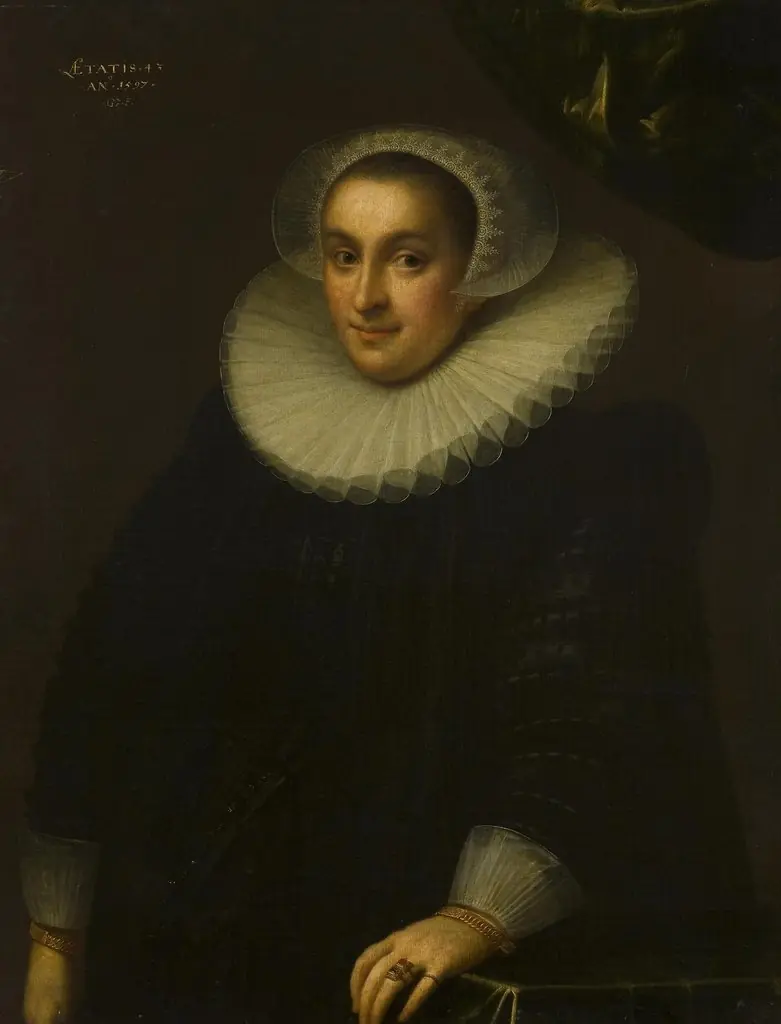 Portrait of Cornelia Bot, wife of Gottfried Houtappel
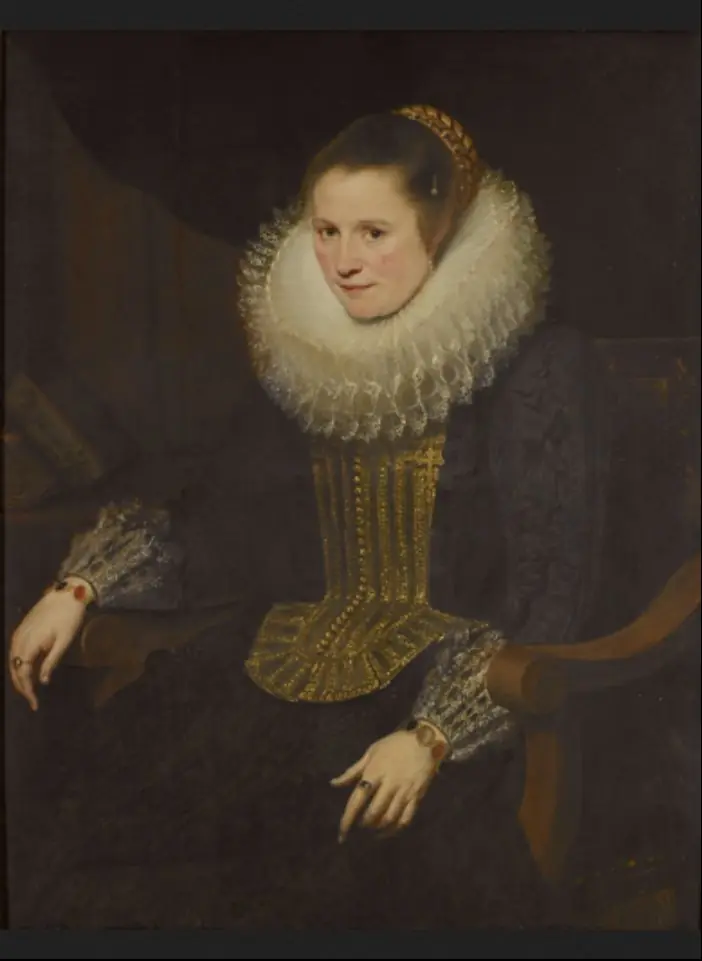 Portrait of Anna Fredericx, wife of Jan Roose
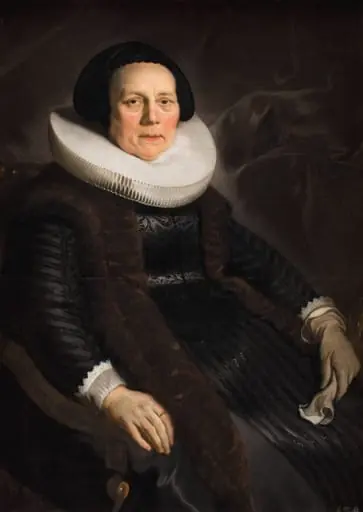 Portrait of a Woman
 Portrait of the mother of the artist Justus Sustermans