Artwork
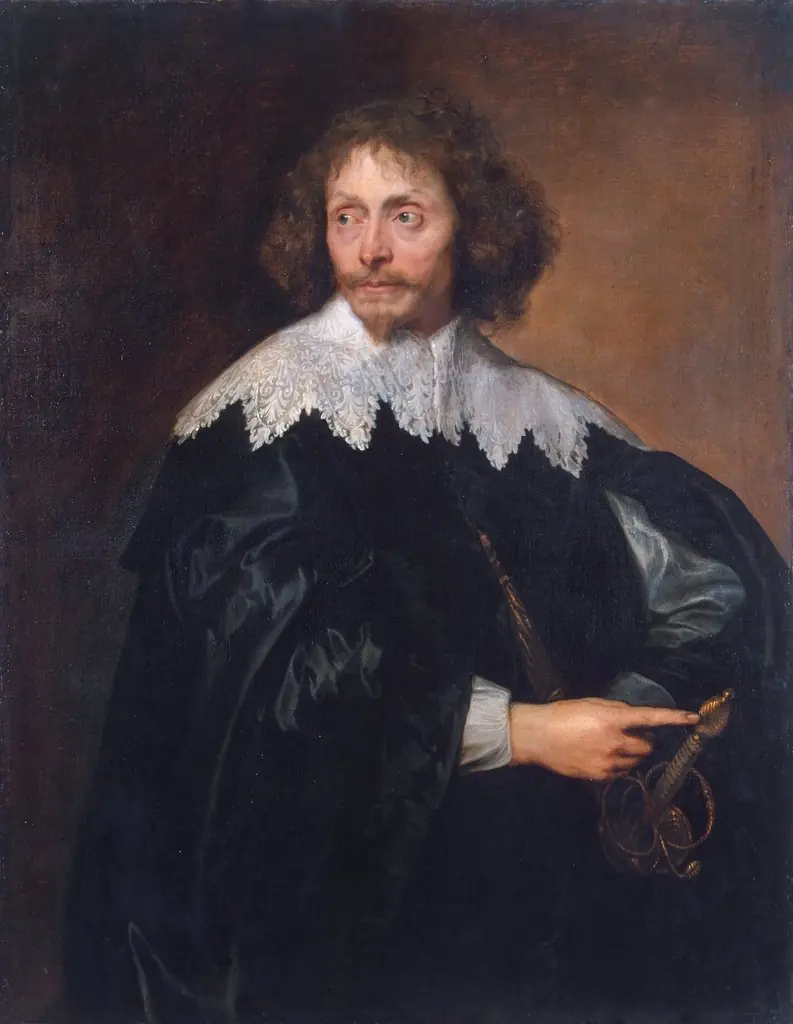
Portrait of Thomas Howard, 21st Earl of Arundel
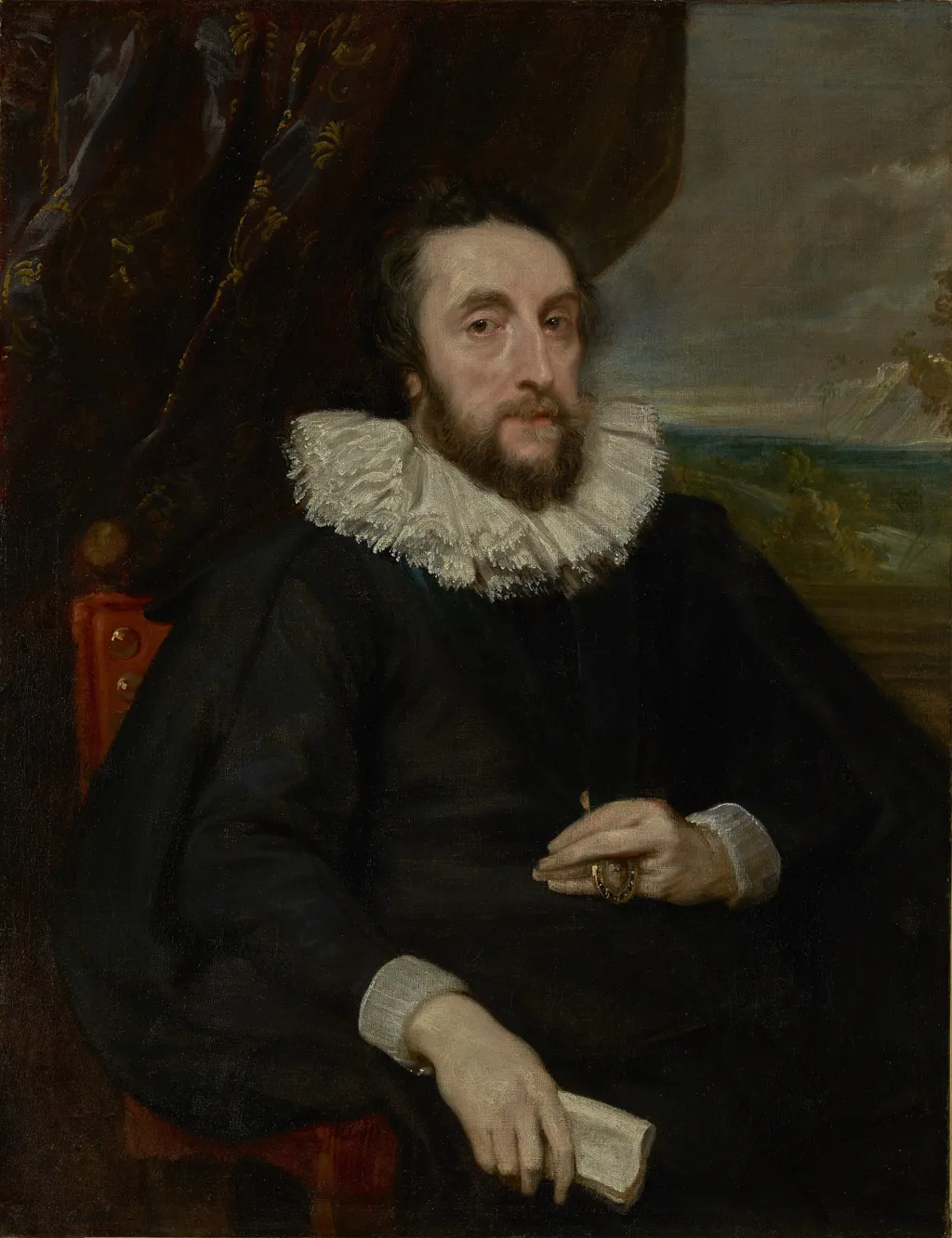
Portrait of Thomas Howard, 21st Earl of Arundel is an oil painting by the Baroque artist Anthony van Dyck. It dates from 1620 and is held in the collection of the J. Paul Getty Museum.
About this work
The use of chiaroscuro, a technique that uses strong contrasts between light and dark, adds depth and volume to the subject.
This portrait depicts a man with dark hair and a beard, wearing a black jacket with a white ruffled collar and cuffs. He sits in a red chair, holding a book in his right hand and resting his left hand on his lap. The background features a dark curtain on the left and a landscape with a body of water on the right.
The man's attire and the style of the painting suggest a formal portrait from the early 17th century. The use of chiaroscuro, a technique that uses strong contrasts between light and dark, adds depth and volume to the subject.
To learn more about the artist behind this portrait, explore the work of Anthony van Dyck.
Overview
The Portrait of Thomas Howard, 21st Earl of Arundel is a 1620 oil painting by Anthony van Dyck, a Flemish artist who later became a prominent figure in English court art.
Subject & Meaning
The portrait depicts Thomas Howard, an English nobleman, seated in a red chair with a book in his right hand. His formal attire and the painting's style indicate a dignified representation of the subject.
Technique & Style
The painting employs chiaroscuro, using strong contrasts between light and dark to create depth and volume. The subject is set against a contrasting background featuring a dark curtain and a landscape with a body of water.
History & Provenance
The portrait is now part of the J. Paul Getty Museum's collection. Van Dyck, who trained in Antwerp and worked in Peter Paul Rubens's studio, had established his own career by the time he created this work.
Own this work as a print
Artist & collection
Artist
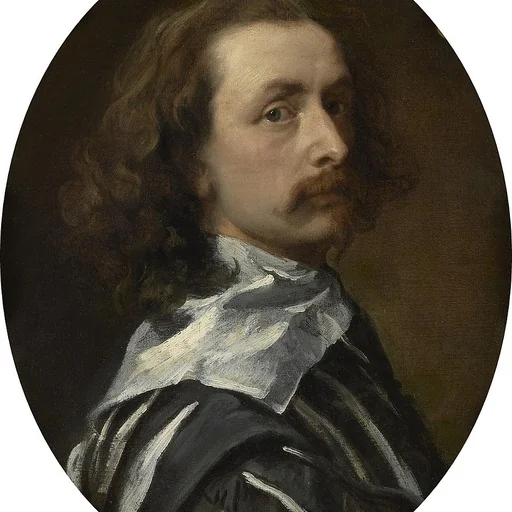
Sir Anthony van Dyck (; Dutch: Antoon van Dijck ; 22 March 1599 – 9 December 1641) was a Flemish Baroque artist, who became the leading court painter in England after success in the Spanish Netherlands and Italy.

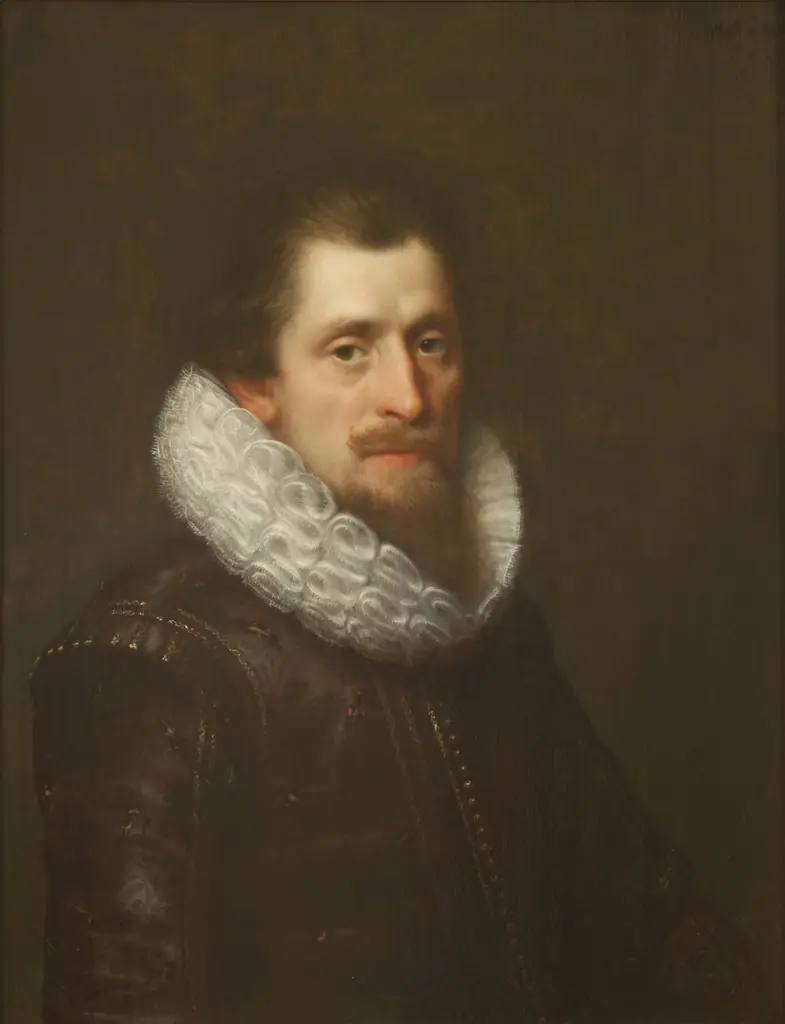 Portrait of a gentleman
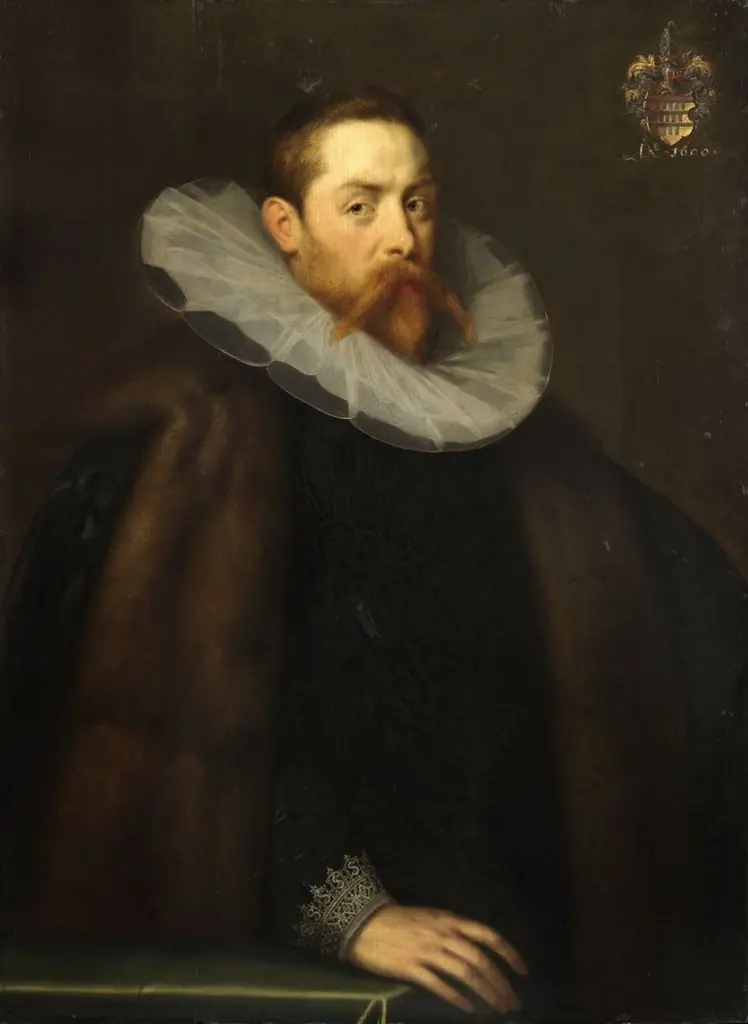 Portrait of a Member of the Lyskirchen Family
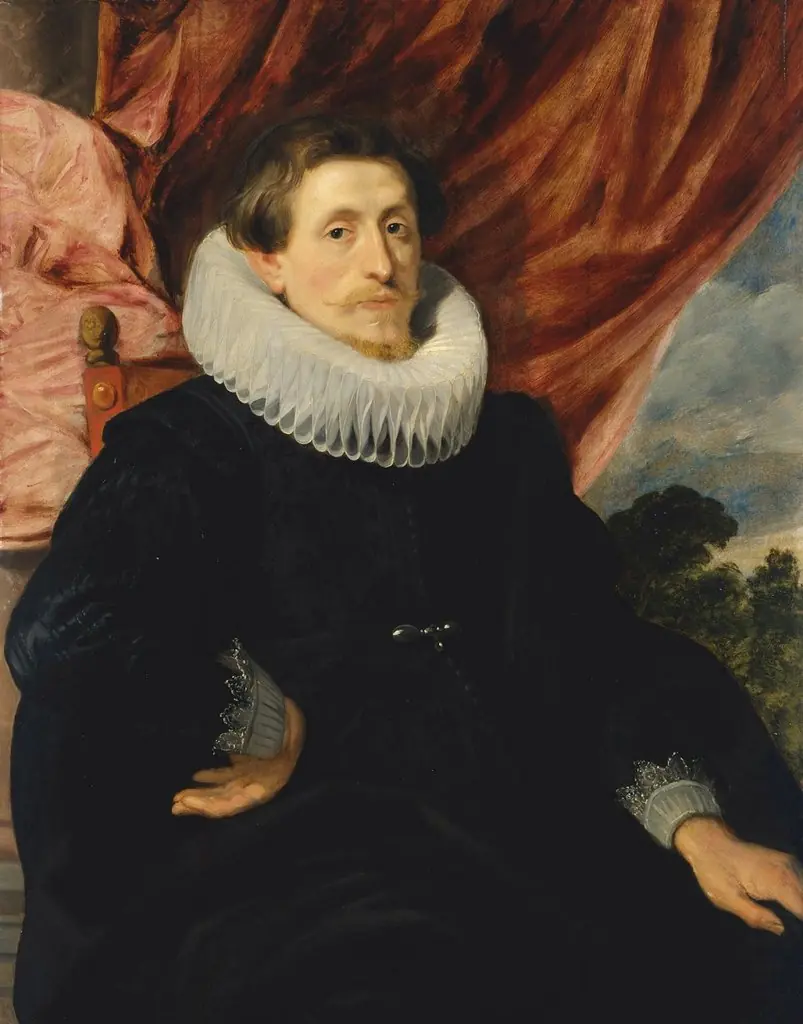 Portrait of a Man, 1618
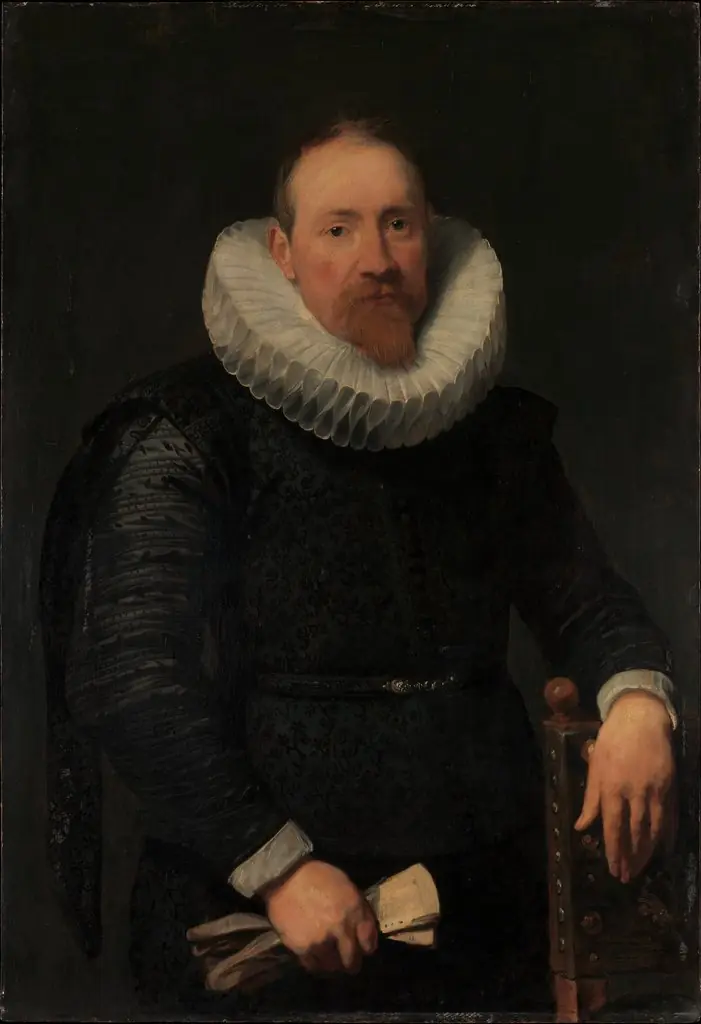
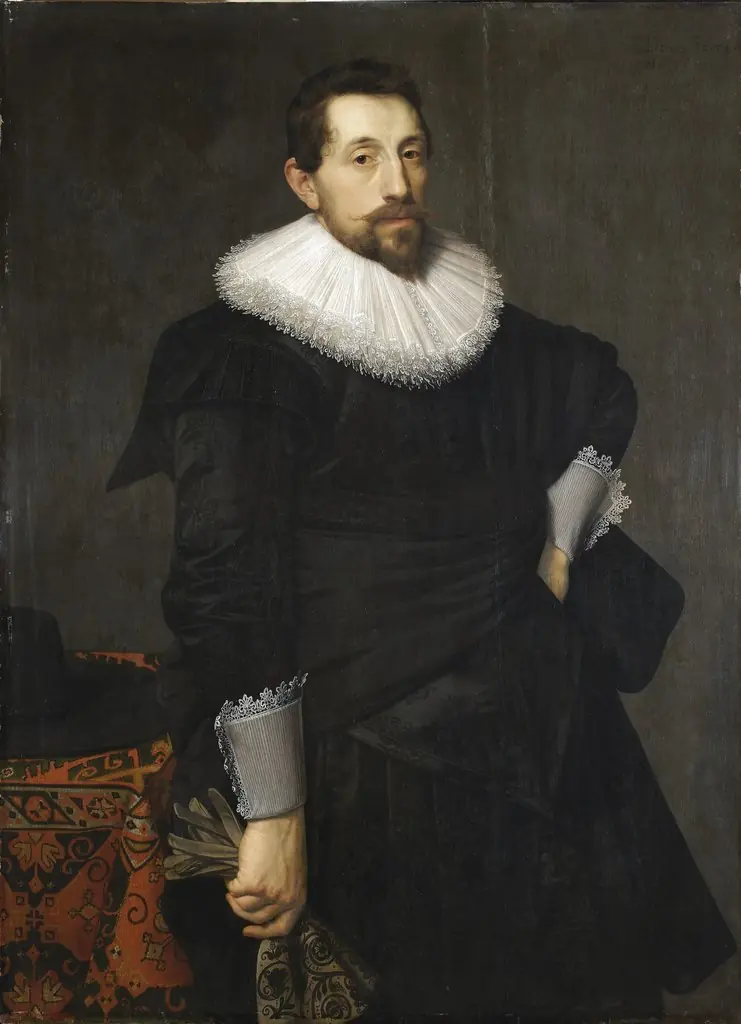 Portrait of a Man with Gloves
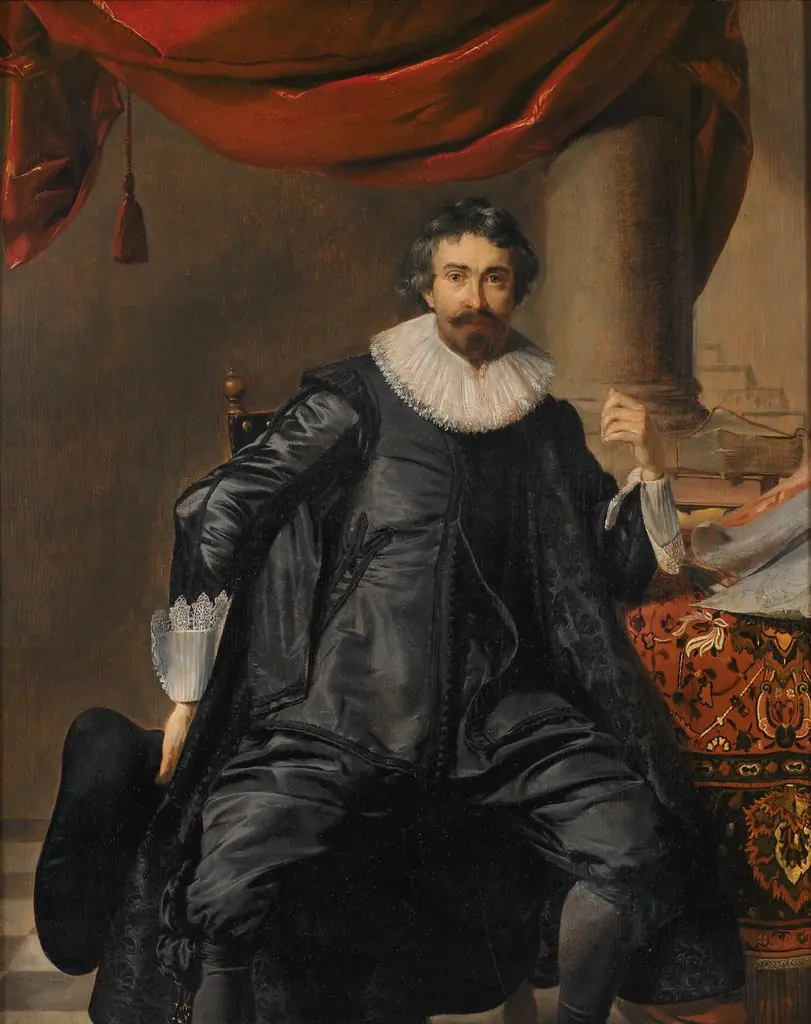 Portrait of a Man
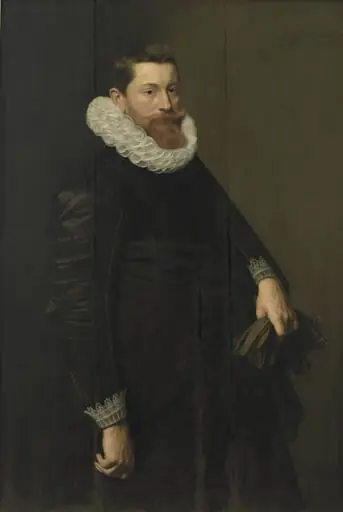 Portrait of a Gentleman
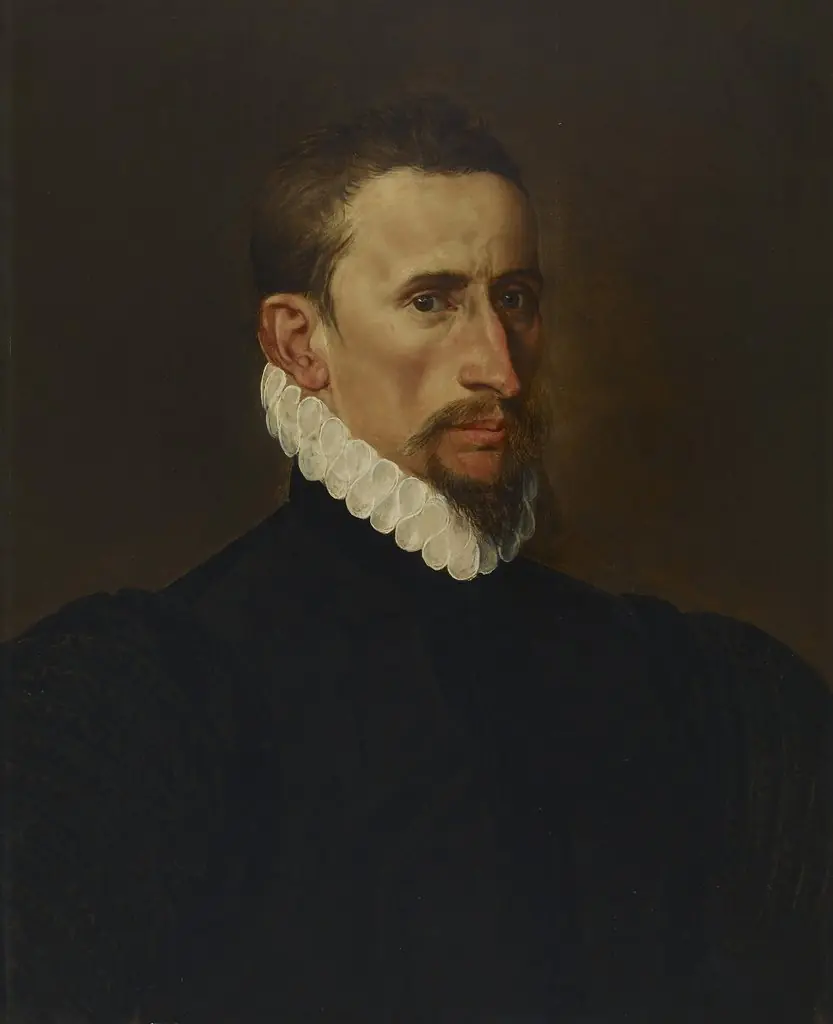 Portrait of a Gentleman
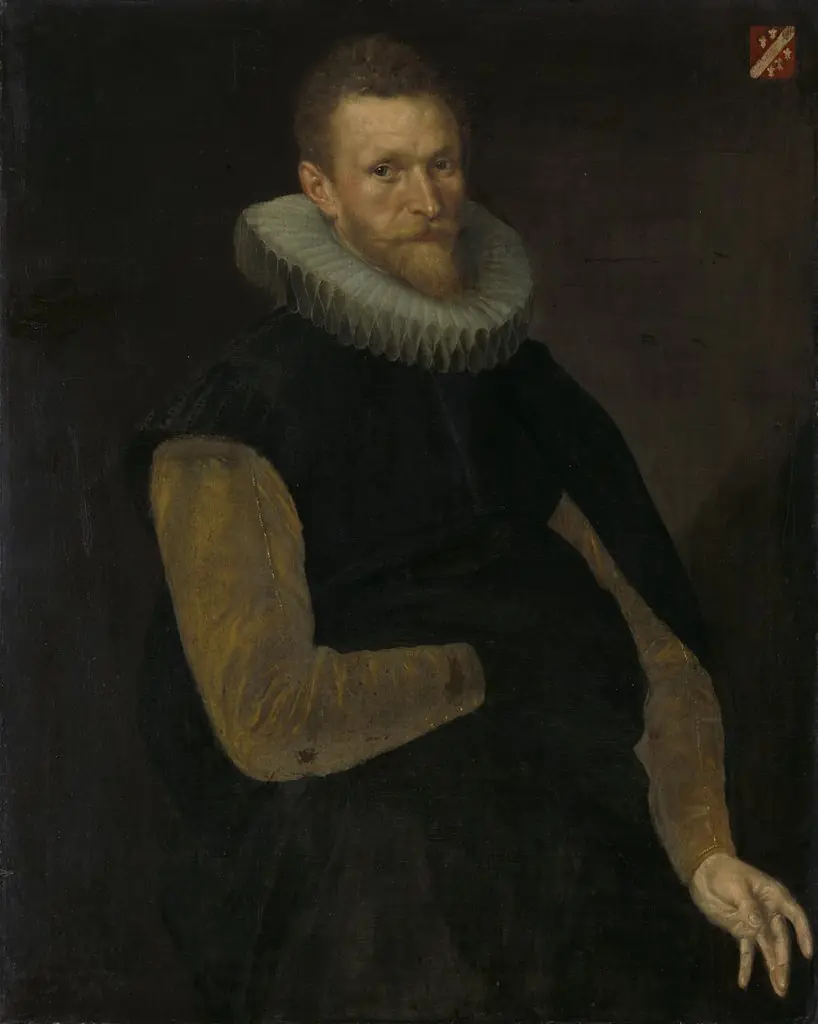 Portrait of Jacob Cornelisz Banjaert, called van Neck (1564-1638). Admiral & mayor of Amsterdam
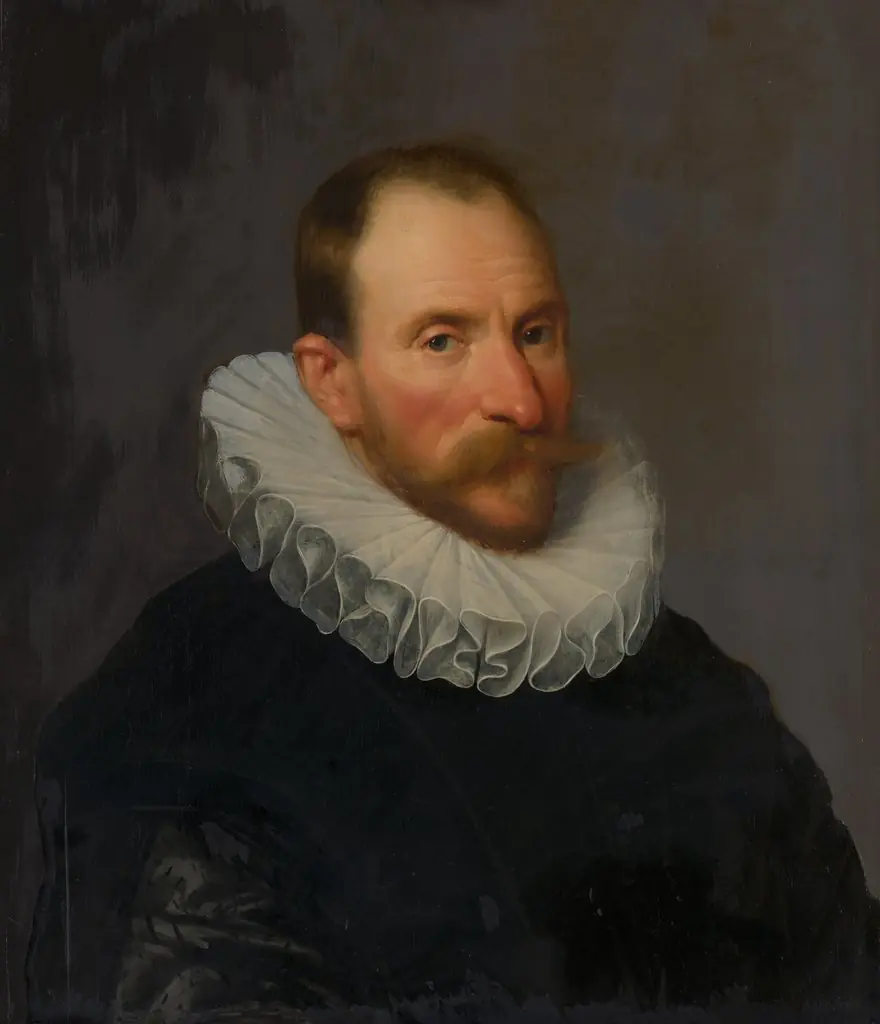 Portrait of Cornelis van Aerssen (1545-1627)
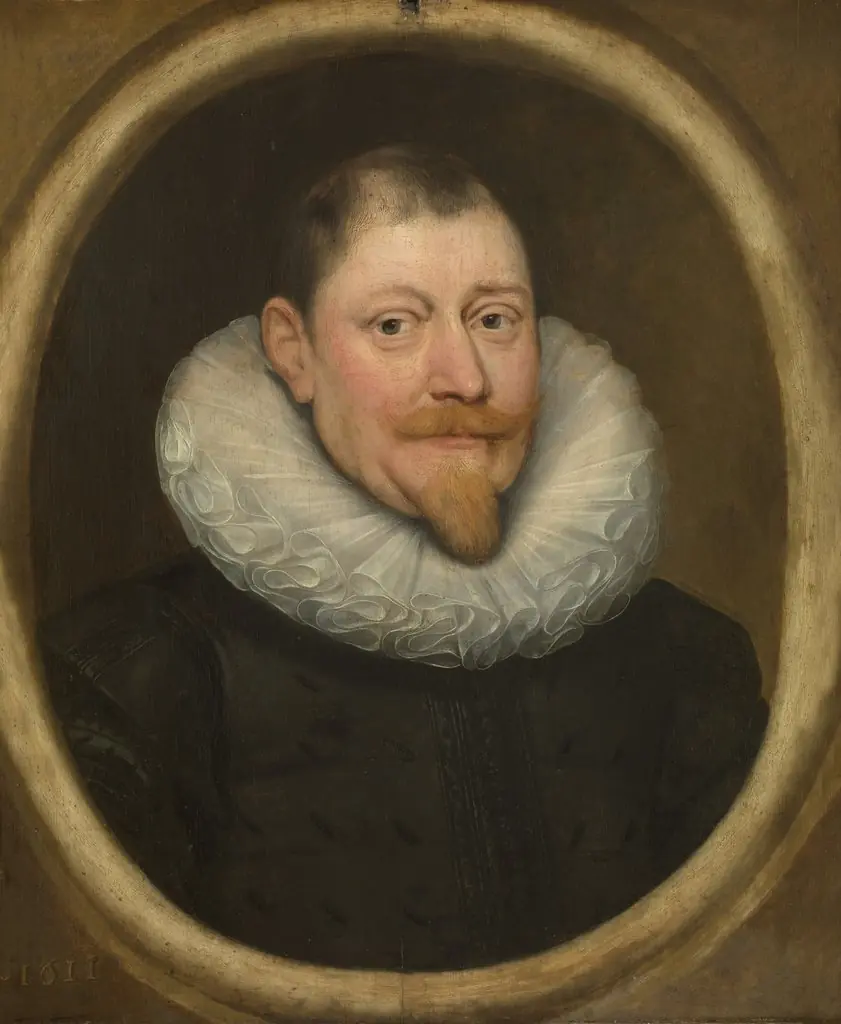 Portrait of a Man
 Portrait of Sir Thomas Chaloner