Artwork
Portrait of a Man
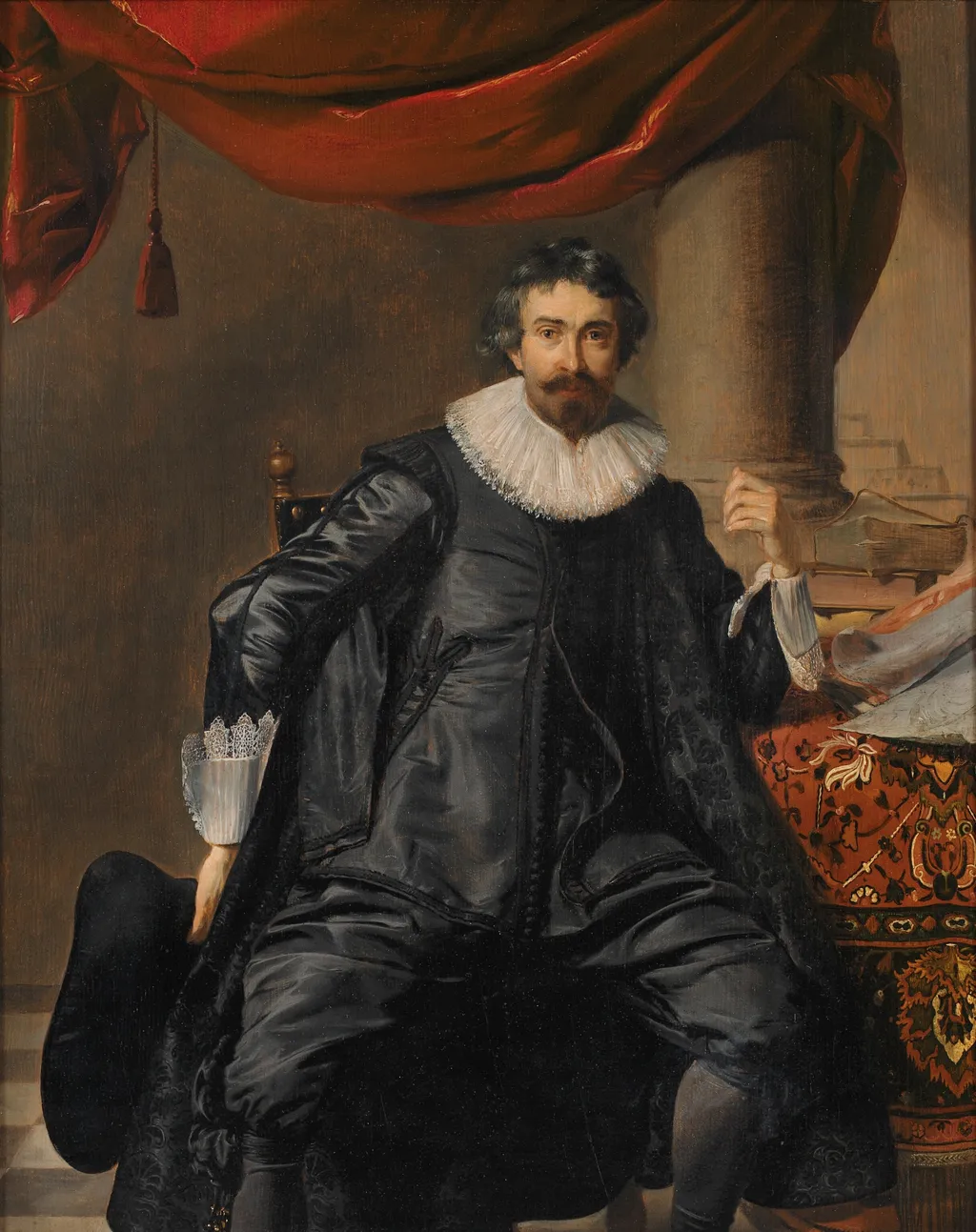
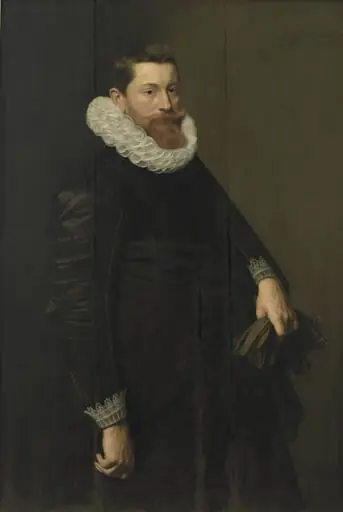
Portrait of a Man is an oil painting by the Dutch Golden Age artist Thomas de Keyser. It dates from 1631 and is held in the collection of the Statens Museum for Kunst.
About this work
Overview
Thomas de Keyser’s *Portrait of a Man* (1631) is an oil painting that exemplifies the Dutch Golden Age’s focus on individualized portraiture. The work is part of the Statens Museum for Kunst’s collection and depicts a solitary male sitter in a composed, contemplative pose.
Subject & Meaning
The figure is seated on a chair before a column, dressed in a black garment with a white ruffled collar and cuffs. Dark hair and a neatly trimmed beard frame his face, while his right hand rests on a decorative red‑and‑gold object, suggesting a subtle assertion of status and introspection.
Technique & Style
De Keyser employs a restrained palette of deep blacks, warm browns, and muted reds, rendering textures such as fabric and metal with delicate brushwork. The background’s red curtain and column provide a simple architectural setting that emphasizes the sitter’s likeness without distraction.
History & Provenance
Created at the height of de Keyser’s career, the portrait reflects his dominance in Amsterdam’s portrait market before the emergence of Rembrandt in the 1630s. The painting entered the Statens Museum for Kunst collection, where it remains on display.
Context
During the early 17th century, Dutch portraiture often served both commemorative and social functions, presenting patrons in dignified attire against modest interiors. De Keyser’s work aligns with this tradition, offering a clear, sober representation of an individual’s identity within the prosperous Dutch Republic.
Own this work as a print
Artist & collection

Artist
Thomas de Keyser (c. 1596 – 1667) was a Dutch portrait painter and a dealer in Belgium bluestone and stone mason. He was the most in-demand portrait painter in the Netherlands until the 1630s, when Rembrandt eclipsed…

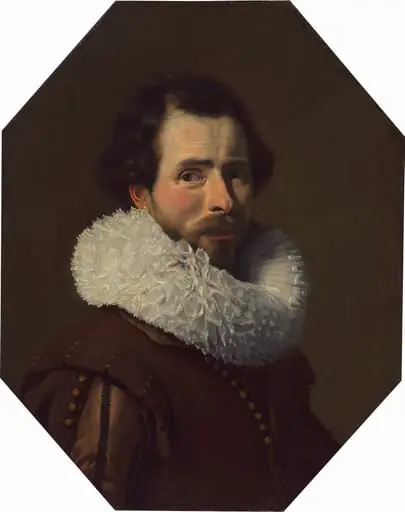 Portrait of a Gentleman Wearing a Fancy Ruff
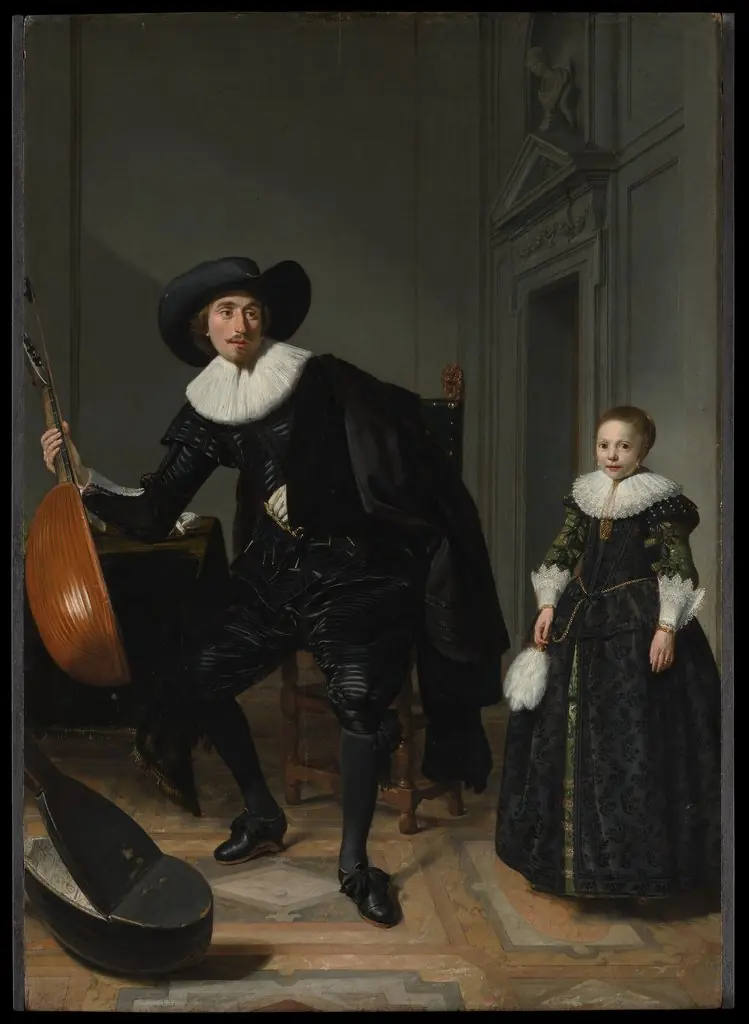 A Musician and His Daughter
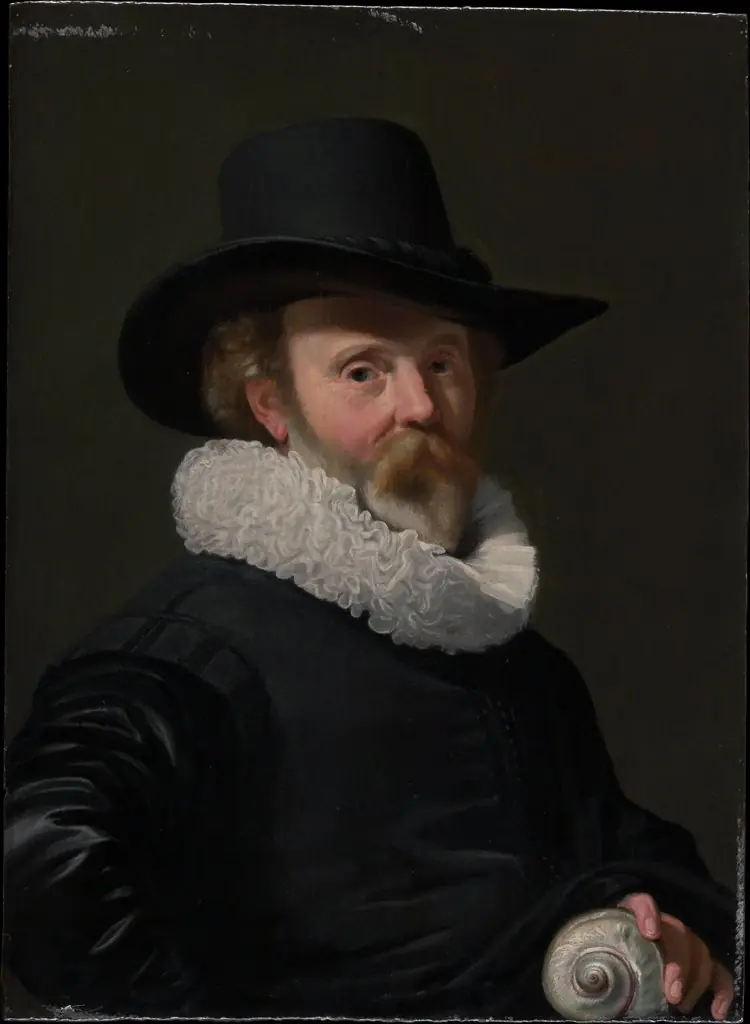 Portrait of a Man with a Shell
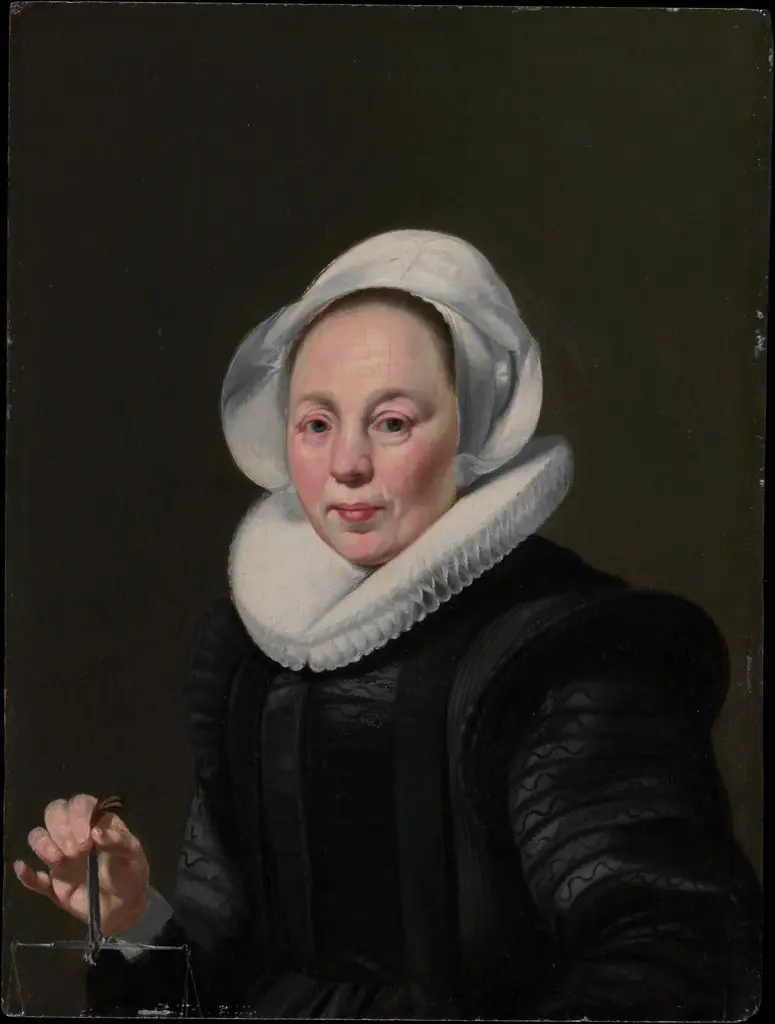 Portrait of a Woman with a Balance
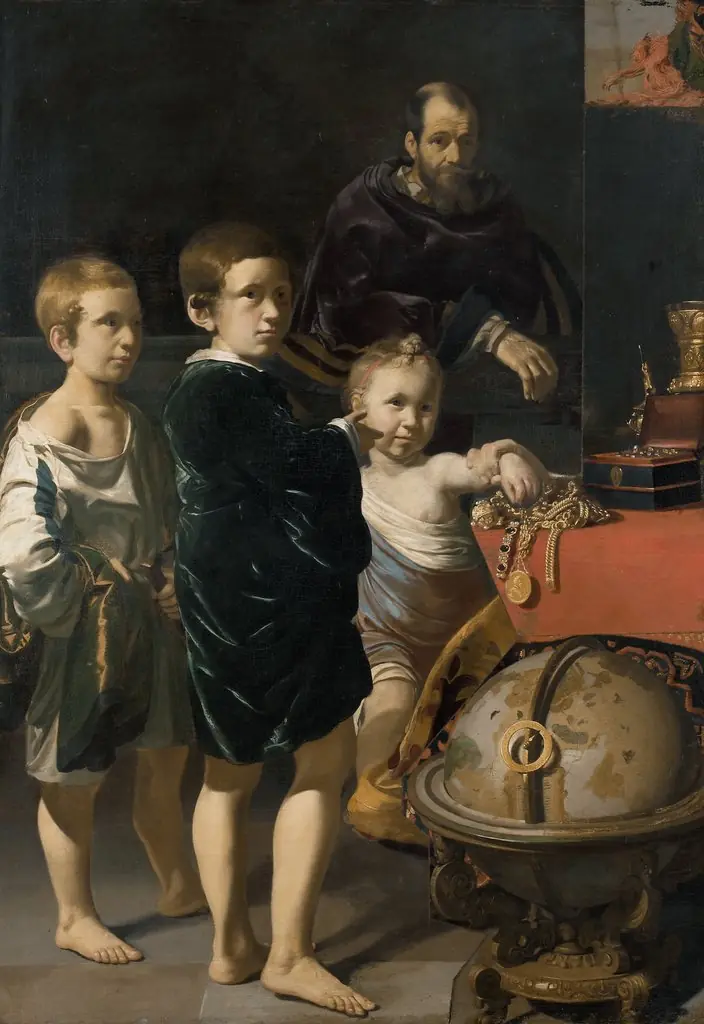 Portrait of three children and a man
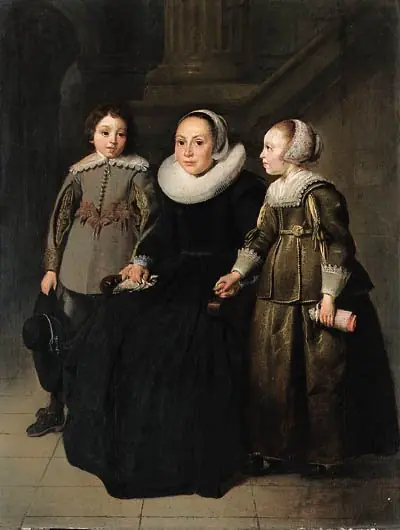 Portrait of a seated woman and two children
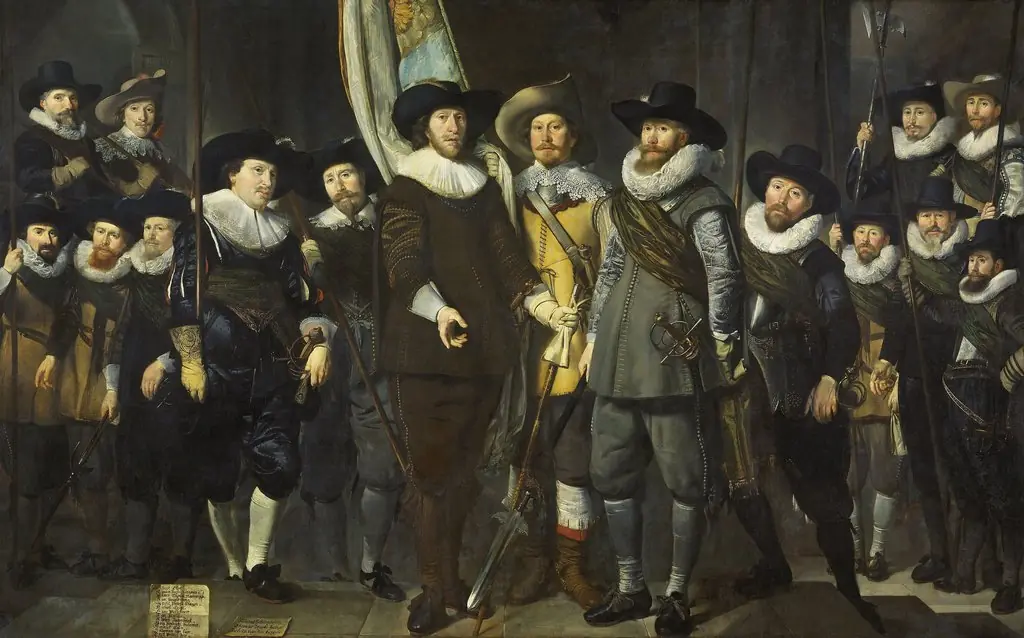 Officers and other civic guardsmen of the IIIrd District of Amsterdam, under the command of Captain Allaert Cloeck and Lieutenant Lucas Jacobsz Rotgans
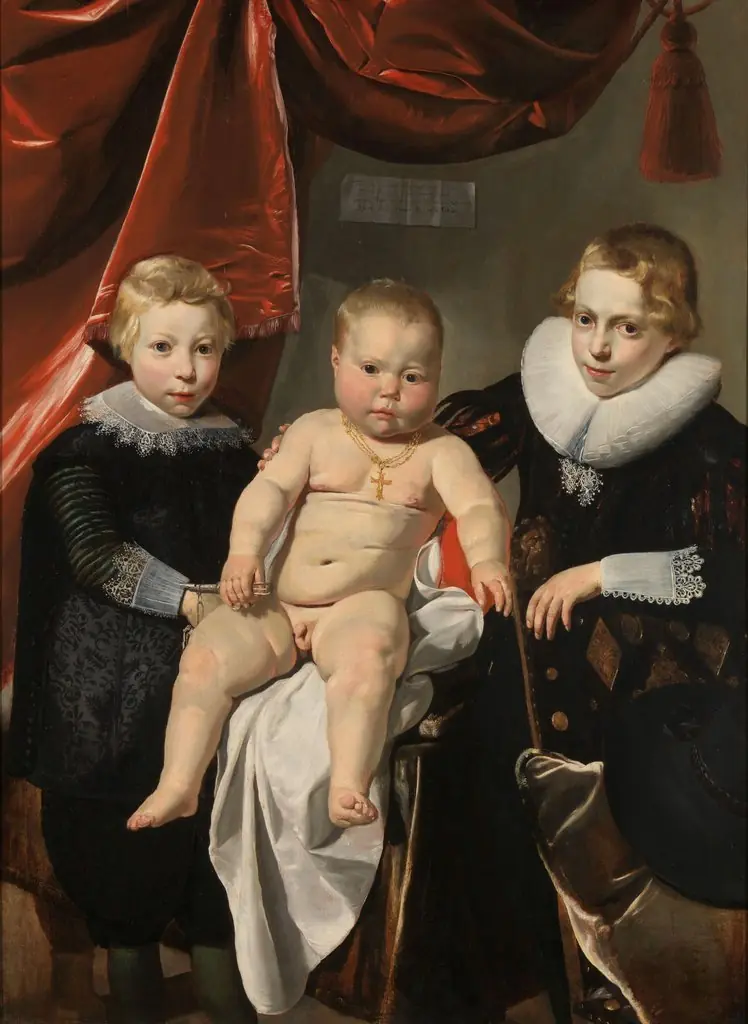 Group Portrait of Three Brothers
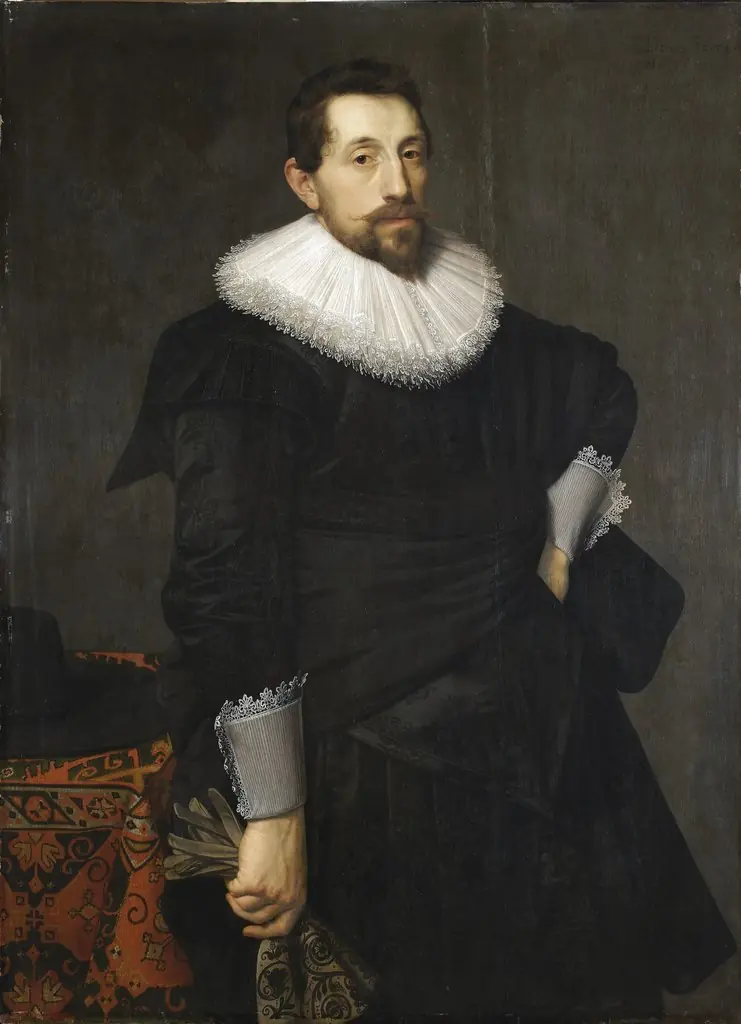 Portrait of a Man with Gloves
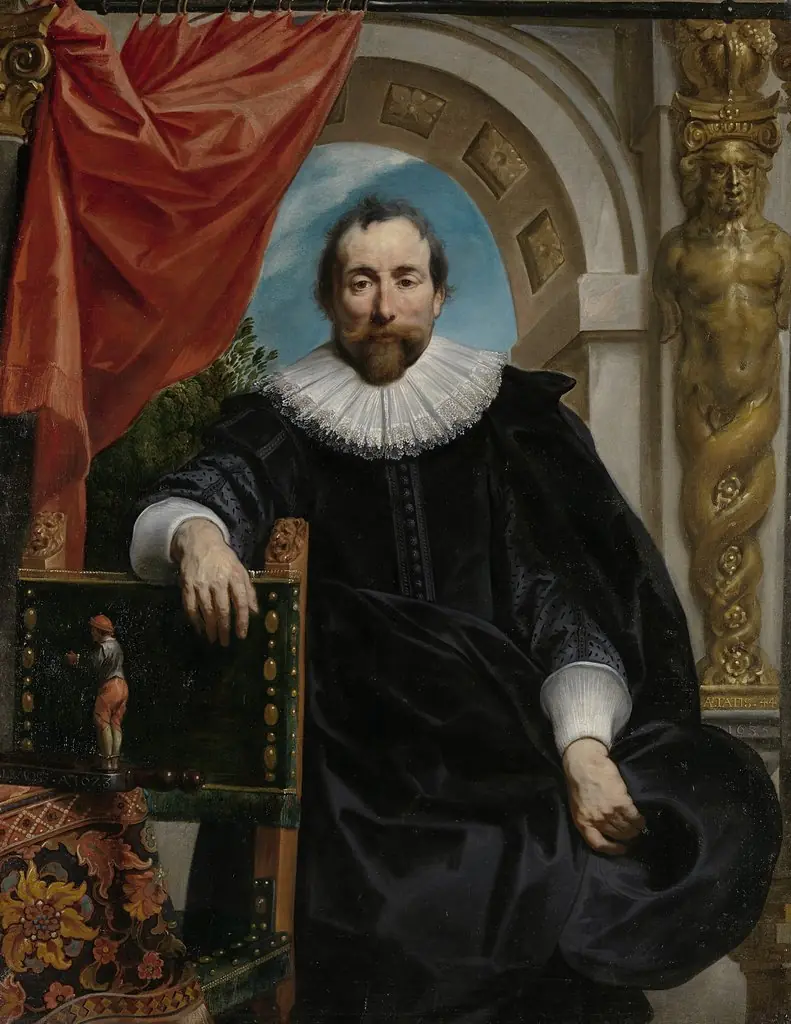 Portrait of Rogier Le Witer (1591-1678), Merchant in Antwerp
 Untitled
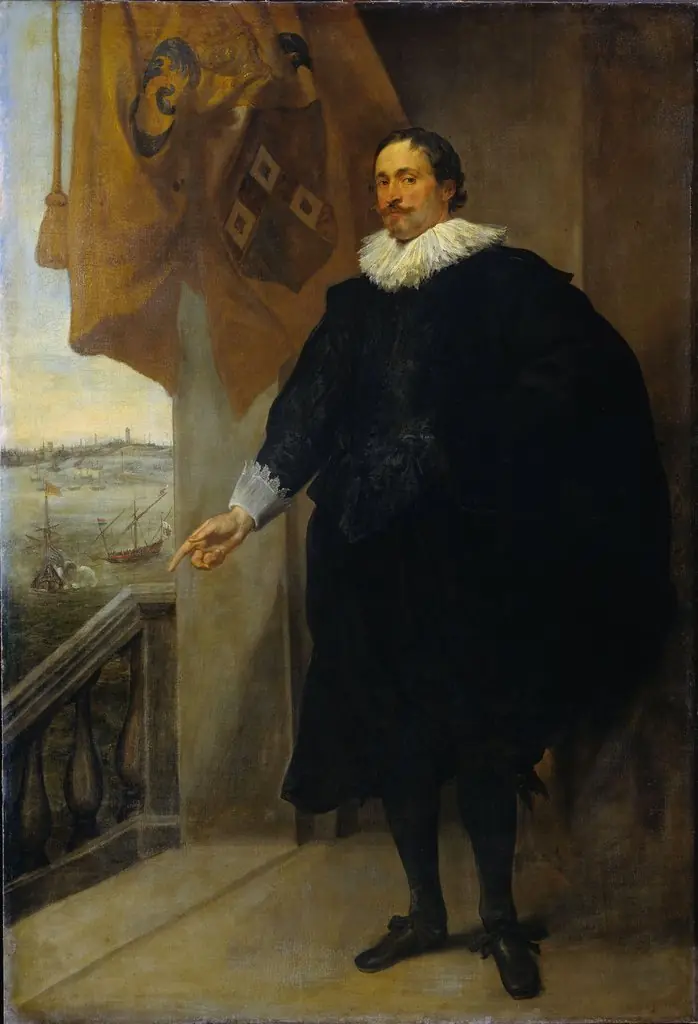 Portrait of Nicolaes van der Borght. Merchant of Antwerp
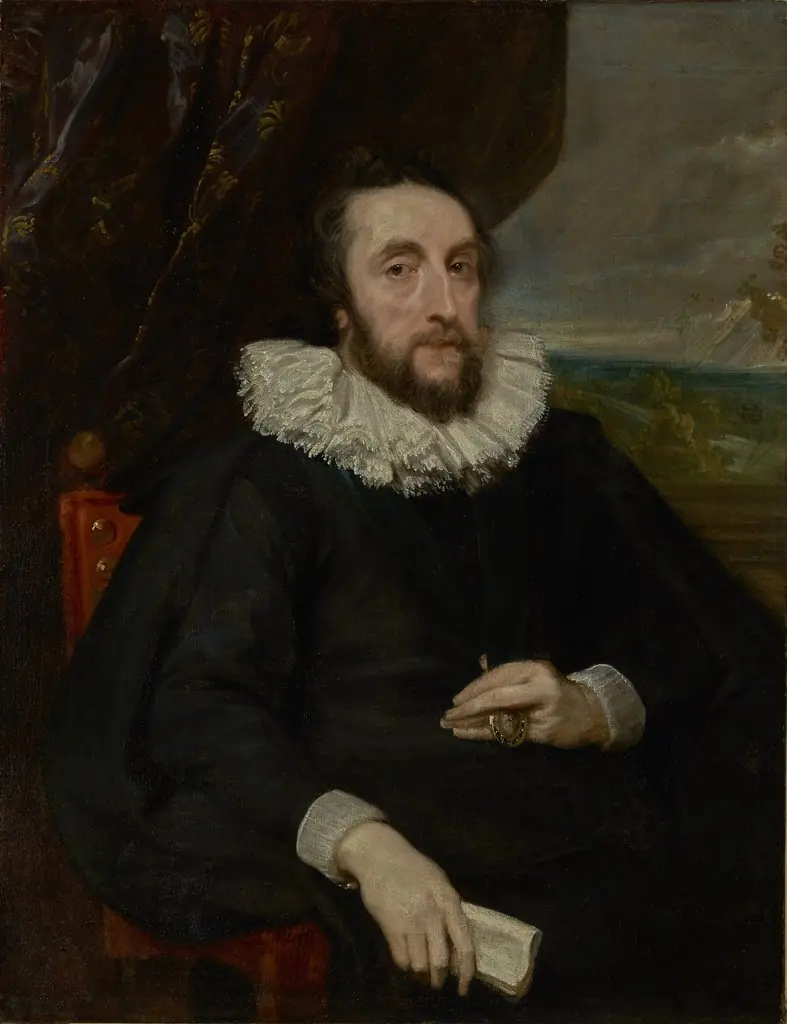 Portrait of Thomas Howard, 21st Earl of Arundel
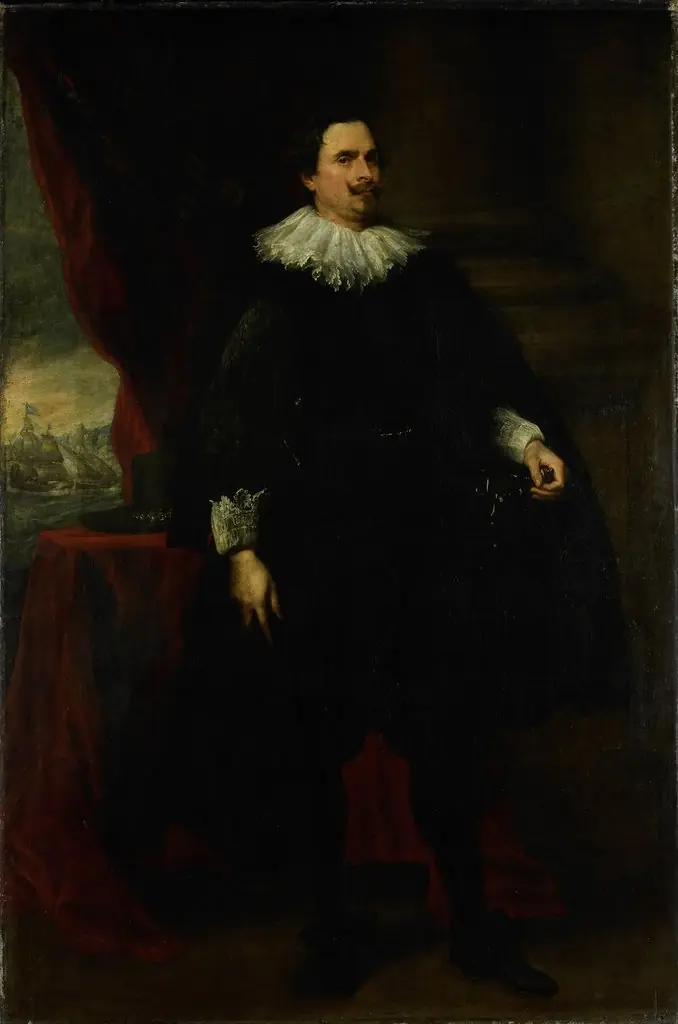 Portrait of a man from the van der Borght family, perhaps François van der Borght
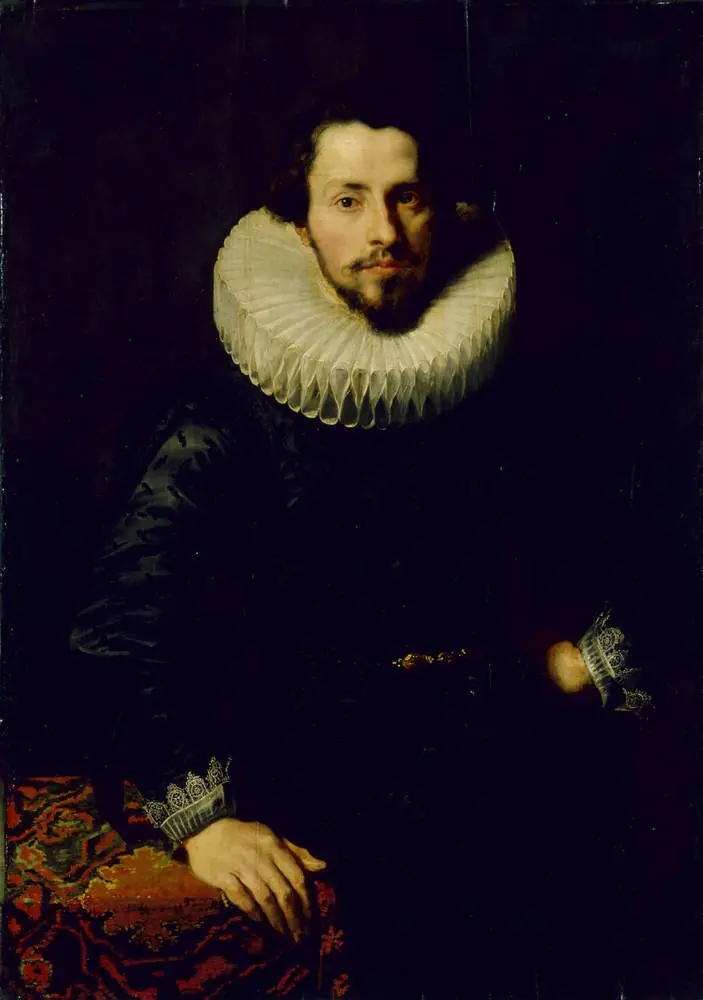 Portrait of a Man at a Table
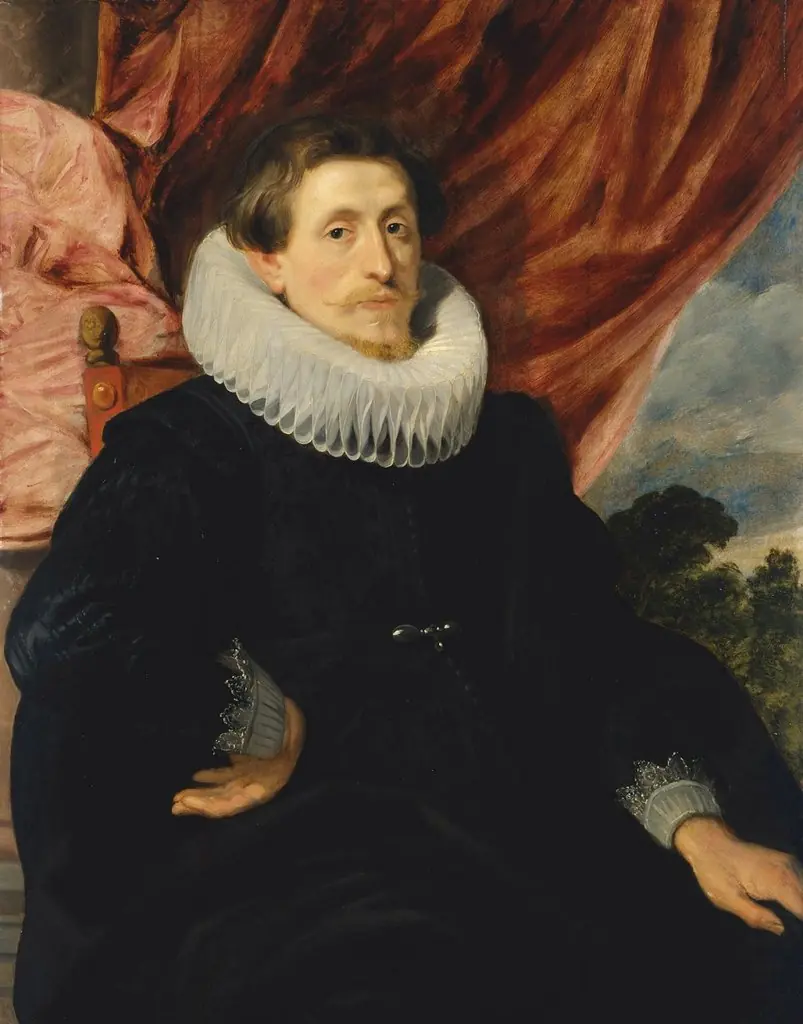 Portrait of a Man, 1618
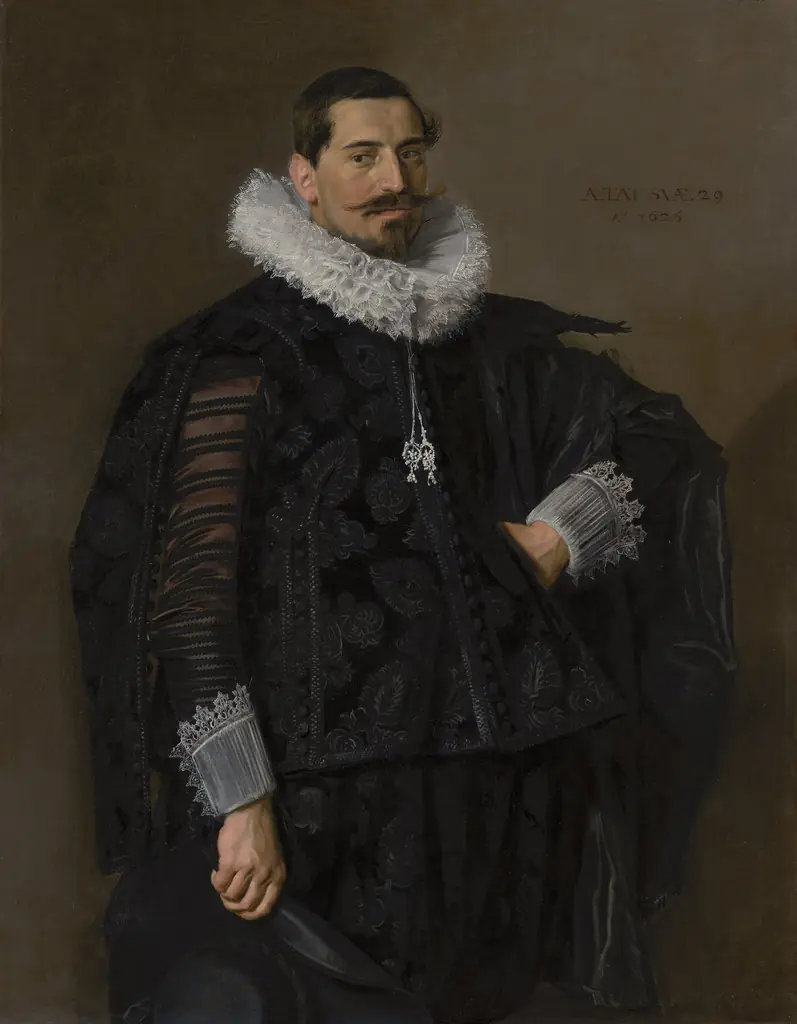 Portrait of Jacob Pietersz Olycan (1596-1638)
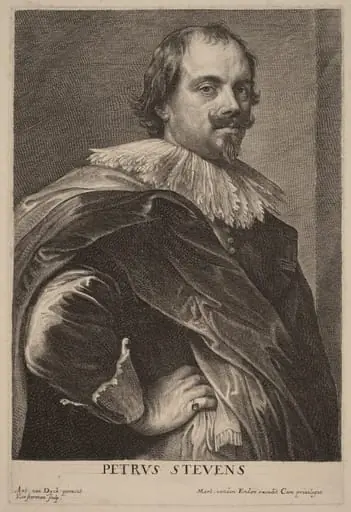 Petrus Stevens
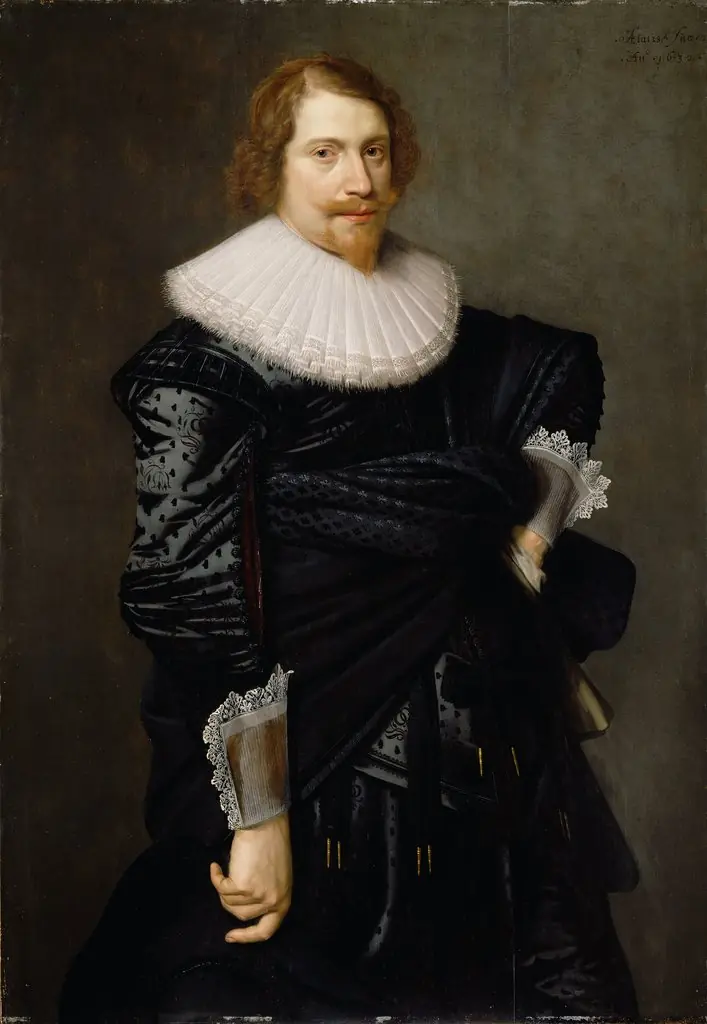 Portrait of a Man
 Portrait of a Gentleman