Artwork
St Peter
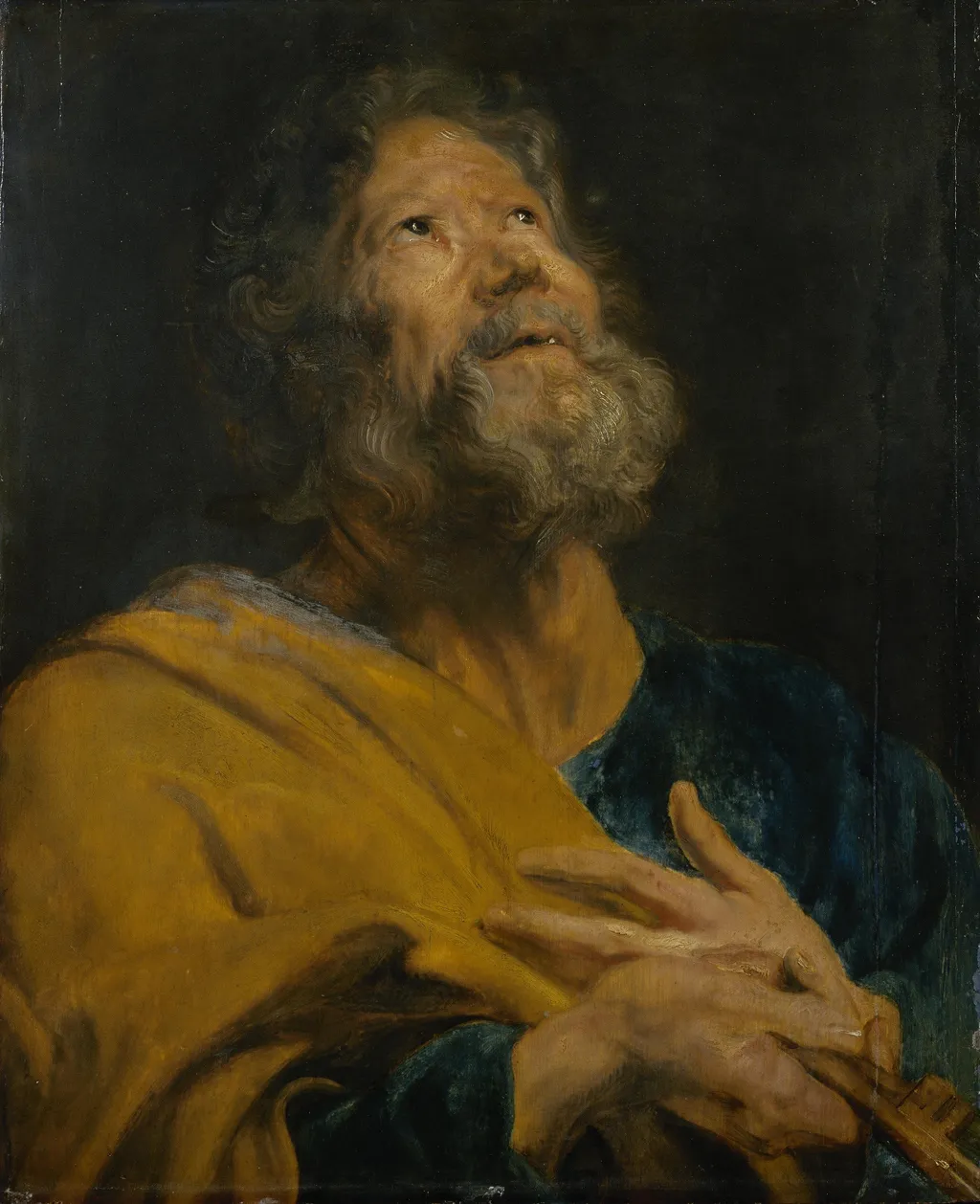
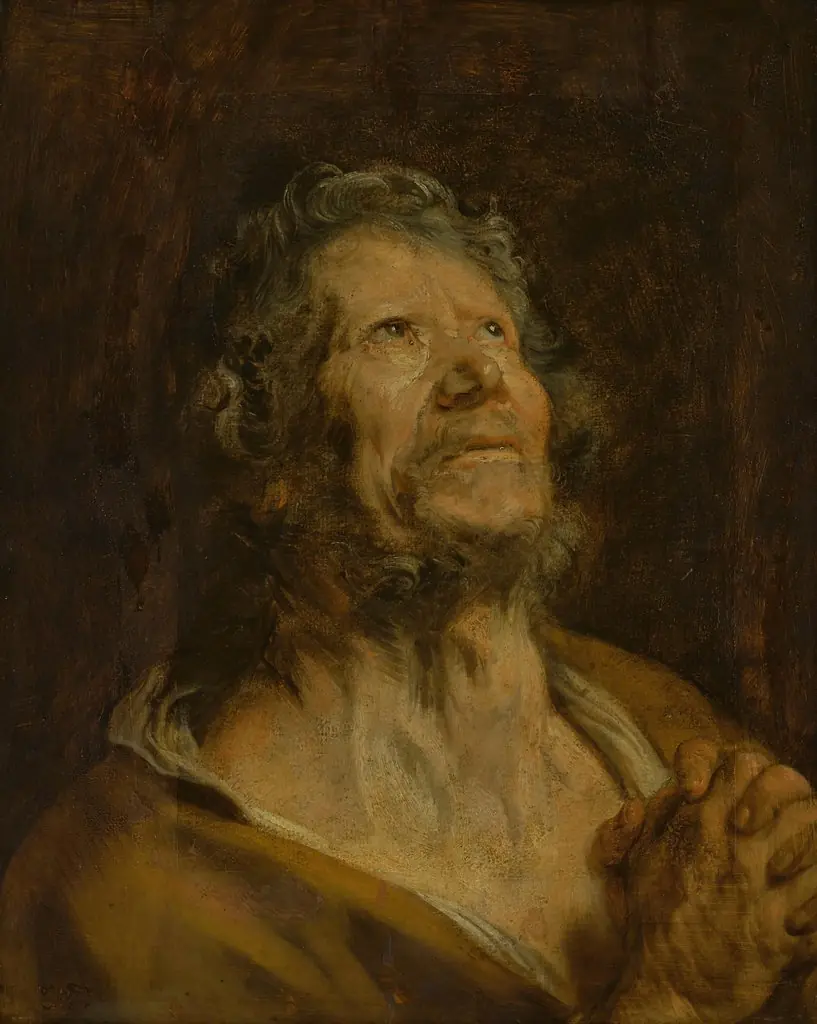
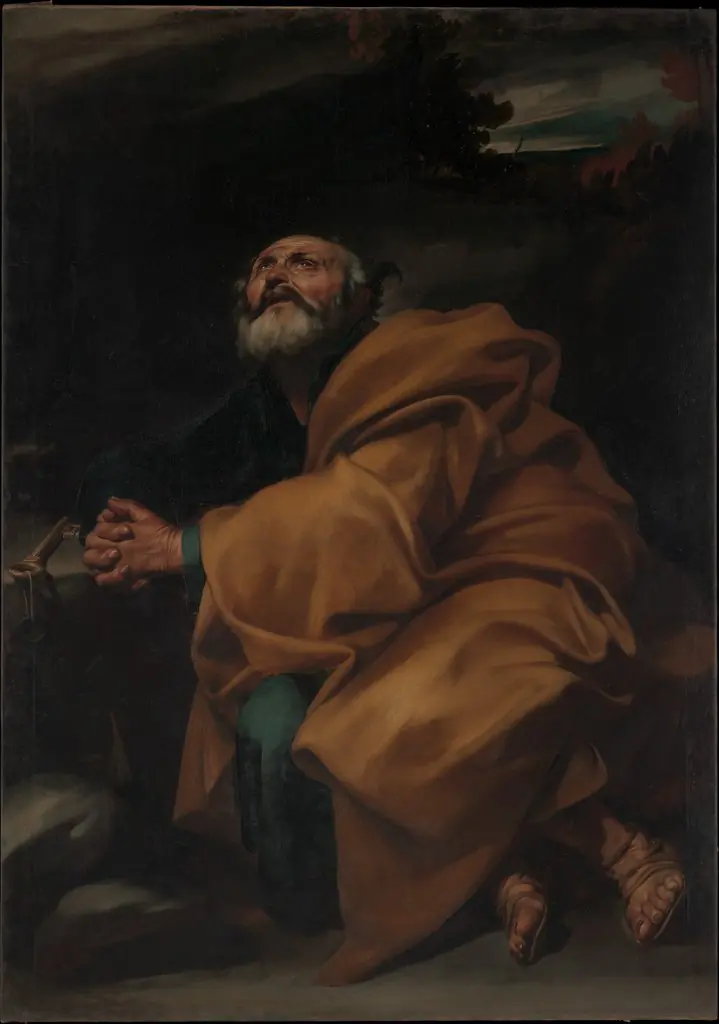
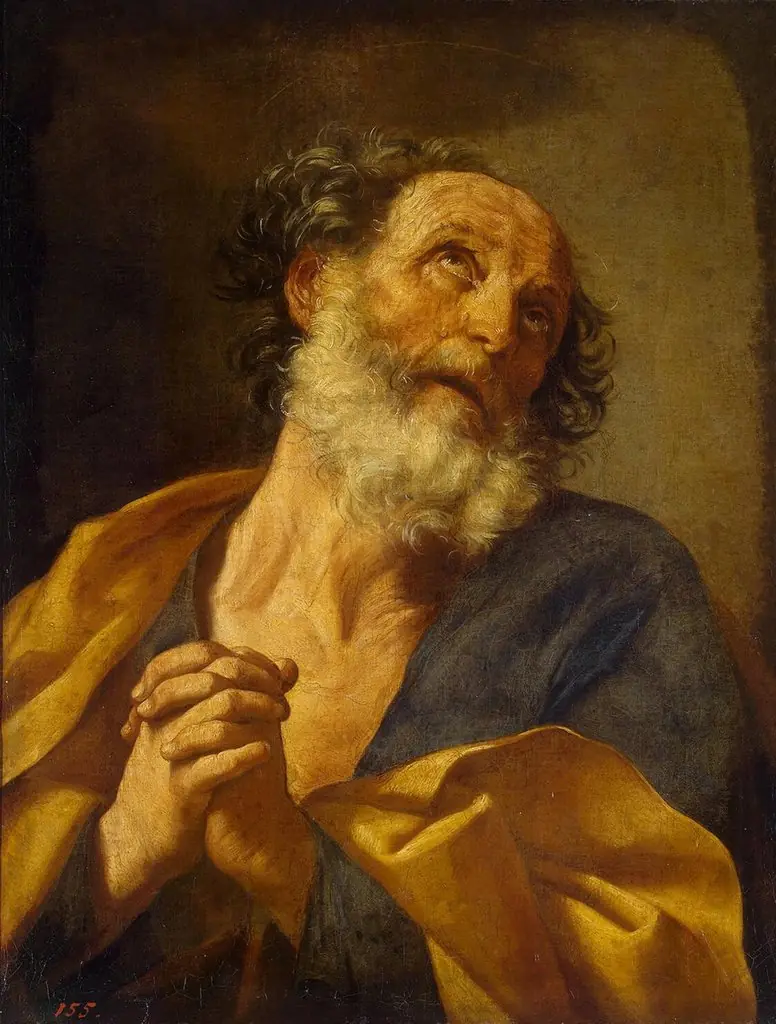
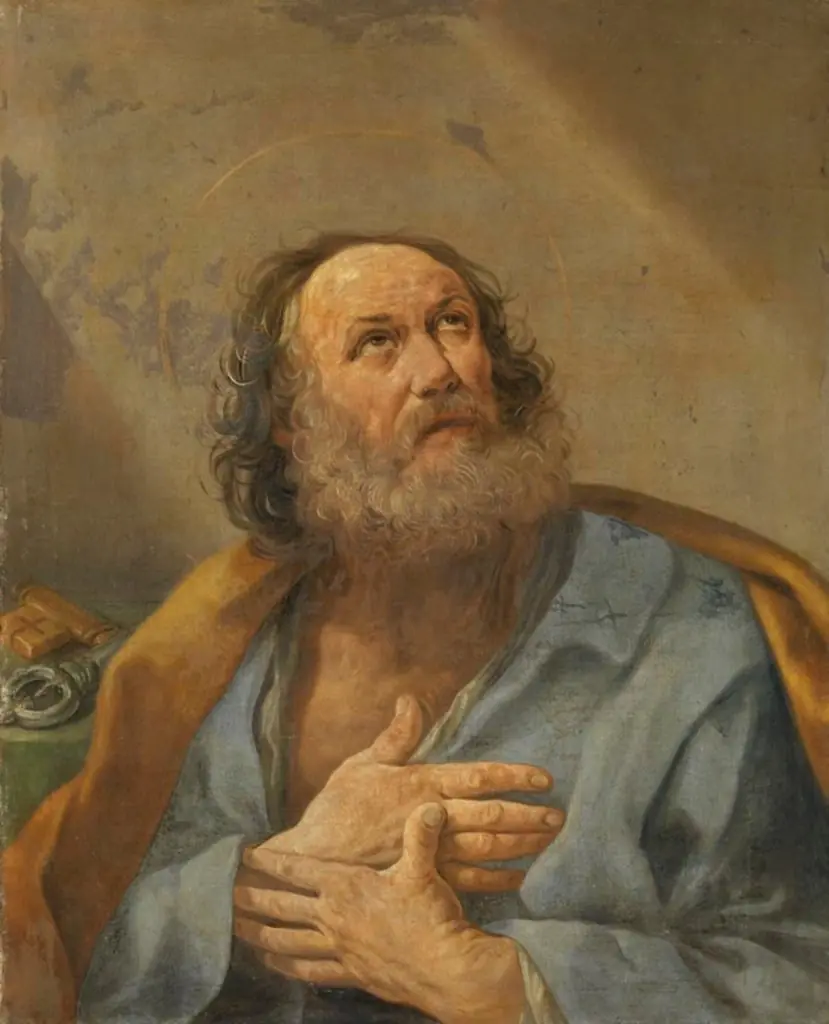
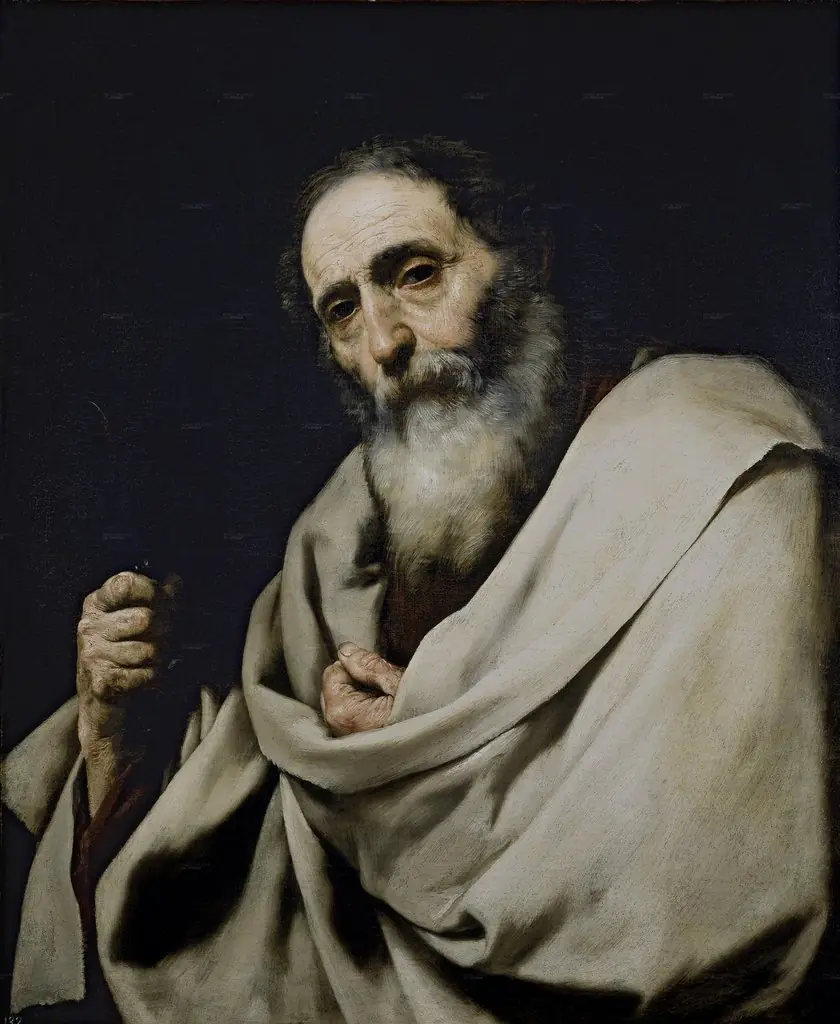
St Peter is an oil painting by the Flemish Baroque painting artist Anthony van Dyck. It dates from 1618 and is held in the collection of the Hermitage Museum.
About this work
Overview
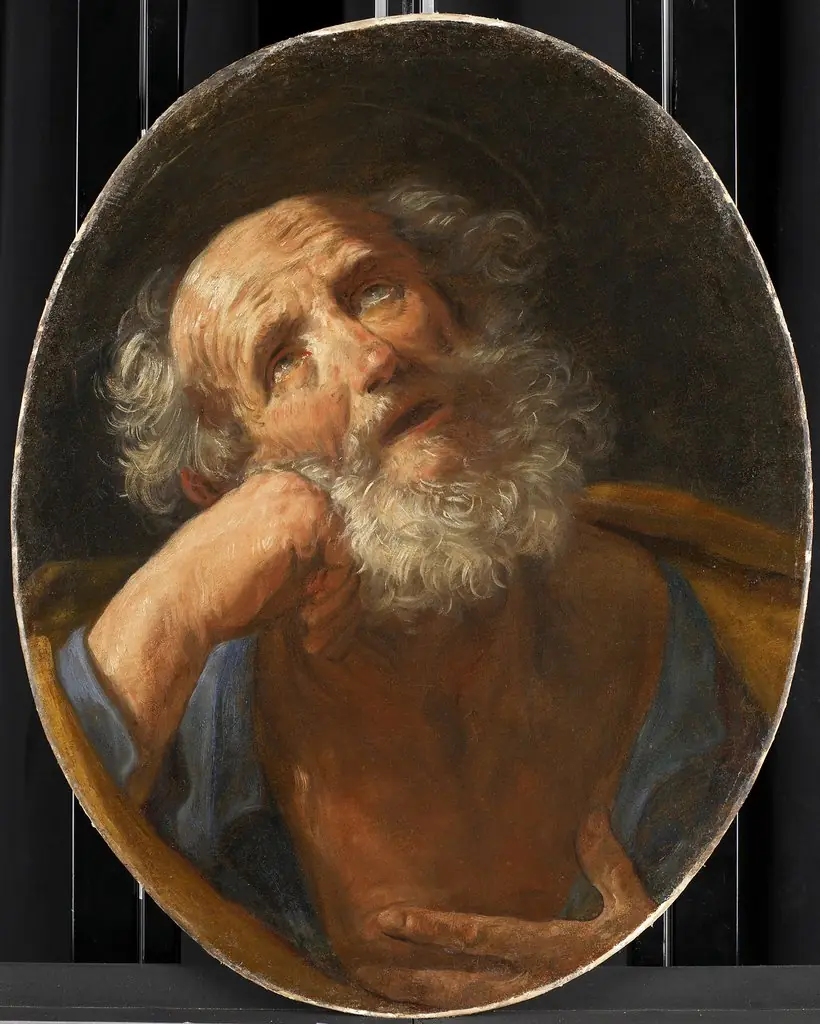
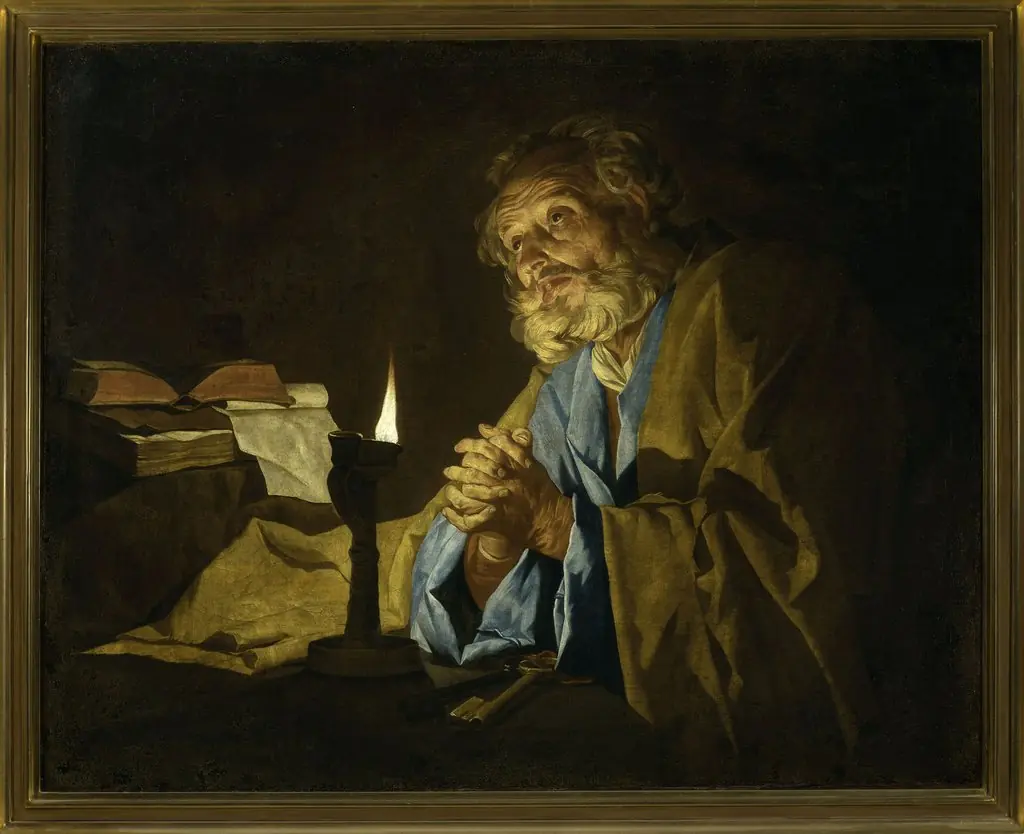
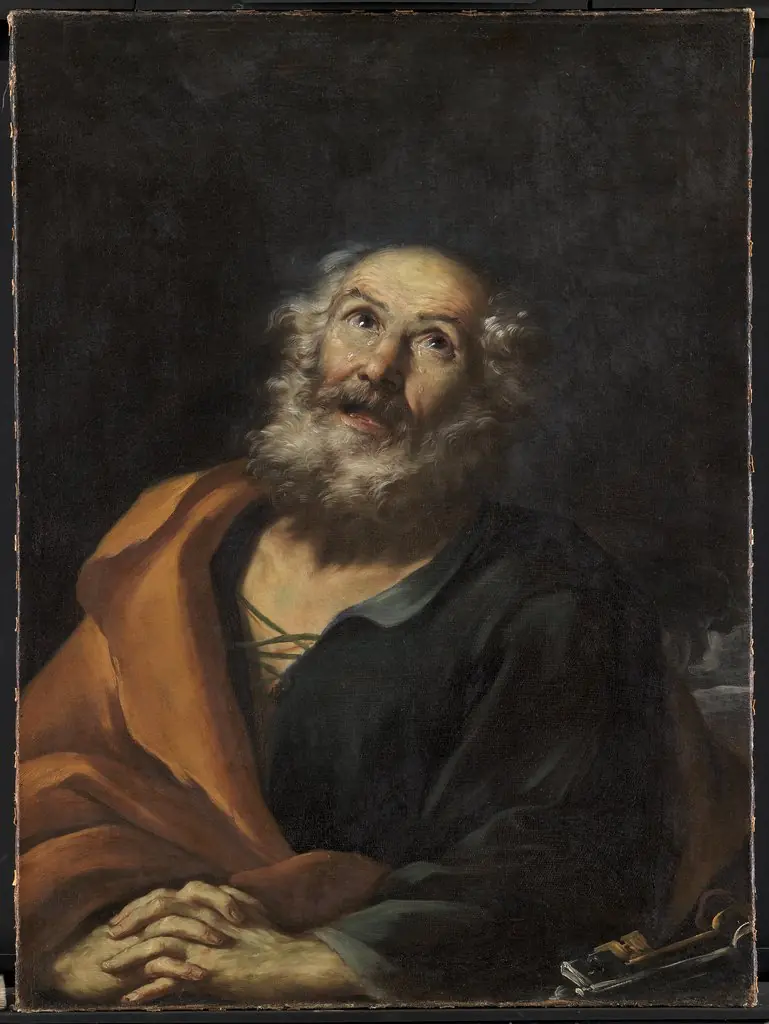
Created in 1618, this oil painting titled *St Peter* presents the apostle in a contemplative pose. The work measures a modest size and is part of the State Hermitage Museum’s collection. Rendered in the Flemish Baroque idiom, it reflects the early‑seventeenth‑century aesthetic that Van Dyck cultivated after his apprenticeship with Rubens.
Subject & Meaning
The figure is identified as the Apostle Peter, recognizable by the traditional symbols of the keys of heaven and a modest book held in his hands. His aged, bearded visage and the solemn expression convey a sense of spiritual authority and introspection, inviting viewers to contemplate his role as the church’s foundational leader.
Technique & Style
Van Dyck employs a restrained chiaroscuro, setting the saint against a dark ground that isolates his illuminated face and hands. Loose, energetic brushwork renders the hair and beard, while the soft, worn yellow‑brown robe is modeled with subtle tonal shifts, creating texture and a tactile sense of fabric.
History & Provenance
The painting was produced while Van Dyck was already a master member of Antwerp’s Guild of Saint Luke, a testament to his professional standing at the time. It entered the State Hermitage Museum’s holdings in the 20th century, where it remains on public display.
Context
Executed during Van Dyck’s early independent period, the work reflects the influence of his former master Rubens yet demonstrates his own developing portraiture style. The emphasis on psychological depth and refined handling of light anticipates the later courtly portraits for which Van Dyck would become renowned.
Own this work as a print
Artist & collection
Artist
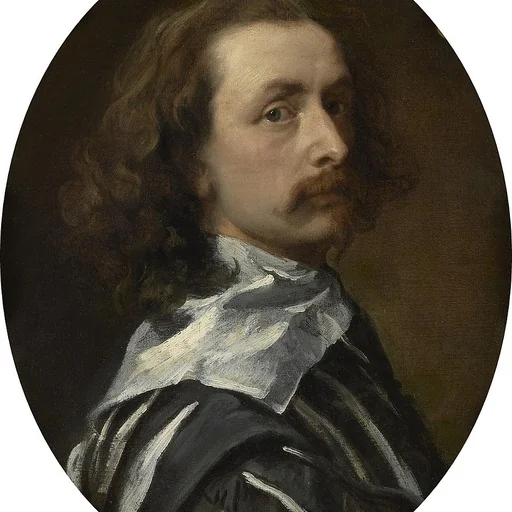
Sir Anthony van Dyck (; Dutch: Antoon van Dijck ; 22 March 1599 – 9 December 1641) was a Flemish Baroque artist, who became the leading court painter in England after success in the Spanish Netherlands and Italy.