Artwork
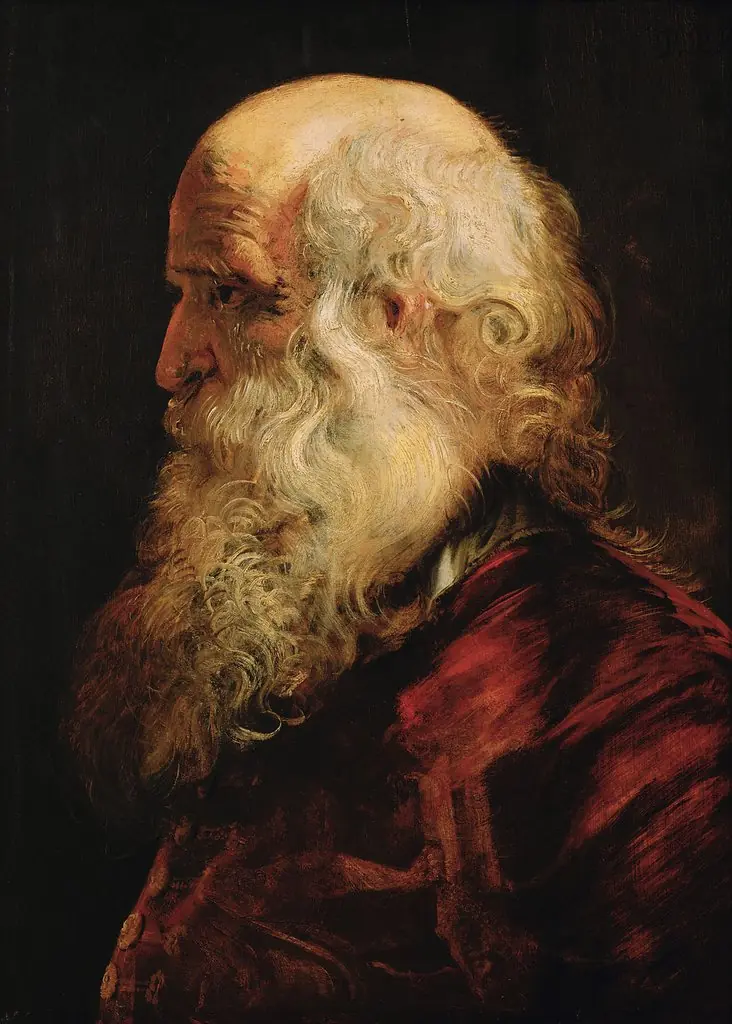
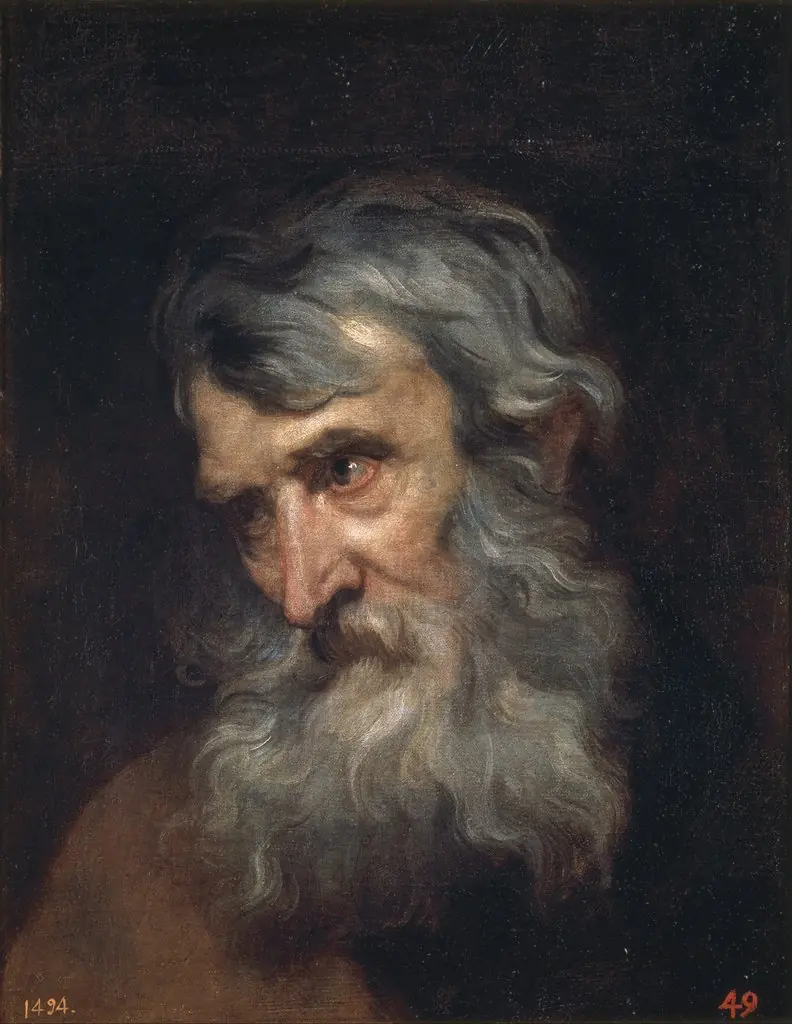
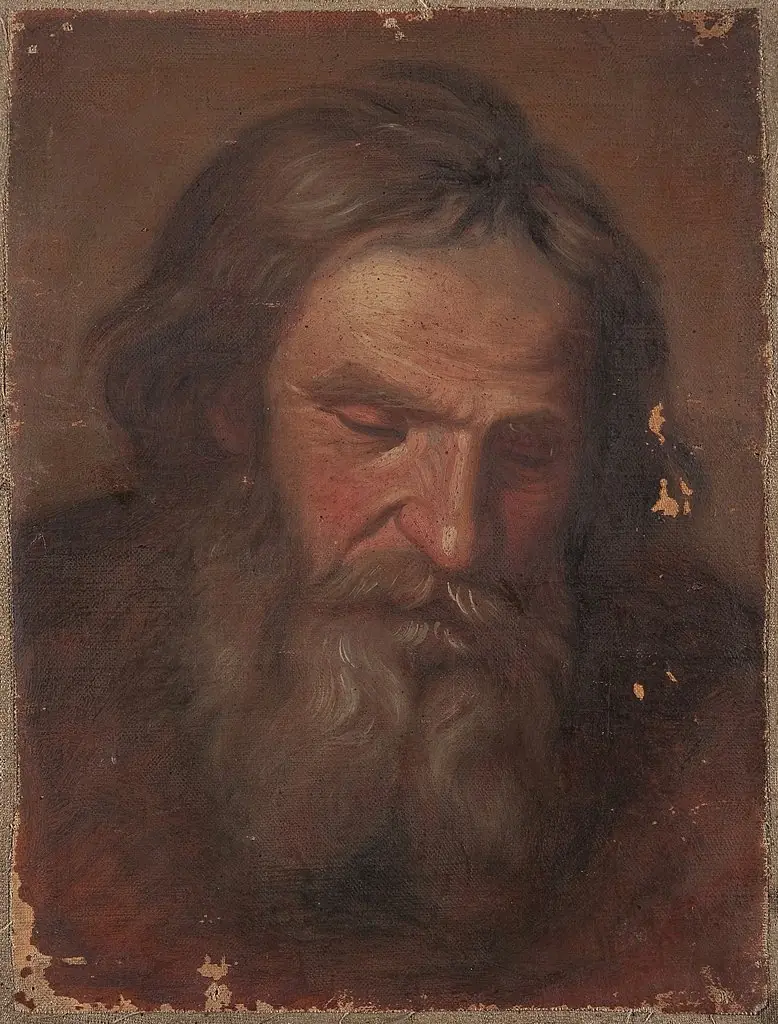
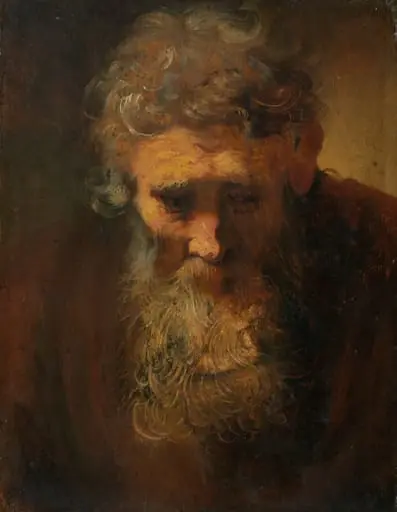
Study head of an old man, hunched over to the left
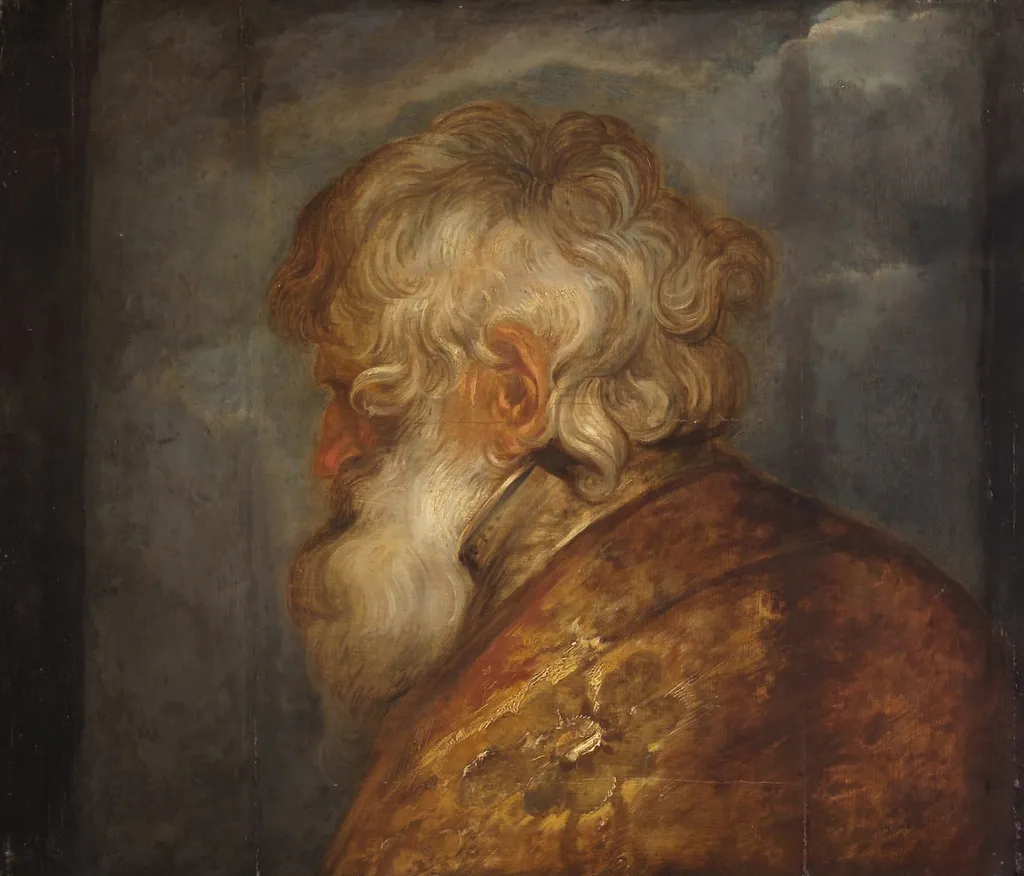
Study head of an old man, hunched over to the left is an oil painting by the Flemish Baroque painting artist Anthony van Dyck. It dates from 1618 and is held in the collection of the Kunsthistorisches Museum.
About this work
Overview
Executed with restrained brushwork and deep tonal contrasts, it functions as a preparatory exercise rather than a formal portrait.
Painted in 1618, this oil study by Anthony van Dyck captures a solitary elderly man in profile, turned sharply to the left. Executed with restrained brushwork and deep tonal contrasts, it functions as a preparatory exercise rather than a formal portrait. The work belongs to the Kunsthistorisches Museum’s collection and reflects van Dyck’s early engagement with human expression during his formative years as a painter in Antwerp.
Subject & Meaning
The figure is an anonymous elder, his face shadowed and eyes lowered, suggesting introspection or weariness. His long white beard and curly grey hair mark advanced age, while the high-collared brown robe implies modesty or clerical affiliation. No narrative or symbolic context is provided; the focus lies in the quiet dignity of the individual, rendered without idealization or theatricality, emphasizing psychological presence over story.
Technique & Style
Van Dyck employs chiaroscuro to model the face and beard with subtle gradations of light and shadow, giving the head a sculptural solidity. The background, a muted, uneven grey, recedes without distraction, isolating the figure. Brushstrokes are deliberate yet fluid, particularly in the rendering of hair and fabric, revealing the artist’s growing command of texture and volume—skills honed under Rubens but here applied with greater intimacy.
History & Provenance
Created shortly after van Dyck’s admission to the Antwerp Guild of Saint Luke in 1617, this study belongs to a series of observational sketches from his early career. It remained in private hands until entering the Kunsthistorisches Museum’s collection, likely through imperial Austrian acquisitions in the 18th or 19th century. Its survival as a standalone study, rather than a lost component of a larger work, is uncommon and valuable for understanding his artistic process.
Context
In early 17th-century Antwerp, artists frequently produced head studies to refine their grasp of expression and anatomy. Van Dyck, influenced by Rubens and Italian Renaissance portraiture, used such works to explore character and lighting. This piece reflects a broader practice among Flemish painters to document real individuals as sources for larger compositions, grounding idealized figures in observed reality.
Legacy
Though not a finished portrait, this study exemplifies van Dyck’s early sensitivity to human presence and his ability to convey depth through minimal means. It anticipates his later, more celebrated portraits by demonstrating his commitment to psychological nuance. As a surviving example of his preparatory work, it offers insight into the disciplined observation underpinning his mature style.
Artist & collection
Artist
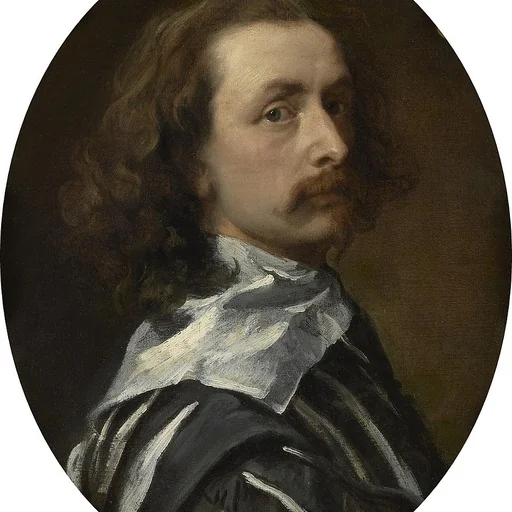
Sir Anthony van Dyck (; Dutch: Antoon van Dijck ; 22 March 1599 – 9 December 1641) was a Flemish Baroque artist, who became the leading court painter in England after success in the Spanish Netherlands and Italy.