Artwork
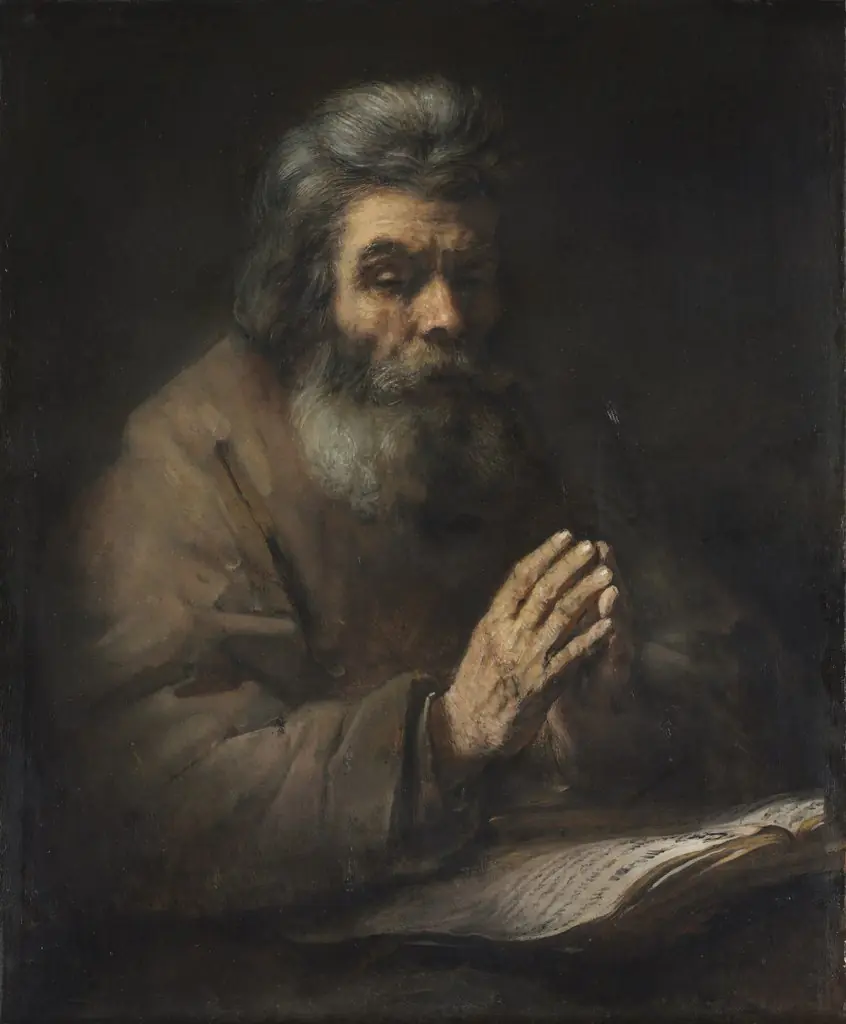
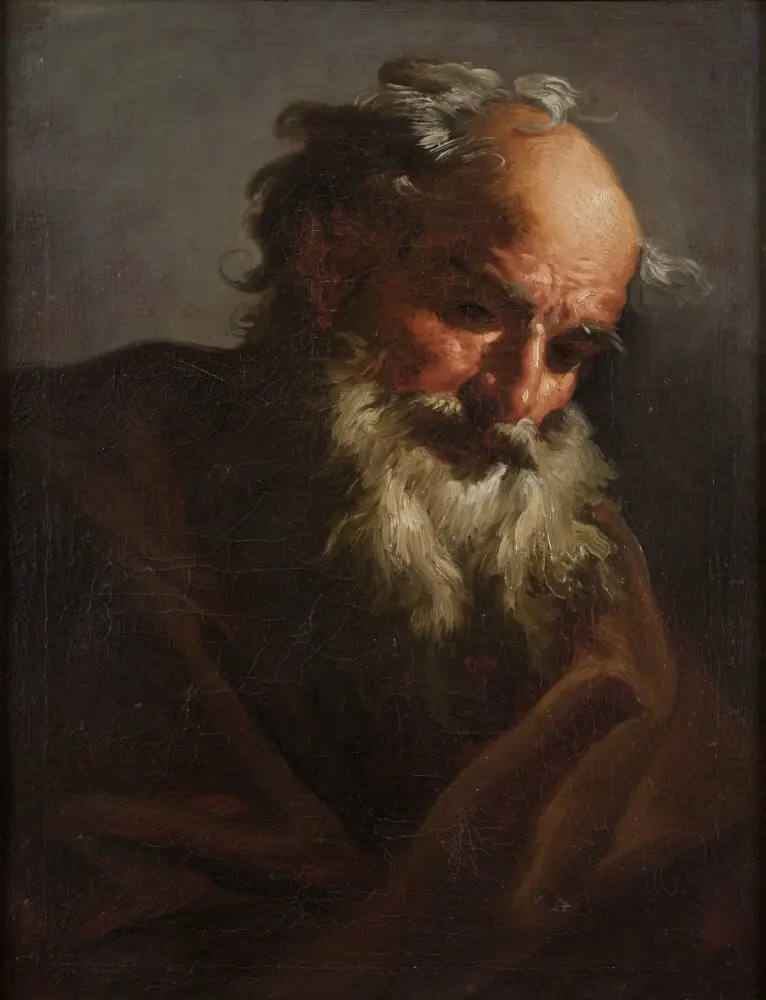
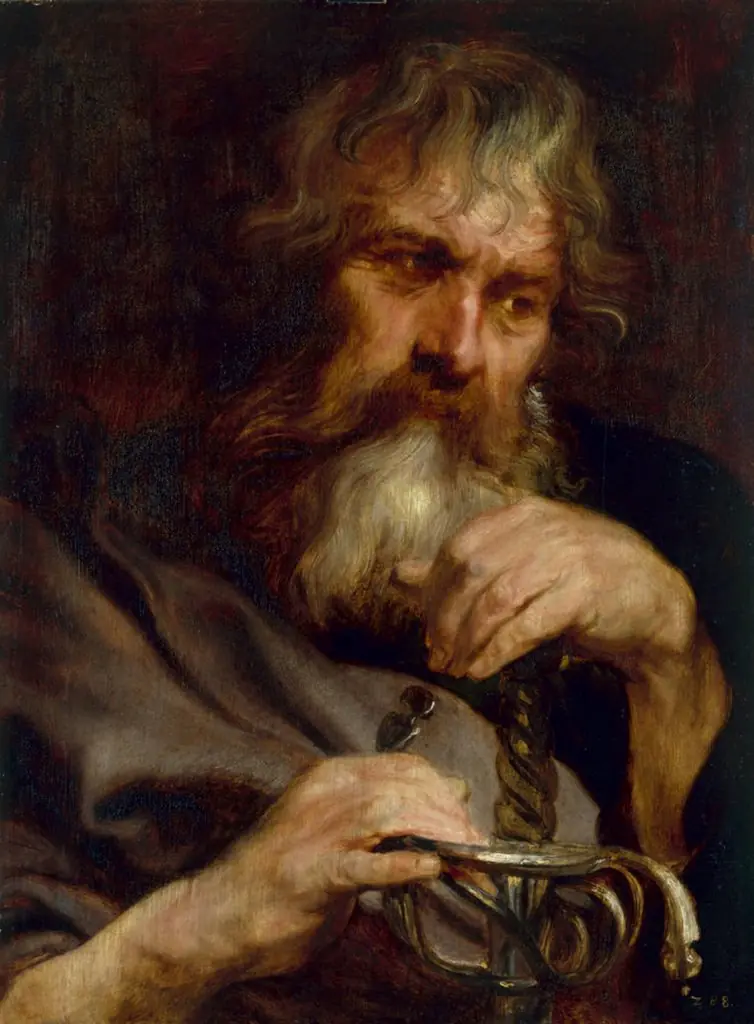
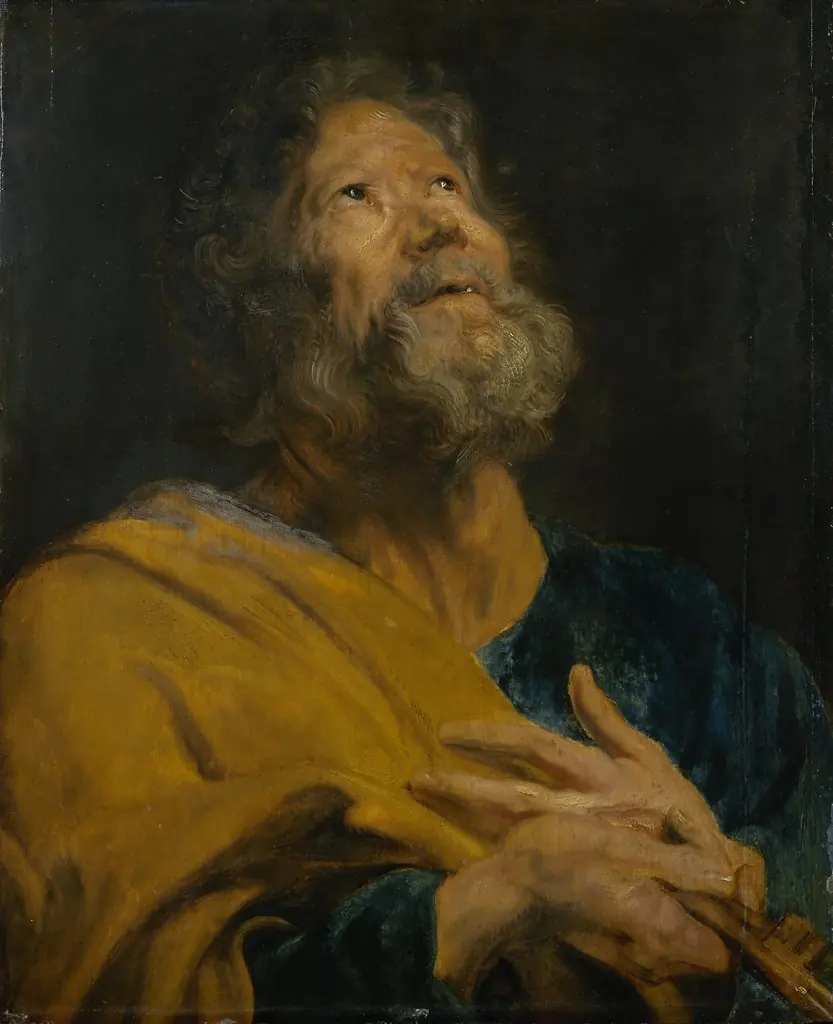
The Apostle Simon
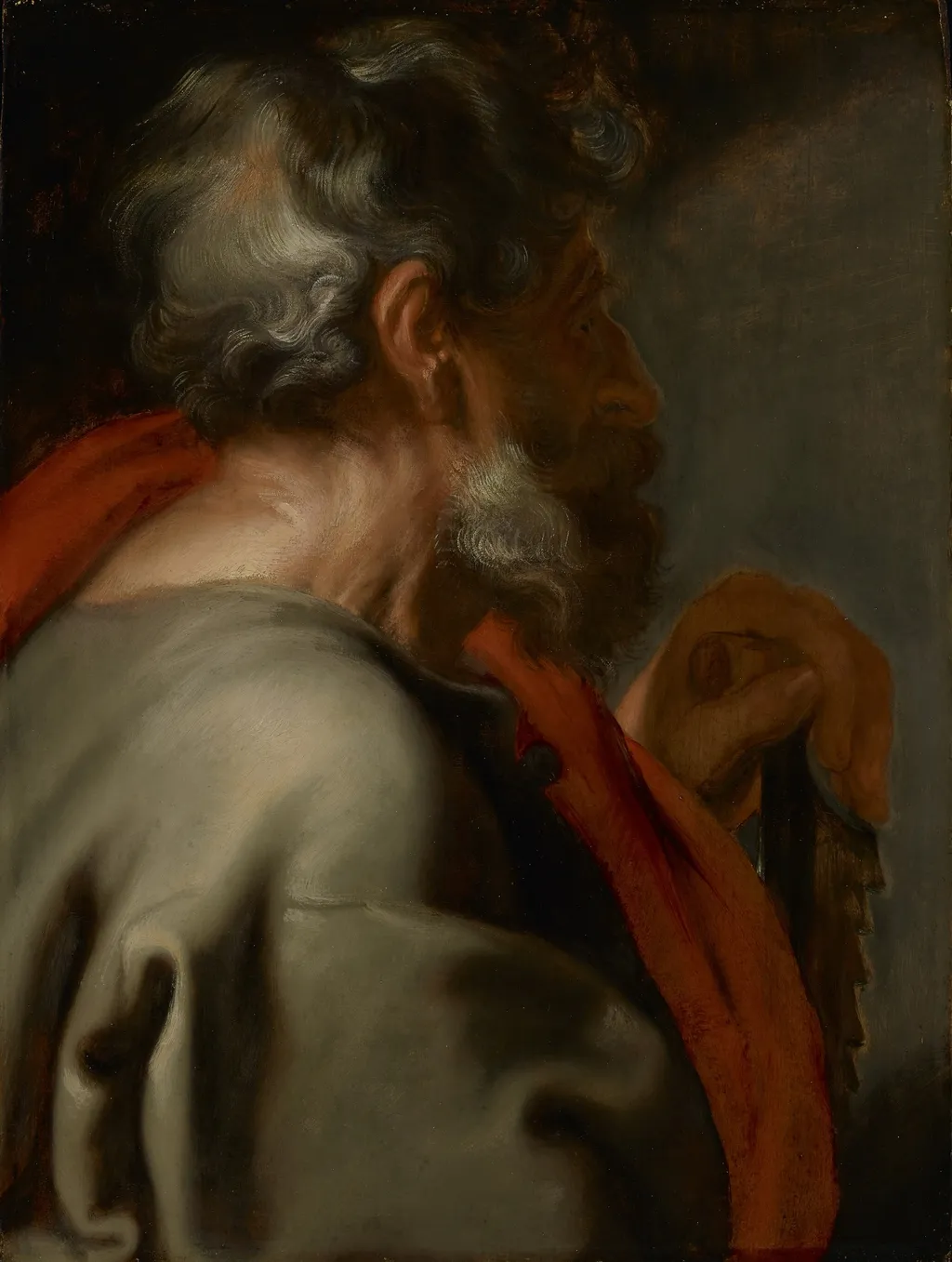
The Apostle Simon is an oil painting by the Flemish Baroque painting artist Anthony van Dyck. It dates from 1618 and is held in the collection of the J. Paul Getty Museum.
About this work
Overview
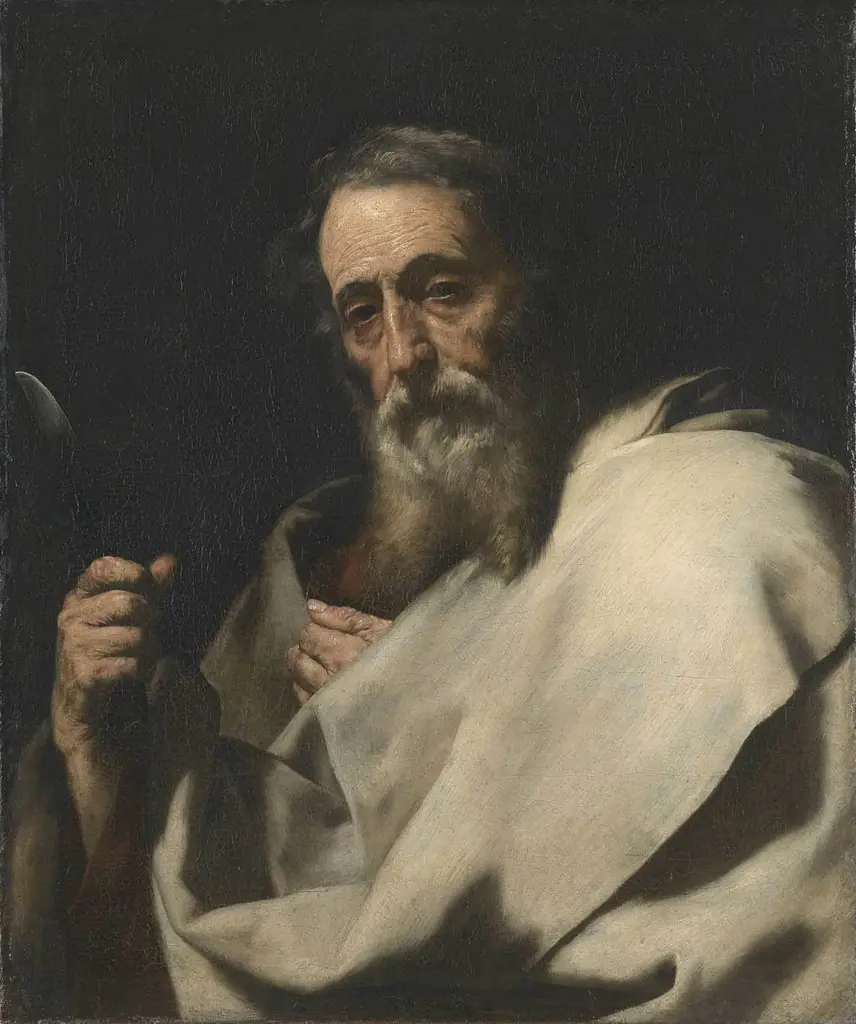
The Apostle Simon is a 1618 oil painting by Anthony van Dyck, a prominent Flemish Baroque artist. The work portrays one of Jesus' twelve apostles, identifiable through his attributes.
Subject & Meaning
The subject, Apostle Simon, is depicted with a traditional saw (possibly misidentified as a book/scroll due to the painting's condition or interpretation), symbolizing his martyrdom. His contemplative expression and relaxed posture convey a sense of quiet reflection.
Technique & Style
Van Dyck employs dramatic realism, characteristic of the Flemish Baroque, with a dark, gradient background creating depth. The contrast between the apostle's white robe, red sash, and the somber backdrop highlights the figure.
History & Provenance
Painted in 1618, shortly after Van Dyck became a master in the Guild of Saint Luke (1617), the painting is now part of the J. Paul Getty Museum's collection.
Context
Created during Van Dyck's early independence as an artist, The Apostle Simon reflects his training under Peter Paul Rubens and the religious themes prevalent in Flemish Baroque art.
Legacy
As part of Van Dyck's oeuvre, the painting contributes to the artist's reputation for capturing the emotional depth of biblical figures, influencing subsequent European portraiture and religious art.
Own this work as a print
Artist & collection
Artist
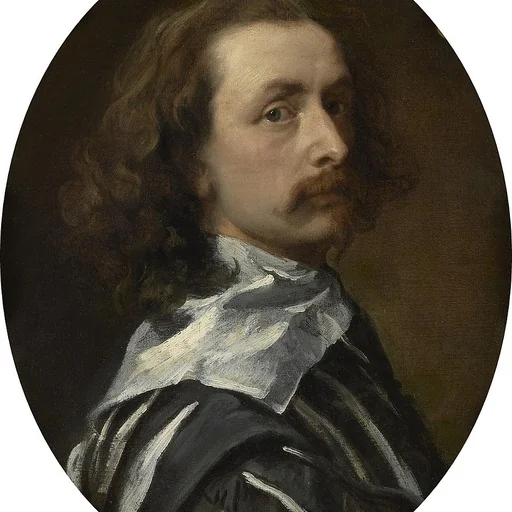
Sir Anthony van Dyck (; Dutch: Antoon van Dijck ; 22 March 1599 – 9 December 1641) was a Flemish Baroque artist, who became the leading court painter in England after success in the Spanish Netherlands and Italy.