Artwork
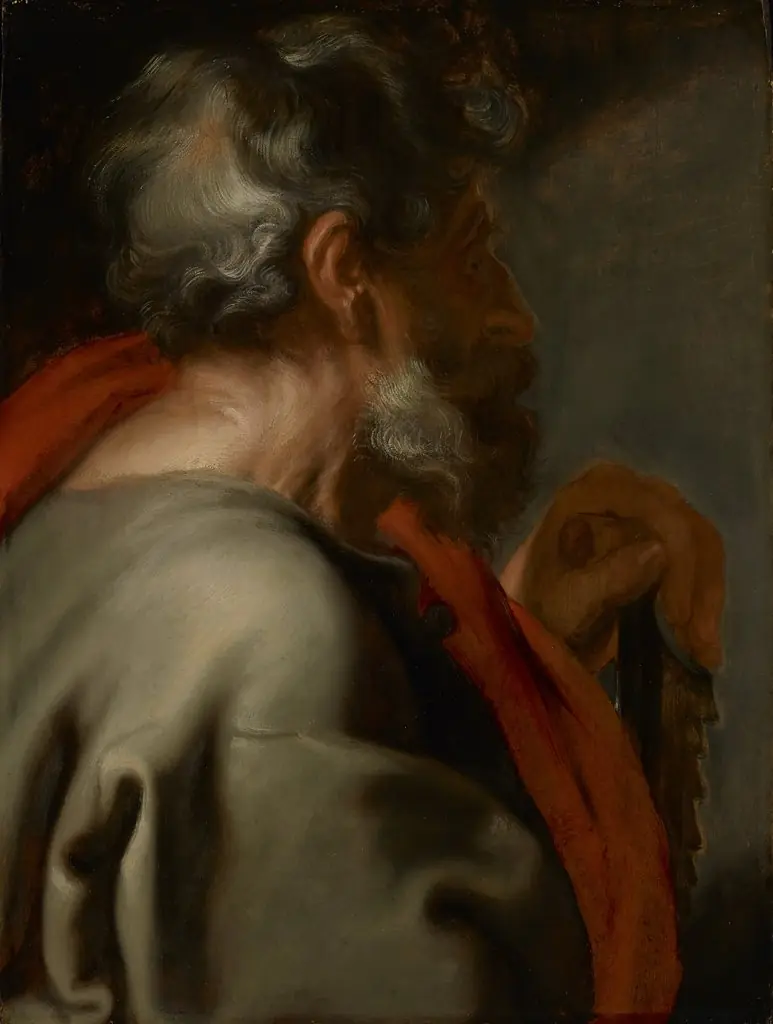
The Apostle Simon
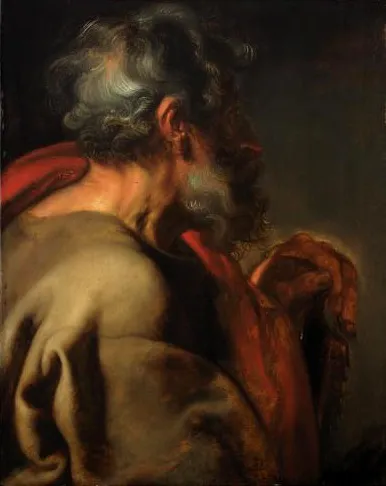
The Apostle Simon is a paint painting by the Flemish Baroque painting artist Anthony van Dyck. It dates from 1620 and is held in the collection of the Kunsthistorisches Museum.
About this work
Overview
The Apostle Simon is a 1620 painting by Anthony van Dyck, a prominent Flemish Baroque artist. The work portrays the apostle with a saw, his traditional attribute, and is characterized by Van Dyck's expressive and dynamic style.
Subject & Meaning
The subject, Apostle Simon, is depicted with a saw, symbolizing his martyrdom. His contemplative, serious expression and distant gaze convey a sense of solemnity. The composition focuses attention on the figure, emphasizing his individual character.
Technique & Style
Van Dyck employs chiaroscuro to create depth and volume, set against a dark background that highlights the subject's features. The painting's style aligns with Flemish Baroque, marked by expressive detail and dynamic composition.
History & Provenance
Created in 1620, The Apostle Simon is part of the Kunsthistorisches Museum's collection. Van Dyck, trained under Peter Paul Rubens, was active in the Spanish Netherlands and England, reflecting the broader artistic currents of his time.
Context
As a Flemish Baroque work, it reflects the period's emphasis on emotional intensity and realistic depiction. Van Dyck's training under Rubens influences the painting's expressive and technically proficient character.
Legacy
The Apostle Simon contributes to Van Dyck's reputation as a leading portraitist of the Baroque era, showcasing his ability to capture the inner life of his subjects through subtle, expressive techniques.
Artist & collection
Artist
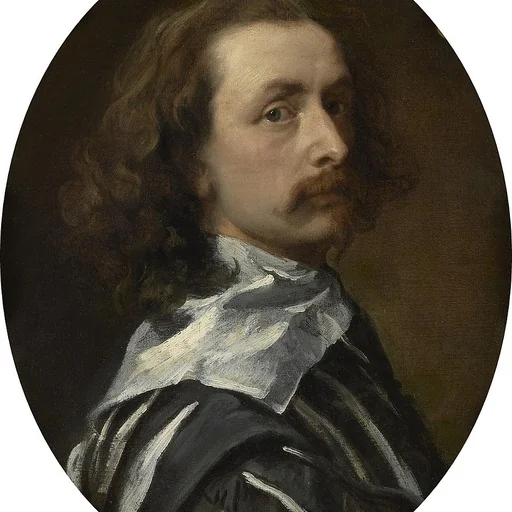
Sir Anthony van Dyck (; Dutch: Antoon van Dijck ; 22 March 1599 – 9 December 1641) was a Flemish Baroque artist, who became the leading court painter in England after success in the Spanish Netherlands and Italy.