Artwork
The apostle Matthew
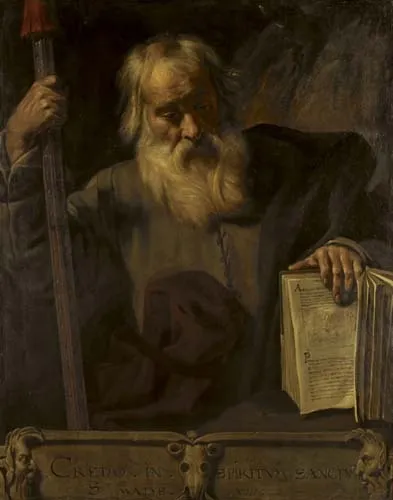
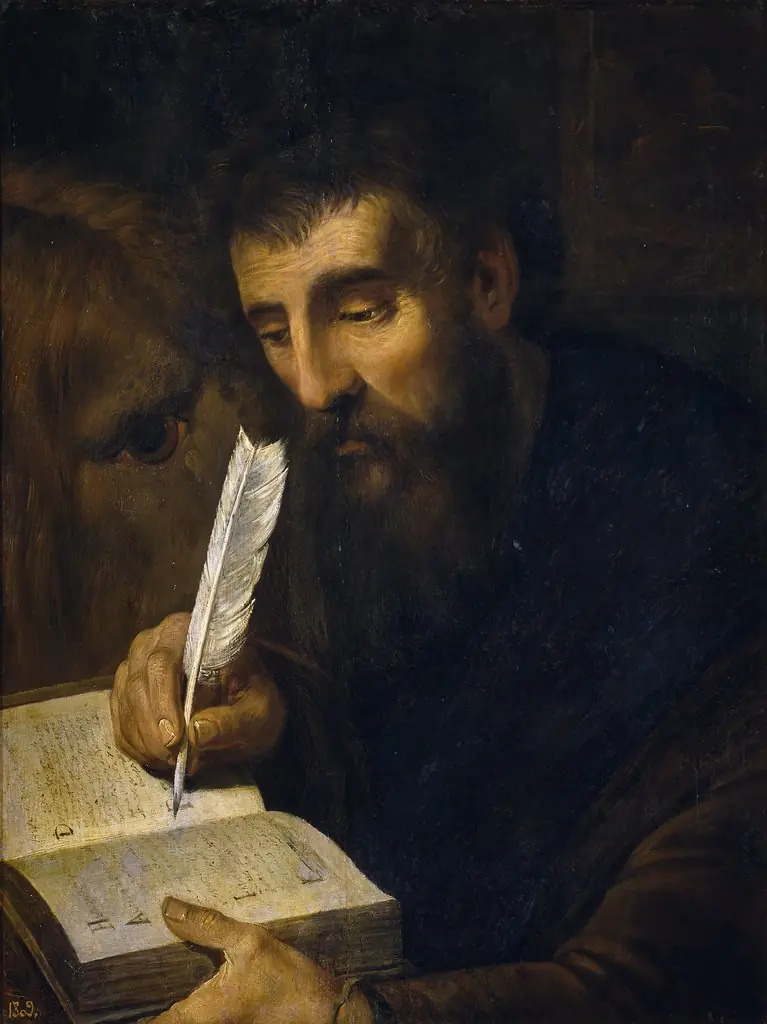
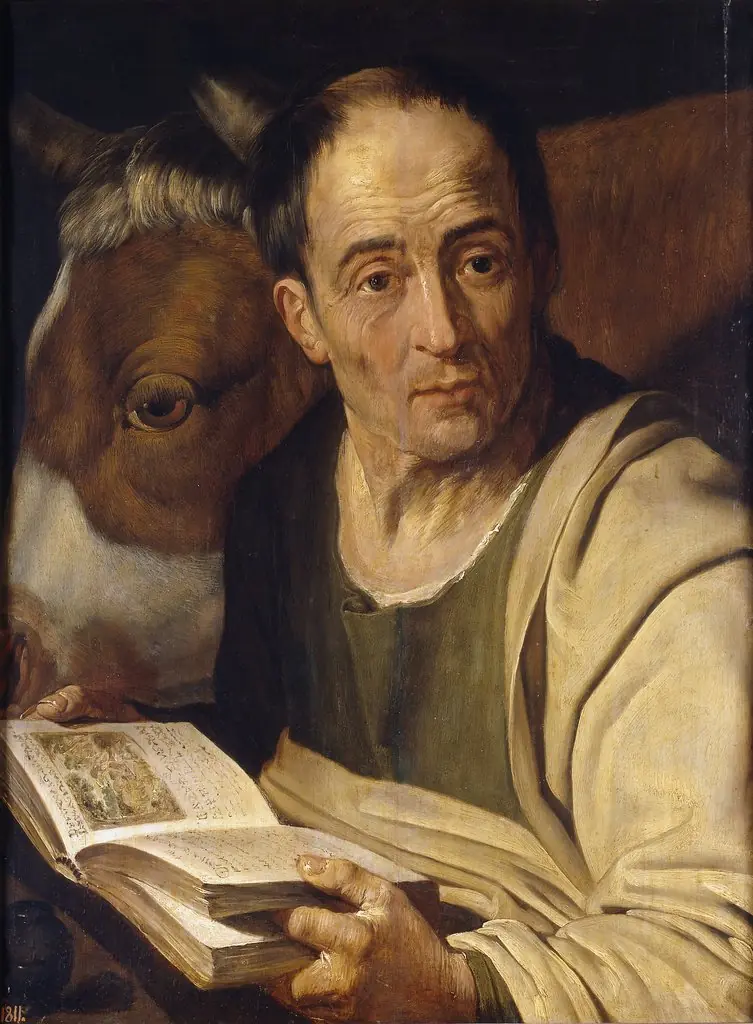
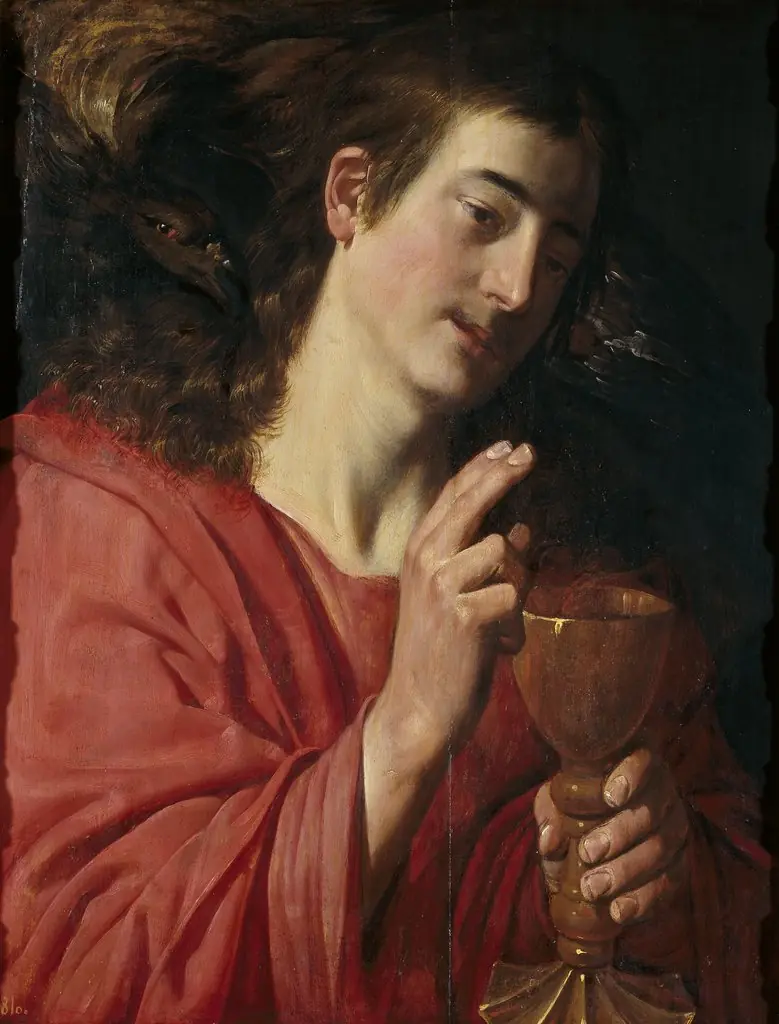
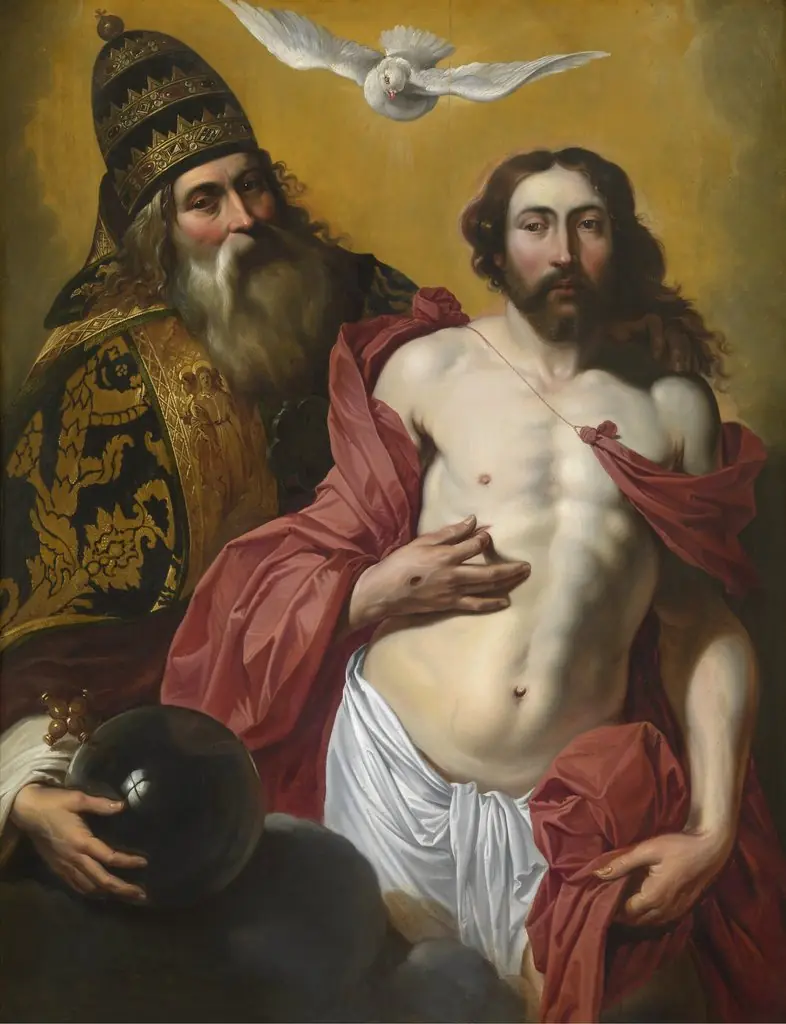
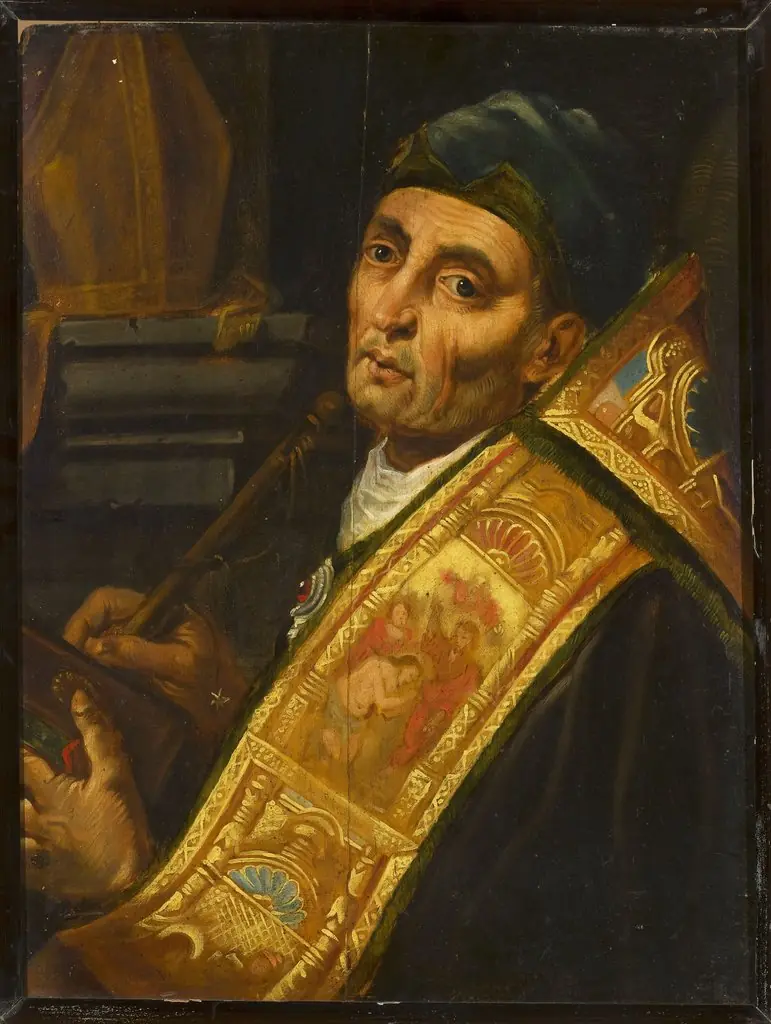
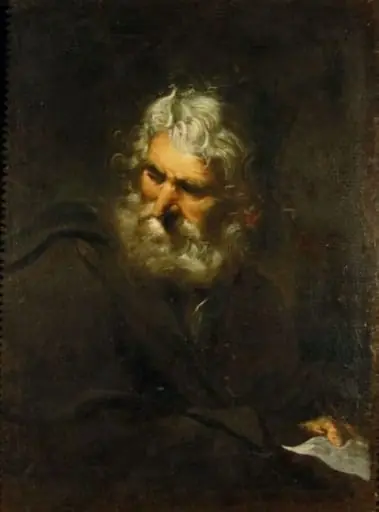
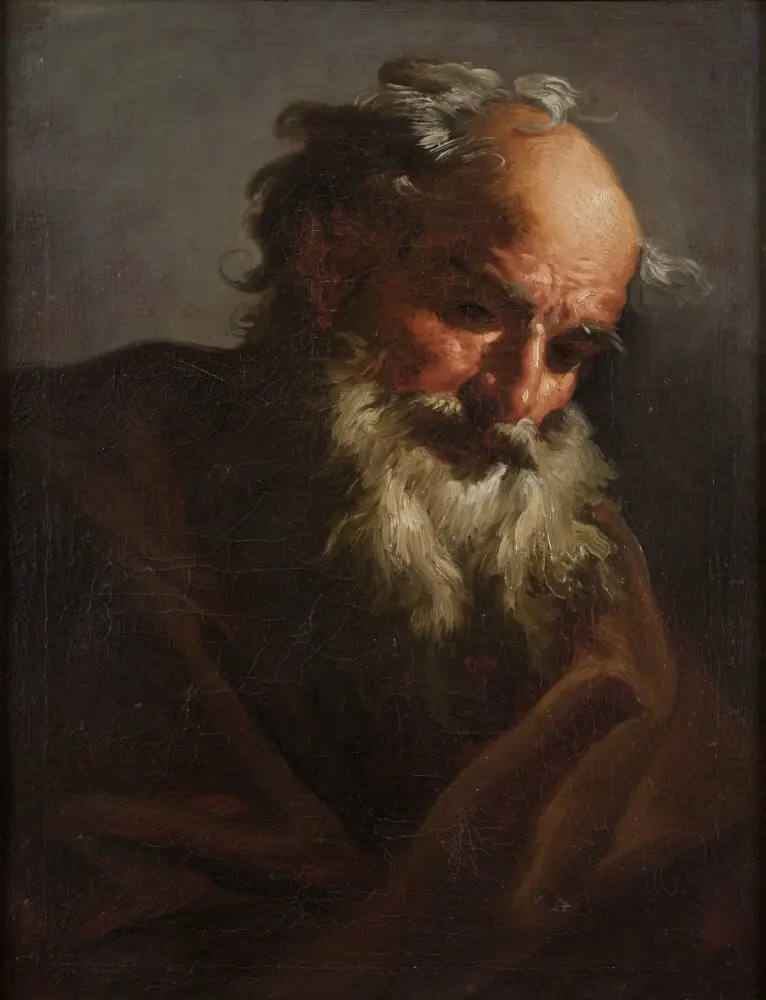
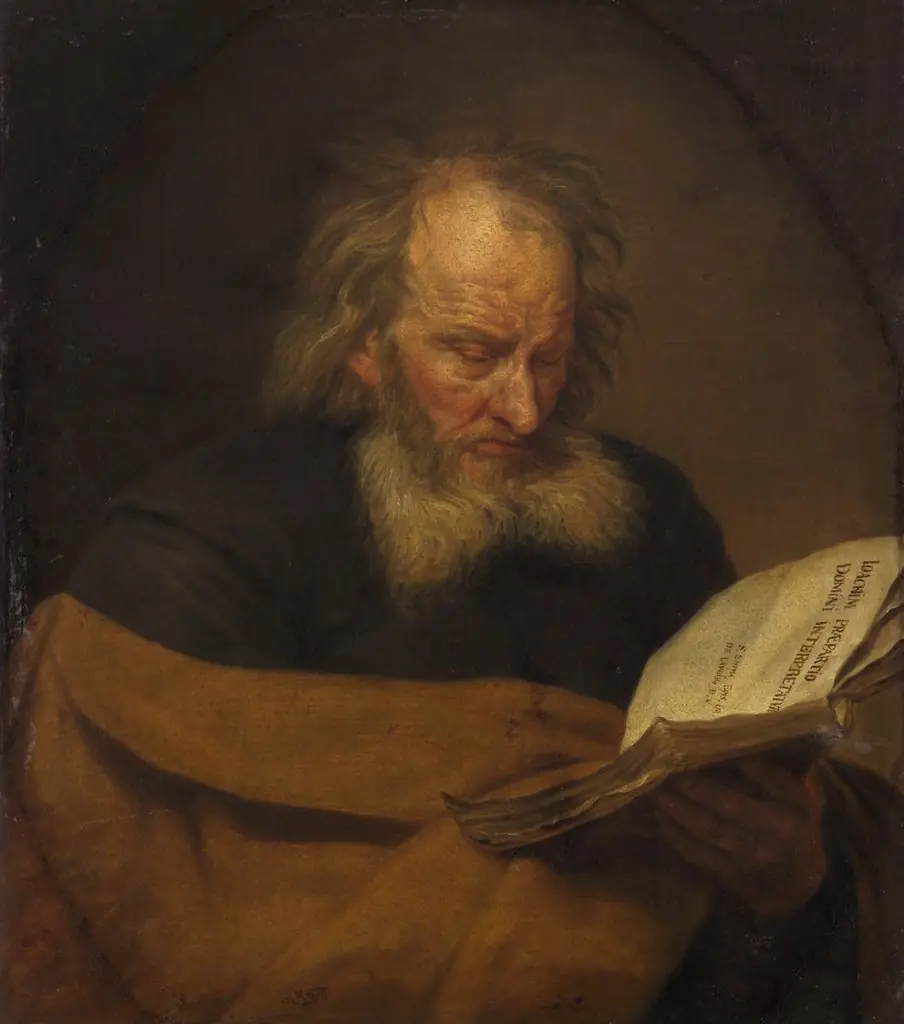
The apostle Matthew is an oil painting by the Flemish Baroque painting artist Artus Wolffort. It dates from 1618 and is held in the collection of the Royal Museums of Fine Arts of Belgium.
About this work
Overview
Created during the early Baroque period, the painting reflects Wolffort’s engagement with religious narratives common in Flemish devotional art.
Painted in 1618 by Flemish artist Artus Wolffort, this oil-on-canvas work portrays the apostle Matthew as a contemplative elder. Created during the early Baroque period, the painting reflects Wolffort’s engagement with religious narratives common in Flemish devotional art. Its intimate scale and focused composition suggest it was intended for private or ecclesiastical reflection rather than public display.
Subject & Meaning
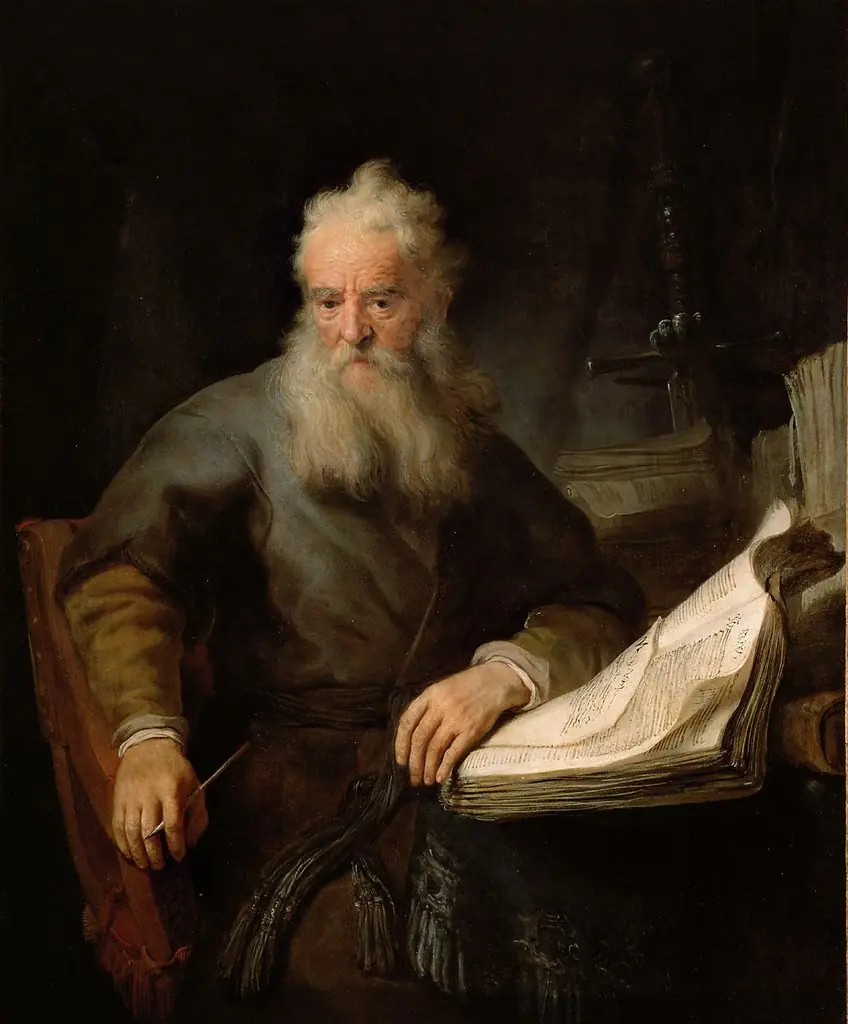
The figure of Matthew is rendered as an aged scholar, his white beard and solemn expression conveying spiritual authority. He holds a book—likely the Gospel he authored—and a staff, symbols of his role as evangelist and teacher. The absence of narrative action directs attention to his inner life, emphasizing contemplation over drama. The image invites viewers to consider divine inspiration as a quiet, personal revelation.
Technique & Style
Wolffort employs chiaroscuro to model the figure with strong contrasts between light and shadow, lending volume and emotional weight to the face and hands. The dark, unbroken background isolates the figure, enhancing focus. Brushwork is precise yet restrained, with careful attention to texture in fabric and skin. The realism is neither theatrical nor idealized, aligning with a sober, introspective Baroque sensibility.
History & Provenance
The painting entered the collection of the Royal Museums of Fine Arts of Belgium in the 19th century, likely through state acquisition or donation. Its documented history before this is limited, but its style and date place it within Wolffort’s mature output during his time in Antwerp. It has remained in public ownership since its acquisition, with no evidence of significant alteration or reattribution.
Context
In early 17th-century Flanders, religious imagery remained central amid the Counter-Reformation’s emphasis on personal piety. Artists like Wolffort responded to Church demands for clear, emotionally resonant depictions of saints and apostles. While less flamboyant than Rubens’ works, Wolffort’s approach reflects a quieter, more introspective strand of Flemish Baroque, suited to monastic or scholarly audiences.
Legacy
Though not widely exhibited outside Belgium, the painting exemplifies a lesser-known facet of Flemish Baroque: restrained, psychologically grounded portraiture of sacred figures. It contributes to understanding how religious identity was visually cultivated beyond grand altarpieces. Wolffort’s work, including this piece, remains a reference for studies on devotional painting in the Southern Netherlands.
Artist & collection
Artist
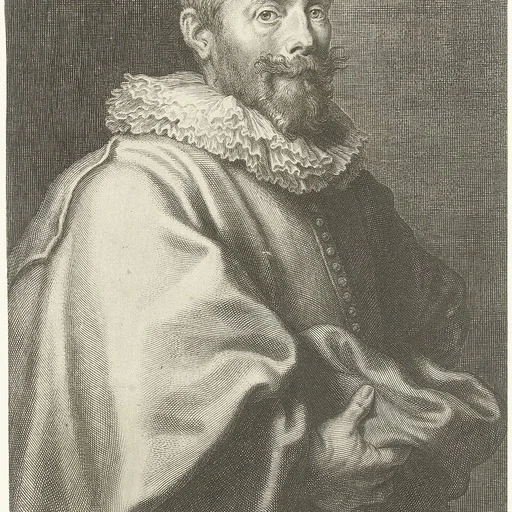
Artus Wolffort, Artus Wolffaert or Artus Wolffaerts (1581–1641) was a Flemish painter known mainly for his history paintings depicting religious and mythological scenes.

Museum
Royal Museums of Fine Arts of Belgium
Continue through works from the same source collection.