Artwork
Three studies of heads
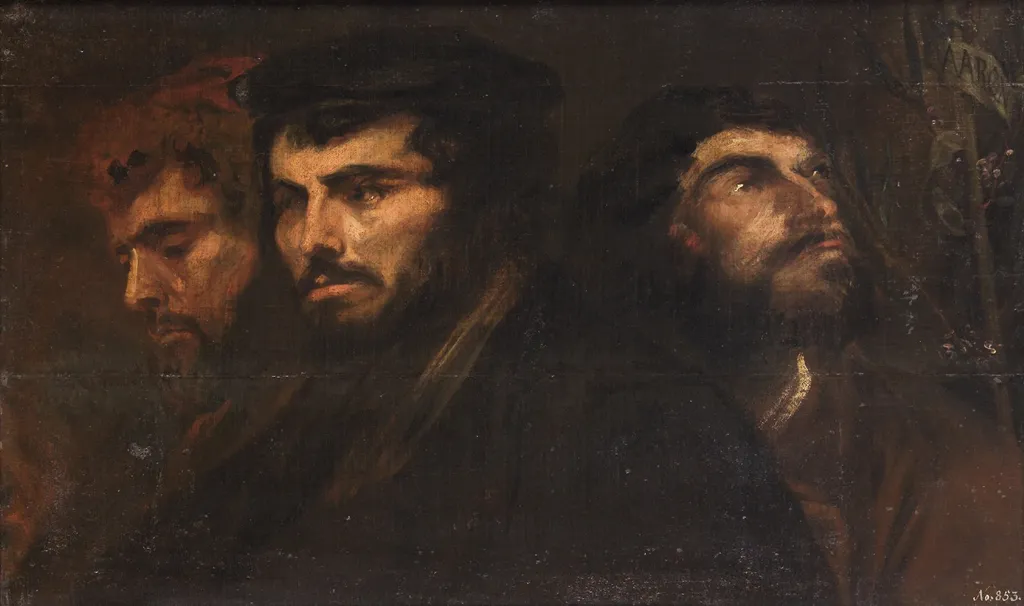
Three studies of heads is an unspecified painting by the Flemish Baroque painting artist Anthony van Dyck. It dates from 1622 and is held in the collection of the Kunsthistorisches Museum.
About this work
Overview
Created in 1622, *Three Studies of Heads* is a small oil painting by the Flemish artist Anthony van Dyck. It presents three male busts rendered in profile against a uniform dark brown ground. Each figure displays a different gaze—downward, forward, and upward—offering a concise study of individual expression within a unified compositional space.
Subject & Meaning
The work functions as a series of observational sketches, likely drawn from separate sitters. By isolating the heads and varying the direction of sight, van Dyck explores the psychological nuances of posture and facial tension, inviting viewers to consider the individuality of each model within a shared artistic exercise.
Technique & Style
Van Dyck employs a restrained palette of earthy tones, allowing subtle shifts of light and shadow to model the forms. Visible brushwork contributes a tactile surface, while the chiaroscuro effect gives the heads a palpable sense of volume. The handling reflects the Flemish Baroque emphasis on realism and the study of human physiognomy.
History & Provenance
The painting belongs to the collection of the Kunsthistorisches Museum in Vienna. Van Dyck, a native of Antwerp and former apprentice of Peter Paul Rubens, completed the piece early in his career, before his later appointment as court painter to Charles I of England. Its acquisition by the museum places it among other works illustrating the development of 17th‑century Flemish portraiture.
Artist & collection
Artist
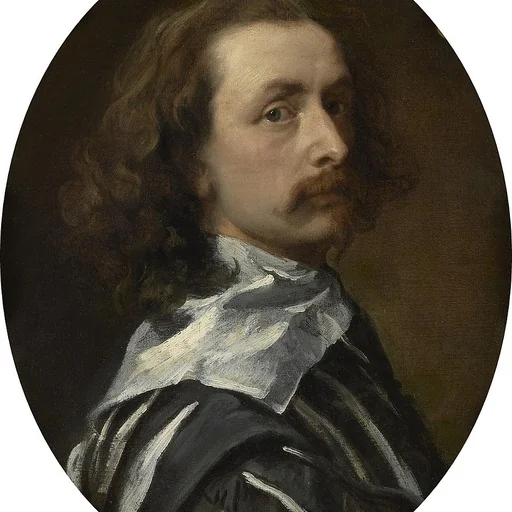
Sir Anthony van Dyck (; Dutch: Antoon van Dijck ; 22 March 1599 – 9 December 1641) was a Flemish Baroque artist, who became the leading court painter in England after success in the Spanish Netherlands and Italy.

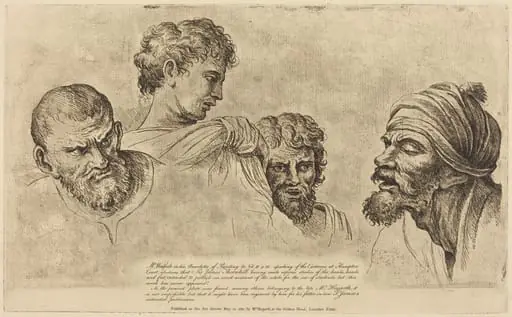 Four Heads from the Raphael Cartoons at Hampton Court
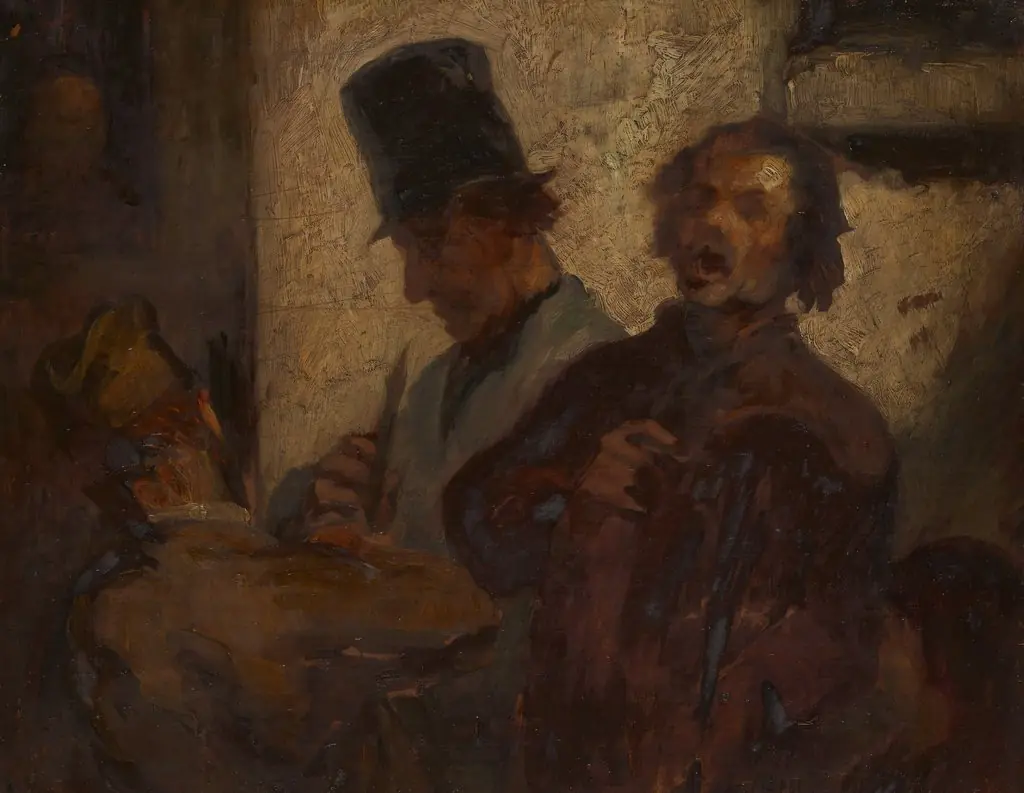 Street Musicians
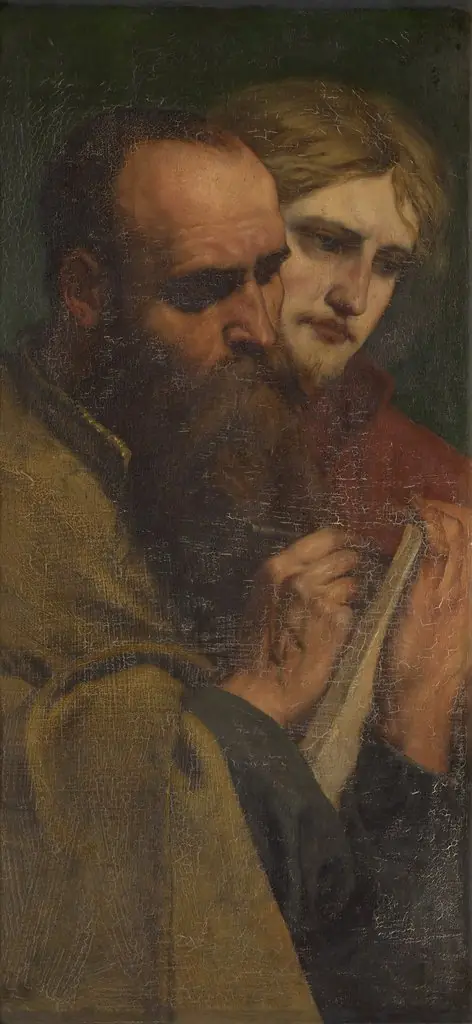 Two Evangelists
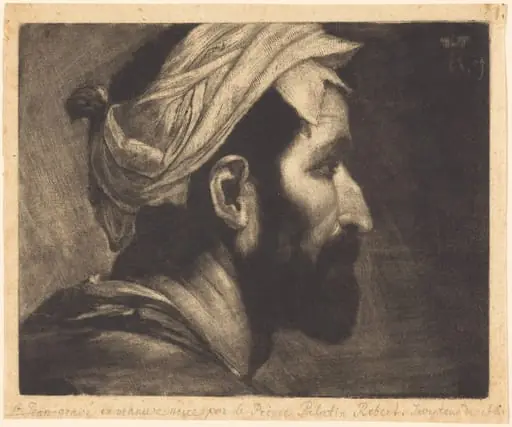 Head of the Executioner
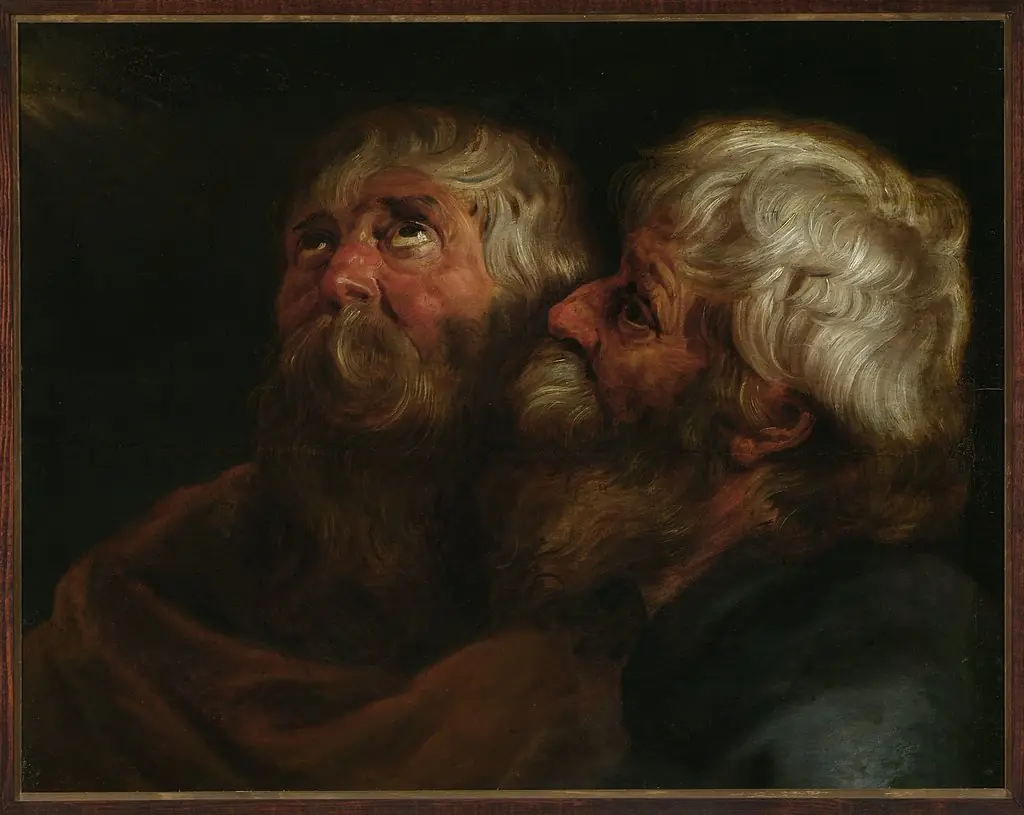 Two heads of apostles
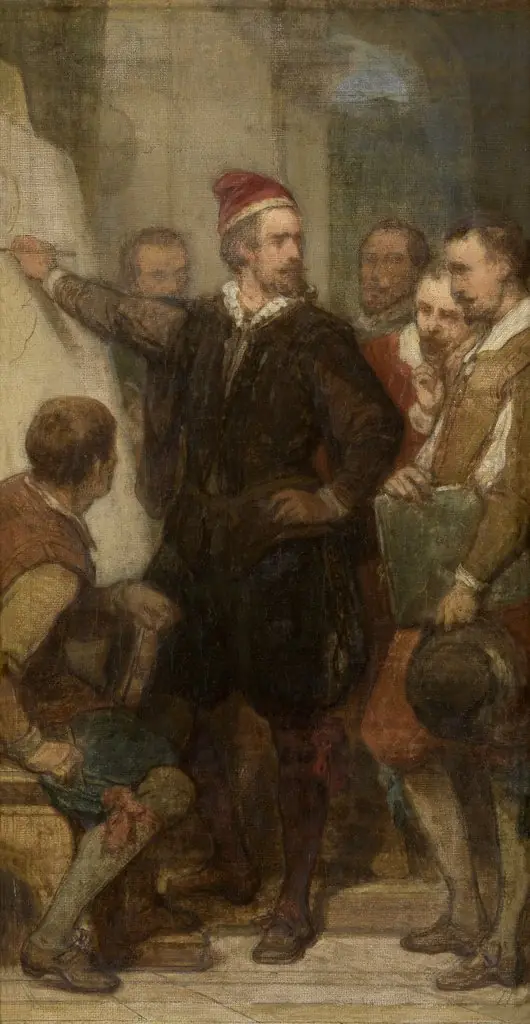 The Painter Denys Calvaert in Bologna
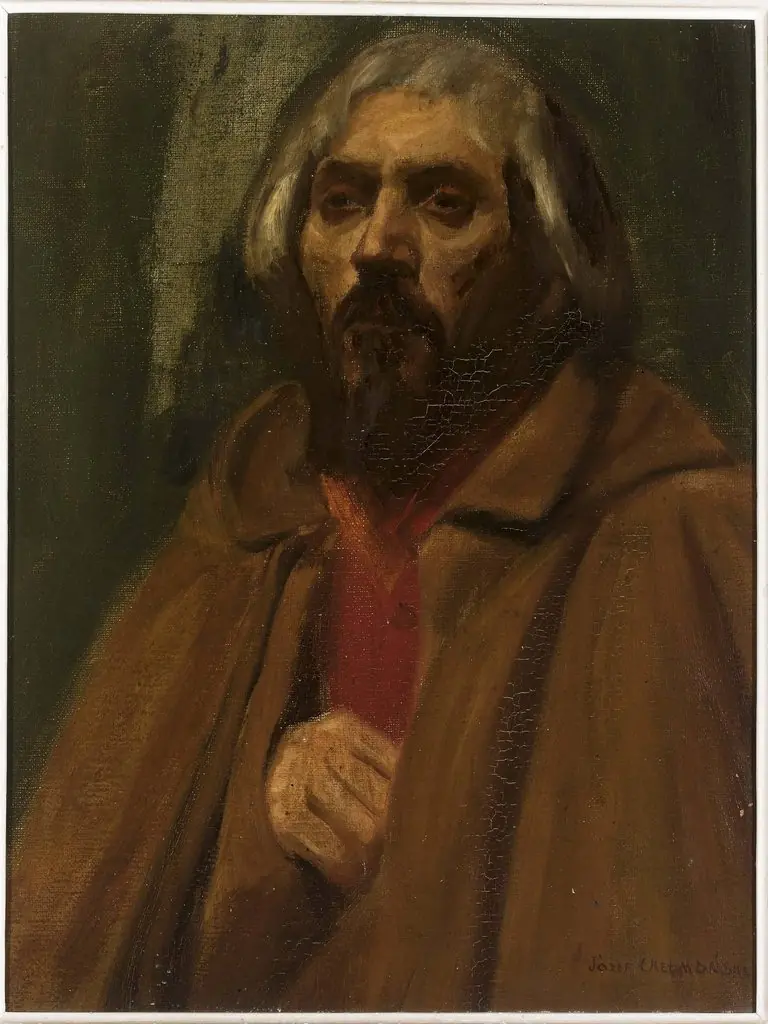 Portrait of a peasant
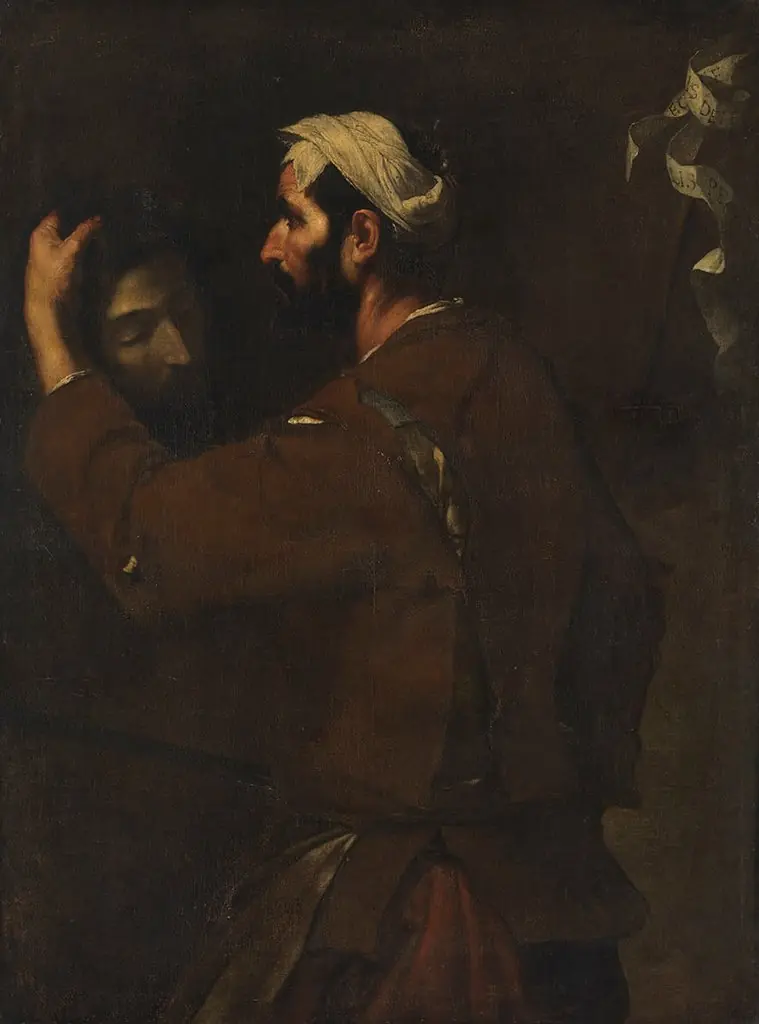 Der Henker mit dem Haupte Johannes des Täufers (Nachahmer)
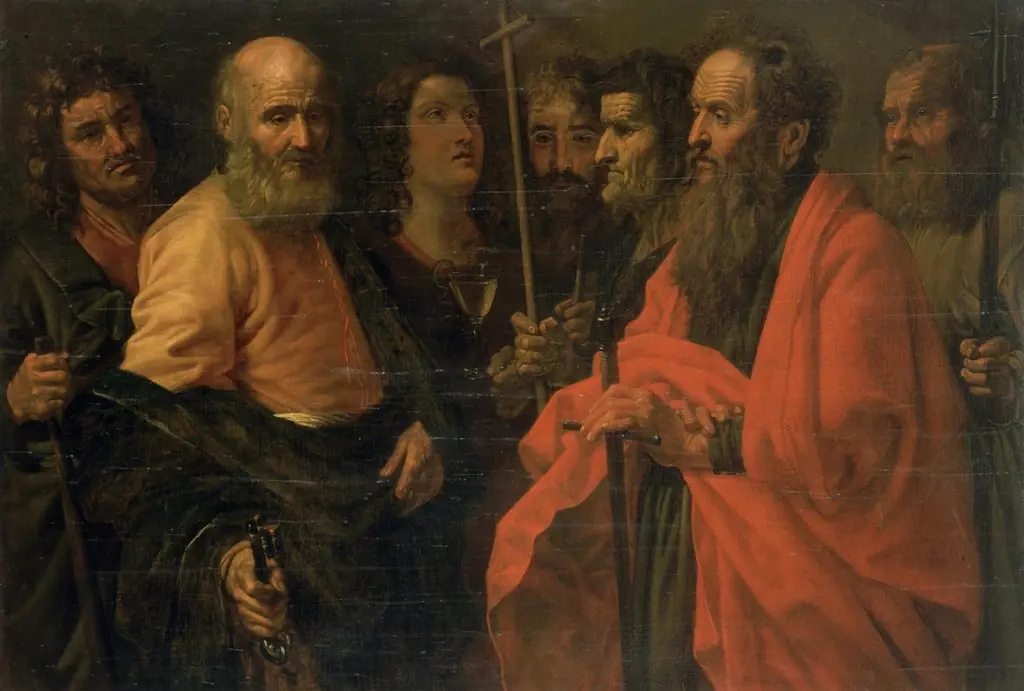 St James the Less, Sts Peter, Paul, John, Thomas, Philip, Judas and Thaddeus the Apostles
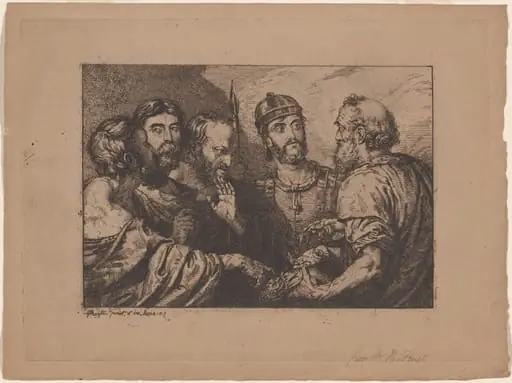 The Tribute Money