Artwork
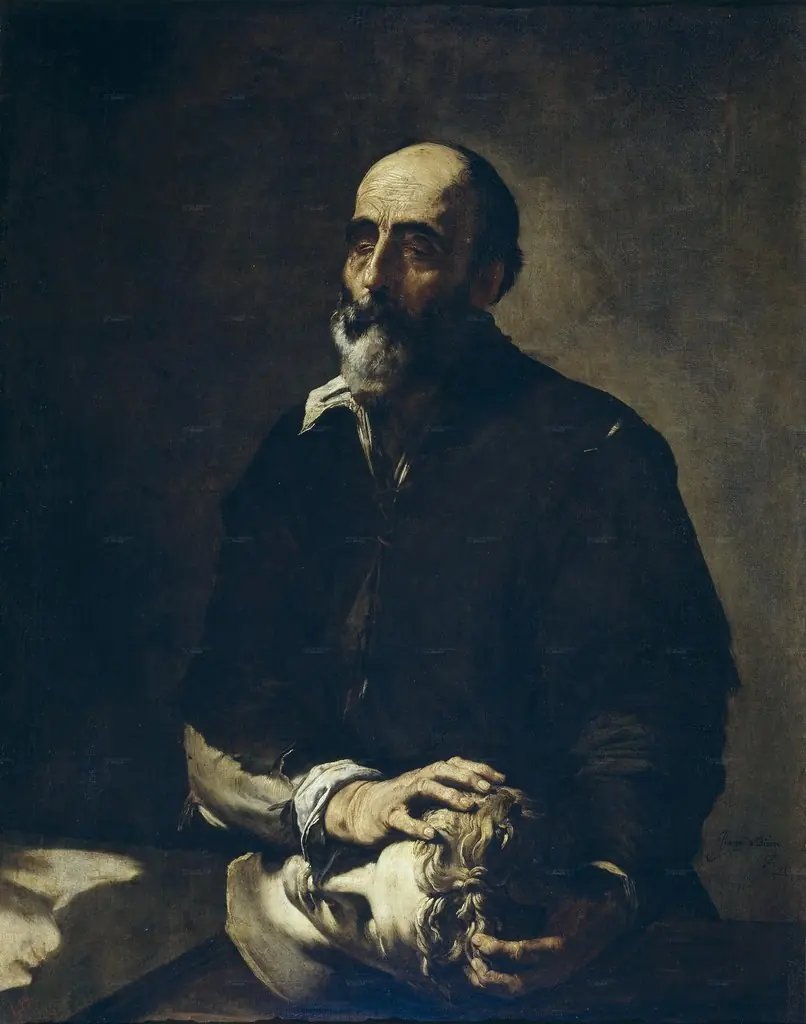
Der Henker mit dem Haupte Johannes des Täufers (Nachahmer)
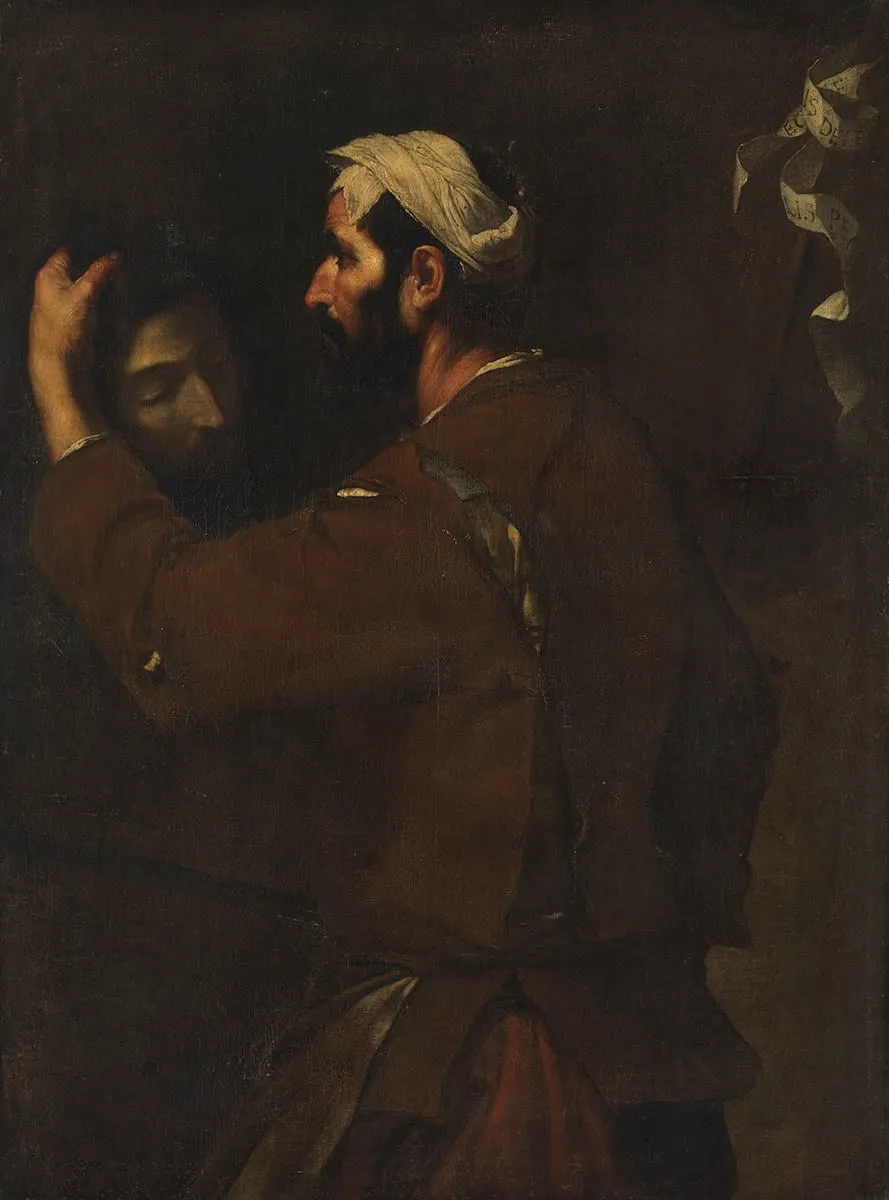
Der Henker mit dem Haupte Johannes des Täufers (Nachahmer) is an unspecified painting by the Early Baroque Italian artist Jusepe de Ribera. It dates from 1621 and is held in the collection of the Bavarian State Painting Collections.
About this work
Overview
The work resides in the Alte Pinakothek in Munich, where it is presented as part of a broader collection of early 17th-century European religious art.
This painting, attributed to a follower of Jusepe de Ribera, dates to around 1621 and reflects the stylistic imprint of the Spanish Baroque painter active in Naples. Though not executed by Ribera himself, it closely emulates his approach to religious subject matter and dramatic lighting. The work resides in the Alte Pinakothek in Munich, where it is presented as part of a broader collection of early 17th-century European religious art.
Subject & Meaning
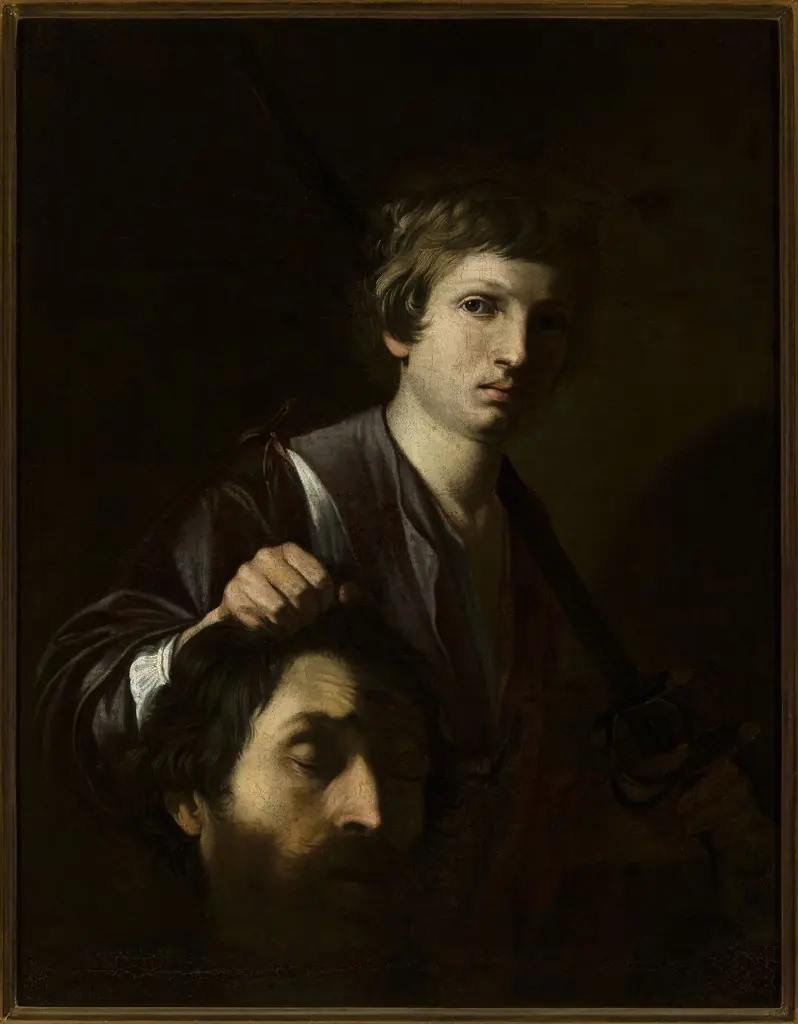
The scene portrays the executioner holding the severed head of John the Baptist, a moment drawn from the biblical account of his martyrdom. The figure’s solemn posture and the presence of the staff suggest a ritualized act, imbuing the violence with a sense of solemn duty. The faint secondary face in the background may allude to Herod’s guilt or divine witness, deepening the narrative’s moral weight without overt symbolism.
Technique & Style
The artist employs strong chiaroscuro to isolate the executioner against a deep, shadowed background, emphasizing texture in the fabric and skin. The white headband and cloth tied to the staff contrast sharply with the brown robe, directing focus to the head as the central motif. The restrained palette and muted tones reflect a preference for psychological realism over theatricality, aligning with Ribera’s influence but without his most intense naturalism.
History & Provenance
The painting entered the Alte Pinakothek’s collection in the 19th century, likely acquired during a period of heightened interest in Spanish Baroque works. Its attribution as a follower’s copy suggests it was produced in a workshop setting, possibly in Naples or southern Italy, where Ribera’s style was widely imitated. No definitive records of its earlier ownership exist, but its condition indicates consistent care since at least the 1800s.
Context
In early 17th-century Naples, religious imagery often emphasized physical suffering and moral consequence, reflecting Counter-Reformation ideals. Ribera’s circle, including followers and students, produced numerous variations on biblical martyrdoms. This painting fits within that tradition, serving devotional or didactic purposes in churches or private collections where visceral depictions of sacred stories were valued for their emotional impact.
Legacy
Though not by Ribera’s hand, the work preserves key elements of his visual language—dramatic lighting, unidealized figures, and psychological intensity. It illustrates how his style permeated regional workshops and influenced later depictions of religious violence in southern Europe. As a copy, it offers insight into the transmission of Baroque aesthetics beyond the master’s direct output.
Artist & collection
Artist
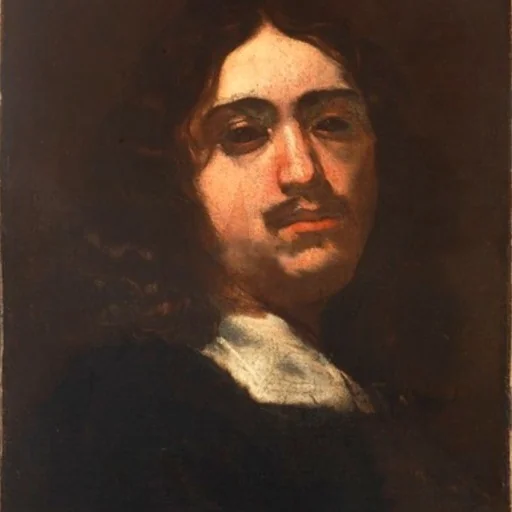
Jusepe de Ribera (Valencian: ; baptised 17 February 1591 – 3 November 1652) was a Spanish painter and printmaker.