Artwork
Dionysius the Areopagite Converting the Pagan Philosophers
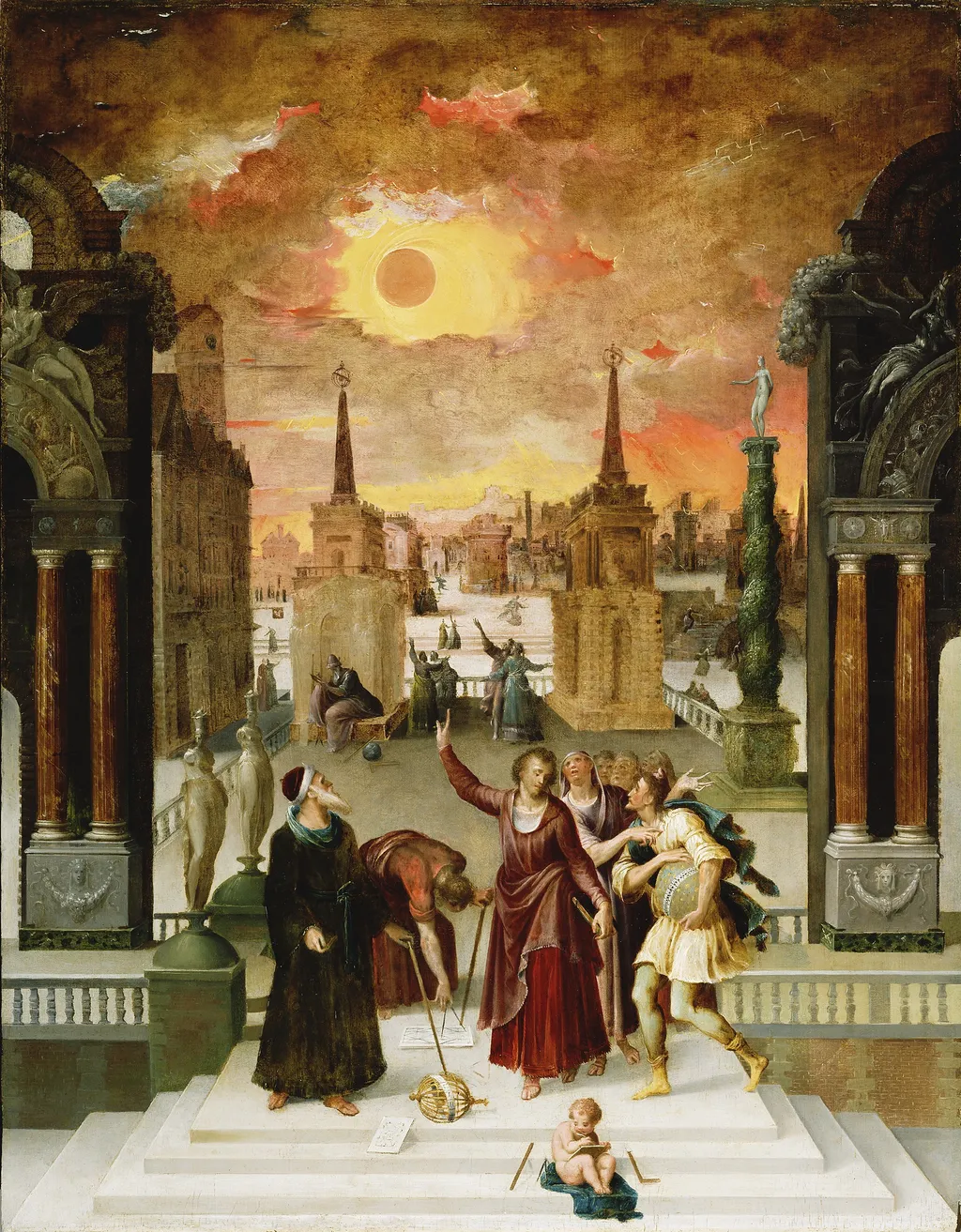
Dionysius the Areopagite Converting the Pagan Philosophers is an oil painting by the Early Baroque Italian artist Antoine Caron. It dates from 1570 and is held in the collection of the J. Paul Getty Museum.
About this work
Overview
Dionysius the Areopagite Converting the Pagan Philosophers is a 1570 oil painting by Antoine Caron, a French artist associated with the School of Fontainebleau. It is now held in the J. Paul Getty Museum.
Subject & Meaning
The painting depicts a woman in a red dress addressing a group on a raised platform before a cityscape. A baby sits on a blue cloth in the foreground. The scene likely represents a conversion or sermon, possibly of pagan philosophers by Dionysius the Areopagite.
Technique & Style
Caron's background as a glassmaker and illustrator is evident in the intricate composition and detailed textures. The work's dramatic style reflects its connection to the early Baroque movement.
History & Provenance
Created during the French Wars of Religion, the painting reflects Caron's experience in the Valois court. Its current location is the J. Paul Getty Museum.
Context
The painting's themes and style are informed by Caron's role in the turbulent Valois court and the religious tensions of the time.
Artist & collection
Artist
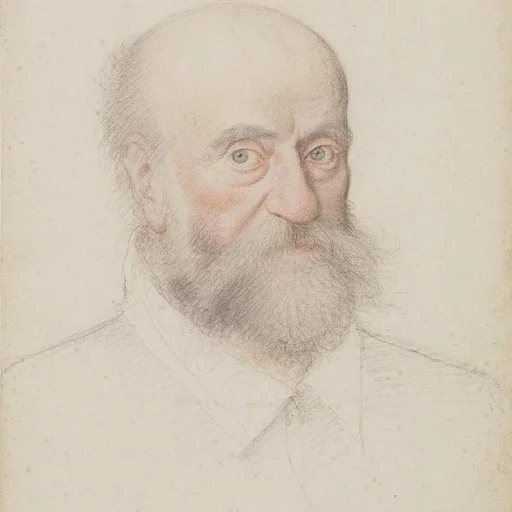
Antoine Caron (1521–1599) was a French master glassmaker, illustrator, Northern Mannerist painter and a product of the School of Fontainebleau.

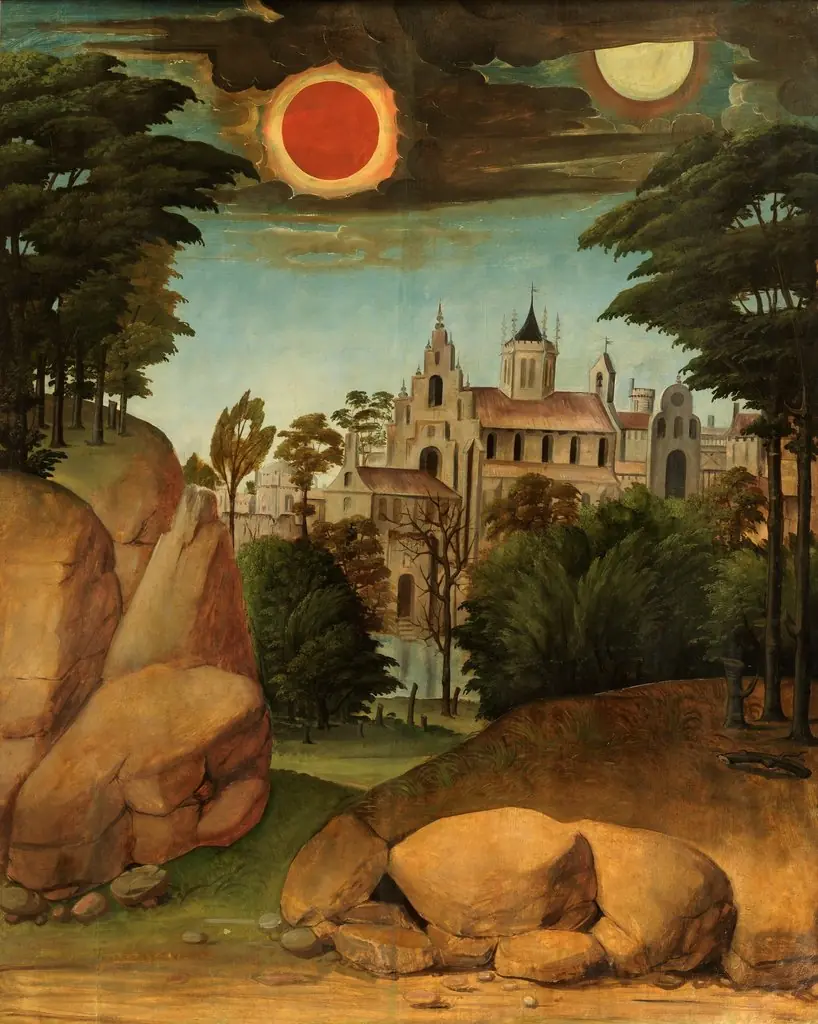 Paisaje con arquitectura
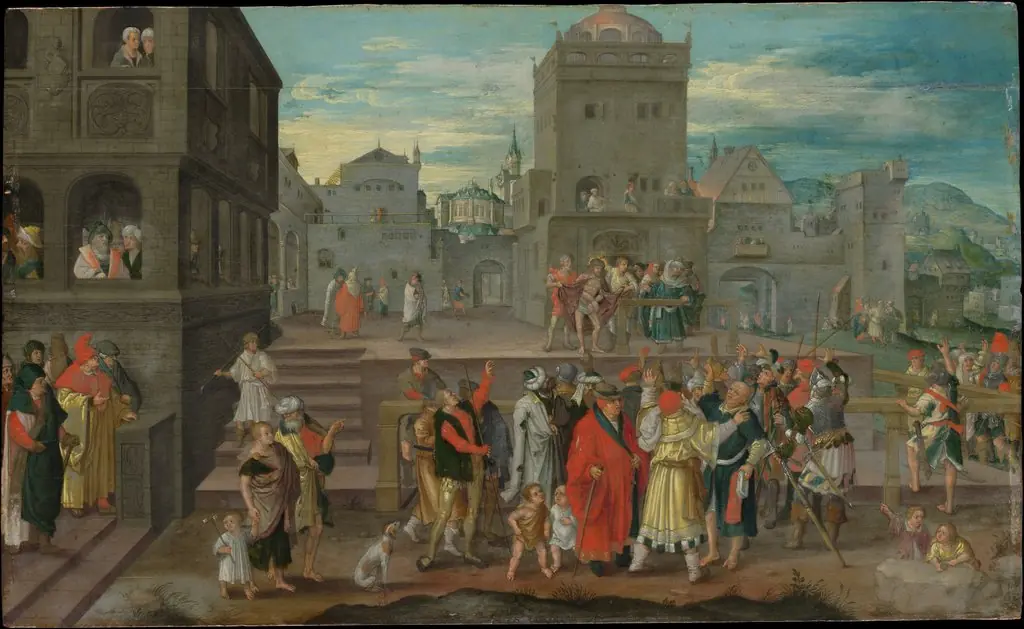 Christ Presented to the People
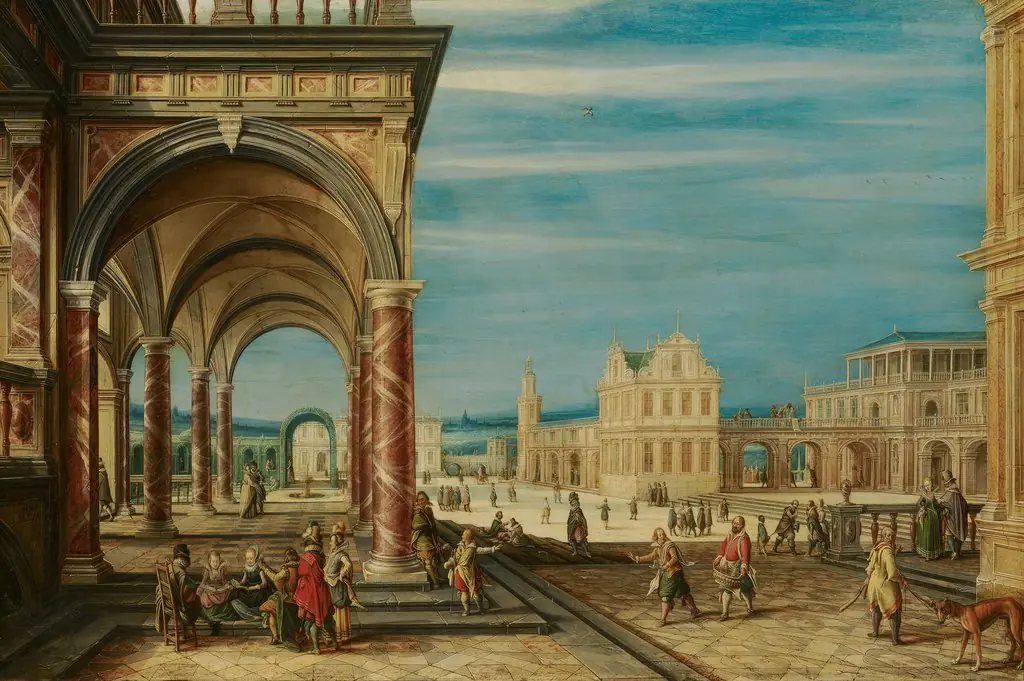 A Square with Imaginary Buildings
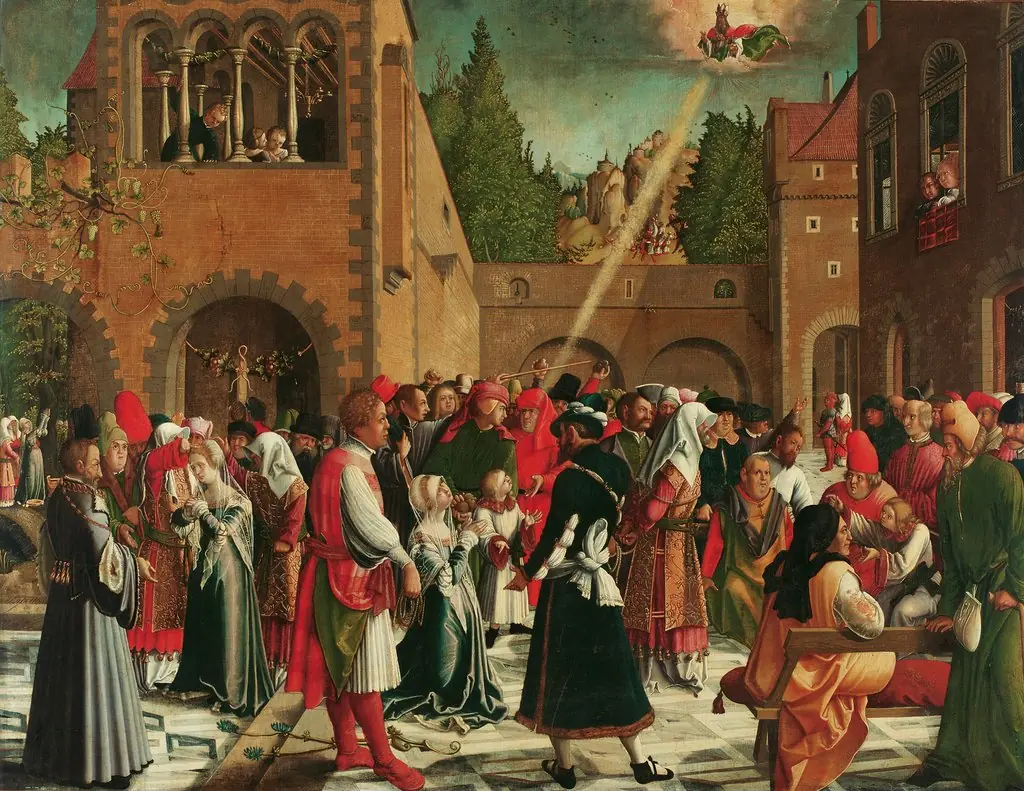 Susannenlegende
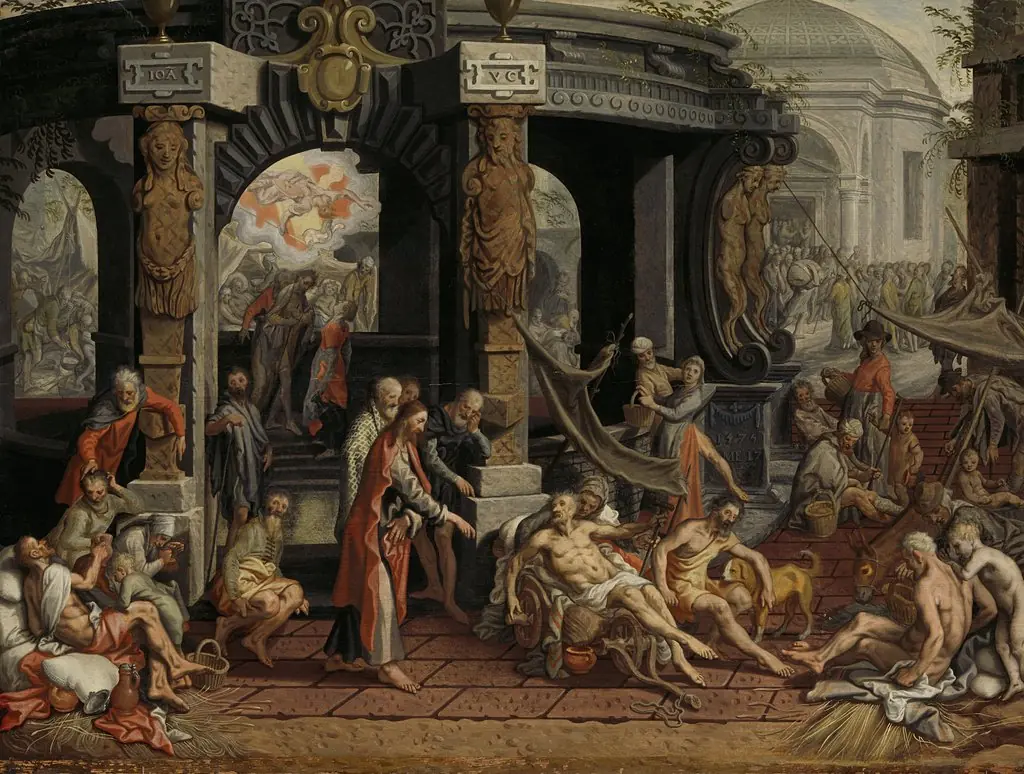 The Healing of the cripple of Bethesda
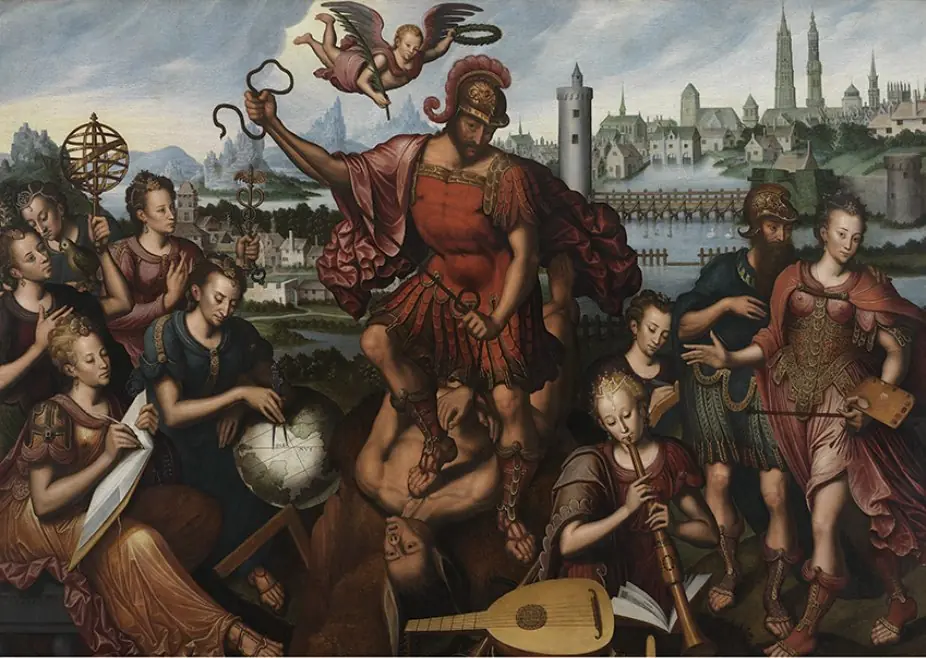 Mars, surrounded by the Arts and Sciences, conquers Ignorance
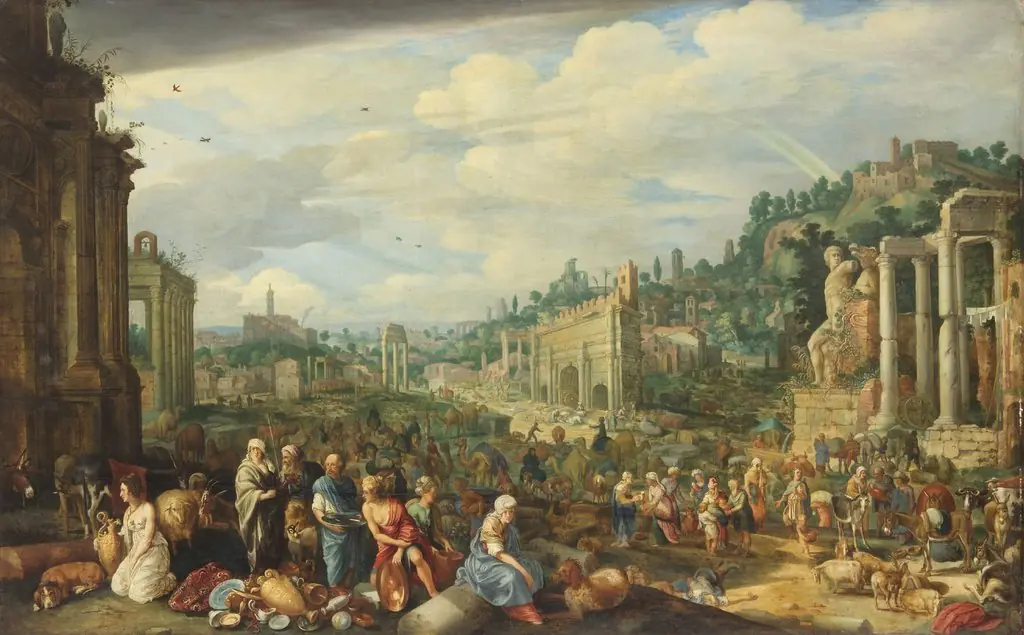 Ansicht des Campo Vaccino in Rom (Aufbruch der Israeliten aus Ägypten)
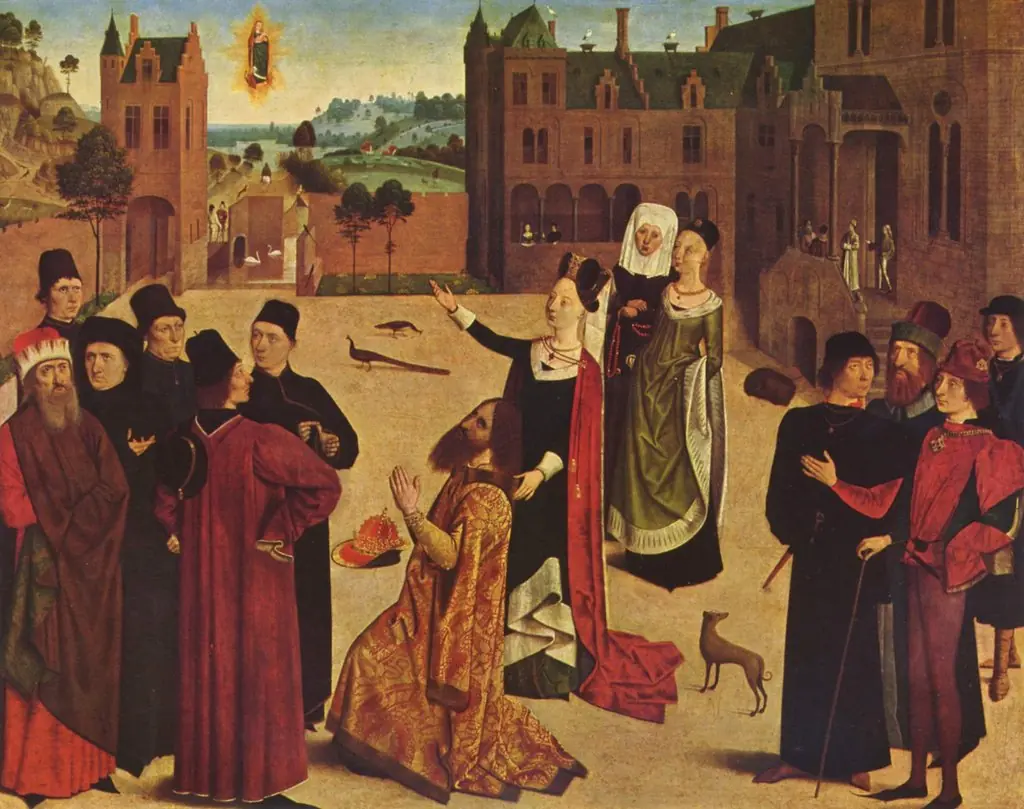 Tiburtine Sibyl's prophecy to Emperor Augustus
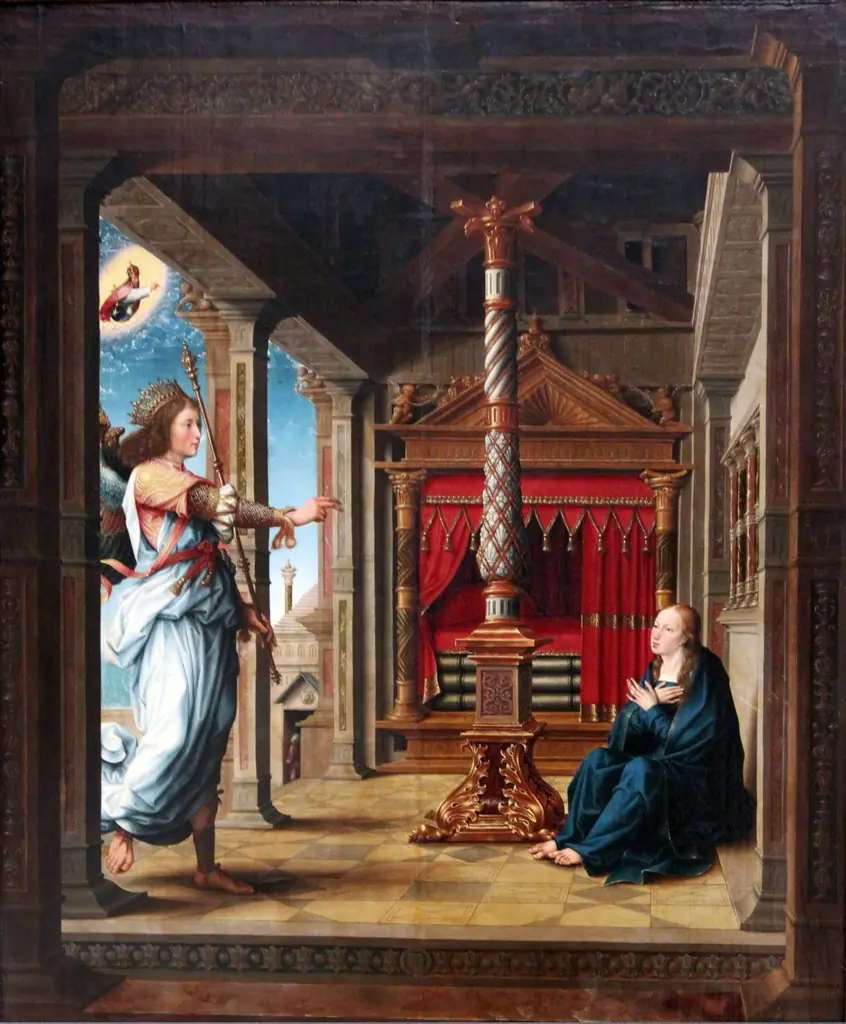 The Annunciation
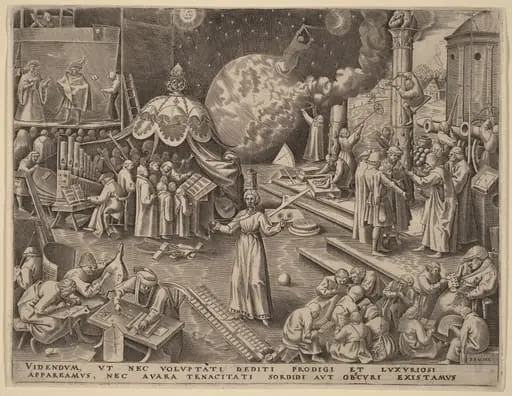 Temperance
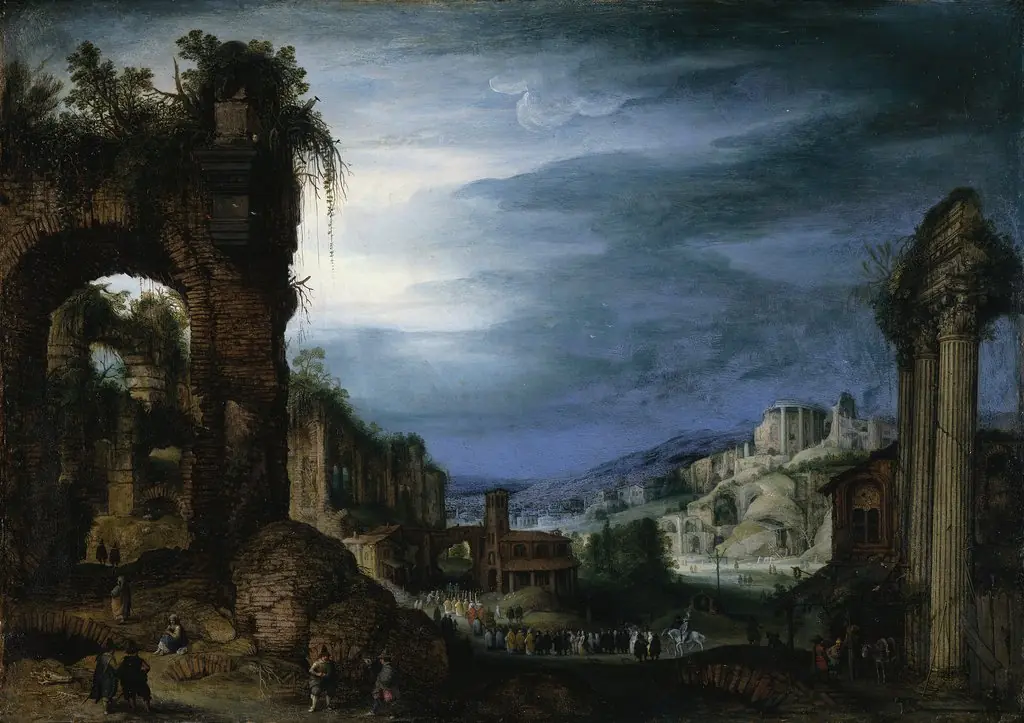 Landscape with Roman Ruins and a Procession
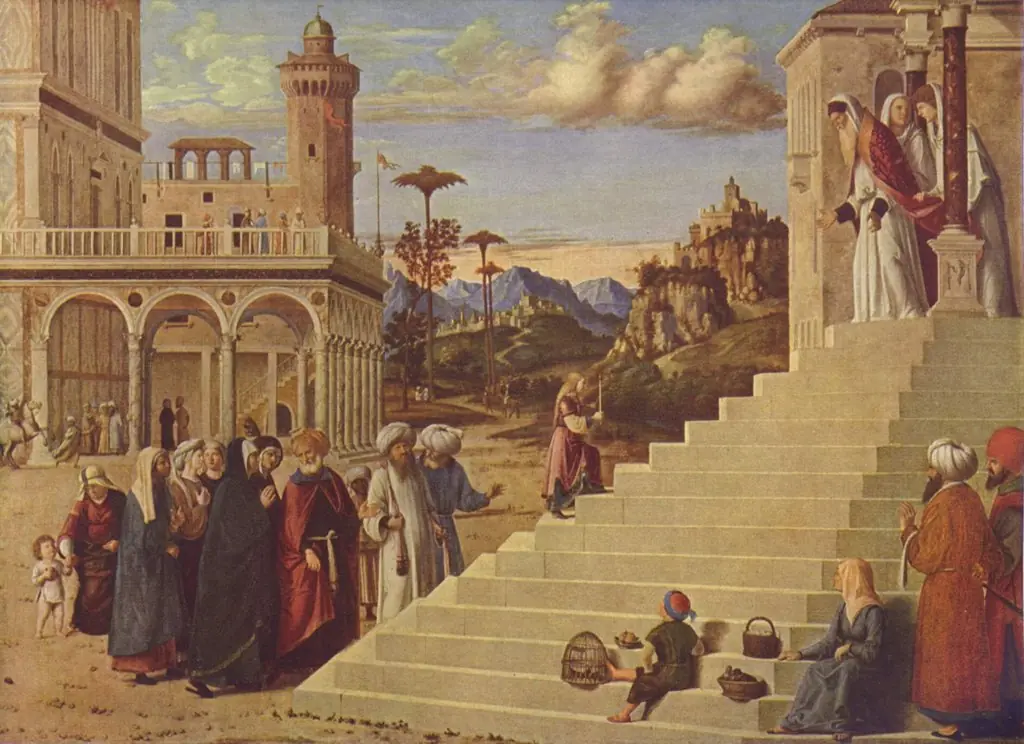 Presentation of the Virgin Mary at the Temple