Artwork
The Annunciation
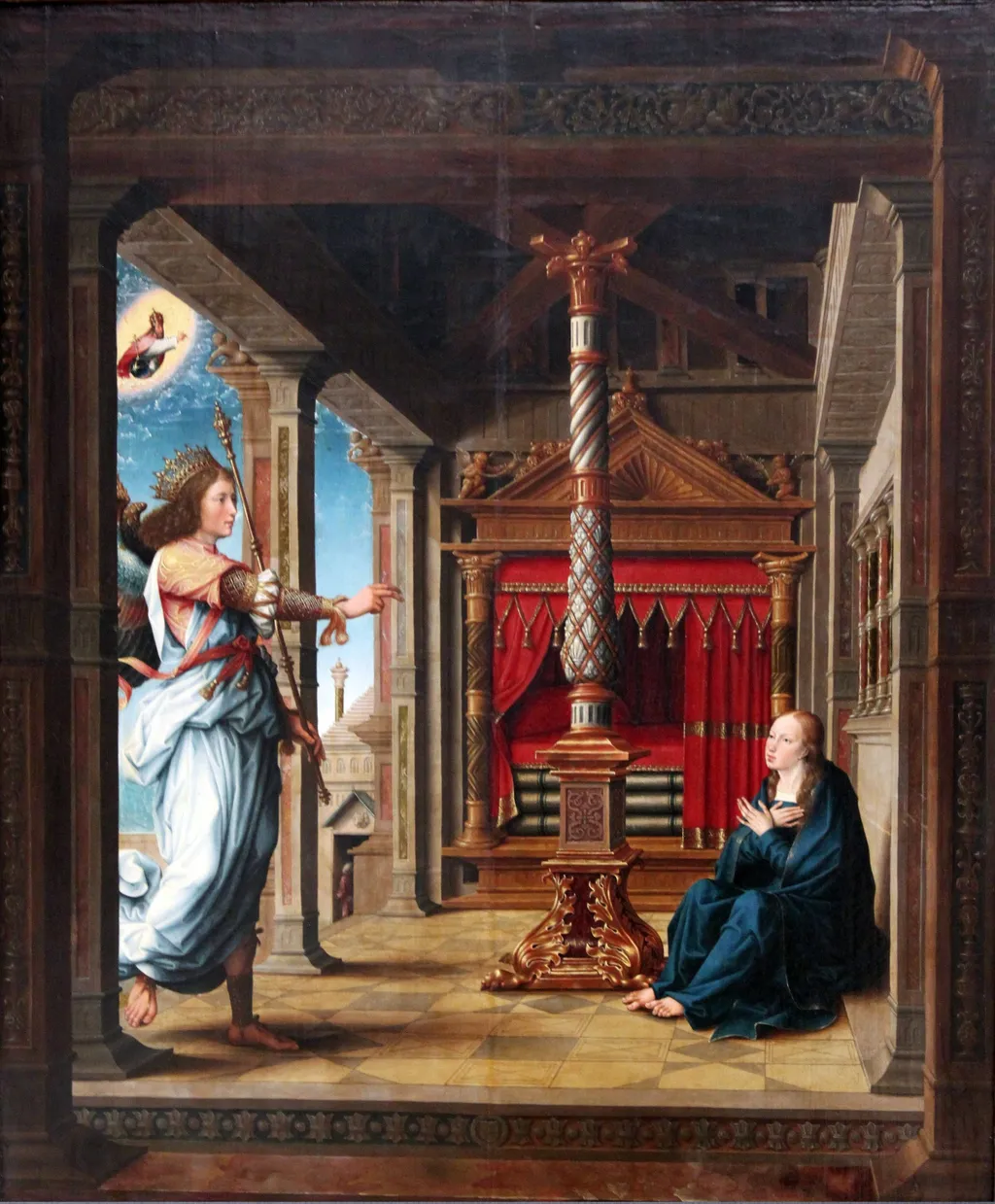
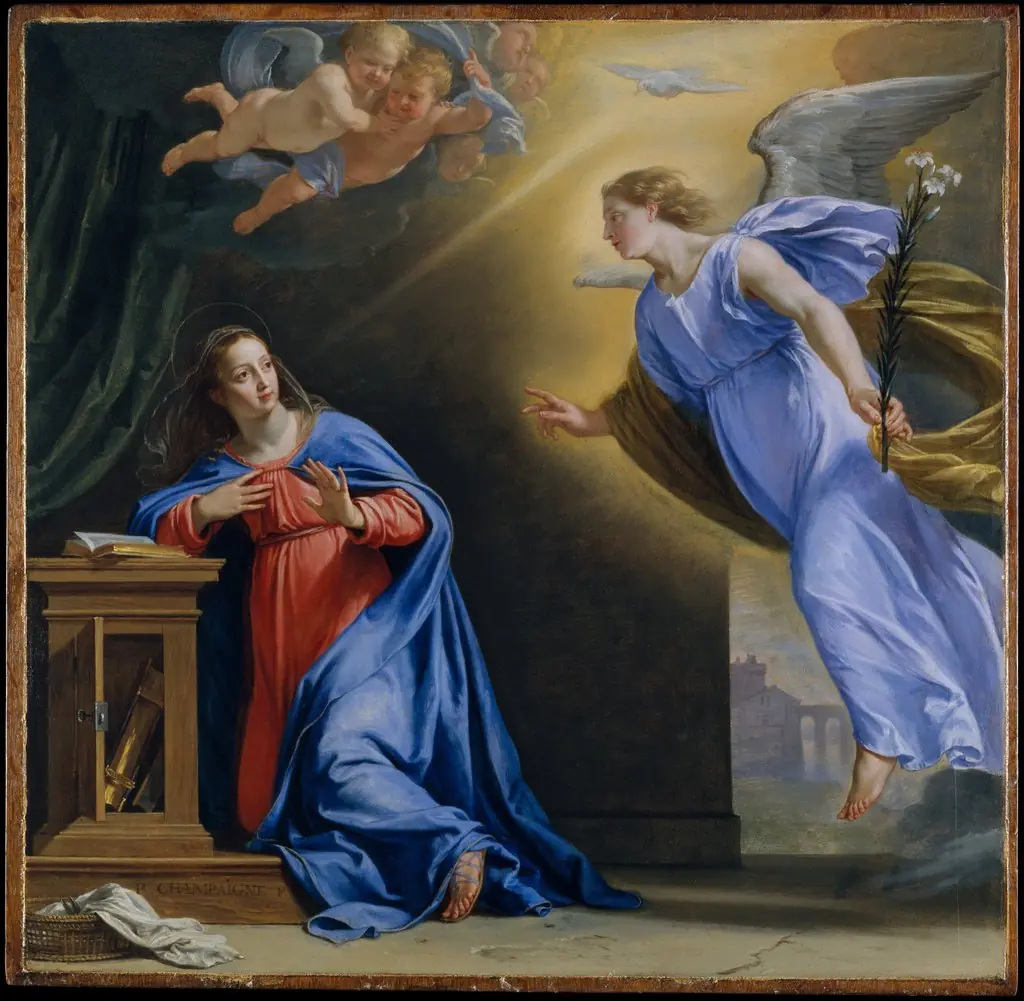
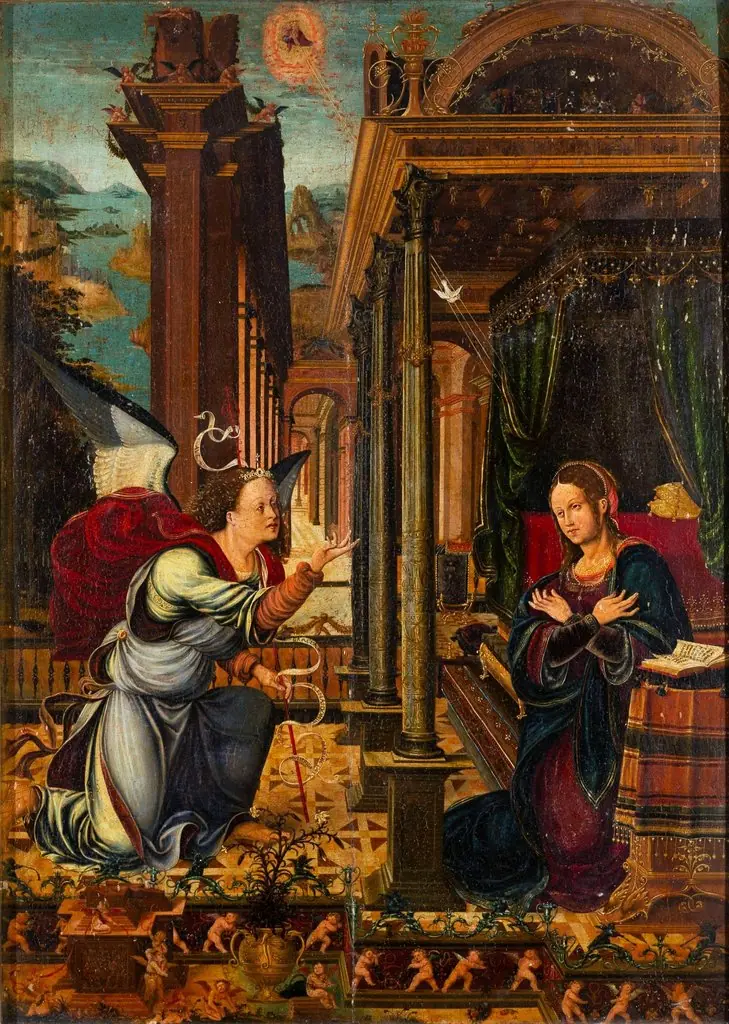
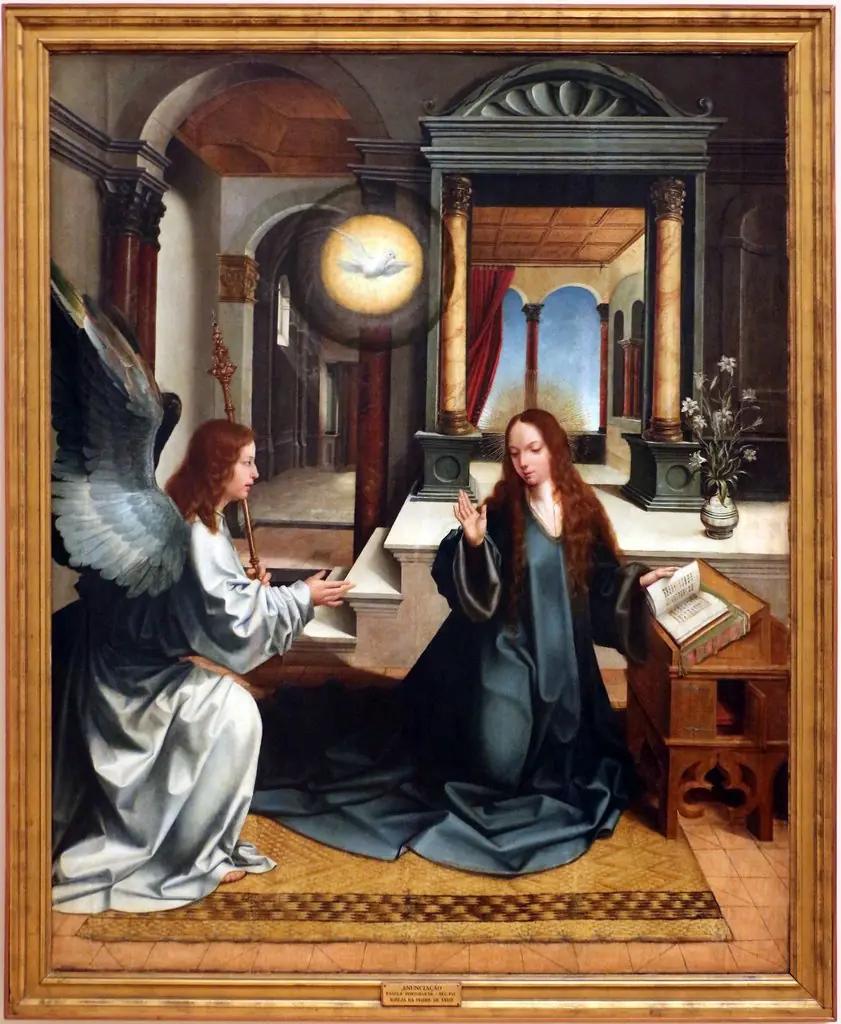
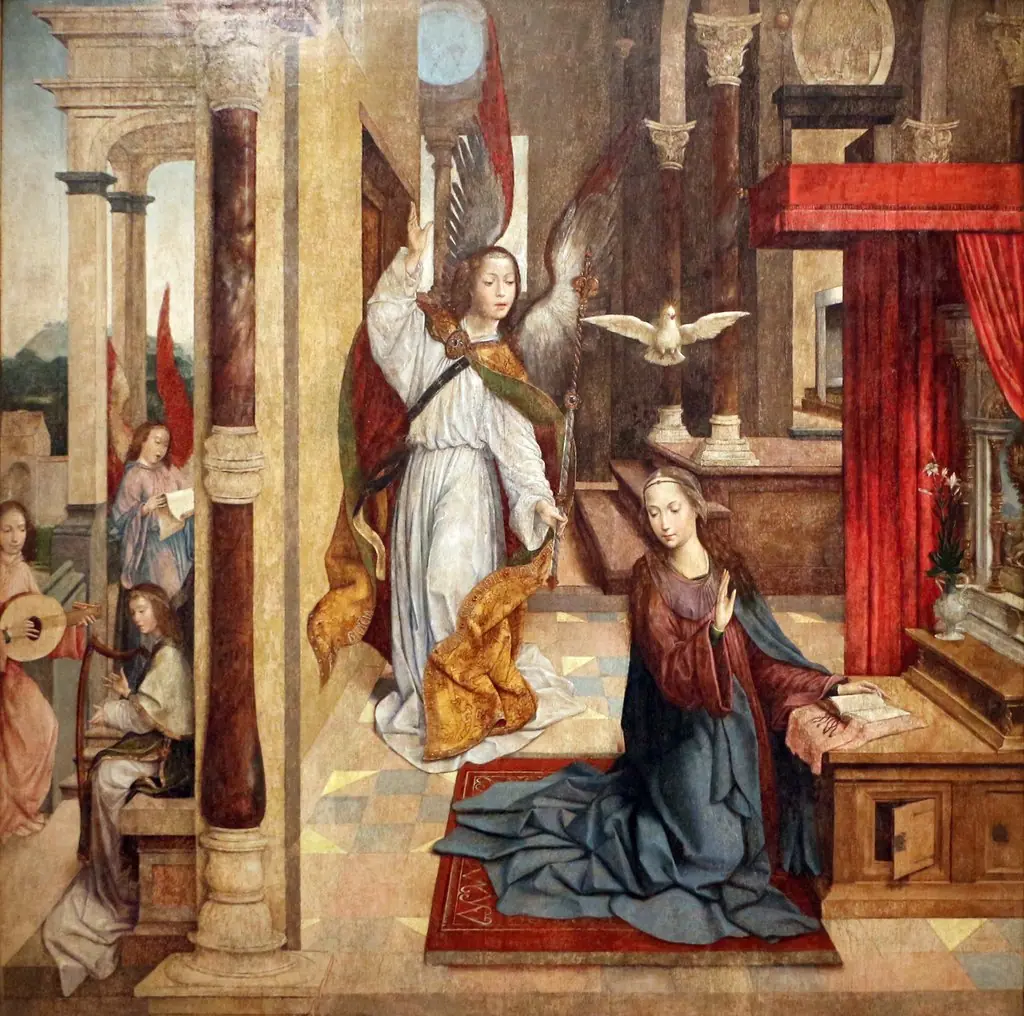
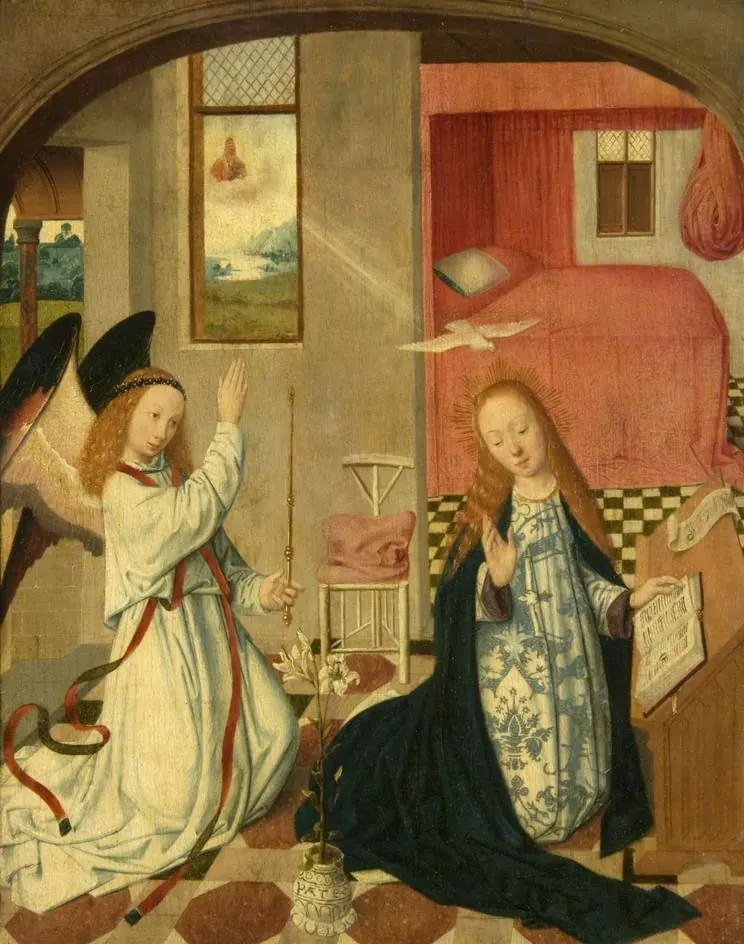
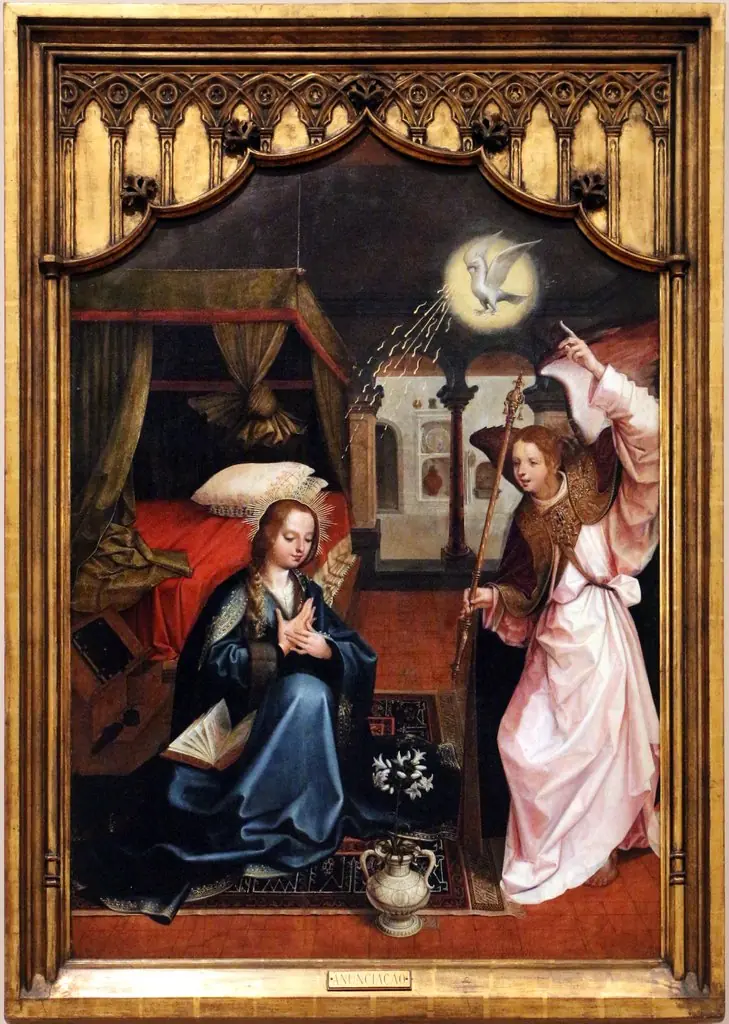
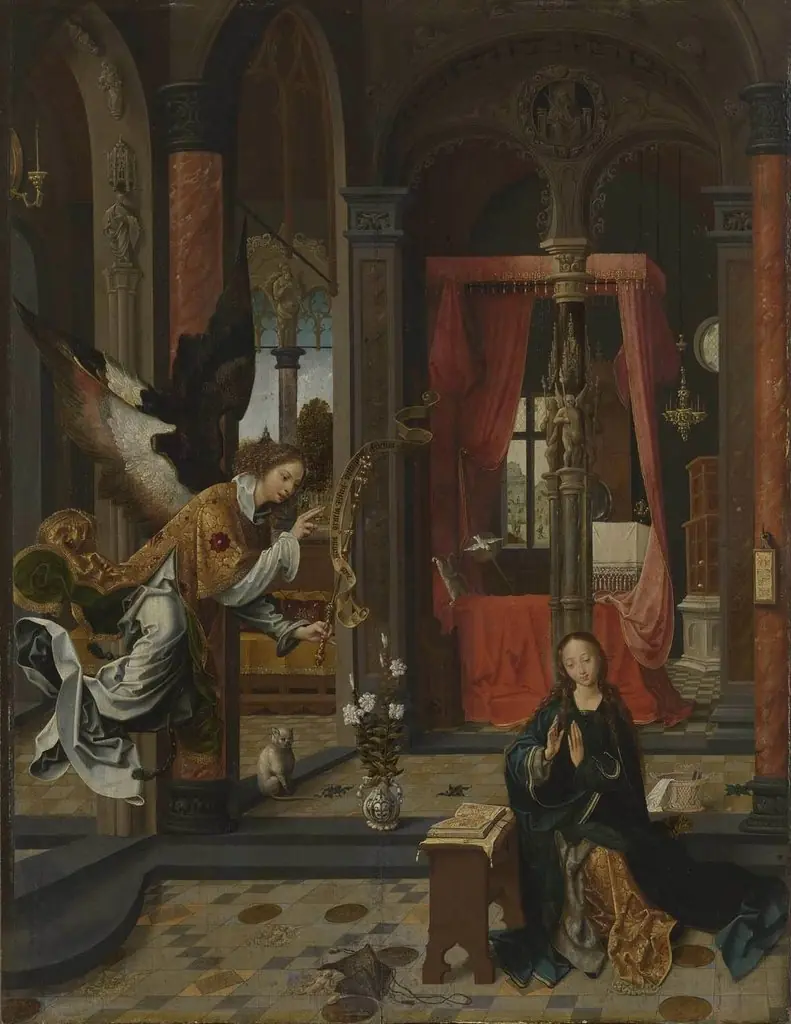
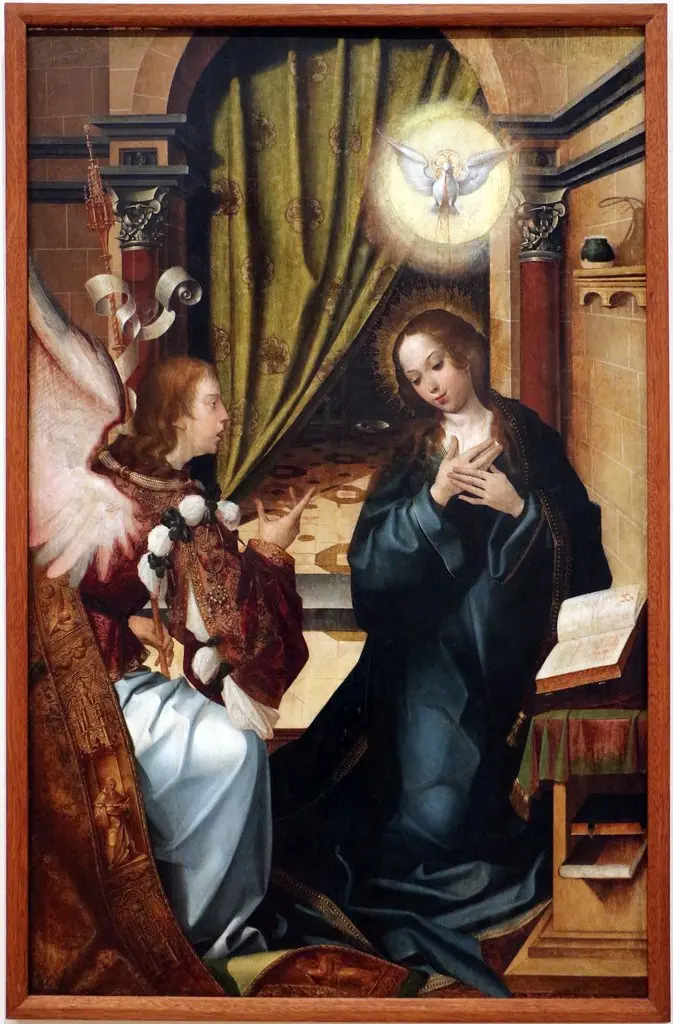
The Annunciation is an oil painting by the High Renaissance artist Unknown. It dates from 1520 and is held in the collection of the Gemäldegalerie Berlin. This painting captures the moment the angel Gabriel announces to the Virgin Mary that she will bear the Son of God.
About this work
Overview
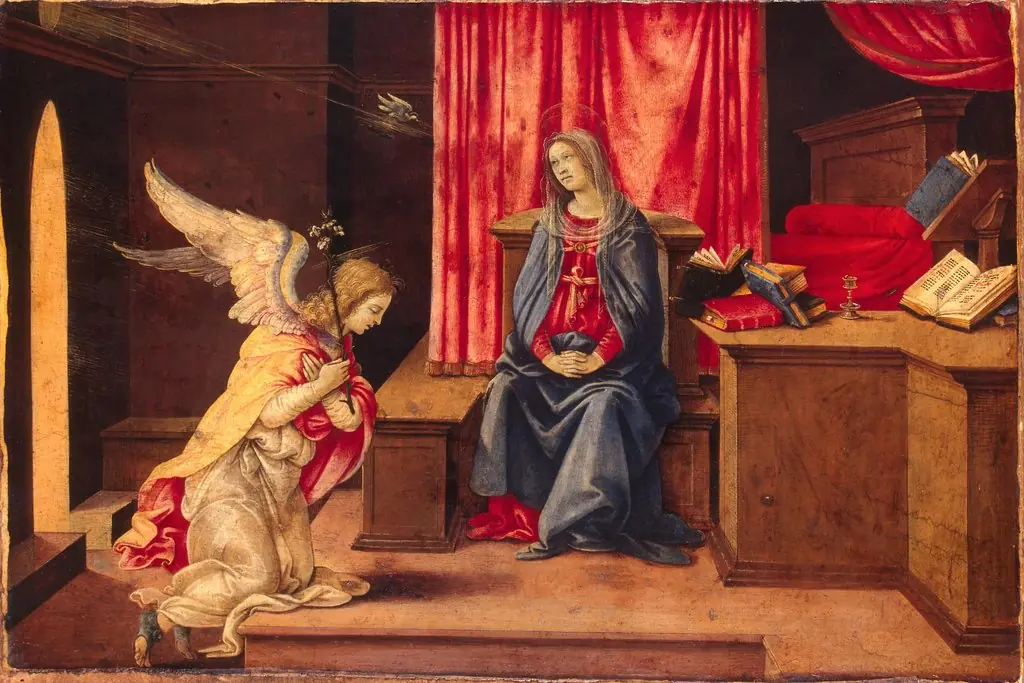
This painting captures the moment the angel Gabriel announces to the Virgin Mary that she will bear the Son of God. Rendered in tempera or oil on panel, the composition is tightly framed, focusing on the two central figures against a simplified architectural setting. The scene conveys quiet solemnity, with minimal distraction from the divine encounter.
Subject & Meaning
The Annunciation is a pivotal moment in Christian theology, marking the Incarnation. Gabriel, depicted as a celestial messenger, presents his message with formal gesture, while Mary, seated and attentive, embodies humility and acceptance. The spatial separation between them suggests both divine presence and human receptivity, reinforcing the sacred nature of the event.
Technique & Style
The background employs flat, decorative elements—a red curtain and wooden frame—contrasting with the distant blue sky, which adds depth without naturalism.
The figures are rendered with refined detail, particularly in the folds of their garments and the metallic sheen of Gabriel’s crown and scepter. The background employs flat, decorative elements—a red curtain and wooden frame—contrasting with the distant blue sky, which adds depth without naturalism. Color symbolism is deliberate: blue for Mary’s purity, red for divine love, gold for heavenly authority.
History & Provenance
The painting’s origins are tied to late medieval devotional practice, likely created for private worship or a small chapel. Its preservation suggests it was valued within a religious community, though its exact place of origin and early owners remain undocumented. No major alterations or restorations are recorded in available sources.
Context
Produced during a period when Annunciation scenes were common in Northern European and Italian altarpieces, this work reflects the era’s emphasis on intimate, contemplative religious imagery. The use of architectural framing and symbolic color aligns with conventions of the time, prioritizing spiritual meaning over naturalistic environment.
Legacy
Though not widely known outside regional collections, the painting exemplifies the quiet devotional style of its time. It contributes to the broader tradition of Marian iconography, preserving the visual language through which medieval audiences engaged with sacred narrative. Its endurance reflects the enduring power of its subject in religious art.
Artist & collection

 Domestic Scene
 Giacomo and Cardinal Marco, investing Andrea, Abbot of San Zeno, with his Benefice
 The Nymph of Fontainebleau
 Portrait of a Woman
 Madonna and Child with Saints in the Enclosed Garden
 Venus and Minerva
 Family Group of Four on Sofa
 Wall painting from Room H of the Villa of P. Fannius Synistor at Boscoreale