Artwork
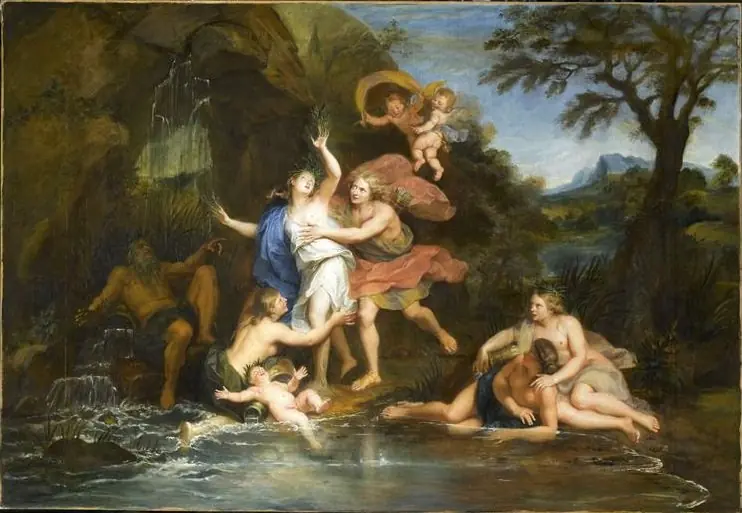
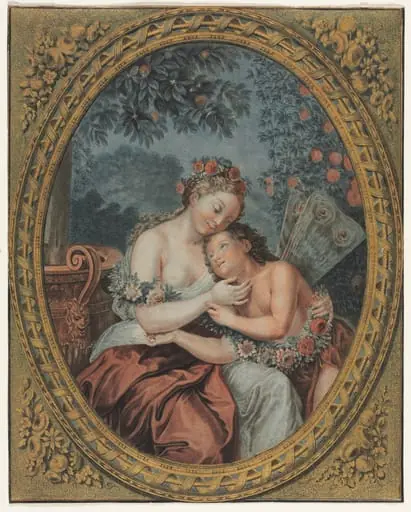
Zephyr and Flora
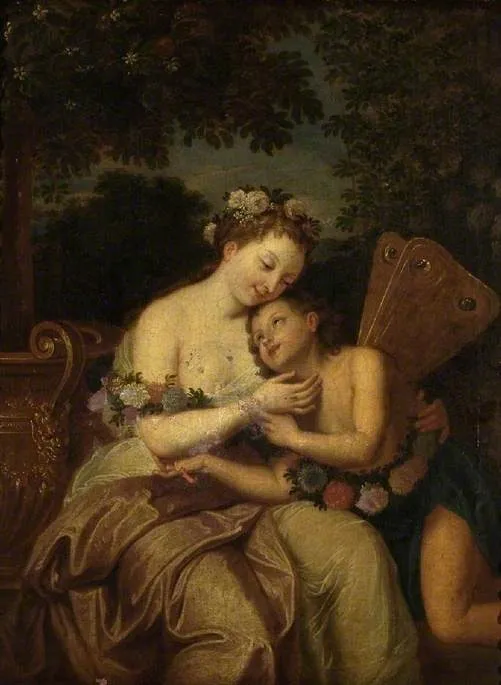
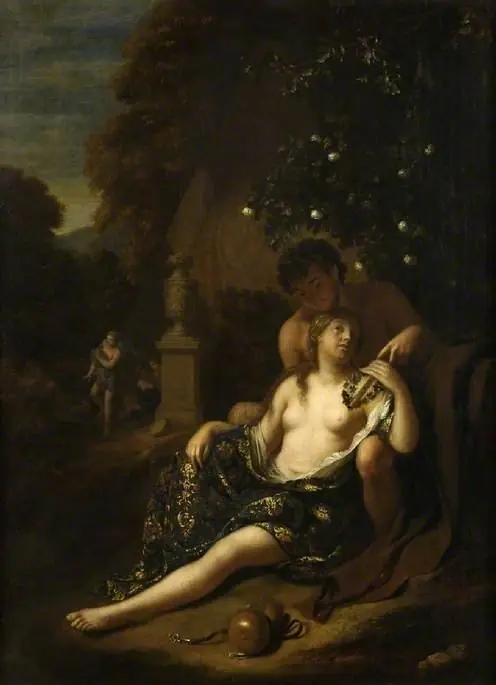
Zephyr and Flora is an oil painting by the Rococo painting artist Antoine Coypel. It dates from 1701 and is held in the collection of the Fitzwilliam Museum.
About this work
Overview
Zephyr and Flora is an oil painting created by Antoine Coypel around 1701, characteristic of the Rococo movement. The work showcases a serene mythological scene, emblematic of Coypel's expertise in historical and classical subjects.
Subject & Meaning
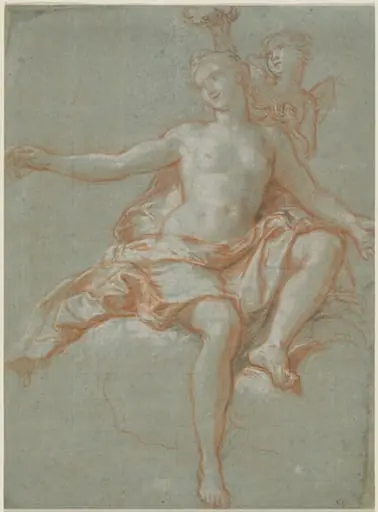
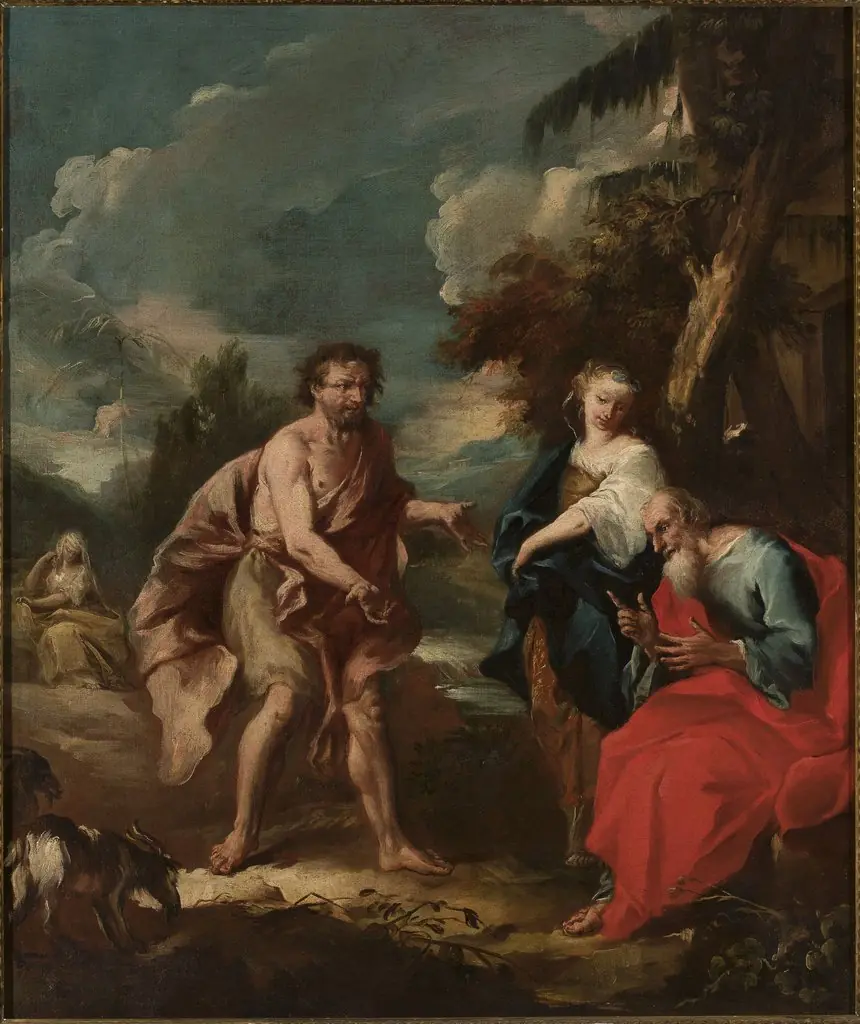
The painting depicts a tender embrace between Zephyr (a winged male figure, partially shirtless with floral adornments) and Flora (a woman with flowers in her hair and around her arms), conveying a peaceful and intimate atmosphere of love and connection.
Technique & Style
Coypel employed oil paint to achieve a sense of calm, using dark, muted backgrounds contrasted with vibrant floral elements. The subtle, expressive interaction between the figures reflects Rococo's emphasis on delicate, emotional scenes.
History & Provenance
Commissioned during Coypel's tenure as a royal court painter (first to Philippe I, Duke of Orléans, then to King Louis XV), the painting also aligns with his role directing the Académie Royale and managing the royal art collection.
Context
As a Rococo piece, Zephyr and Flora embodies the era's focus on lighthearted, graceful mythological themes, distinguishing it from the more dramatic Baroque style that preceded it.
Legacy
While specific lasting impacts of Zephyr and Flora on subsequent art movements are not prominently documented, it remains a notable example of Coypel's contribution to Rococo painting and his mastery of capturing intimate, mythological scenes.
Artist & collection
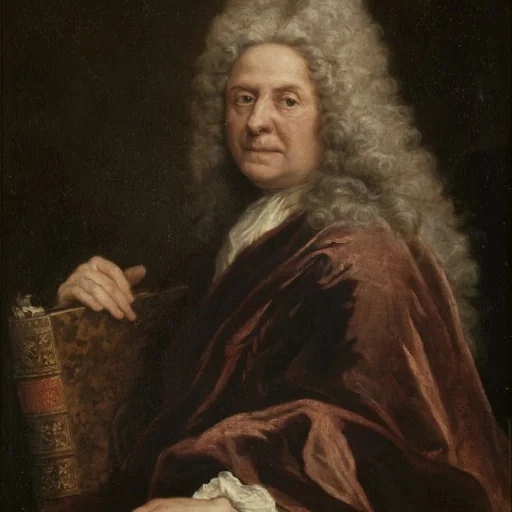
Artist
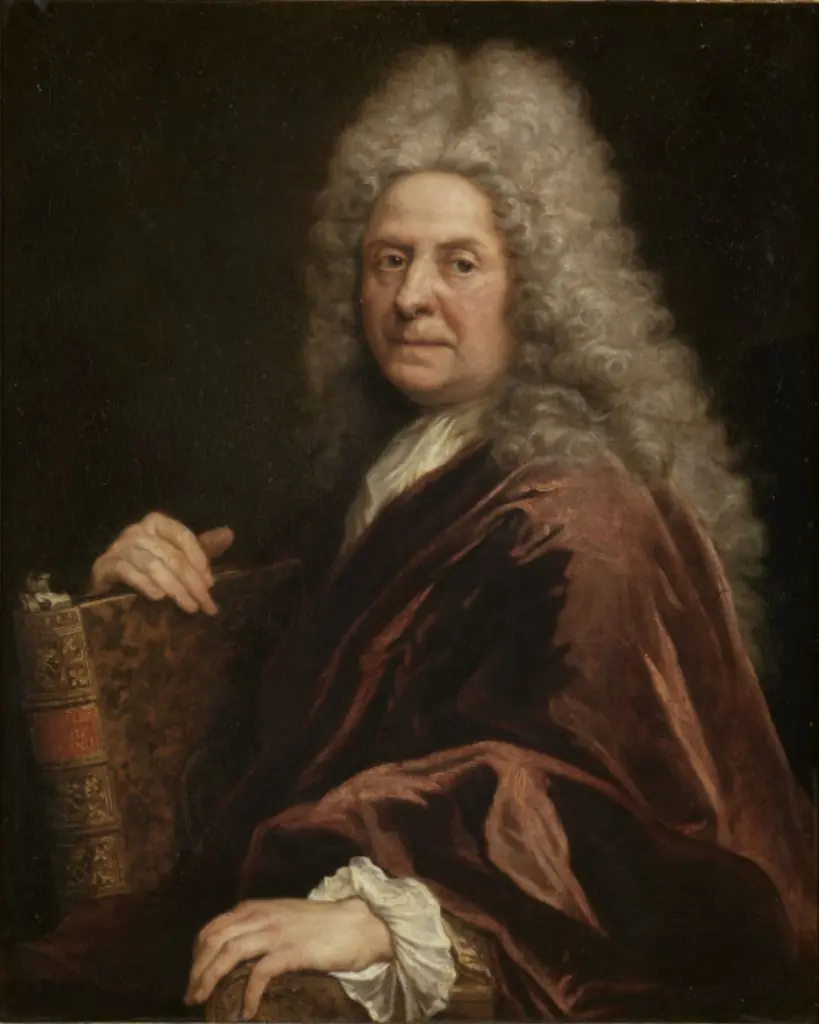
Antoine Coypel (French pronunciation: ; 11 April 1661 – 7 January 1722) was a French painter, pastellist, engraver, decorative designer and draughtsman.