Artwork
Self portrait of Antoine Coypel, Ecuyer Premier Peintre du Roy (1661-1722)
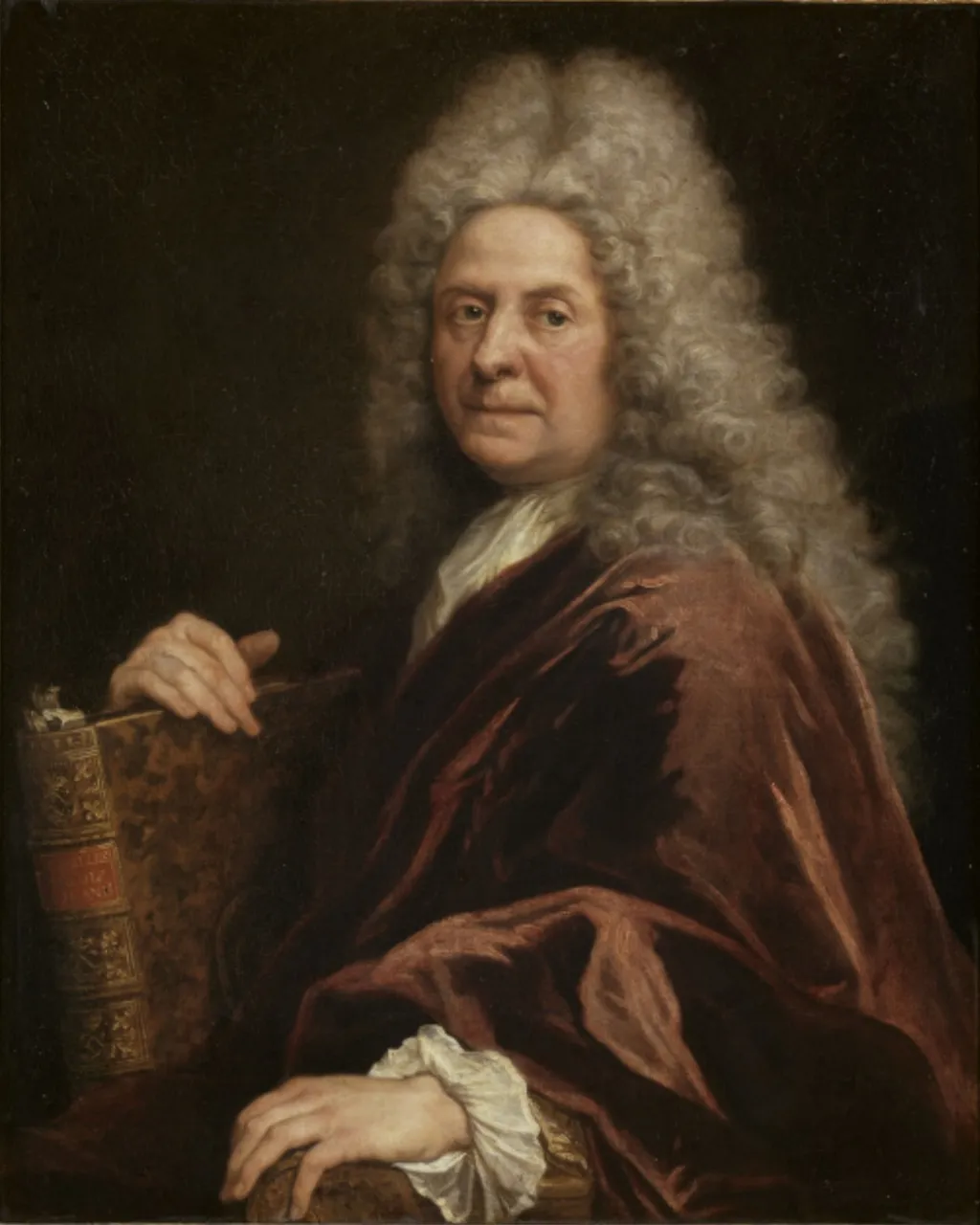
Self portrait of Antoine Coypel, Ecuyer Premier Peintre du Roy (1661-1722) is an oil painting by the French Classical Baroque artist Antoine Coypel. It dates from 1715 and is held in the collection of the Palace of Versailles.
About this work
Overview
Painted in 1715, this oil portrait captures Antoine Coypel in his official capacity as Premier Peintre du Roy, a prestigious court appointment under Louis XV.
Painted in 1715, this oil portrait captures Antoine Coypel in his official capacity as Premier Peintre du Roy, a prestigious court appointment under Louis XV. The work presents the artist not merely as a creator but as a figure of institutional authority, reflecting his dual role as both painter and administrator within the French royal art establishment. Its composition and tone align with the formal conventions of court portraiture of the era.
Subject & Meaning
Coypel is depicted in a dark, unadorned setting, his white hair and rich brown robe signaling his elevated social status. The book he holds suggests intellectual engagement, reinforcing his identity as a learned man within the royal court. Rather than emphasizing artistic tools, the portrait foregrounds erudition and rank, aligning him with the humanist ideals valued by the monarchy and the Académie Royale.
Technique & Style
Coypel employs a restrained Baroque style, with soft modeling of flesh and careful attention to fabric texture. The dark background isolates the figure, directing focus to his posture and attire. Brushwork is precise yet unobtrusive, avoiding theatricality in favor of dignified clarity. The lighting is even, minimizing shadows to sustain a sense of calm authority, consistent with the decorum expected in royal portraiture.
History & Provenance
The painting has remained in royal collections since its creation, eventually entering the holdings of the Palace of Versailles. Its preservation there underscores its significance as a document of courtly artistic hierarchy. Coypel held key administrative roles, including director of the Académie Royale, and this portrait likely served as an official representation of his station within the French artistic establishment.
Context
In early 18th-century France, artists of Coypel’s stature were increasingly integrated into the nobility, blurring lines between artisan and courtier. His position allowed him to influence artistic policy and taste, while his own work in history painting maintained his credibility as a practitioner. This portrait reflects a broader trend: the elevation of painters to positions of cultural and administrative power under the monarchy.
Legacy
Coypel’s self-portrait endures as a quiet testament to the institutionalization of art in the French court. It documents how artistic identity was shaped by office and social standing, not merely by skill. Though less celebrated than some contemporaries, his role in shaping the Académie Royale and preserving royal collections left a lasting imprint on French artistic administration.
Own this work as a print
Artist & collection
Artist
Antoine Coypel (French pronunciation: ; 11 April 1661 – 7 January 1722) was a French painter, pastellist, engraver, decorative designer and draughtsman.

 Portrait of Pieter van de Poel
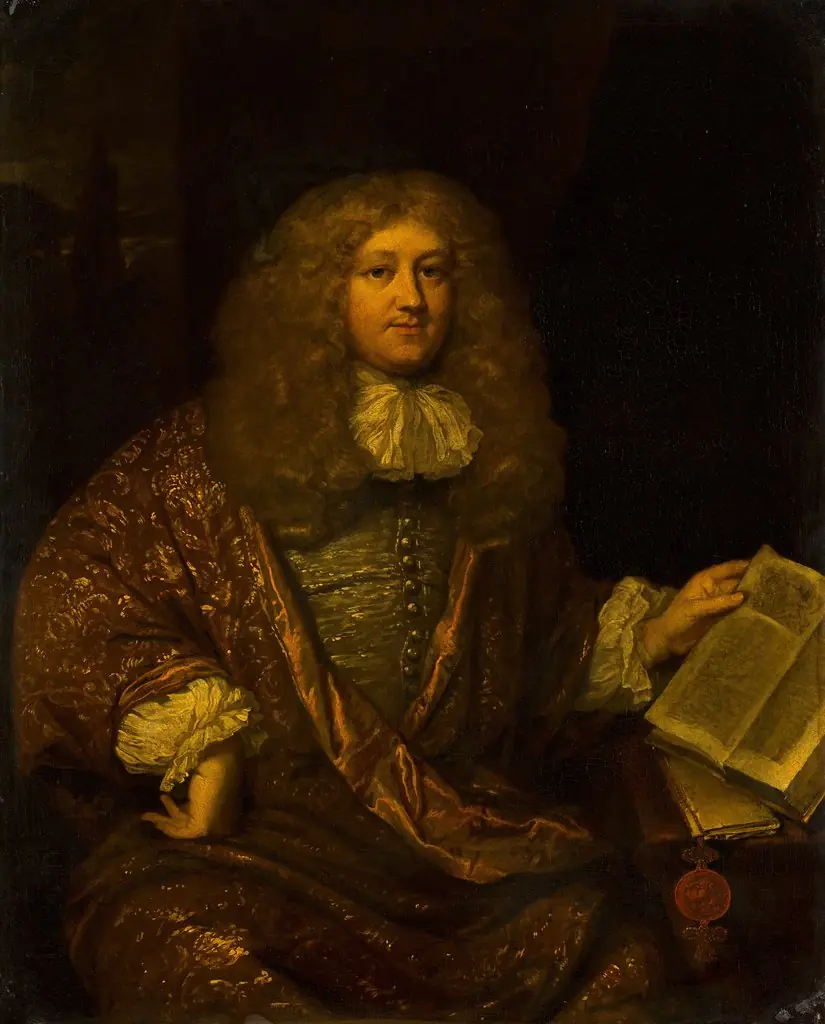 Portrait of Michiel ten Hove (1640-1689)
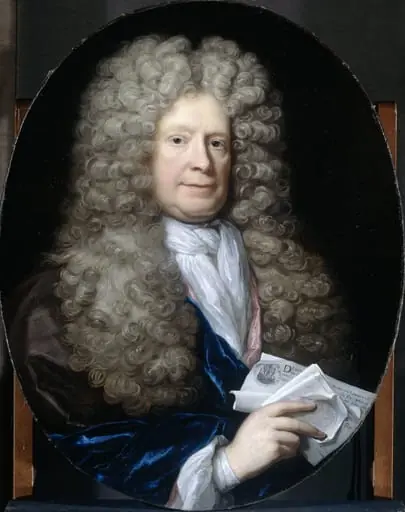 Untitled
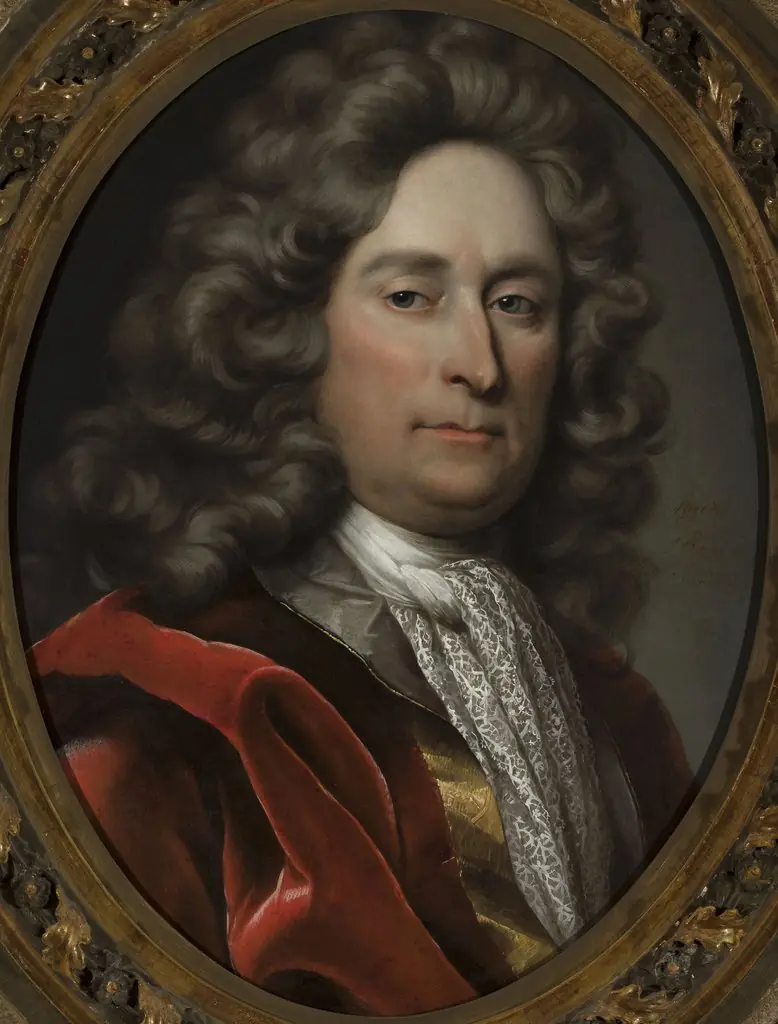 Portrait of a man in a grey wig
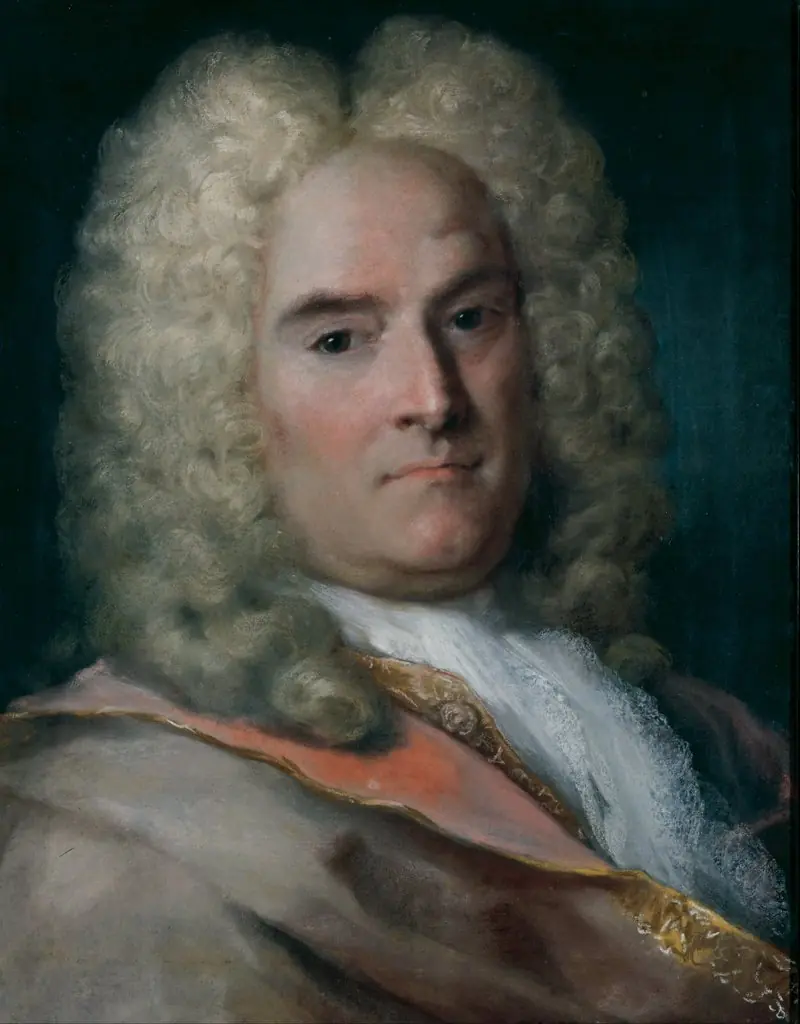 A Gentleman in a Gray Cape over a Gold-Embroidered Coat
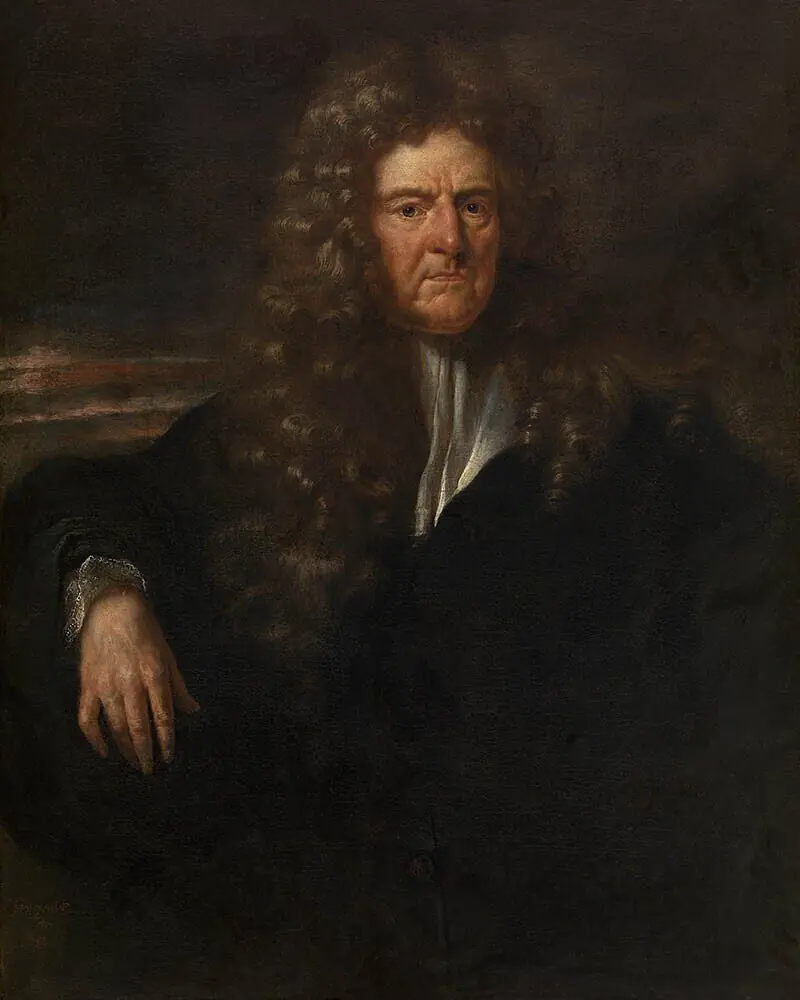 Andries Eugeen Valck Nisse, Secretary of the City of Antwerp
 Portrait of a man in a wig
 Antoine Pâris
 Portrait du sculpteur Jean Thierry
 Pierre Bacot
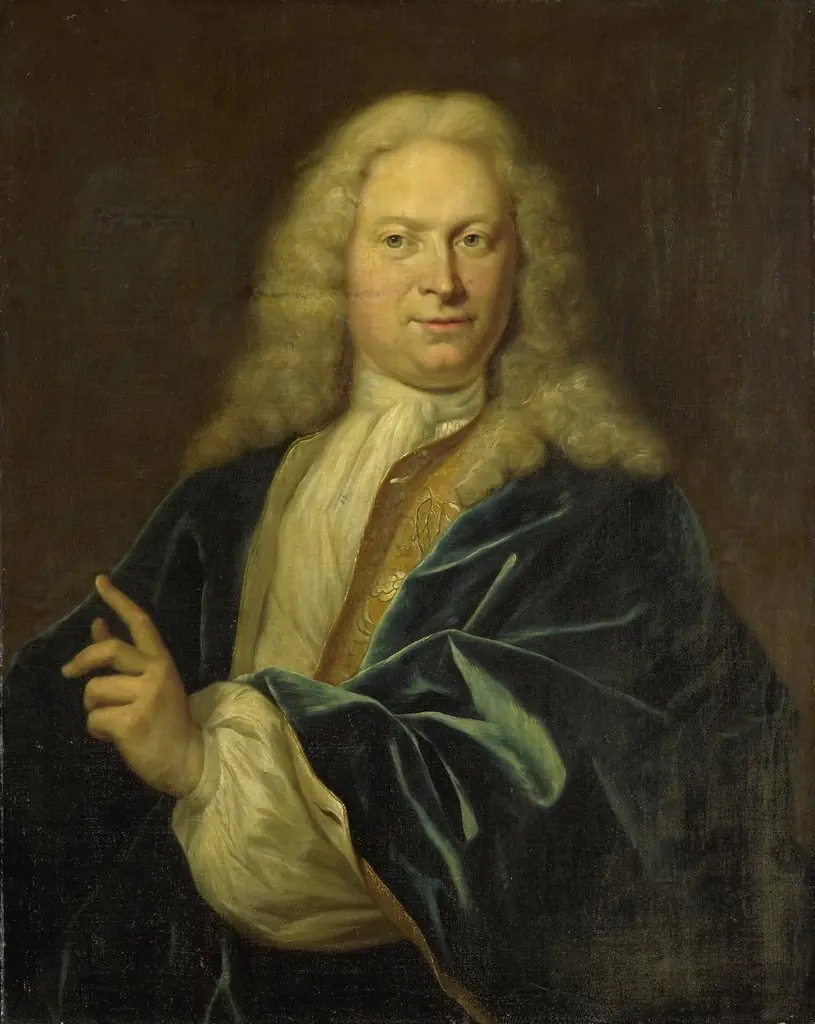 Portrait of Jan Hendrik van Heemskerck, Count of the Holy Roman Empire, Lord of Achttienhoven, Den Bosch and Eyndschoten, Captain of the Citizenry of Amsterdam (Johan Hendrik Graaf Van Heemskerk)
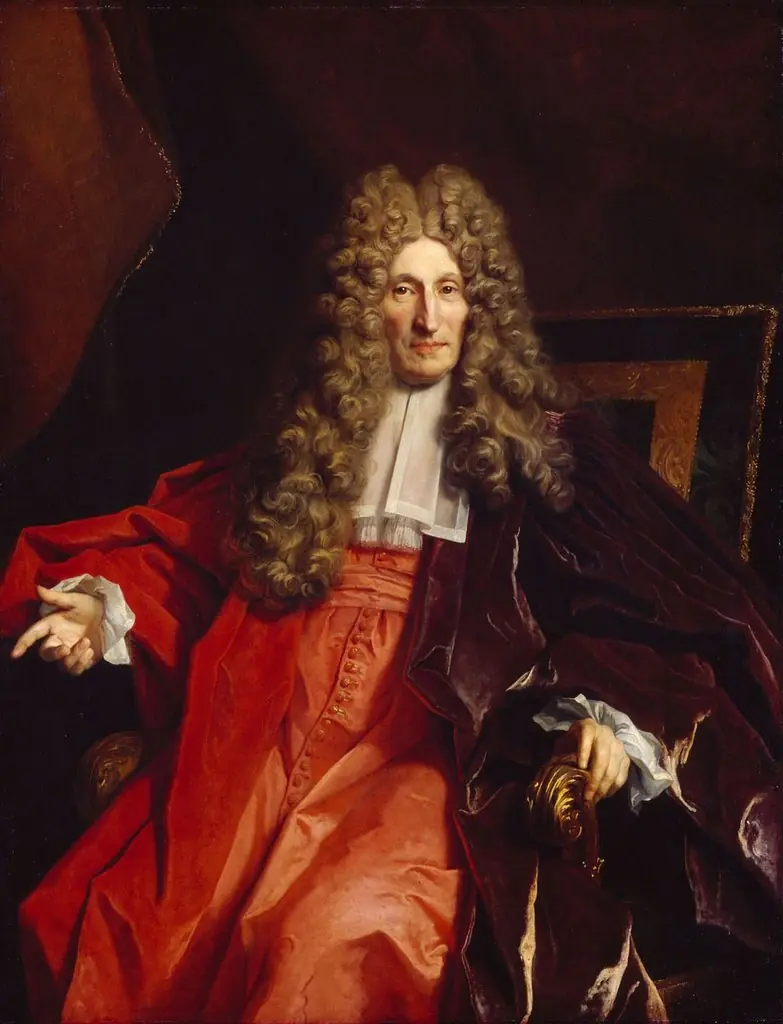 Charles Boucher, Herr von Orsay