Artwork
Bildnis der Schauspielerin Christiane Henriette Koch
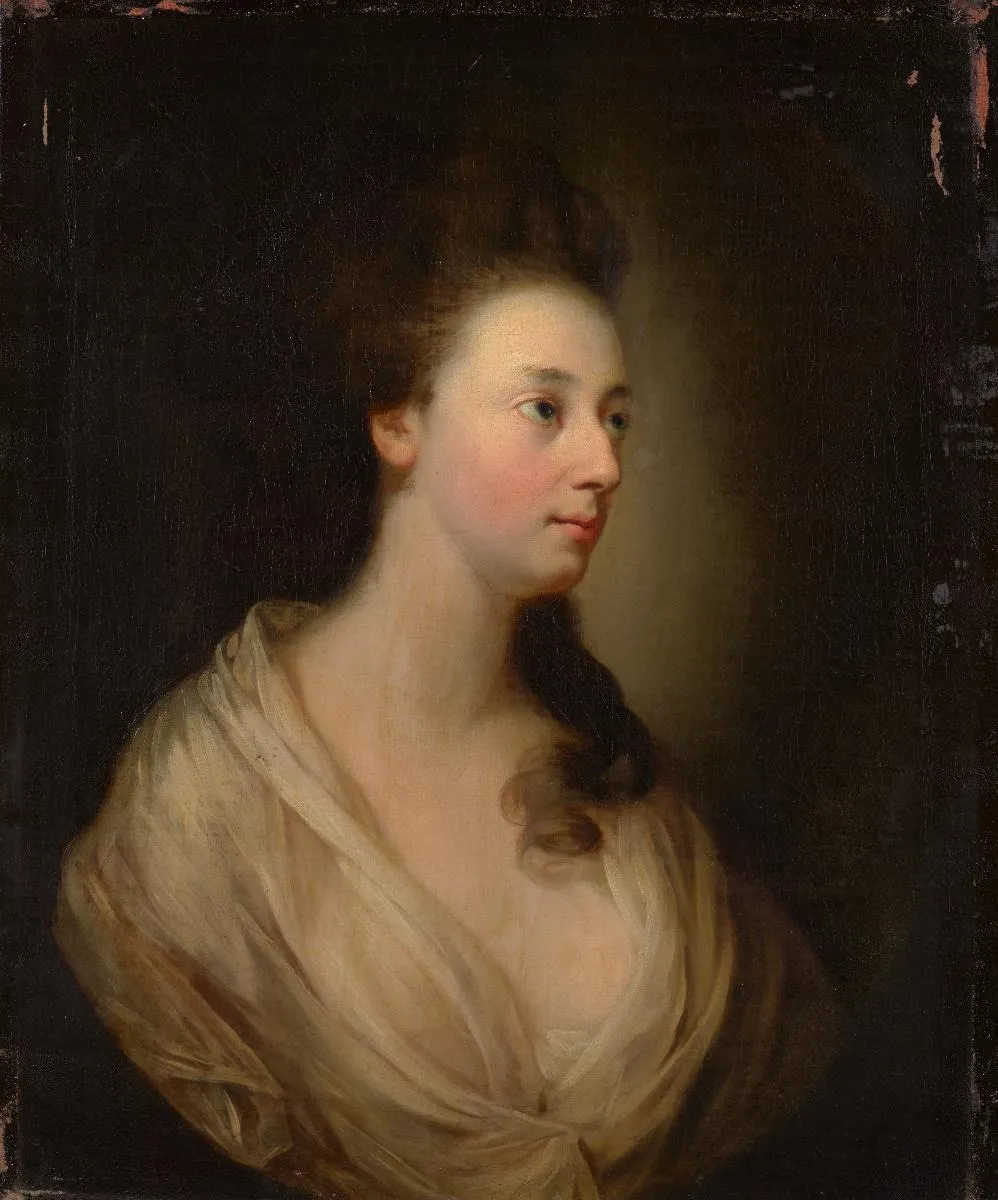
Bildnis der Schauspielerin Christiane Henriette Koch is an oil painting by the Rococo painting artist Anton Graff. It dates from 1773 and is held in the collection of the Kunsthaus Zürich.
About this work
Overview
A Swiss artist active in the late 18th century, Graff specialized in capturing the likenesses of cultural figures, including actors, writers, and musicians.
Anton Graff painted the portrait of Christiane Henriette Koch in 1773 using oil on canvas. A Swiss artist active in the late 18th century, Graff specialized in capturing the likenesses of cultural figures, including actors, writers, and musicians. This work is part of the Kunsthaus Zürich’s permanent collection and reflects his refined approach to portraiture during a period when artistic representation increasingly emphasized individual presence over idealized form.
Subject & Meaning
The subject, Christiane Henriette Koch, was a respected actress of her time, known for her performances in German-language theater. Graff portrays her not as a theatrical character but as a composed individual, her direct gaze and modest attire suggesting quiet dignity. The absence of theatrical props or symbolic elements shifts focus to her personal presence, aligning with Enlightenment ideals that valued individual character over social performance.
Technique & Style
Graff employs chiaroscuro to model the sitter’s form with subtle gradations of light and shadow, particularly along the folds of her garment. The dark, neutral background enhances the three-dimensionality of her figure, while the soft rendering of fabric conveys texture without ornamentation. His brushwork is precise yet unobtrusive, avoiding the decorative flourishes typical of Rococo, instead favoring clarity and restrained elegance.
History & Provenance
The portrait remained in private hands until entering the Kunsthaus Zürich’s collection, where it has been preserved since the 19th century. Its documented history reflects Graff’s growing reputation in German-speaking regions, where his portraits of intellectuals and artists were sought after by patrons. The painting’s survival in good condition offers insight into the transmission of cultural portraiture in post-Baroque Europe.
Context
Created during the height of the Enlightenment, the portrait reflects a broader cultural shift toward valuing individual identity and intellectual life. While Rococo aesthetics still influenced decorative arts, portraiture increasingly favored naturalism and psychological presence. Graff’s work aligns with this trend, distinguishing itself from the flamboyance of courtly painting by emphasizing quiet realism and personal dignity.
Legacy
Graff’s portraits, including this one, helped define a new standard for 18th-century German and Swiss portraiture—unadorned, psychologically attuned, and technically restrained. His approach influenced later artists who prioritized authenticity over spectacle. The painting remains a reference point for understanding how portraiture evolved from aristocratic representation to a medium of personal and cultural expression.
Artist & collection
Artist
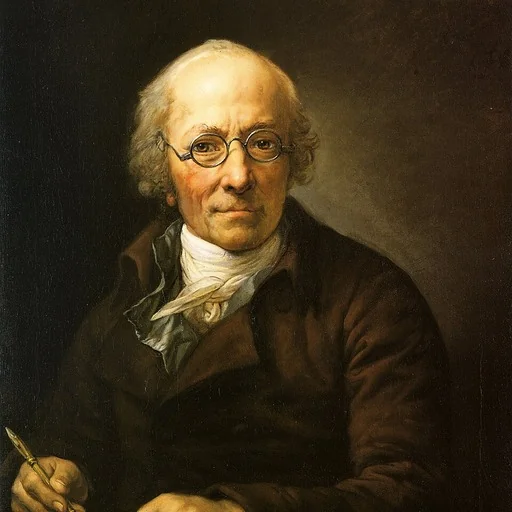
Anton Graff (18 November 1736 – 22 June 1813) was a Swiss portrait artist. Among his famous subjects were Friedrich Schiller, Christoph Willibald Gluck, Heinrich von Kleist, Frederick the Great, Friederike Sophie…

 Daniel Chodowiecki
 Portrait of a Man
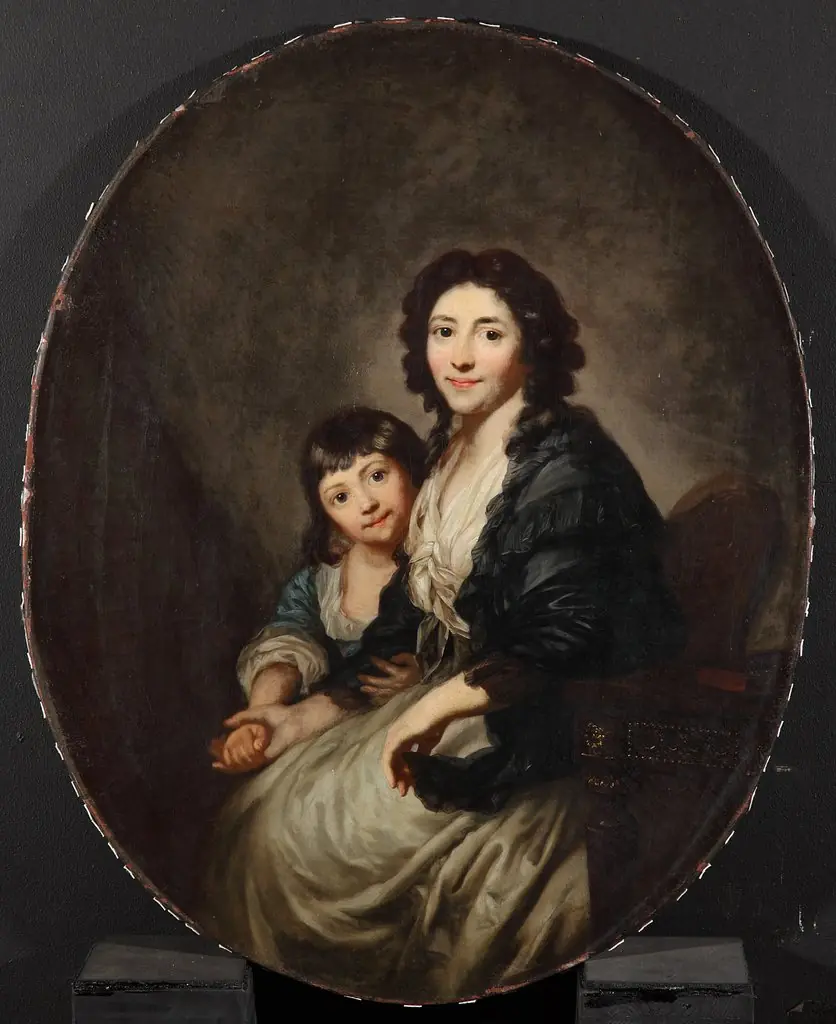 Elizabeth Sophia Augusta Graff, born Sulzer (1753-1812) and her Daughter Caroline Susanne (1781-1828)
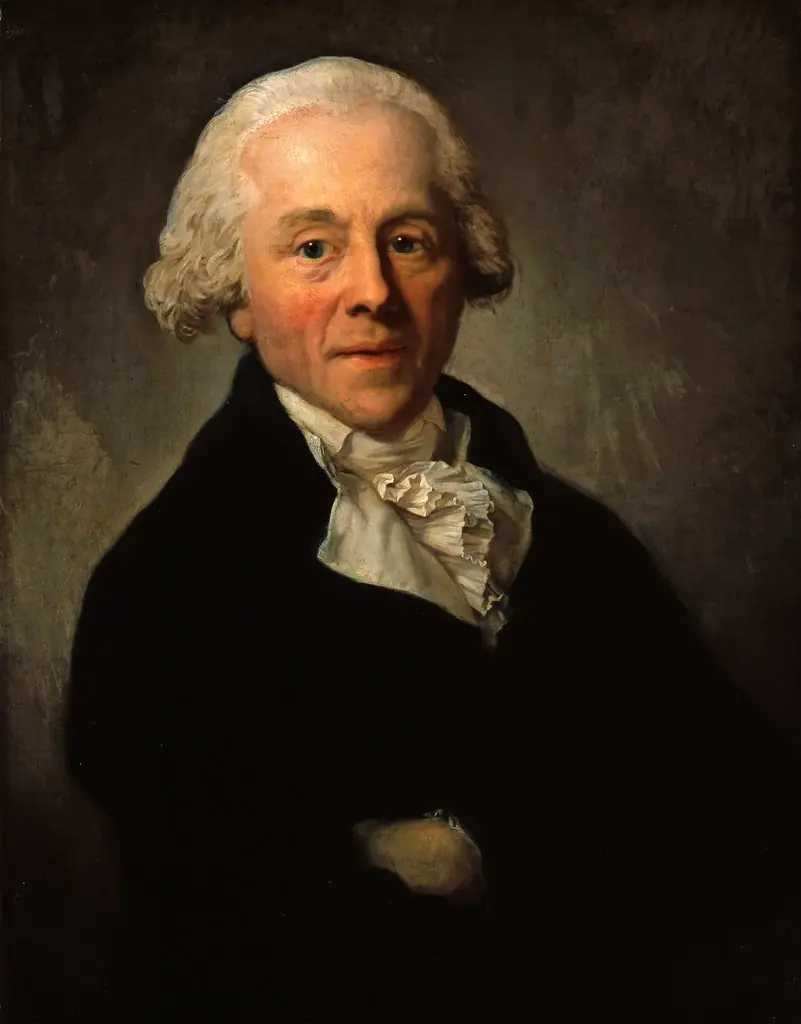 Friedrich Ludolf Hansen (1738-1803)
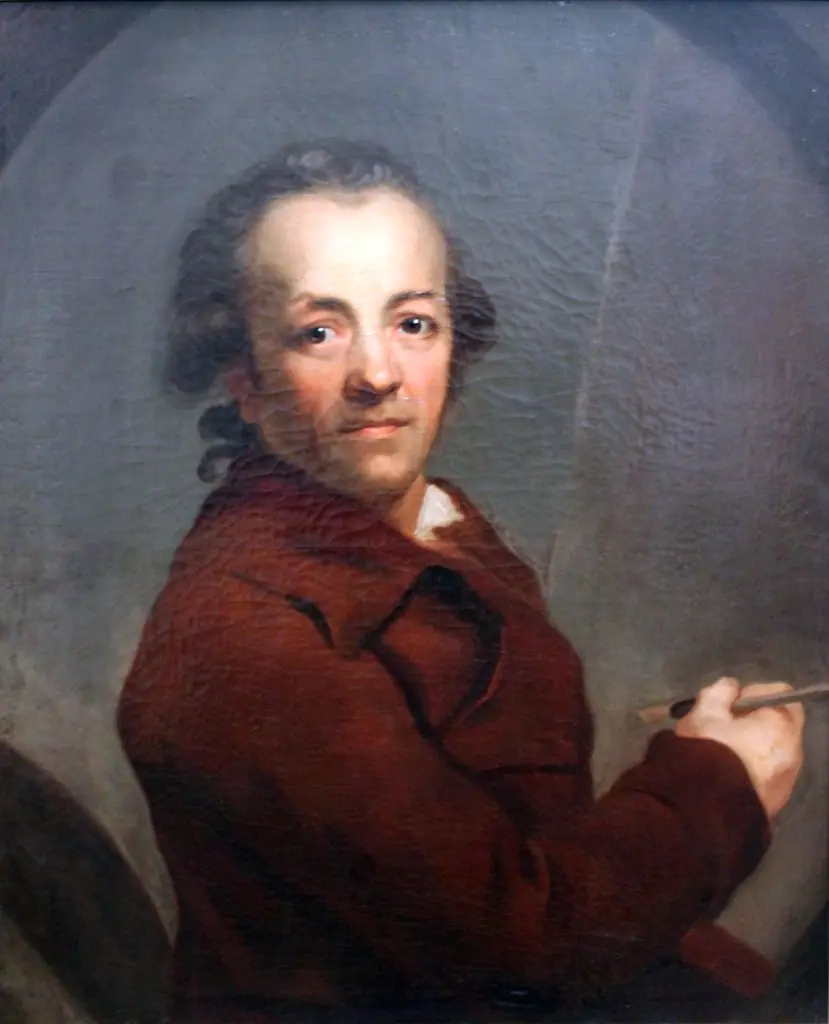 Self-portrait
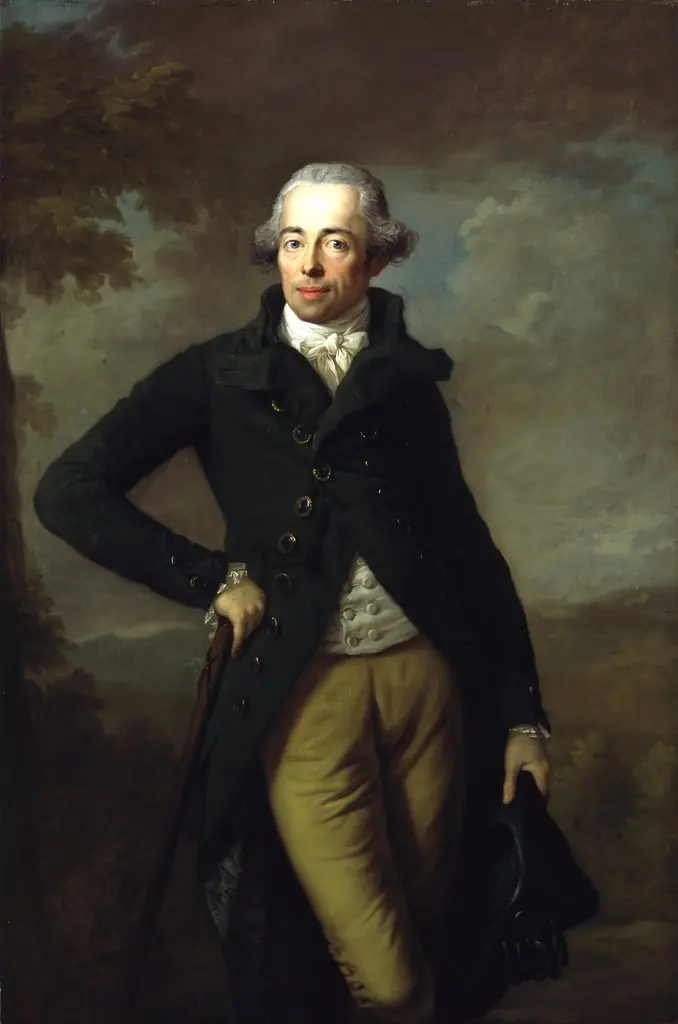 Heinrich XIV. Reuss Elder Line (Reuß ältere Linie) (1749-1799)
 Portrait and History Painter Carl Friedrich Demiani (1768-1828)
 The Painter Christian Wilhelm Ernst Dietrich (1712-1774)
 Mrs. John Taylor
 Portrait of The Hon. Mrs John Beresford (née Montgomery) (?1757-1788)
 The Hon. Mrs. Thomas Graham
 Mrs. Charles Frederick (Martha Rigden, died 1794)
 Mrs. Thomas Horne
 Portrait of Mary Anne Jolliffe
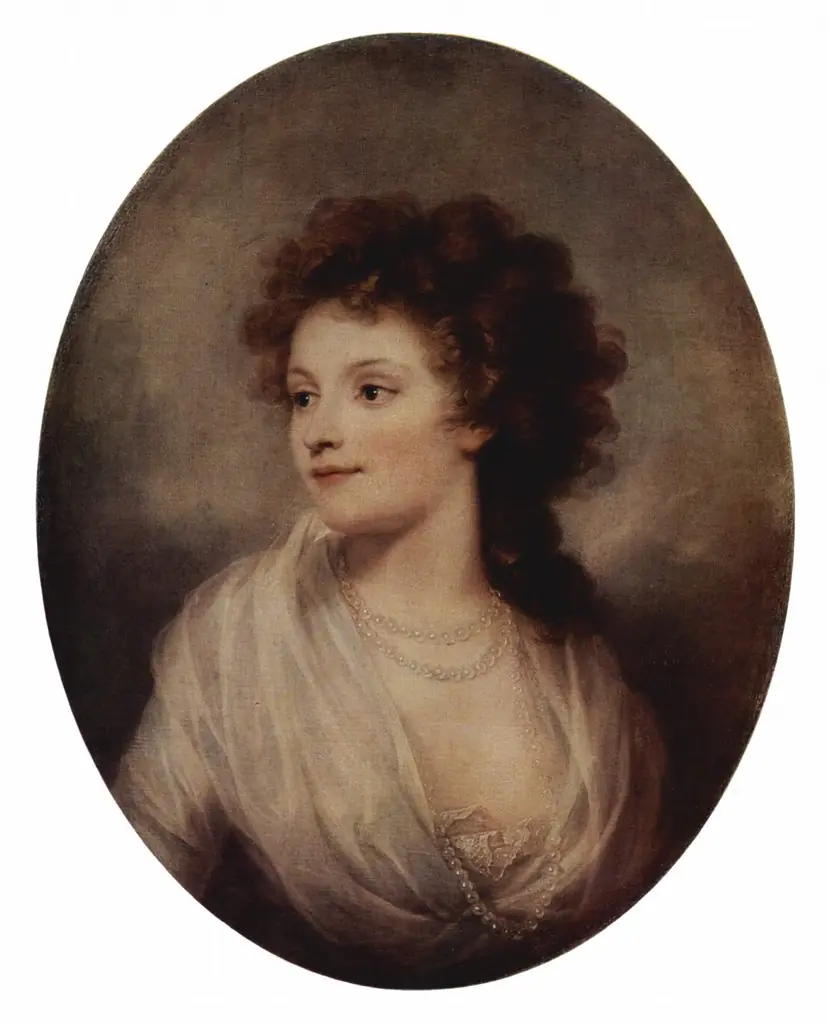 Portrait of Charlotte Bach Mannteufel
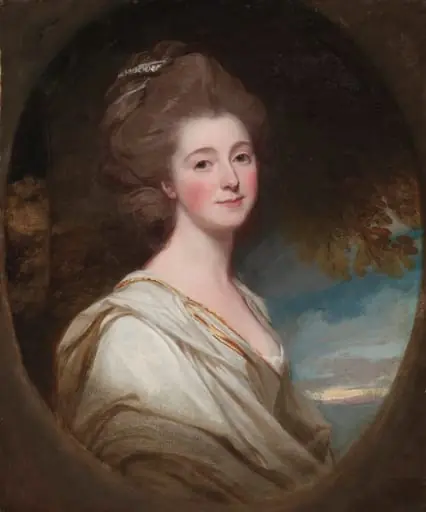 Portrait of Jane Hoskyns
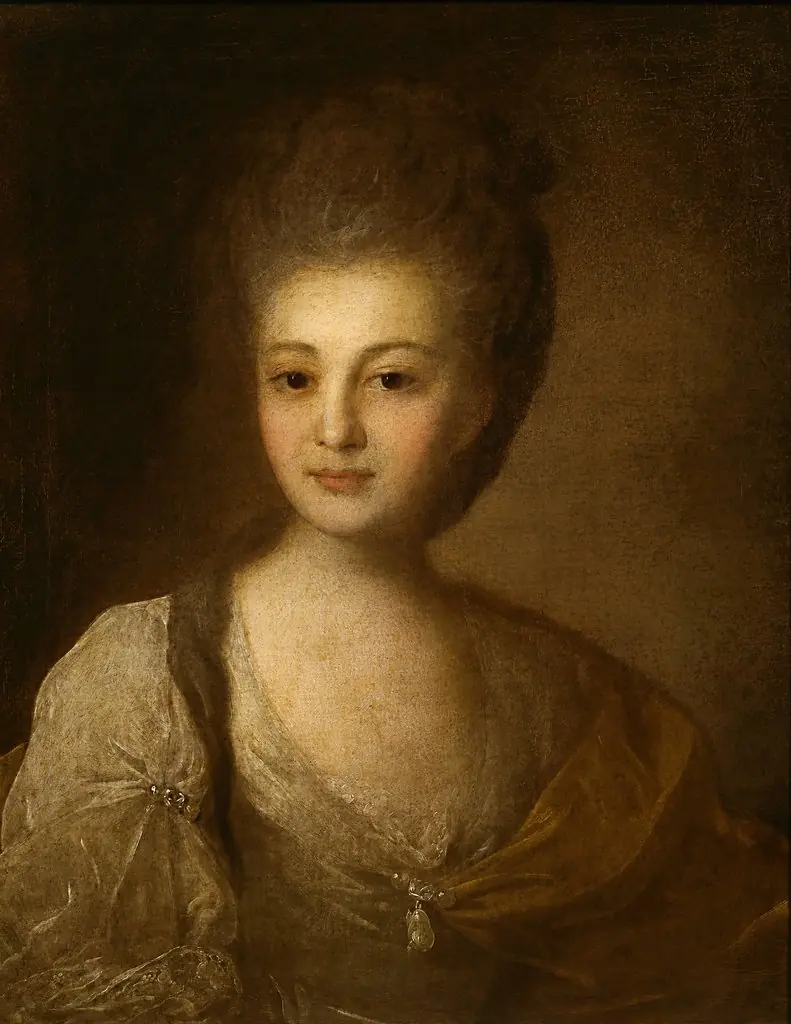 Portrait of A.P.Struiskaya
![Portrait of Miss Elizabeth Linley [later Mrs. Richard Brinsley Sheridan], by Thomas Gainsborough](https://artifactworldgallery.com/img/thomas-gainsborough--portrait-of-miss-elizabeth-linley-later-mrs-richard-brinsley--f6700966431aaba8-w320.webp) Portrait of Miss Elizabeth Linley [later Mrs. Richard Brinsley Sheridan]
Portrait of Miss Elizabeth Linley [later Mrs. Richard Brinsley Sheridan]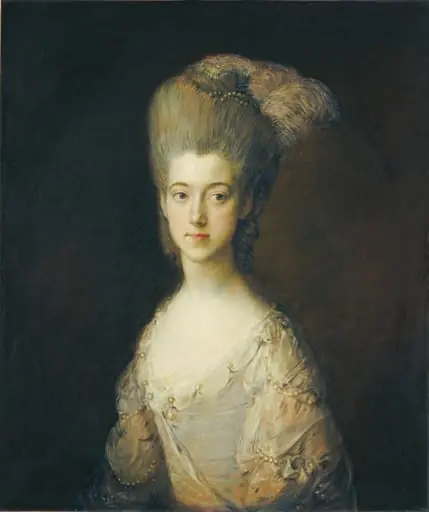 Mrs. Paul Cobb Methuen
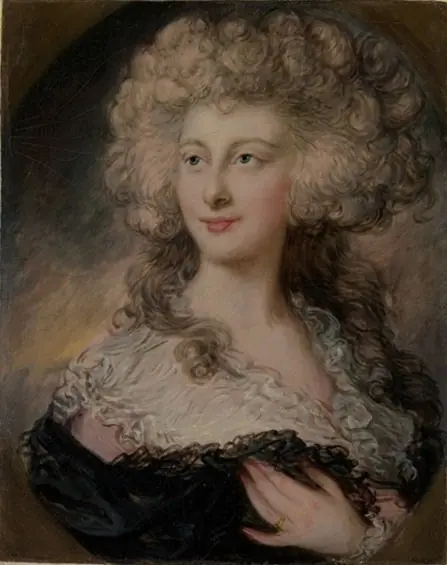 Anne Elizabeth Cholmley (1769–1788), Later Lady Mulgrave