Artwork
Portrait of a Man
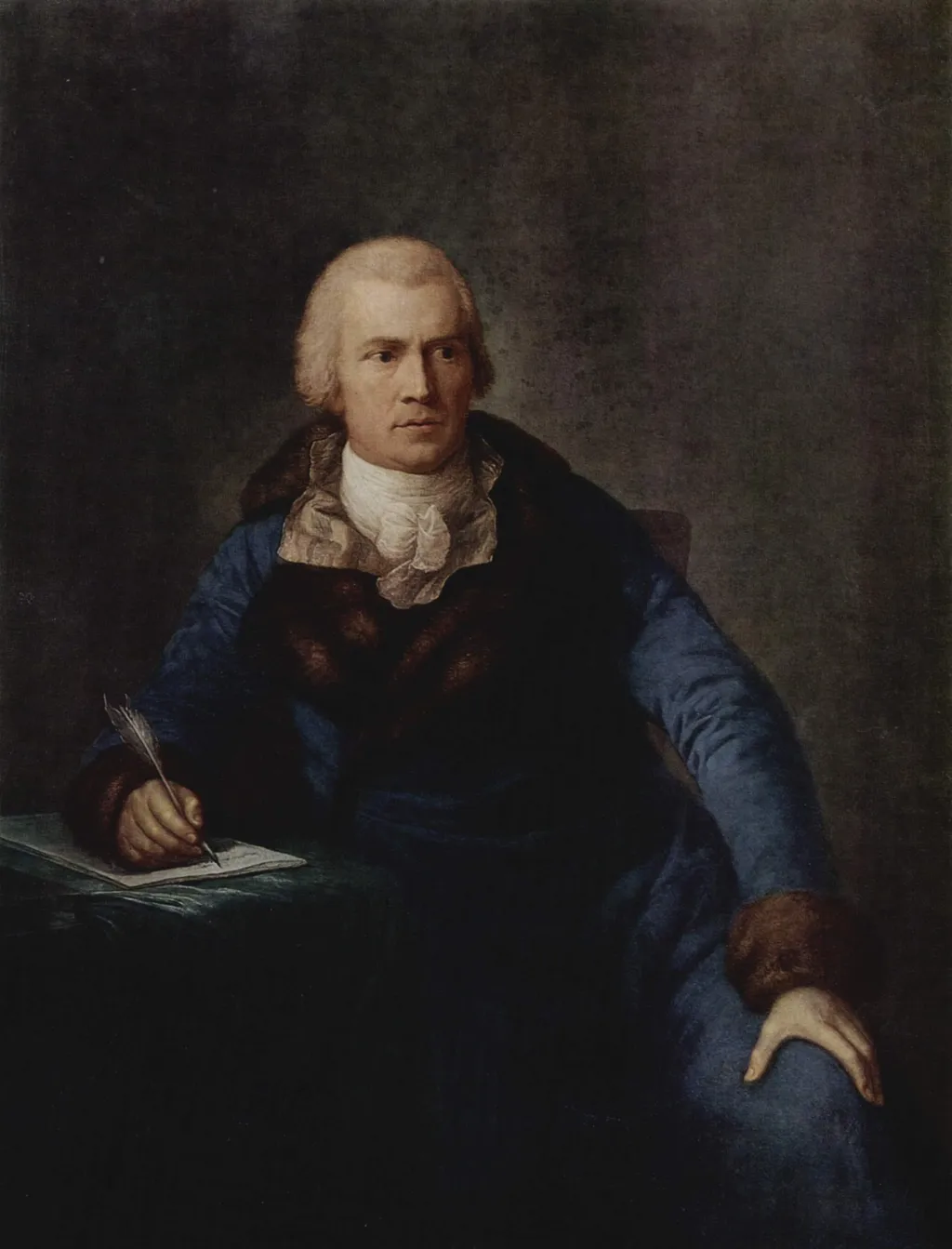
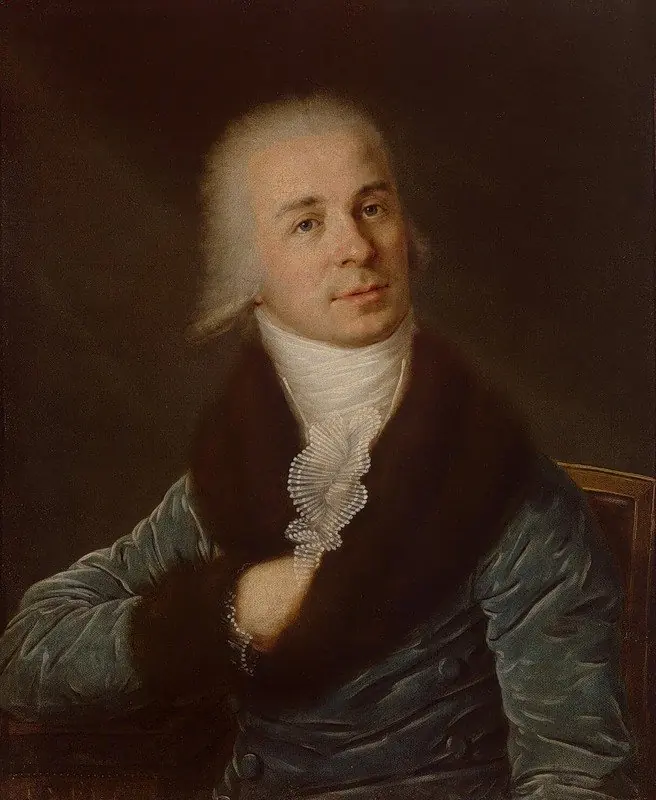
Portrait of a Man is an oil painting by the Neoclassicist artist Anton Graff. It dates from 1800 and is held in the collection of the Hermitage Museum.
About this work
Overview
It resides today in the State Hermitage Museum, part of a broader body of portraiture that documented Enlightenment-era intellectual and aristocratic circles.
Painted in 1800 by Swiss artist Anton Graff, this oil portrait depicts an unidentified gentleman in a moment of quiet concentration. Executed with precision and restraint, the work reflects Graff’s reputation for capturing the dignity of his subjects. It resides today in the State Hermitage Museum, part of a broader body of portraiture that documented Enlightenment-era intellectual and aristocratic circles.
Subject & Meaning
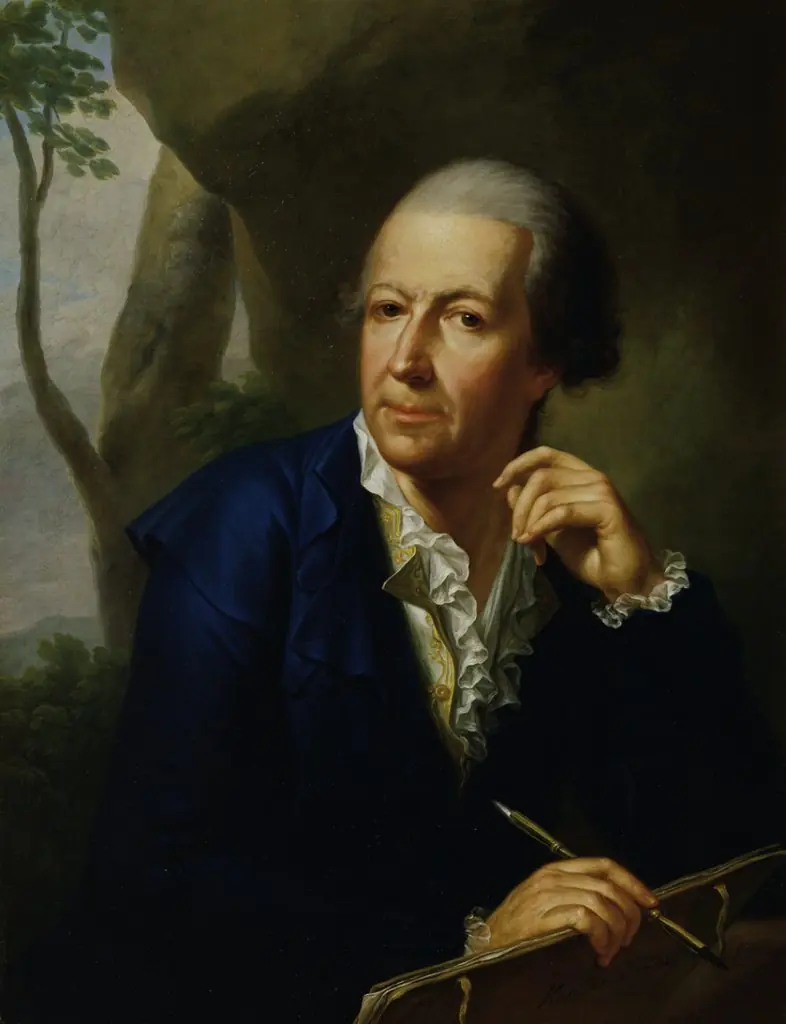
The sitter, likely a scholar or official, is shown mid-writing, quill in hand, suggesting contemplation and intellectual activity. His powdered hair and formal attire signal status and adherence to contemporary norms. The absence of symbolic objects or elaborate settings directs focus to the individual’s presence, emphasizing personal character over external display—a hallmark of Graff’s restrained approach to portraiture.
Technique & Style
Graff employed fine brushwork to render the texture of the fur collar, the sheen of the cravat, and the subtle transitions of skin tone. The dark, unmodulated background enhances the three-dimensionality of the figure, while controlled chiaroscuro models the face and hands with quiet luminosity. Attention to fabric folds and the delicate handling of light reflect a commitment to naturalism within a classical framework.
History & Provenance
The painting entered the State Hermitage Museum’s collection in the 19th century, likely through acquisition or donation from a European noble or diplomatic source. Its provenance prior to museum ownership remains undocumented, but its stylistic consistency with Graff’s other works from the period supports its attribution and dating to around 1800.
Context
Created during the waning years of the Enlightenment, the portrait aligns with a cultural emphasis on reason, individuality, and refined demeanor. Graff, active across German-speaking courts, was known for portraying philosophers, monarchs, and literati. This work reflects the era’s preference for understated elegance over theatricality, capturing the inner life of the educated elite.
Legacy
Though not among Graff’s most famous portraits, this work exemplifies his mature style—calm, precise, and psychologically attentive. It contributes to the understanding of 18th- to early 19th-century portraiture in Central Europe, where realism and dignity replaced baroque grandeur. The painting remains a quiet testament to the era’s ideals of intellectual composure.
Own this work as a print
Artist & collection
Artist
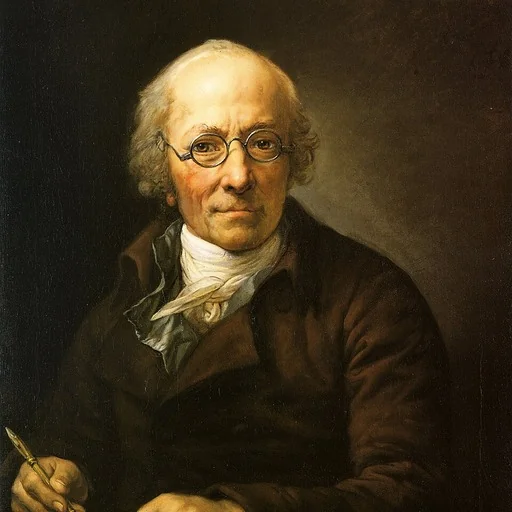
Anton Graff (18 November 1736 – 22 June 1813) was a Swiss portrait artist. Among his famous subjects were Friedrich Schiller, Christoph Willibald Gluck, Heinrich von Kleist, Frederick the Great, Friederike Sophie…

 Daniel Chodowiecki
 Elizabeth Sophia Augusta Graff, born Sulzer (1753-1812) and her Daughter Caroline Susanne (1781-1828)
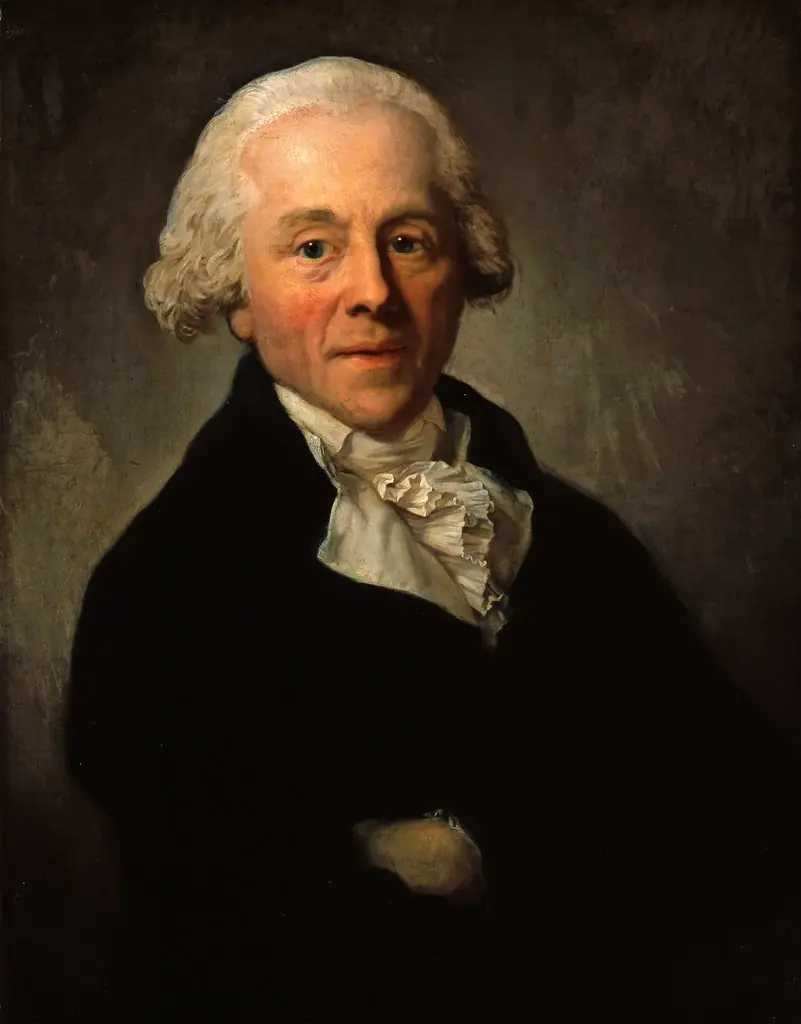 Friedrich Ludolf Hansen (1738-1803)
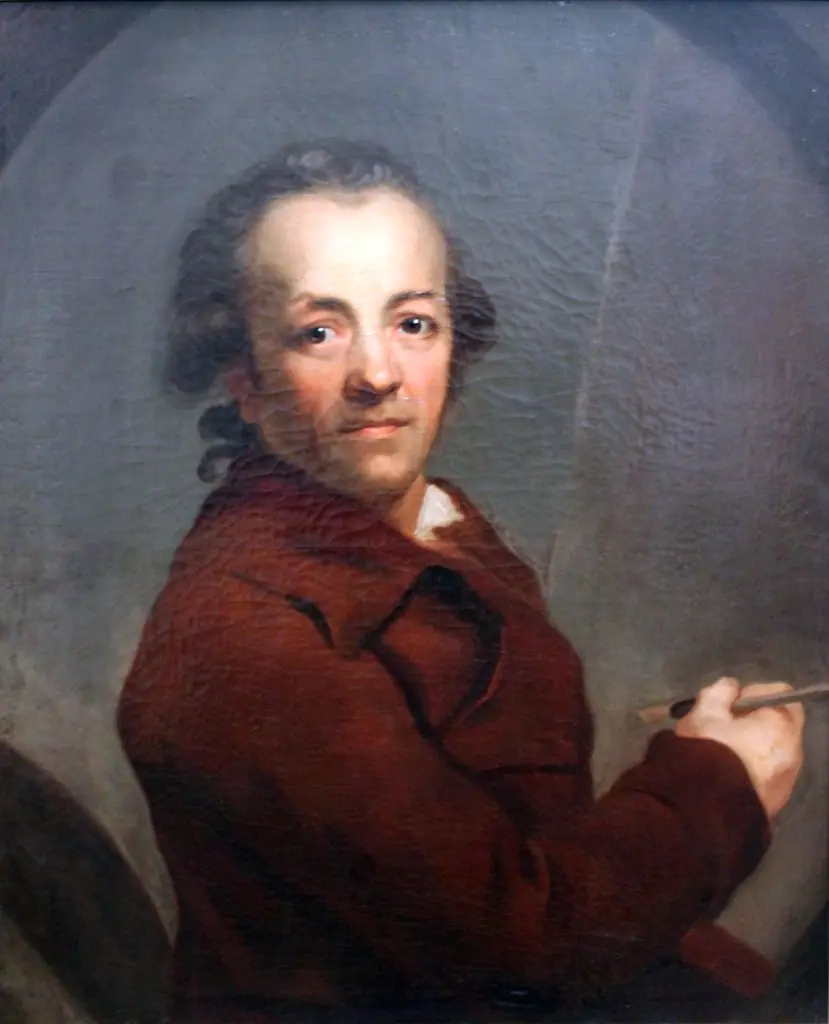 Self-portrait
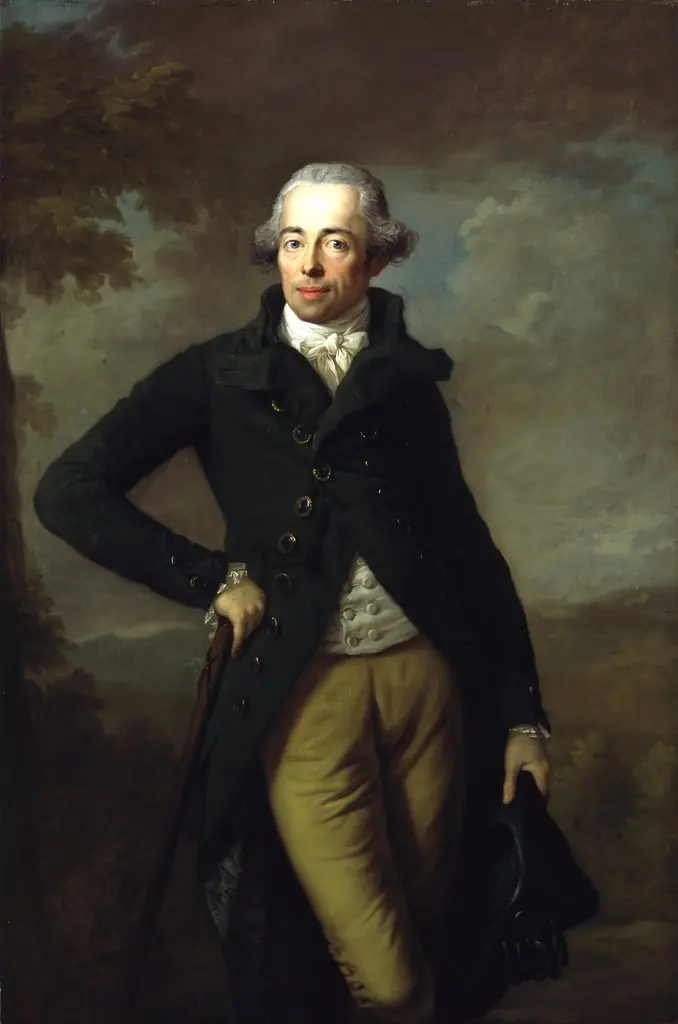 Heinrich XIV. Reuss Elder Line (Reuß ältere Linie) (1749-1799)
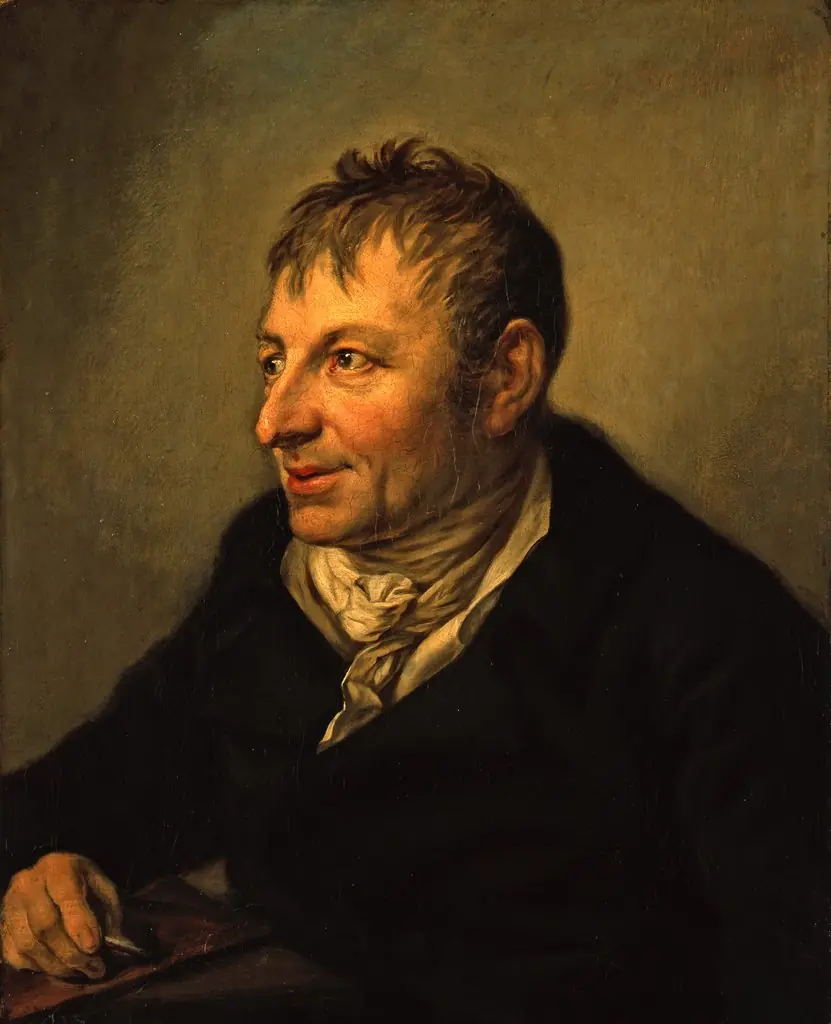 Portrait and History Painter Carl Friedrich Demiani (1768-1828)
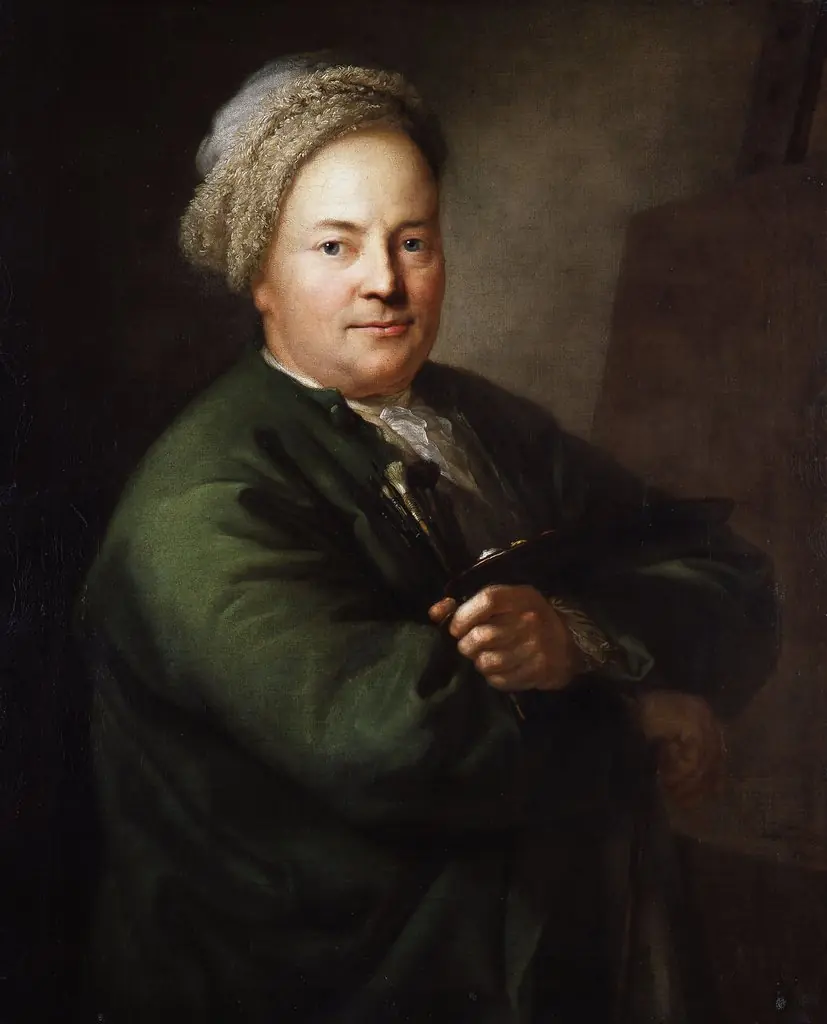 The Painter Christian Wilhelm Ernst Dietrich (1712-1774)
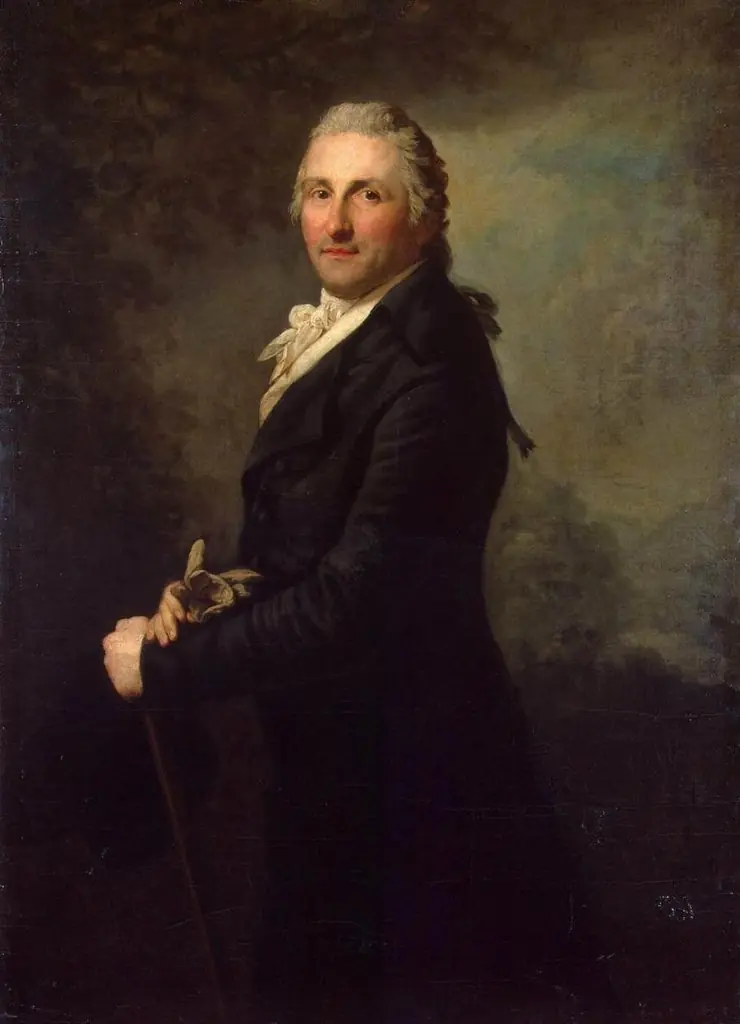 Portrait of Georg Leopold Goguel
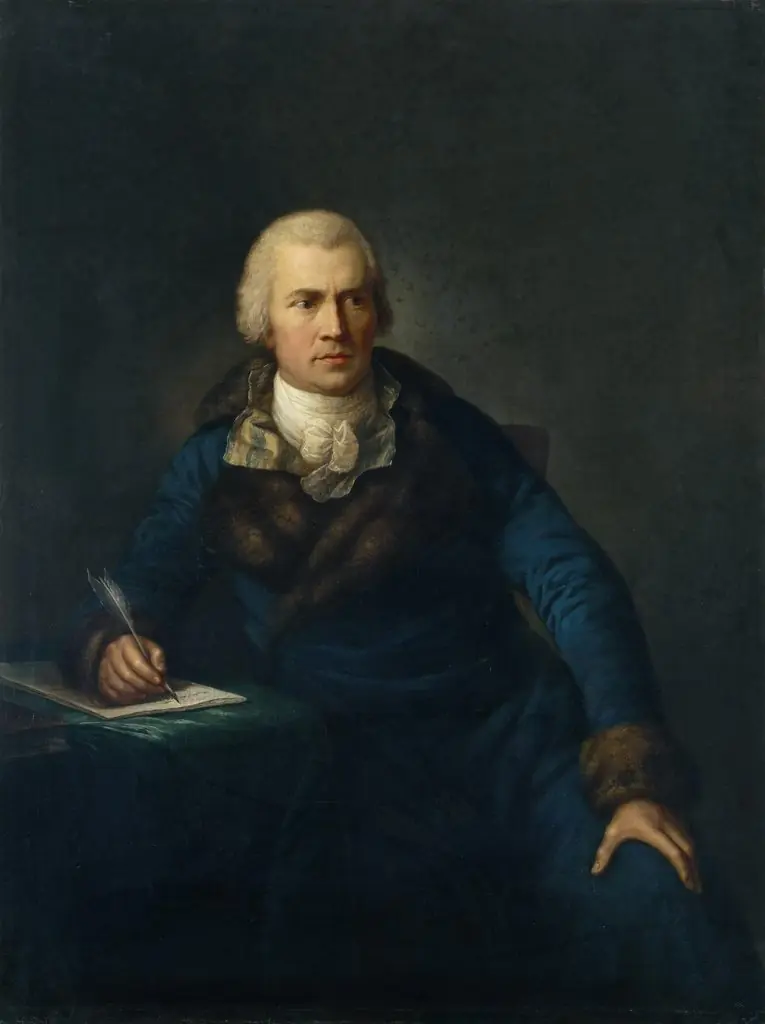 Portrait of Prince Friedrich Heinrich Ludwig of Prussia
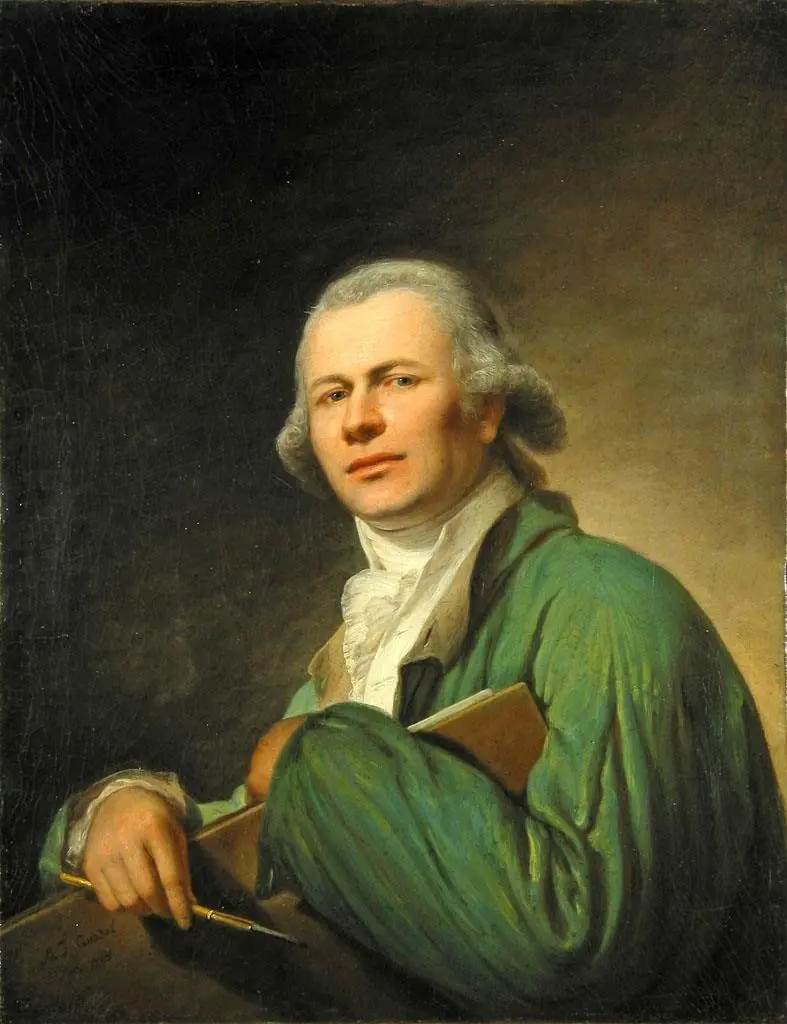 Self Portrait
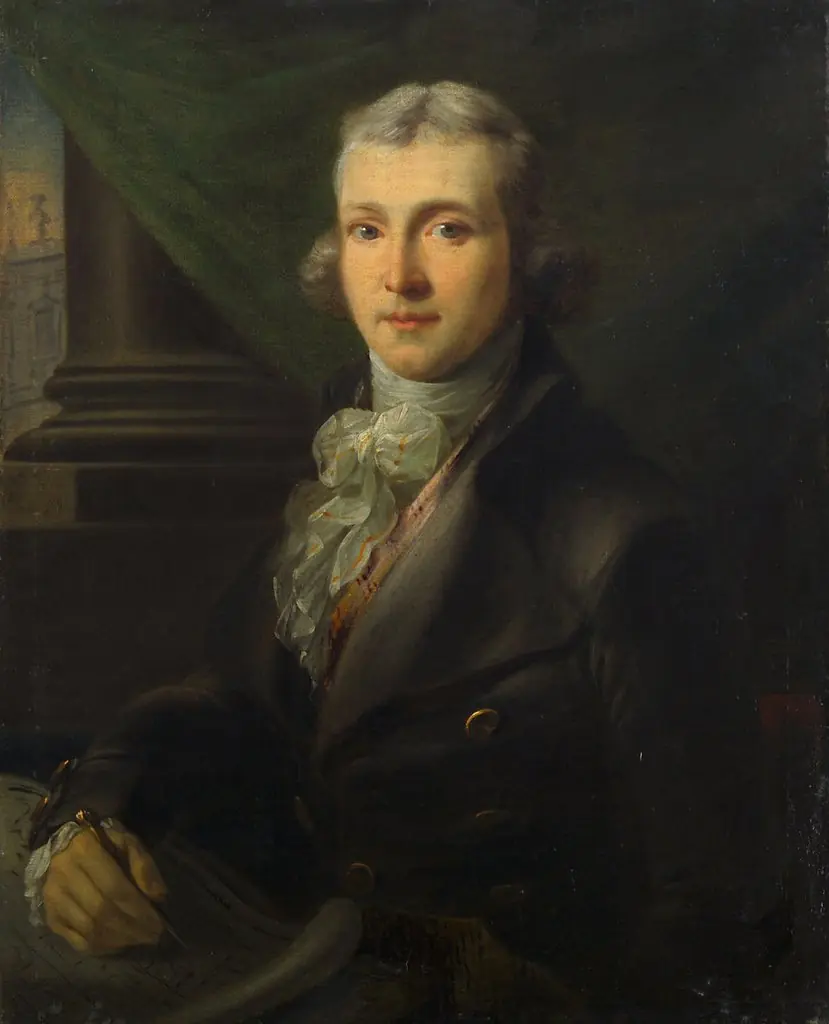 Bildnis eines jungen Architekten
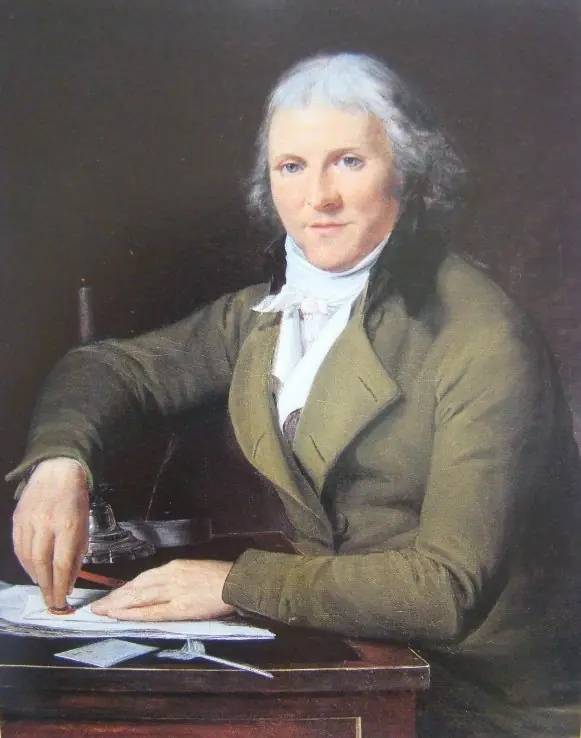 Portrait of a Man Sealing a Letter
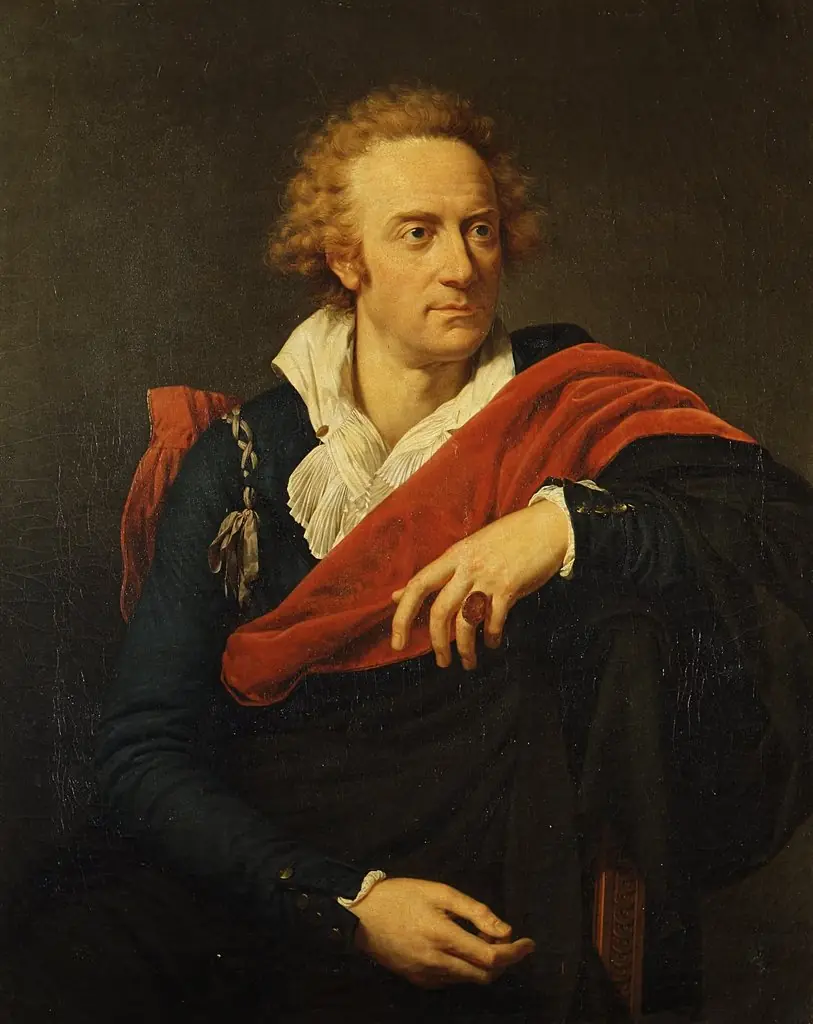 Portrait of Vittorio Alfieri
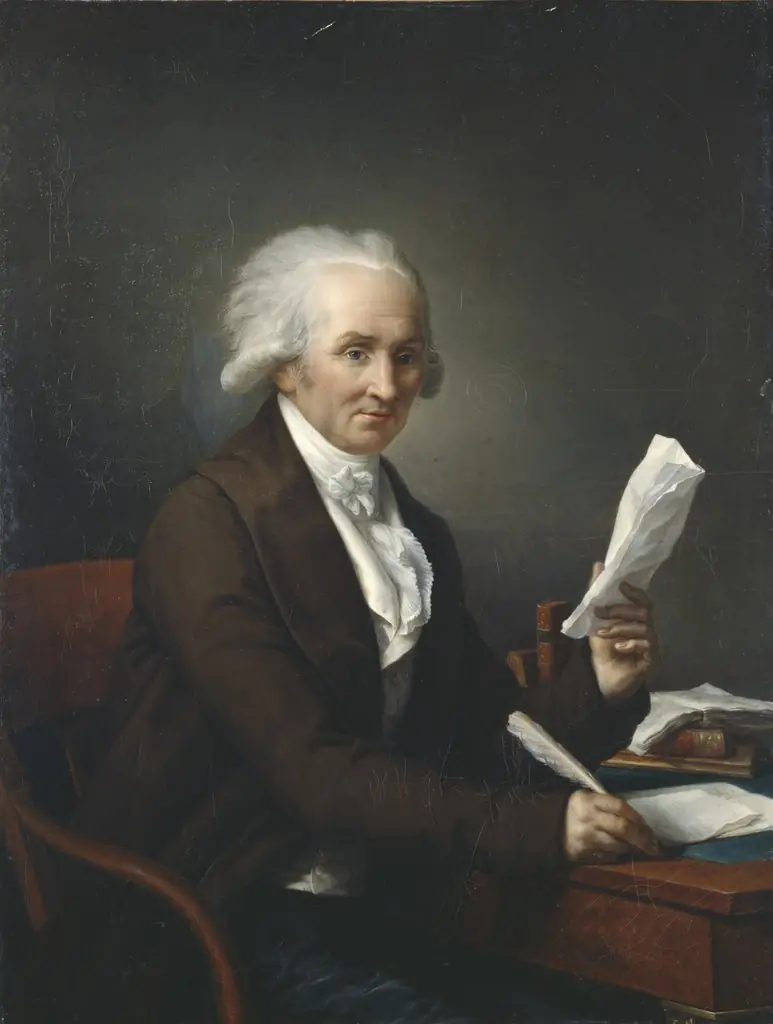 Gentleman in his Study
 Delessert
 Der Maler Joseph Rosa
 Portrait of the Engraver Pasqual Pere Moles, first director of the Escola de Llotja
 "Portrait of Alexander Labzin" (1766-1825)
 Fortescue Cuming
 Portrait of Gavrila Derzhavin